
Reviewed · HORSES
Scenic Horseback Ride in Tropical Mountain Reserve
Fundación Loros gives you more than a horseback ride. In this 1,000-acre tropical dry forest near Cartagena, you see how rescued parrots and macaws are prepared for release, ride mountain trails, look for monkeys, and finish by planting a tree. The conservation work is the heart of the day, not a side note.
I like two things right away: the experience is private and tailored to your riding level, and the $169 price supports a working wildlife refuge rather than a staged animal show. The mix of horses, a nature hike, a UTV outing, local food, and hands-on conservation also gives the six-hour visit plenty of variety. The main drawback is the rougher physical side: this is not suitable for children under 12, people over 60, pregnant women, or anyone with certain health or mobility concerns.
Key points
- A 15-kilometer ride through tropical dry forest: You follow mountain trails with a biologist and may see monkeys, parrots, macaws, and other wildlife.
- A real rehabilitation center: You learn about rescue, rehabilitation, and release work, but you cannot touch or feed the animals directly.
- Breakfast by the lake: The day begins with local flavors before the conservation talk and bird-care activities.
- A private, level-sensitive outing: Guides adjust the horseback experience for beginners and more experienced riders.
- Mountain views by UTV: The motorized outing adds a faster way to take in the reserve’s wide views.
- A practical conservation finish: You plant a tree, then settle down with seasonal fruit and a refreshing drink.
Why Fundación Loros feels different from a standard riding tour
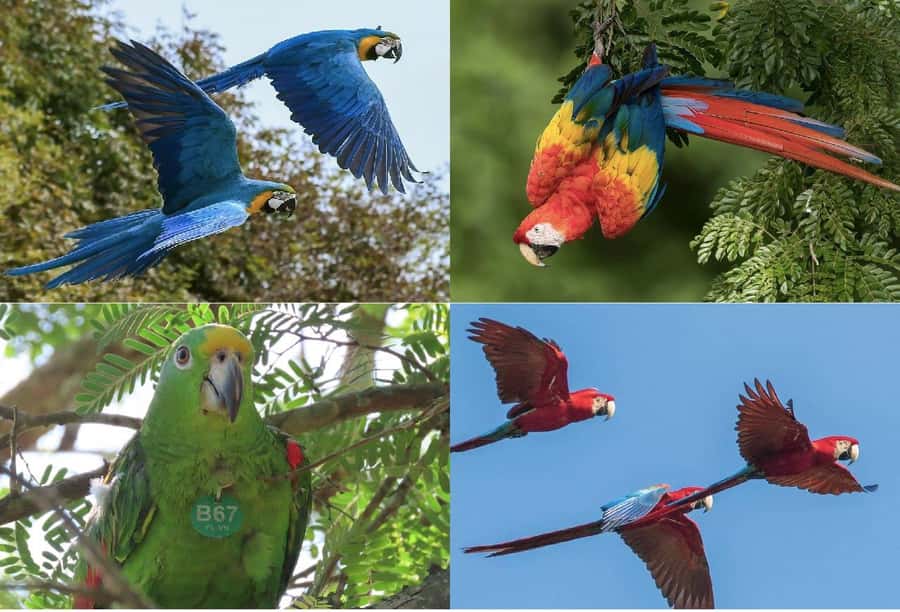
Many horseback outings are mainly about the ride. Here, the horses are only one part of a larger visit focused on wildlife protection. Fundación Loros is home to a parrot and macaw rehabilitation and release center, and the opening talk explains how the birds move from rescue and care toward life in the wild.
That context matters. You are not simply looking at colorful birds behind a fence. You are learning why rehabilitation takes time and why staff must limit human contact. You may help prepare and deliver food, but you must not feed the animals directly or touch them. Trained foundation staff supervise all activities because this is a rehabilitation center, not a zoo.
I appreciate that boundary. It may feel less interactive than a petting-style animal encounter, but it protects the birds and keeps the visit tied to their eventual release. If you want a close-up animal experience built around handling wildlife, this is not the right choice. If you want to understand conservation work while keeping a respectful distance, it fits well.
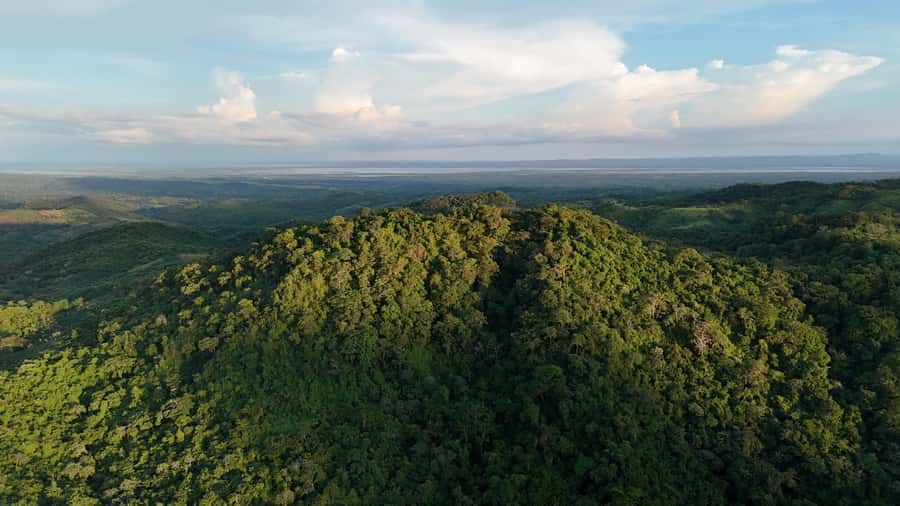
The reserve covers 1,000 acres of tropical dry forest. That gives the day a sense of space, with trails, mountain views, trees, and changing terrain rather than one compact visitor area. The setting near Villanueva also takes you beyond Cartagena’s usual historic center and beach circuit.
A few more Cartagena trips to weigh up
- Cartagena: Horseback Riding on the Beach at Sunset
★ 4.9 · 203 reviews - HORSE TOUR IN CARTAGENA BEACH
★ 4.6 · 114 reviews - Cartagena: Horseback Riding at the Beach During Day or Sunset
★ 4.5 · 77 reviews
Breakfast by the lake starts the day at an easy pace
Your visit begins with breakfast beside the lake. The meal includes local flavors and gives you time to settle in before the active part of the program. Hydration is provided throughout the day, which is useful in a warm outdoor setting where a long ride can take more out of you than expected.
The setting also helps frame the visit. You are not rushed straight from a vehicle onto a horse. Breakfast gives you a calm introduction to the reserve before the biologists explain the birds and the foundation’s work.
The exact breakfast menu is not specified, so do not book this expecting a particular dish. You can count on a local-style morning meal, water and other hydration during the day, then fruit and a drink later.
The macaw and parrot center puts conservation first
The guided visit to the rehabilitation and release center is one of the most valuable parts of the experience. Biologists explain the process of caring for rescued parrots and macaws and preparing them for release. You also learn about reintroduction, including the goal of returning birds to a natural role in the ecosystem.
You may help prepare and deliver food to the birds, but the rules are firm: no direct feeding and no touching. Follow the staff closely. A bird that looks calm may still be in a sensitive stage of rehabilitation, and reducing human contact is part of the work.
This is also where the experience asks you to be a responsible participant rather than a passive spectator. You get a look at the effort behind wildlife release, but the birds’ welfare comes before a perfect photograph or a close encounter.
The conservation message extends beyond macaws and parrots. The reserve also supports monkey reintroduction, and the trail portion gives you a chance to look for these animals in their forest setting. Sightings are never guaranteed, so go in expecting a search rather than a wildlife performance.
A 15-kilometer horseback ride with a biologist
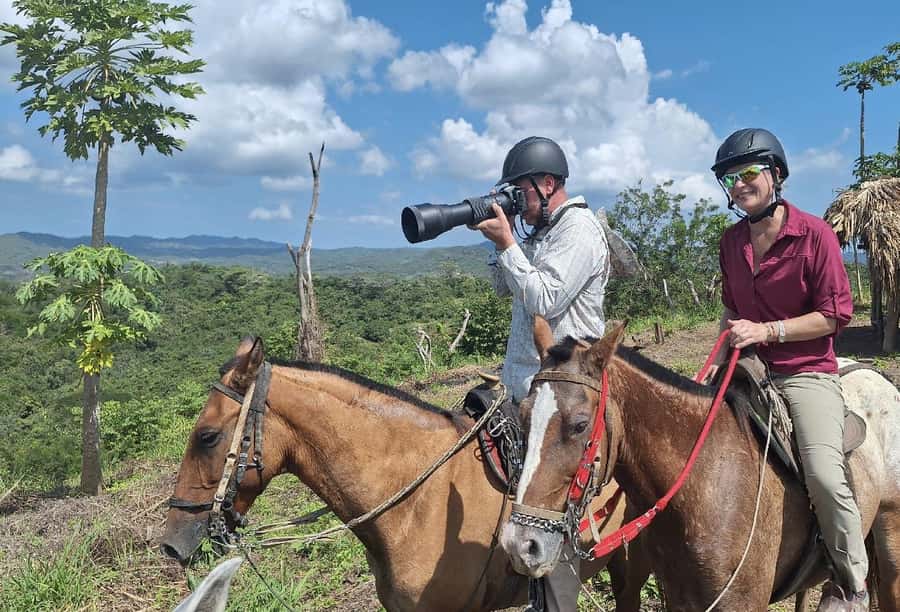
The horseback portion covers about 15 kilometers, making it a substantial trail ride rather than a short loop for photographs. An expert biologist guides the route, so the ride combines movement with information about the forest and its wildlife.
The horses take you through trails around the reserve and into mountain areas with broad views. You may see monkeys, parrots, macaws, and other animals along the way. The forest is a dry tropical ecosystem, so conditions can feel exposed and warm in places. Long pants, outdoor clothing, closed-toe shoes, and personal medication are sensible choices.
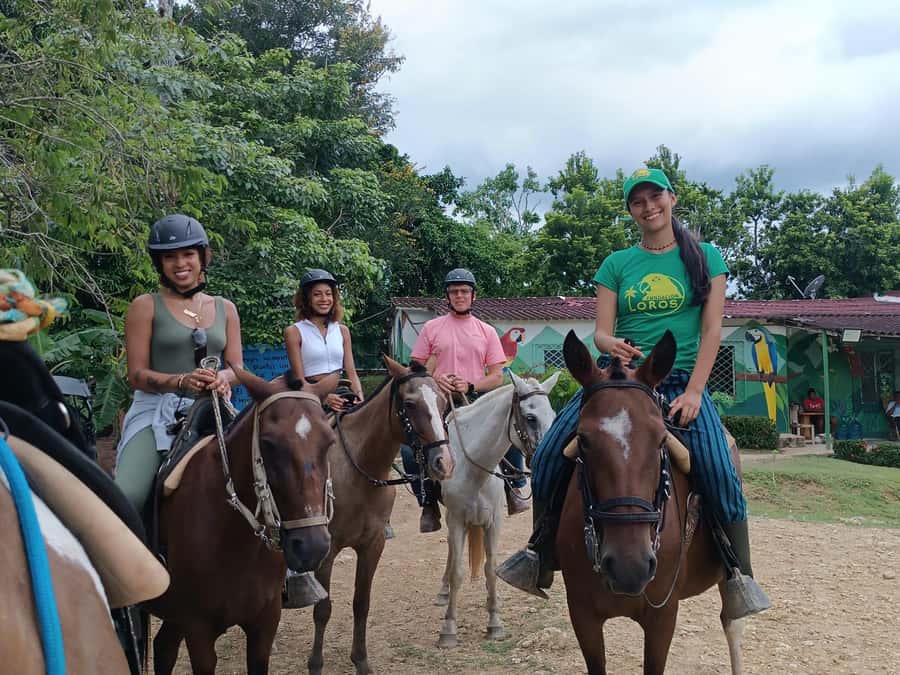
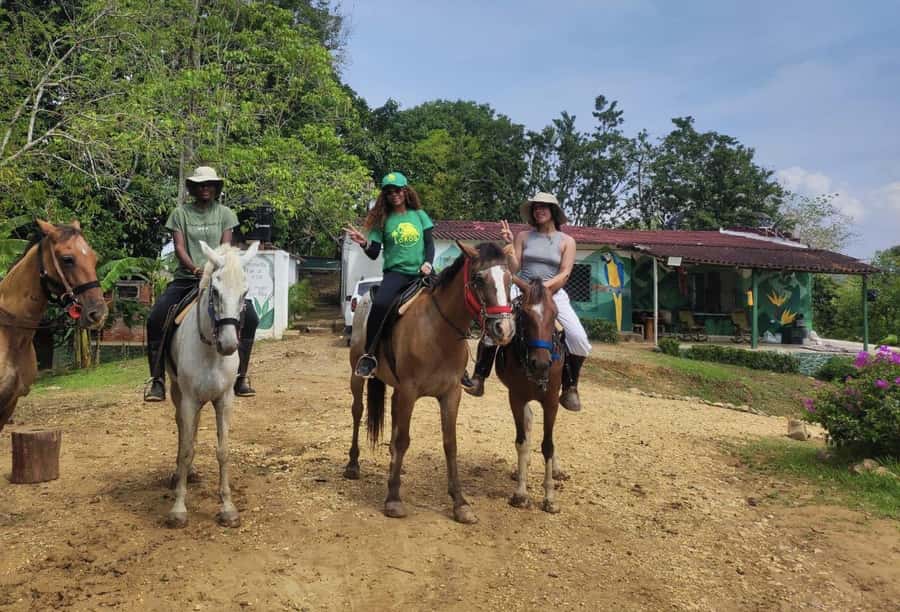
You do not need advanced riding experience. The horseback program is designed for different skill levels, and the guides adjust the pace and riding experience to suit you. That flexibility was a major strength for riders who had different levels of confidence. One couple singled out horses named Poney and Blanquita and especially liked the ride toward the monkeys and up the mountain trails.
Still, beginner-friendly does not mean effortless. Six hours of outdoor activity, including a 15-kilometer ride, calls for moderate fitness. You should be comfortable sitting on a horse for a sustained period and dealing with uneven outdoor conditions.
The private group format helps here. You are not locked into the speed of a large line of riders. The guide can pay attention to your comfort and adjust the riding to your level, within the limits of the route and the day’s schedule.
Same city, a completely different kind of day:
- Cartagena: Historic Center and Getsemaní Shared Walking Tour
★ 4.9 · 2,716 reviews - Cartagena: Rosario Islands Catamaran with Lunch and Snorkel
★ 4.5 · 2,479 reviews - Full-Day Rosario Islands Including Barú, Bocachica & Playa Blanca
★ 4.0 · 1,729 reviews - Cartagena de Indias: 2-Hour Sunset Cruise
★ 4.7 · 1,105 reviews
Looking for monkeys and macaws along the trail
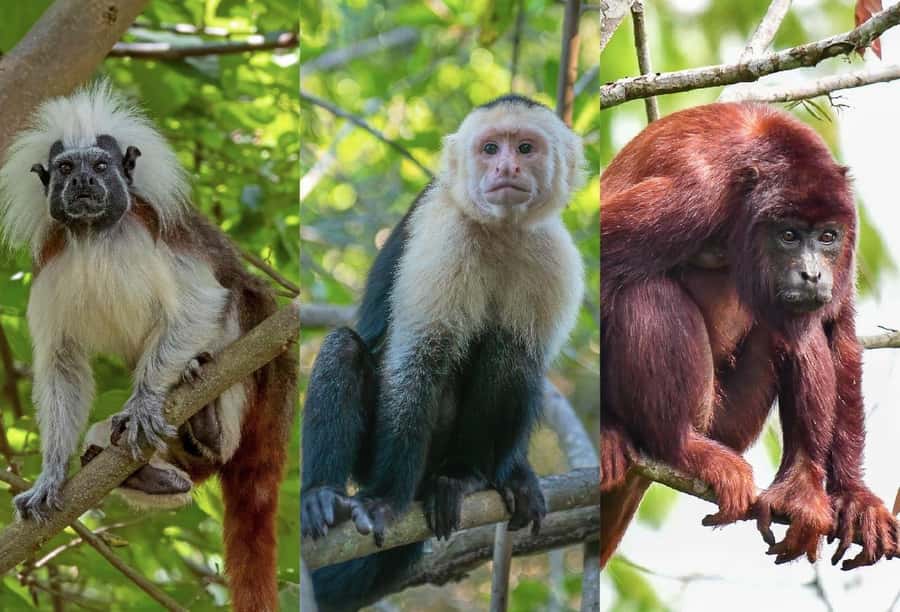
The wildlife component works best when you treat it as part of the forest experience, not as a guaranteed checklist. The reserve is home to monkeys, parrots, macaws, and other wildlife, and the biologist can help you understand what you are seeing and why the habitat matters.
The route also introduces you to the forest’s wider human setting. You may meet local farmers and taste freshly harvested tropical fruit as you explore. That detail gives the day a stronger local connection than a ride that keeps you entirely inside a managed tourism area.
You might find the wildlife viewing less predictable than a zoo visit. Animals move on their own schedule, and the rules prevent the guide from luring them close through direct feeding. For me, that is a fair trade. The goal is to see animals living in, or being prepared for, a natural environment.
Bring patience and keep your expectations sensible. The experience promises access to a reserve with wildlife and conservation work, not a guaranteed sighting of every species.
UTV views add a second kind of adventure
The horseback ride is the main transport through the trails, but the experience also includes stunning views from a UTV outing. This gives you another way to see the reserve and the mountain setting, with a quicker, more open ride than you get from horseback.
One verified booking specifically praised the combination of the horse ride and ATV activity. The supplied details describe the vehicle as a UTV, so you should expect a motorized outing as part of the day’s mix. It is a useful change of pace after time in the saddle and adds an element of adventure without making the entire experience a motor tour.
The information does not specify the UTV route, driving arrangements, or exact length. Follow the foundation staff’s instructions, and remember that smoking, alcohol, and drugs are not allowed in the vehicle. Alcoholic drinks are also prohibited in the vehicle.
Planting a tree gives the day a lasting purpose
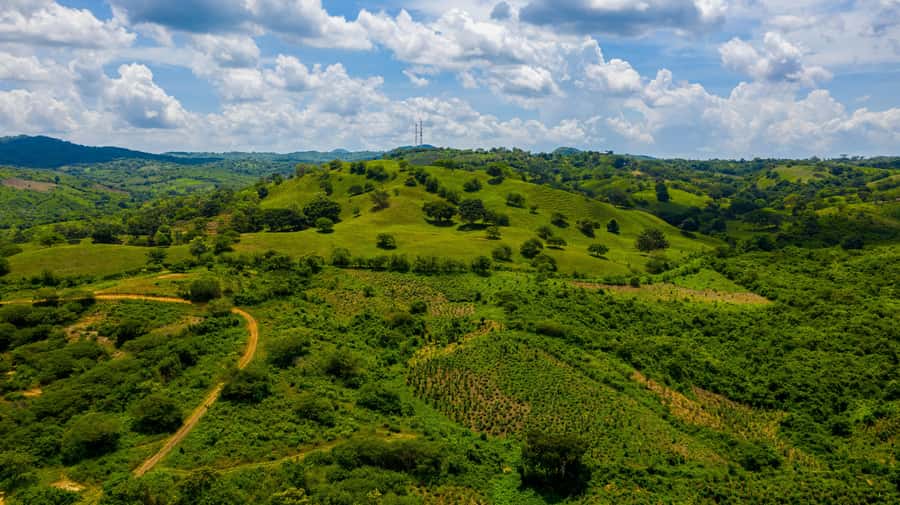
Near the end of the visit, you plant a tree as part of the reserve’s reforestation effort. It is a simple activity, but it connects your visit to the future of the tropical dry forest.
I like this better than a souvenir-style finish. You leave having taken part in one small act of habitat care, not just having passed through the reserve. The tree planting also makes sense beside the bird reintroduction work: wildlife release depends on healthy places for animals to live.
Do not expect the tree planting to turn you into a conservation expert in ten minutes. Its value is symbolic and practical at once. It shows how visitor income and participation can support the foundation’s wider work.
Fruit, local farming, and a cool finish
The final snack includes seasonal local fruit such as mango, papaya, or bananas, along with a refreshing drink. After a long ride and time outdoors, this is a welcome finish rather than a minor extra.
Meeting local farmers and tasting recently harvested fruit adds another useful layer. You get a small sense of how people around the reserve work with the land, while the snack keeps the closing moments simple and local.
The menu changes with the season, so you will not know the exact fruit in advance. That is part of the appeal. Expect fresh tropical produce rather than a fixed international snack.
What $169 includes, and what it does not
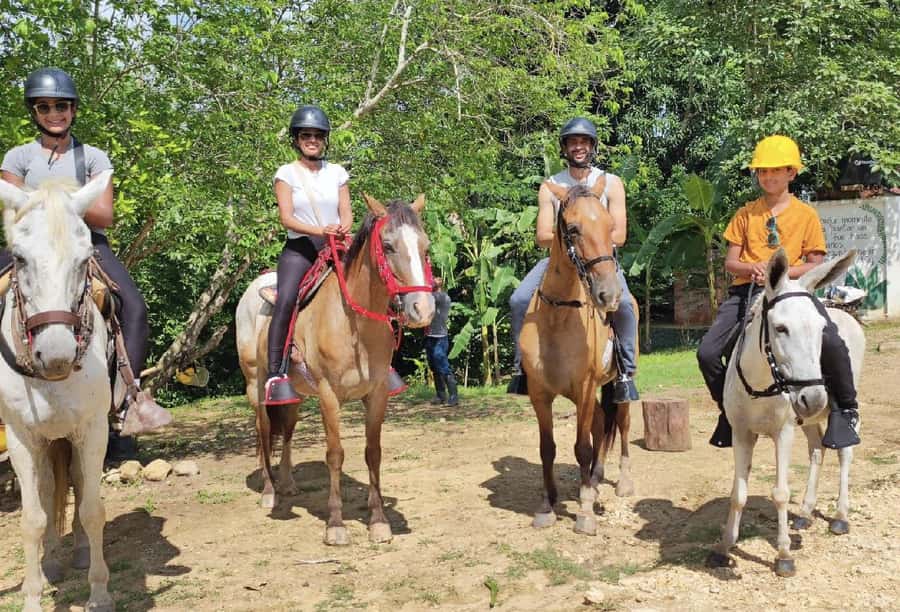
At $169 per person, this is not a budget horseback outing. The price includes breakfast, hydration, a private riding experience, guided access to the macaw and parrot rehabilitation center, the 15-kilometer ride, tree planting, and the fruit snack with a drink.
The value depends on what you want from the day. If you only want an hour on a horse, you will pay for more than you need. If you value a full outdoor program with biologists, conservation education, wildlife searching, a private group, a UTV outing, and a contribution to the reserve, the price is easier to justify.
Transportation is not included. The reserve is about one hour from downtown Cartagena, and private round-trip transport costs $75 per vehicle for up to four passengers. Split among four people, that is $18.75 each. You can also arrange your own arrival with services such as Uber or InDriver.
If you drive, take Cartagena’s northern exit toward Villanueva, Bolívar. After passing through Villanueva, continue about 800 meters. Look on the right for a gate with two green signs showing the foundation logo. Tell the foundation when you leave Cartagena so staff can watch for your arrival and help if needed.
The extra travel time is worth factoring into your day. This is not a quick add-on between Cartagena attractions. It is a full six-hour outing plus roughly two hours of road time if you travel from the city.
Who should book this six-hour reserve visit
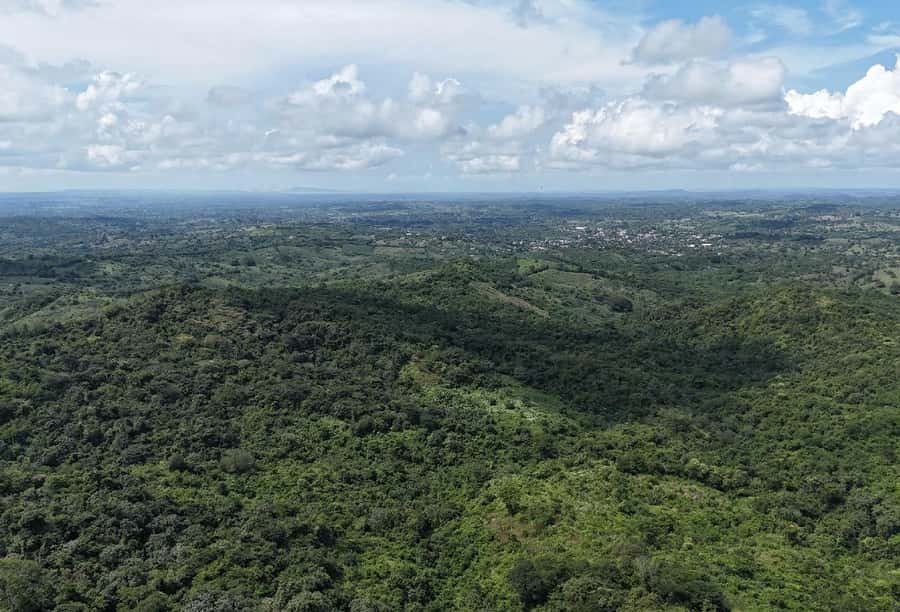
I would recommend this for adults and older teenagers who want a nature day with purpose and can handle moderate physical activity. It is a particularly good match for you if you like animals but prefer conservation work to staged encounters, or if you want a private ride adjusted to your experience level.
It also suits couples, small families with children aged 12 or older, and private groups that want more variety than a standard trail ride. The mix of horses, wildlife, fruit, tree planting, and UTV views keeps the day from feeling one-note.
You should think twice if you have back problems, mobility impairments, a recent surgery, a pre-existing medical condition, or if you are pregnant. The experience is not suitable for wheelchair users, people over 60, or anyone weighing more than 243 pounds, or 110 kilograms, according to the stated restrictions.
Wear long pants and closed-toe shoes. Shorts are not allowed, and comfortable outdoor clothing will make the ride easier. Bring any personal medication you need. Unaccompanied minors are not permitted, and intoxication is not allowed.
The tour is offered in English and Spanish. Cancellation is free up to 24 hours before the activity, and you can reserve now and pay later, which helps if your Cartagena plans may shift.
Should you book the Fundación Loros ride?
Book it if you want a hands-on conservation day with a serious riding component, not just a scenic horse photo. The strongest parts are the rehabilitation-center visit, the tailored guide service, the chance to search for monkeys and macaws, and the knowledge that your payment helps support the project.
Skip it if you want guaranteed wildlife sightings, a short and gentle ride, or an activity close to central Cartagena. The one-hour drive, 15-kilometer route, physical requirements, and strict animal-contact rules are important parts of the decision.
For the right person, this is a thoughtful way to spend a day outside the city. You ride through a working reserve, learn why animal release takes care, and leave having planted something that may outlast your visit.
FAQ
How long does the Fundación Loros experience last?
The activity lasts six hours. You should also allow about one hour each way for travel between Cartagena and the reserve.
How far is the reserve from Cartagena?
The sanctuary is located approximately one hour from downtown Cartagena, near Villanueva in Bolívar.
Is transportation from Cartagena included?
No. Private round-trip transportation is available as an optional add-on for $75 per vehicle, covering up to four passengers. You may also arrive independently using services such as Uber or InDriver.
What animals might I see?
You might see monkeys, parrots, macaws, and other wildlife in the reserve. Wildlife sightings are not guaranteed.
Can I touch or feed the birds?
No. You may help prepare and deliver food, but direct feeding and touching the animals are not permitted. Foundation staff supervise all activities.
Do I need horseback riding experience?
No advanced experience is required. The horseback riding is tailored to different skill levels and guided by instructors and an expert biologist.
What should I wear and bring?
Wear comfortable outdoor clothing, long pants, and closed-toe shoes. Bring any personal medication you need and be prepared to stay hydrated during outdoor activities.
Is the experience suitable for children?
Children under 12 are not permitted. Unaccompanied minors are also not allowed.
Can I cancel or pay later?
You can cancel up to 24 hours in advance for a full refund. The reservation option also allows you to book now and pay later.
Just added around Cartagena
- Shared Old Cartagena & Getsemani Tour with Wireless System★ 4.4 · 8 reviews
- Cartagena: Scuba Diving Day Trip at Playa Blanca with Lunch★ 4.0 · 22 reviews
- San Felipe Castle and Getsemani Walking Tour with tickets★ 4.3 · 27 reviews
- San Basilio de Palenque Private Day Tour★ 4.2 · 4 reviews
- Cartagena: Rosario Islands Private Boat Tour★ 4.8 · 3 reviews
- Rosario Islands -Barú : Agua Azul Beach, with lunch★ 4.0 · 8 reviews
- Mud Volcano Tour in Cartagena with Lunch★ 3.4 · 3 reviews
- photo session through the streets of cartagena★ 5.0 · 3 reviews
Horses, compared.
Horseback Riding Coffee Farm Tour with Coffee Spa
Read our review →

Scenic Horseback Riding in the Medellín Mountains
Read our review →
Coffee Tour with arrival on horseback and sugar cane processing
Read our review →
Horseback Riding Adventure In Nature (Don’t Overpay)
Read our review →
Browse the lists this tour appears in