
Reviewed · LUNCH EXPERIENCES
Cartagena Fishing & Crabbing • Unique Local Experience with Lunch
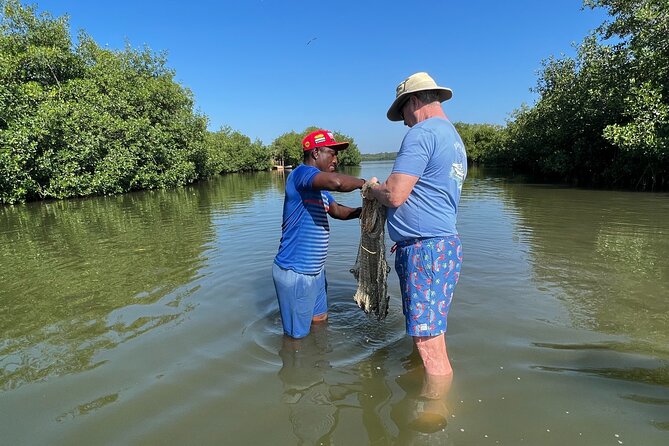
The best part of this Cartagena excursion is that it takes you into the working world of La Boquilla, where narrow mangrove channels replace the city’s stone streets. You ride a sturdy canoe, try casting a broad weighted net, set crab traps, and learn how local fishermen find crabs and edible snails.
I like the private format, which keeps the pace flexible and gives your group plenty of time to ask questions. I also like the generous beach lunch, with fish, chicken, or a vegetarian plate served alongside soup, salad, fried plantains, coconut rice, and a drink. The main consideration is that this is an outdoor outing in hot, humid conditions, and a good catch is never guaranteed.
- Mangrove tunnels: Glide through the Ciénega de la Virgen lagoon beneath cool shade and watch for birds.
- Hands-on fishing: Learn to throw a traditional weighted net, check crab cages, and search for snails.
- Local guides: Andrés is often the English-speaking guide, while local fishermen such as Elias lead the water activities.
- Fresh beach lunch: Choose fried whole fish, grilled chicken breast, or a vegetarian plate with classic coastal sides.
- Optional island stop: Pay 12,000 Colombian pesos per person to visit a small fish farm, see local trades, and meet a raccoon.
- Private transportation: Hotel or Airbnb pickup from Cartagena’s tourist areas is included.
Leaving Cartagena for the Ciénega de la Virgen
This four-hour experience begins with pickup from your hotel or Airbnb in Cartagena’s tourist zone. The operator provides private transportation, and the pickup process is designed to be easy: you may receive the driver’s name, vehicle details, and even a photo so you can find the car without fuss.
The drive takes you away from the polished parts of Cartagena and toward La Boquilla, a coastal community near the Ciénega de la Virgen lagoon. Some roads can feel rough as you get close to the launch point. That is part of the transition from city sightseeing to a working fishing area, but it is worth knowing if you prefer a polished, resort-style outing.
This is a private tour, so only your group participates. That matters here. You are learning physical skills, stepping into shallow water, and handling traps and nets. A private setting gives you more room to try, miss, laugh, and try again without feeling rushed.
Canoeing beneath the mangrove canopy
At the water, you board a small canoe with a local captain or fisherman. The early ride through the mangrove channels is quiet and shaded, making it one of the most restful parts of the morning.
The mangroves form twisting natural corridors, with branches reaching over the water and creating tunnel-like passages. Your guide points out birds and explains how the mangroves protect the lagoon and support local fishing. Bird sightings vary, but the setting itself gives you a close look at a coastal habitat that is easy to miss from Cartagena’s historic center.
You may hear different team members during the outing. Andrés is frequently described as the English-speaking guide and translator, while local fishermen such as Elias, Miguel, John, or Jon may handle guiding, driving, or the water portion depending on the departure. The exact crew can vary, but the format remains personal: a guide helps explain the setting while a local fisherman demonstrates the practical skills.
The canoe ride also gives you a break from the city’s heat and traffic. Bottled water is available free during the canoe portion, but you should still bring more water if you can. The humidity can sneak up on you, especially once you begin working with the net or walking in the lagoon.
A few more Cartagena trips to weigh up
- Cartagena: Mangrove Eco Tour & Fishing with Transportation
★ 4.8 · 185 reviews - Typical lunch on beach, mangrove tour & fishing with natives
★ 4.8 · 79 reviews - Mangroves, cultural fishing, black heritage town and lunch
★ 4.5 · 29 reviews
Learning to throw the traditional fishing net
The fishing lesson is one of the most memorable parts of the experience, even if you catch nothing. You learn to handle a large, round weighted net and cast it across the water in the style used by local fishermen.
It looks simple when the fisherman does it. It is harder when you try. The net must spread properly as it lands, and the technique takes practice. You may have several chances to cast, which keeps the activity fun even when the fish are not cooperating.
The fishing is best viewed as a hands-on cultural lesson rather than a guaranteed seafood haul. Conditions, season, and luck affect what is in the water. One day may produce sardines or other small fish, while another may bring little activity. You are paying for access to the setting, instruction, and local contact, not a promised number of fish.
This makes the excursion a good choice for curious families and couples who enjoy trying something new. Children old enough to participate can help with the net and traps, though the minimum age is four. Parents should expect an active outing rather than a ride where everyone remains seated and dry.
Checking crab traps in the lagoon
After casting the net, you check the crab cages that were placed in the water. The local fisherman explains how to bait the traps and how to recognize a legal-sized catch under local rules.
Catches vary widely. Your group might find several crabs, a few snails, or smaller fish. Some groups have caught five to seven crabs, while other outings have produced less. The operator allows you to catch and release or keep any legally sized catch according to local regulations.
The suspense comes from lifting each trap. You do not know what is inside until it reaches the canoe. That simple act becomes a shared activity, especially for children. You can take part in setting the cages, collecting them, and learning how the traps work.
Depending on the water level and the day’s plan, you may also get out of the canoe and walk through knee-high water near the mangroves. The bottom has been described as sandy and easy to walk on, but conditions can change. Wear clothes that can get wet or dirty, and bring water shoes if you prefer extra protection. One person found them helpful, while another found the sandy bottom comfortable without them.
A possible walk among the mangroves
The shallow-water portion gives you a different view of the lagoon. From the canoe, you see the mangrove corridors from above. On foot, you notice the texture of the sand, the roots, and the shallow channels around you.
You should not expect a long hike. This is a brief, practical part of the fishing and crabbing outing, not a separate nature trek. Still, it adds variety and helps you understand how local fishermen move through the lagoon.
Wear a long-sleeved swim shirt or another light layer if you burn easily. A hat, strong sunscreen, and extra sunscreen are especially useful because the open stretches of water offer less shade. Pack clothing that can tolerate splashes, mud, and seafood work. The setting is peaceful, but it is not tidy in the way a hotel pool is tidy.
Same city, a completely different kind of day:
- Cartagena: Historic Center and Getsemaní Shared Walking Tour
★ 4.9 · 2,716 reviews - Cartagena: Rosario Islands Catamaran with Lunch and Snorkel
★ 4.5 · 2,479 reviews - Full-Day Rosario Islands Including Barú, Bocachica & Playa Blanca
★ 4.0 · 1,729 reviews - Cartagena de Indias: 2-Hour Sunset Cruise
★ 4.7 · 1,105 reviews
The optional island stop for 12,000 pesos
The small island visit costs an additional 12,000 Colombian pesos per person. It is not required, and it changes the tone of the day.
The stop may include a small fish farm, an introduction to local trades, drumming, music, and an explanation of the benefits of mangroves. You might also meet the island’s resident raccoon. It has a reputation for being friendly but may nip at ankles, so keep a little distance and follow the host’s directions.
Some people will find the island a fun extension of the local experience. It adds social interaction, music, and a look at small-scale fish farming. Others may prefer to spend more time in the mangroves, where the outing feels quieter and less arranged for visitors.
I would decide based on your interests. Add it if you enjoy meeting local hosts, music, and a playful stop with extra activities. Skip it if your priority is nature, fishing, and keeping the four-hour schedule focused. The low price makes it easy to consider, but it is still an extra charge.
Beach lunch with fish, chicken, or vegetables
After the water activities, you head to a beachfront restaurant, generally a simple local spot with a palapa-style setting rather than a formal dining room. The meal is a strong part of the value because it gives you time to relax after the heat and activity.
You can choose whole-fried fish, grilled chicken breast, or a vegetarian plate. The meal also includes soup, salad, fried plantains, coconut rice, and a beverage according to the stated lunch arrangement. The combination is filling and fits the coastal setting well.
If your group kept legally sized crabs, you can arrange to have them cooked for an additional $14 per group. That fee is not included in the tour price. Cooking your own catch turns the lunch into the natural finish of the outing, but you should not feel pressured to order it if you do not eat crab.
The seafood lunch may be the most appealing choice for many people, but the chicken and vegetarian options make the experience workable for mixed groups. Ask about your preference when booking or before the meal so the choice is clear.
What $89 gets you
The price is $89 per person, and the value depends on how much you appreciate a private, local outing. The fee includes hotel or Airbnb transportation from the tourist area, a private guide, canoe use, crab traps, bait, a fishing net, bottled water during the canoe portion, and lunch.
That is a fair package for a half-day activity that combines transport, instruction, food, and a private group. You are not simply paying for a boat ride. You are paying for access to a community setting, equipment, a local fisherman’s time, and help translating the experience.
Still, the price can feel high if you measure value only by the amount of seafood caught. Nature controls the result. Some days produce several crabs and small fish, while another day may be quiet. The tour makes more sense if you want the process, the setting, and the chance to learn local methods.
Add-ons can raise the total. The island stop costs 12,000 Colombian pesos per person, and cooking the crabs costs $14 per group. Clarify which extras you want before leaving so the final cost is not a surprise.
Who will enjoy this Cartagena outing
I would recommend this experience to you if you want a break from churches, plazas, museums, and city traffic. It offers a direct look at coastal life and gives you something to do with your hands rather than simply watch a guide speak.
Families can make good use of the private format. Children have clear jobs, including helping with traps, trying the net, and looking for wildlife. The minimum age is four, but parents should judge their child’s comfort with heat, water, and a small canoe.
Couples and small groups of friends will appreciate the relaxed pace and the chance to share an unusual activity. The shaded canoe ride is calm, while the fishing and crabbing provide enough action to keep the outing from feeling passive.
It is less suitable if you need a highly predictable schedule, guaranteed fishing success, or air-conditioned comfort. The roads may be rough near the village, the weather can affect the trip, and the water activities are basic rather than polished. Most people can participate, and service animals are allowed, but you should be prepared for an outdoor setting with wet and uneven conditions.
Practical preparation for heat, water, and sun
Use more sunscreen than you think you need. You spend time on open water, and the sun reflects off the lagoon. A hat and long-sleeved swim shirt are sensible additions, especially for children.
Bring clothing that can get dirty or wet. Water shoes may help, particularly if you plan to walk in the mangrove water, although the bottom can be sandy and comfortable underfoot. Keep your phone protected from splashes and bring extra drinking water beyond the bottles supplied during the canoe portion.
The experience lasts about four hours, but allow some flexibility around pickup and the road to La Boquilla. Weather matters. If poor conditions cancel the outing, you can choose another date or receive a full refund. You can also cancel for a full refund up to 24 hours before the start time. Changes or cancellations inside that window are not accepted and are not refunded.
Should you book the crabbing and fishing tour?
Book this if you want authentic contact with local coastal life, a private guide, and a peaceful morning among mangroves. The strongest reasons to go are the personal instruction, the canoe ride, the chance to handle traps and nets, and the substantial beach lunch.
I would add the island stop if you enjoy music, local demonstrations, and meeting a characterful host. I would also consider the crab-cooking option if your group wants to eat its catch. If you prefer a quieter nature outing, skip the island and spend your time on the lagoon.
Do not book it expecting a guaranteed seafood feast or a polished resort excursion. Book it because you want to try a fishing method that takes real practice, see a different side of Cartagena, and spend half a day with people who work these waters. At $89, it is worthwhile for that kind of hands-on experience, especially with private transport and lunch included.
FAQ
How long does the Cartagena crabbing and fishing experience last?
The experience lasts approximately four hours.
What is included in the $89 price?
The price includes private transportation, a private guide, canoe use, crab traps, bait, a fishing net, bottled water during the canoe portion, and lunch.
Where does the excursion take place?
The activity takes place around the Ciénega de la Virgen lagoon and the mangroves near La Boquilla in Cartagena.
Is hotel pickup included?
Yes. Round-trip private transportation from Cartagena’s tourist zone is included.
What can I eat for lunch?
You can choose whole-fried fish, grilled chicken breast, or a vegetarian plate. Lunch is served with soup, salad, fried plantains, coconut rice, and a beverage according to the stated meal arrangement.
Can I eat the crabs I catch?
Yes, you may keep legally sized crabs according to local regulations. An optional crab cooking service costs $14 per group.
Is the island stop included?
No. The optional island stop costs 12,000 Colombian pesos per person.
What happens at the optional island stop?
The stop can include a small fish farm, local trade demonstrations, music or drumming, and a chance to meet a resident raccoon.
What is the minimum age?
Children must be at least four years old to participate.
Can I cancel for a full refund?
Yes. You can cancel at least 24 hours before the experience start time for a full refund. Poor weather or failure to meet the minimum number of participants may also lead to a date change or full refund.
Just added around Cartagena
- Shared Old Cartagena & Getsemani Tour with Wireless System★ 4.4 · 8 reviews
- Cartagena: Scuba Diving Day Trip at Playa Blanca with Lunch★ 4.0 · 22 reviews
- Scenic Horseback Ride in Tropical Mountain Reserve★ 5.0 · 4 reviews
- San Felipe Castle and Getsemani Walking Tour with tickets★ 4.3 · 27 reviews
- San Basilio de Palenque Private Day Tour★ 4.2 · 4 reviews
- Cartagena: Rosario Islands Private Boat Tour★ 4.8 · 3 reviews
- Rosario Islands -Barú : Agua Azul Beach, with lunch★ 4.0 · 8 reviews
- Mud Volcano Tour in Cartagena with Lunch★ 3.4 · 3 reviews
Lunch Experiences, compared.
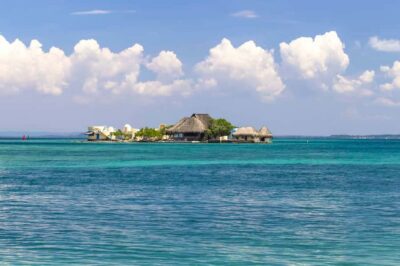
Rosario Islands Catamaran with Lunch and Snorkel
Read our review →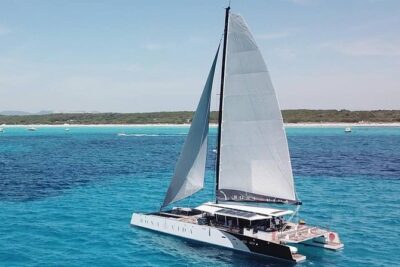
Excursion to the Rosario Islands with Lunch and Snorkeling
Read our review →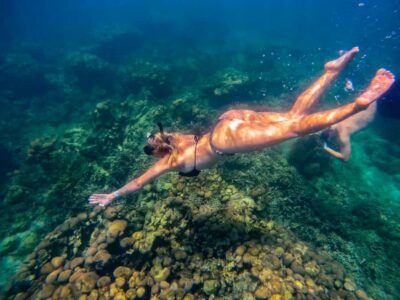


Palenque´s tour, dance show, lunch, pick-Up inclu
Read our review →
Tour to the Mud Volcano in Cartagena with Lunch
Read our review →

5 Island Tour with Lunch Snorkel in Cartagena Rosario Island
Read our review →Browse the lists this tour appears in