
Reviewed · MEDELLIN TOURS
Do Not Say That Name
Medellín’s difficult past is best understood alongside its remarkable recovery. This private tour connects the former Monaco site, a gravesite, San Antonio Park, and often Comuna 13, giving you a look at both the violence of the cartel years and the city’s effort to move beyond them.
I like the private transportation, which saves time in a sprawling mountain city, and the chance to have a bilingual guide shape the story around your group. I also like that the tour can reach beyond crime stories into Comuna 13, where escalators, murals, hip-hop culture, and cable-car access show how daily life changed.
The main caution is simple: the Escobar sights are limited. The Monaco building is gone, the famous ranch lies several hours outside Medellín, and the reported quality of guiding varies. Book this for context and conversation, not for a long parade of preserved cartel landmarks.
Key points to know before booking
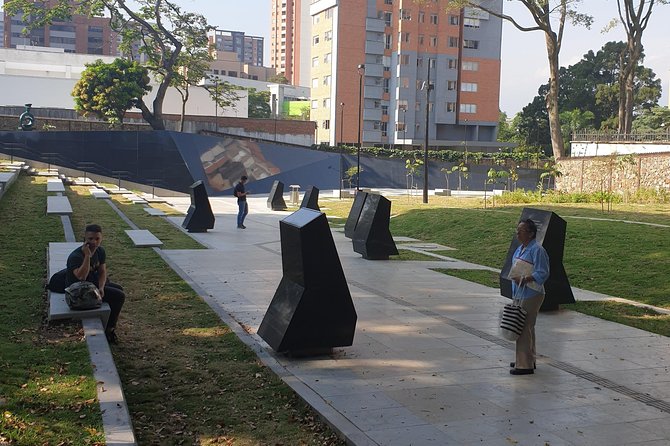
- The old Monaco site is now a memorial: Parque Conmemorativo Inflexión replaces the former building connected with violence and loss.
- Comuna 13 may be the strongest part: Some outings include its escalators, murals, local guide, and cable car, with far more to see than the gravesites alone.
- You get a private tour: Only your group participates, with private transportation and a bilingual guide.
- The subject is broader than television drama: The guide is meant to explain Medellín’s real history, not simply repeat scenes from Narcos.
- Guide quality matters: Juan Carlos and Hector received especially warm praise, while one outing with Nicolas Zapata was criticized for scattered explanations and weak English.
- The price buys convenience more than admission: At $78 per person, the value rests on private transport, interpretation, and how much of Comuna 13 is included.
The real subject is Medellín’s change
It is easy to approach this tour expecting a crime-themed sightseeing run. That can leave you disappointed. Much of the physical evidence has disappeared, and several famous locations are either gone, rebuilt, or far outside the city.
The stronger way to view the experience is as a Medellín history lesson. The tour links the years of fear with the public projects and neighborhood changes that followed. At its best, it explains how a city once associated worldwide with violence worked to create safer public spaces and better connections between hillside communities and the valley below.
I appreciate that balance. The subject is serious, and turning it into a collection of dramatic anecdotes would do Medellín no favors. A good guide should explain what the violence meant for ordinary people, then show you the places where the city chose a different path.
That said, your guide makes a large difference. Juan Carlos is described as warm and engaging, while Hector is praised for his pride in Medellín and his ability to broaden the day beyond cartel facts. Another outing led by Nicolas Zapata was criticized for short answers, weak chronology, and limited English. Since this is a private activity, ask for clear historical explanations at the start and say if you want more detail.
Other Medellin days worth booking alongside this:
- Medellin: Comuna 13 Graffiti Tour, Cable Car & Street Food
★ 4.8 · 9,046 reviews - Medellín: The Real Pablo Escobar Tour
★ 4.8 · 3,205 reviews - Medellín: Comuna 13 True Story and Street Food Tour
★ 4.9 · 1,779 reviews
Parque Conmemorativo Inflexión and the lost Monaco building
The first main stop is Parque Conmemorativo Inflexión, usually a quick 15-minute visit. It occupies the former site of Edificio Monaco, once associated with Pablo Escobar and the violence of the period.
The important detail is that you are not visiting the old building. The structure is gone. In its place is a public memorial space that treats the site as a place of pain and remembrance rather than a shrine to criminal glamour.
That change tells you plenty about the tour’s limits and its purpose. If you expect a preserved mansion, bullet holes, or rooms left untouched, you will not find them here. You will see a site that has been given a new meaning.
Use this stop to ask your guide what happened at the location, why the building was removed, and how Medellín wants to remember this period. The visit is brief, so a good explanation matters more than the physical stop itself.
The tour also refers to a shrine to the Virgin Mary, where pilgrims ask for miracles. The supplied details do not give a precise duration or location for this stop, so treat it as a short religious and cultural pause rather than a major sightseeing visit.
Jardines Montesacro Cemetery and the limits of the grave visit
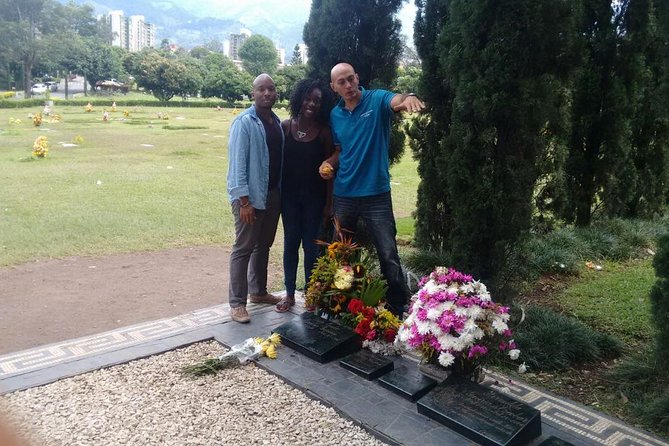
The cemetery stop lasts about 20 minutes and includes a visit to the grave. The setting gives the guide a chance to explain the people and events connected with the burial site, but do not expect a long cemetery walk.
The gravesite is visually modest compared with the drama surrounding the name. That is part of the lesson. A grave can prompt questions, but it cannot explain an entire era by itself. You need the guide to supply dates, connections, and the wider effects on Colombia.
One particularly useful detail is the mention of Griselda, known as the Black Widow, whose grave is also connected with the route. Her story can be fascinating, but the quality of the stop depends on whether the guide explains why she matters. On one poorly received outing, the guide gave only a brief label and little background. If that subject interests you, ask directly for the full context.
The cemetery is free to enter, as are the other listed stops. Still, free admission does not mean the visit has no value. You are paying for transport and interpretation. If the explanation is thin, the stop can feel like something you could have found on your own.
San Antonio Park and the turning point in the story
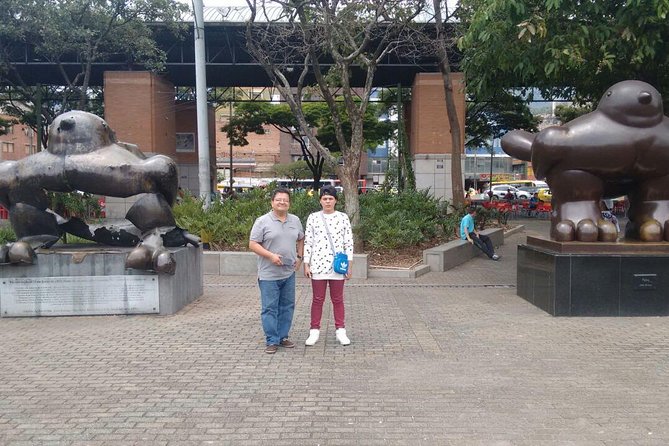
Parque San Antonio receives roughly 15 minutes. Here the guide explains the change in the war against Escobar and the city’s movement into a different period.
This is less about a single building and more about connecting events. San Antonio Park gives the tour a public setting in which to discuss how Medellín’s violence affected civic life, and how the city began to change its direction.
Again, the stop is short. You will get the most from it if your guide builds a clear timeline rather than presenting isolated facts. Ask what changed, who was affected, and how those changes reached neighborhoods beyond the central city.
I would not judge this stop by monuments alone. Its value is in the explanation. A guide who speaks with pride about Medellín can help you see the city as more than the cartel story that first drew many people to the tour.
Same city, a completely different kind of day:
- Medellín: Comuna 13 District Tour with Cable Car Ride
★ 4.8 · 1,467 reviews - Medellin: Coffee Tour with Transport, Snacks and Tastings
★ 4.7 · 1,357 reviews - From Medellín: Paragliding Tour with GoPro Photos & Videos
★ 4.9 · 1,210 reviews - Tour Guatapé
★ 5.0 · 865 reviews
Comuna 13, escalators, and the city’s newer story
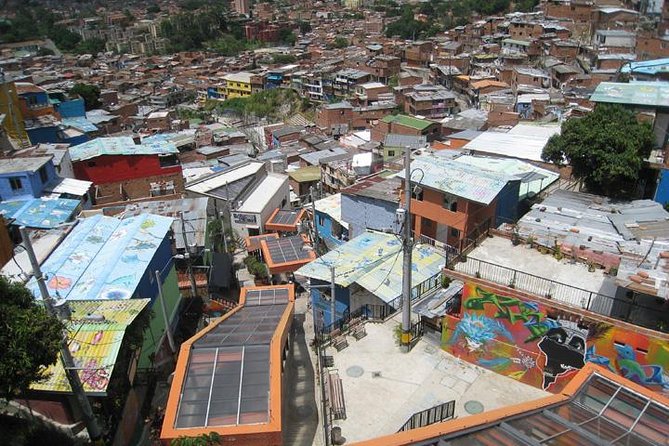
The most praised part of the experience is often Comuna 13. The formal stop list is brief, but several accounts describe visits to the neighborhood, its famous outdoor escalators, murals, and a cable car ride. Confirm the exact route when booking, since the supplied details do not promise every one of these additions for every departure.
Comuna 13 matters because it shows change at street level. You may ride the escalators upward and look across homes, murals, and narrow hillside spaces. The escalators are not just a photo stop. They changed how people could move through a steep neighborhood and helped connect residents with the rest of Medellín.
A local guide may join you here. That can add a personal voice, especially when the guide explains what life was like during the years of danger, how local rules and curfews affected residents, and why community projects mattered. The strongest accounts describe a guide who was proud of the neighborhood and eager to explain its social changes.
The weakest version of this visit is mostly a walk past murals, a slide honoring a murdered boy, and stops at places selling hats, food, shirts, or artwork. Those commercial pauses are not necessarily bad, but they should not replace the history. You are entitled to ask for the story behind the public works and the community’s recovery.
The cable car is another useful part of the day. Medellín’s cable system is public transportation, not merely a sightseeing ride. From the car, you can understand the city’s steep geography and see why hillside connections matter. One account found the ride especially revealing because it offered views into private homes and everyday life, rather than only postcard scenery.
If Comuna 13 and the cable car are central to your plans, ask two questions before you pay: Are both included in my departure, and how much time will we spend there? Those answers may determine whether the $78 price feels worthwhile.
What the private format changes
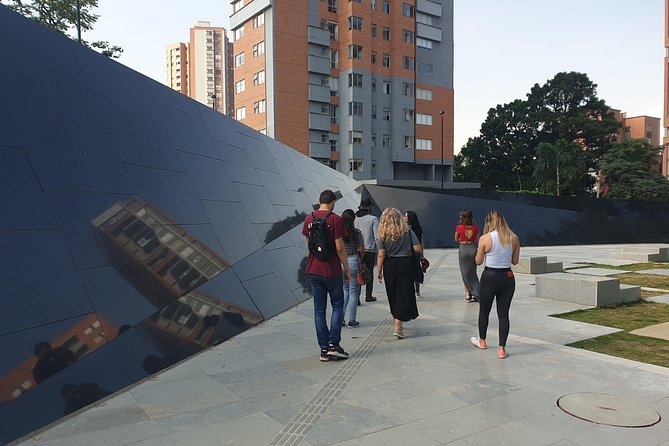
This is a private activity, so only your group participates. That gives you more control than a standard bus tour. You can ask for more detail at the cemetery, spend longer on the memorial, or tell the guide that Comuna 13 matters more to you than a quick photo stop.
Private transportation also helps. Medellín spreads through a narrow valley and climbs steep hillsides. Moving between several districts by private vehicle is easier than arranging each connection yourself, especially during a four-hour schedule.
The tradeoff is that a private tour does not automatically guarantee a private-quality explanation. The guide is still the heart of the experience. Bilingual service is included, but language ability can vary in practice. One outing was praised for very good English, while another was criticized because the guide struggled to understand questions and offered little detail.
I suggest giving your guide a clear brief at the beginning. Tell them if you want a serious historical discussion, a route focused on Comuna 13, or a lighter overview of Medellín. If you are traveling with teenagers who know the story from television, explain that you want fact-based history rather than a replay of the show.
Is $78 a fair price?
At $78 per person, the tour is not the cheapest way to see a gravesite and a memorial. Those stops are free, and the physical remains connected to the subject are limited.
The price makes more sense if you value a private vehicle, a bilingual guide, a flexible conversation, and the chance to combine several parts of Medellín in four hours. It can also be reasonable for a family or small group that would otherwise spend time arranging transport between distant neighborhoods.
The value drops if your outing includes only three quick stops and minimal explanation. A private guide who simply points out a grave, a house, and a neighborhood will not justify the cost for everyone. In that case, you may feel that you could have read the background and visited the places independently.
The strongest value comes when the tour explains the connection between violence and urban change. That means a proper account of the memorial, useful context at the cemetery, a clear explanation at San Antonio Park, and enough time in Comuna 13 to understand the neighborhood rather than shop there.
Who should book this experience?
I would recommend it to first-time visitors who want a compact introduction to Medellín’s recent past and present. It suits you if you want private transport, prefer asking direct questions, and are willing to treat the crime story as one part of a larger city story.
It is also a good match for fans of Narcos, as long as you understand that television is not a complete guide to reality. The tour can correct simplified ideas and show you how little of the old world remains physically intact.
Families with older children and teenagers may find the subject compelling, but parents should expect mature material about violence and loss. The tour is not described as a playful attraction, and its value depends on honest discussion.
I would be more cautious if your main goal is to see preserved Escobar properties. The Monaco building is gone, the ranch is a three-to-four-hour drive from Medellín, and the place associated with his death has been rebuilt. This tour cannot provide the kind of intact crime museum some people expect.
Practical details that affect your day
The experience lasts about four hours, with a morning or afternoon departure. That makes it easy to fit around other plans, though the schedule is fairly tight if Comuna 13 and the cable car are included.
Food and drinks are not included, so plan accordingly. Personal expenses are also yours, including anything you choose to buy during neighborhood stops.
Medical assistance is included, and most people can participate. The activity is near public transportation, but private transport is provided. Confirmation is sent at booking, and free cancellation is available if you cancel at least 24 hours before the local start time. A cancellation inside that window is not refundable, and late changes are not accepted.
Ask about the exact pickup and route details before departure. The supplied information confirms the main memorial, cemetery, and San Antonio stops, while the accounts of the outing also describe Comuna 13 and the cable car. A quick check can prevent a mismatch between the history tour you want and the route you receive.
Should you book it?
Book this tour if you want context, private transport, and a guide-led look at Medellín’s recovery, especially if Comuna 13 is included. The best guides, including Juan Carlos and Hector, appear to bring warmth, city pride, and a broader view that makes the day more meaningful.
Skip it if you want a long list of preserved cartel sites or a guaranteed, highly detailed lecture. The route contains several brief stops, and the experience depends heavily on the individual guide. Before confirming, ask who will guide you, how strong their English is, and whether Comuna 13 and the cable car are part of your specific departure.
FAQ
How long does the tour last?
The tour lasts approximately four hours.
How much does the tour cost?
The listed price is $78 per person.
Is this a private tour?
Yes. Only your group participates in the activity.
Is transportation included?
Yes. Private transportation is included.
Is a bilingual guide included?
Yes. A bilingual guide is included.
Are morning and afternoon departures available?
Yes. You can choose between a morning or afternoon tour.
What is the first main stop?
The first main stop is Parque Conmemorativo Inflexión, located on the former site of Edificio Monaco. The visit lasts about 15 minutes and has no admission charge.
Does the tour visit a cemetery?
Yes. The route includes Jardines Montesacro Cemetery, with a short grave visit lasting about 20 minutes. Admission is free.
Are food and drinks included?
No. Food and drinks are not included unless specifically stated. Personal expenses are also excluded.
Can I cancel for a full refund?
Yes, if you cancel at least 24 hours before the experience start time. Cancellations made less than 24 hours in advance are not refunded, and changes inside that period are not accepted.
Just added around Medellin
- City tour, Commune 13, Metro Cable, Botero Park and more. Private★ 5.0 · 34 reviews
- Aerial Hammocks, Zip and Waterfall Trek on Medellin Private Tour★ 5.0 · 39 reviews
- Commune 13, Graffitour street food. History.All inclusive★ 5.0 · 35 reviews
- Barrio transformation and urban escalator of Comuna 13★ 5.0 · 47 reviews
- Walking tour downtown Medellín★ 5.0 · 39 reviews
- Hiking Mountains and Magical Forests★ 5.0 · 27 reviews
- Tour to the Hacienda Nápoles Theme Park★ 4.0 · 22 reviews
- Tour Santa Fe de Antioquia★ 5.0 · 46 reviews
Medellin Tours, compared.
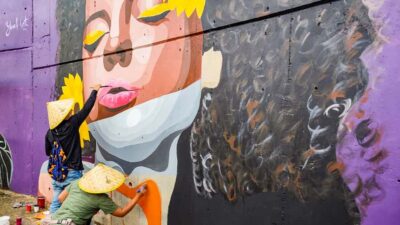
Comuna 13 Graffiti Tour, Cable Car & Street Food
Read our review →

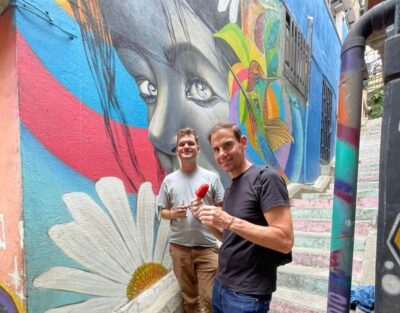
Coffee Tour with Transport, Snacks and Tastings
Read our review →
Browse the lists this tour appears in