
Reviewed · SAN BASILIO DE PALENQUE TOURS
Cartagena: Palenque Tour and Road to Emancipation
San Basilio de Palenque is more than a day trip from Cartagena. It is a living African-Colombian community with its own language, music, food, and traditions, shaped over more than 400 years. I like that the tour puts local people at the center, from the dancers and drummers to the herbal healer and apprentice guide Damaso.
I also like the honest treatment of slavery, resistance, and freedom, along with the delicious Palenquero lunch. The main drawback is the long pickup route and drive. With hotel pickups spread across Cartagena, the six-hour estimate can stretch beyond seven hours, and the vehicle may not be the smoothest ride.
Key points to know before you book
- San Basilio de Palenque is a living community: You visit the town square, museum house, Palenque Viejo, traditional medicine site, and the home of folkloric rap group Kombilesa Mi.
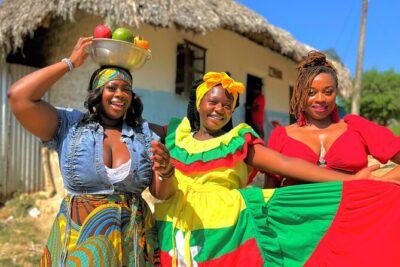
- Local culture leads the visit: You meet dancers, musicians, artisans, and people who carry Palenque traditions forward.
- Music is hands-on: The dance show includes traditional steps, drumming, and a chance for you to join in.
- The history is direct and serious: The guide explains slavery, resistance, emancipation, and the story of the first free people of the Americas.
- Lunch is part of the experience: You finish with a typical Palenquero meal, with fish and chicken among the choices mentioned by participants.
- Plan for heat and time: Bring sunscreen, comfortable shoes, patience for hotel pickups, and money for tips or purchases in the community.
Why San Basilio de Palenque matters
San Basilio de Palenque, in Bolívar Department, is often described as a little corner of Africa in Colombia. That phrase is useful only if you understand that this is not a staged theme park or a museum frozen in time. It is a town where African ancestry remains part of daily life.
The community has kept a marked identity for more than four centuries. Its language has Bantu roots connected with Guinea and Congo, and its music, food, dance, and healing practices have been passed down within the town.
Your visit gives you a chance to hear some words in the local Bantu-based language from a native guide. This small language lesson matters because it shows that Palenque culture is not only about costumes and performances. Language is one of the clearest signs of survival.
The story also carries painful parts. Guides discuss slavery with honesty, then connect that past with the community’s struggle to protect its identity and freedom. I value that balance. You are not given a simple tale of hardship followed by a cheerful dance show. You are shown how history continues through music, family, language, and local pride.
More San Basilio de Palenque Tours in Cartagena:
- Cartagena: Palenque´s tour, dance show, lunch, pick-Up inclu
★ 4.7 · 182 reviews - Tour a san Basilio de Palenque desde cartagena
★ 5.0 · 123 reviews - Mud Volcano and Palenque Cultural Experience
★ 5.0 · 61 reviews
The drive from Cartagena and the pickup routine
The tour lasts about six hours on paper, though several schedules have run longer than seven hours. The drive to the town takes a little over an hour in normal conditions, but your morning begins with pickups.
Pickup from the historic center is at 8:00 a.m. at the Clock Tower. If you stay in Bocagrande, Castillo Grande, or Laguito, pickup is listed between 8:20 and 8:45 a.m. Pickup for Marbella, Cabrero, Crespo, Cielo Mar, the northern zone, and Manzanillo del Mar is listed between 8:50 and 9:30 a.m.
Those staying in Manga or on Barú Island must meet at the Clock Tower at 8:00 a.m. Confirm your exact meeting point and time before the morning of the tour, since the route covers a wide section of Cartagena.
The air-conditioned vehicle is a real help in Bolívar’s heat. The service includes private transportation and bottled water, though the ride quality may vary. One participant described an older van that broke down on the return trip and needed passengers to help restart it. Another found the van comfortable enough but wished the air conditioning and suspension were stronger.
That is not a reason to dismiss the tour, but it is a fair warning. You are choosing an important cultural visit, not a luxury transfer. Hotel pickups can also add a surprising amount of time. I would avoid scheduling a flight, spa appointment, or tightly timed activity soon after your return.
Your first look at Palenquito
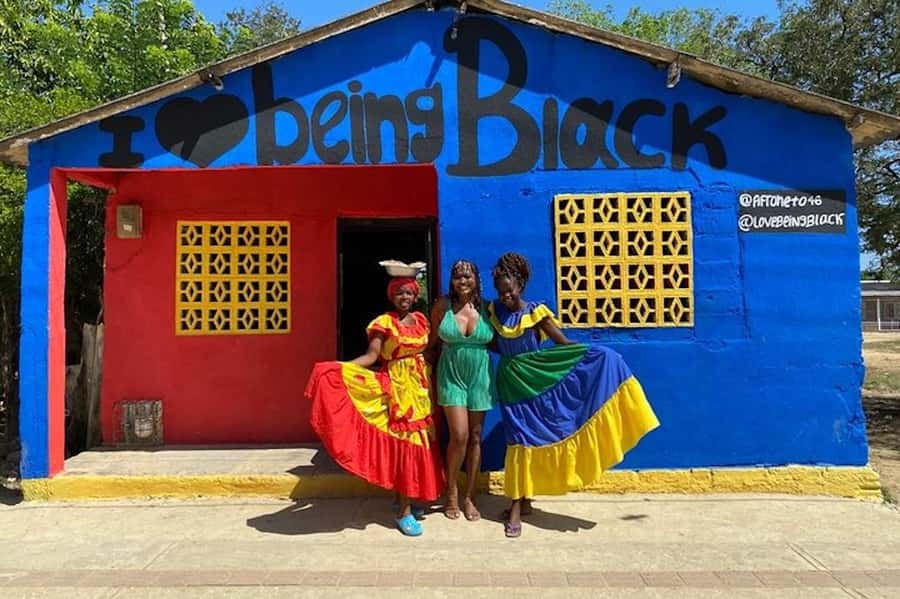
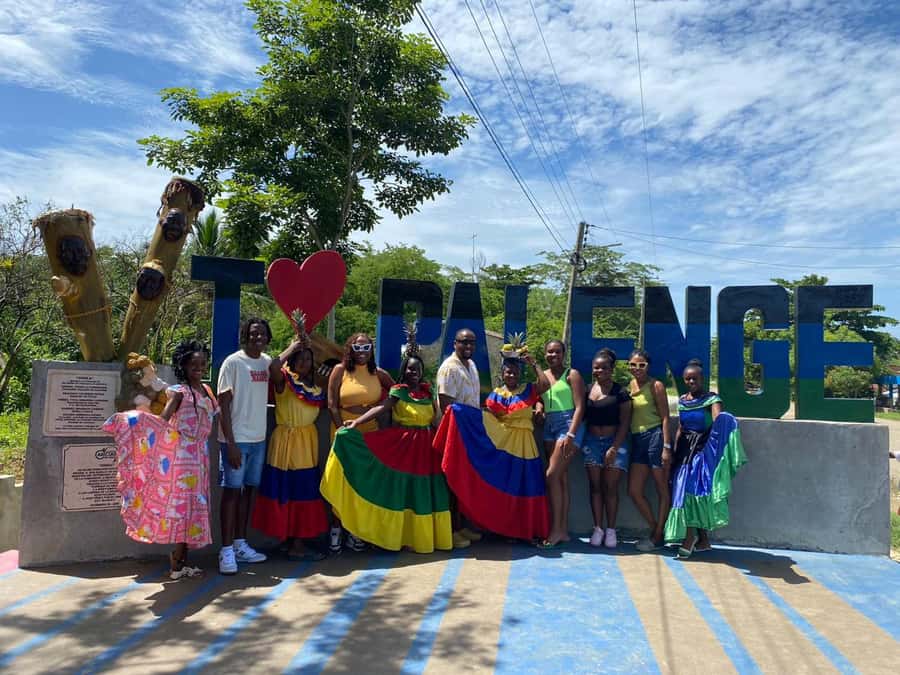
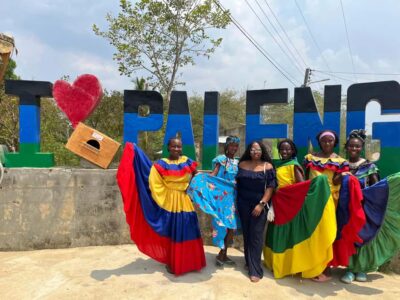
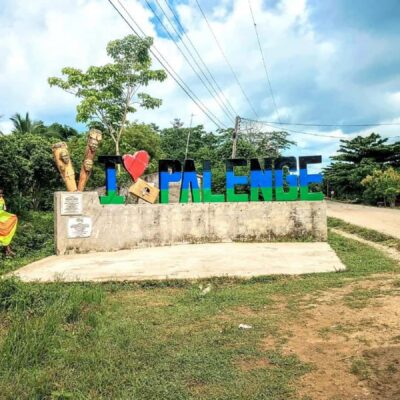
On the way, the vehicle stops briefly in Palenquito, near María La Baja, for photographs beside the Yo Amo a Palenque letters. The stop lasts about five minutes.
This is a small photo break, not a major part of the visit. It gives you a quick souvenir image and a chance to stretch before reaching San Basilio de Palenque. Keep your expectations modest. The real value begins once you arrive in the town itself.
The town square and Palenque’s public face
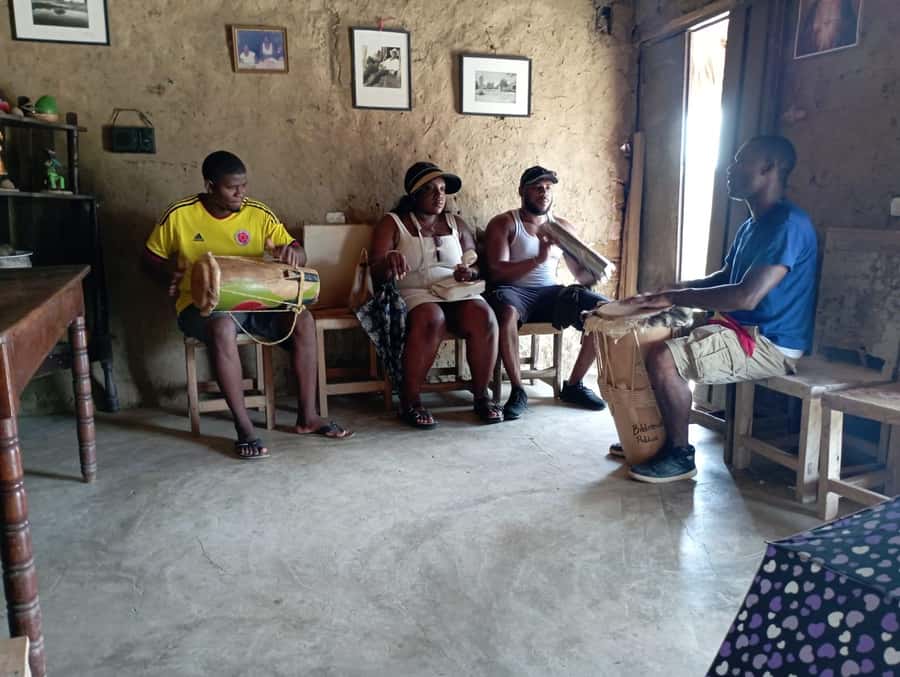
The visit to San Basilio de Palenque begins around the town square. This is a useful place to get your bearings and see how the community presents itself through murals, gathering spaces, and local activity.
Guide Romeo is praised for making the history clear and keeping the day moving. Other guides named during the tour include Damaso, a local apprentice guide, and Daison Batista Marimon. Depending on the departure, you may have a different bilingual guide, but the format remains focused on translation and local introductions.
A good guide matters here. You need someone who can explain the wider Colombian setting while also allowing local voices to speak for themselves. Romeo has been described as friendly, funny, and strong at translating between visitors and people in the town. You may also meet local guides who know the community personally and can point out details that a guide from Cartagena would miss.
Expect a warm welcome, but remember that you are entering someone’s home community. Ask before photographing people, especially during personal conversations or demonstrations. Bring small cash for tips if you appreciate a performance, explanation, or lesson.
Same city, a completely different kind of day:
- Cartagena: Historic Center and Getsemaní Shared Walking Tour
★ 4.9 · 2,716 reviews - Cartagena: Rosario Islands Catamaran with Lunch and Snorkel
★ 4.5 · 2,479 reviews - Full-Day Rosario Islands Including Barú, Bocachica & Playa Blanca
★ 4.0 · 1,729 reviews - Cartagena de Indias: 2-Hour Sunset Cruise
★ 4.7 · 1,105 reviews
Kombilesa Mi and the sound of modern Palenque
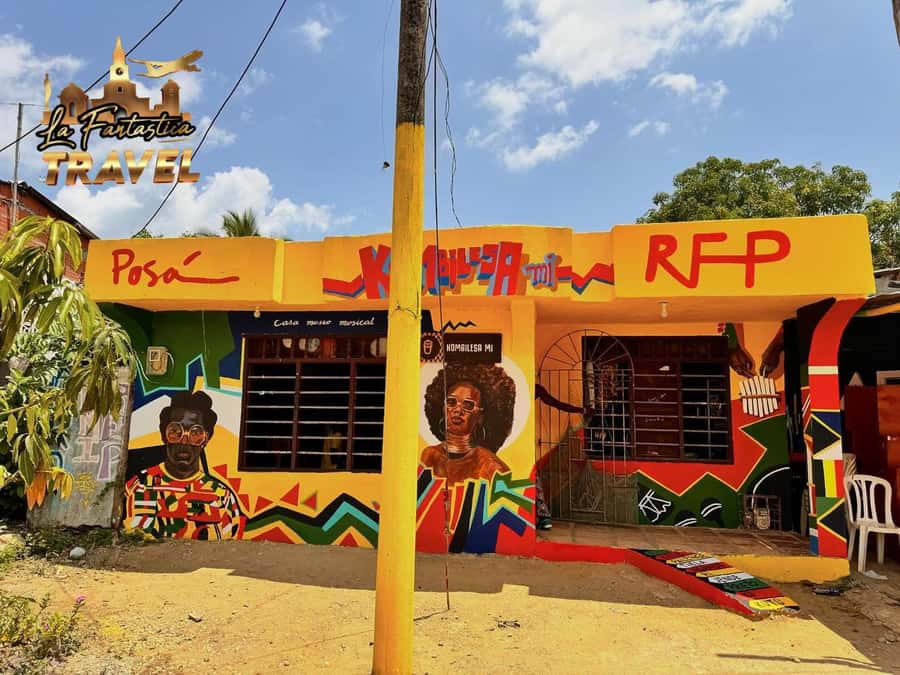
One stop is the house of Kombilesa Mi, a folkloric rap group from Palenque. This is one of the tour’s most interesting details because it links older traditions with present-day expression.
Palenque is not presented as a place that only looks backward. The group uses music to carry local history and identity into a modern form. The visit helps you see that cultural preservation can include rap, not only drums, dances, and oral storytelling.
The stop may be especially meaningful if you want to understand how young people relate to their heritage. One of the strongest moments described about the tour was seeing the joy and energy of young people in the community. That matters. A culture is alive when the next generation is making use of it, not just repeating it for an audience.
Museum house and Palenque Viejo
The museum house gives the historical story a physical setting. Here you learn more about the community’s African roots, resistance, and long effort to maintain its identity.
Palenque Viejo adds another layer. The name points to the older settlement and the history behind the present town. Your guide connects the places you see with the broader story of people who created free communities away from colonial control.
This portion can feel serious, and it should. The tour deals with slavery and emancipation without brushing past the violence involved. If you are looking for nothing but a light cultural outing, the subject matter may feel heavier than expected. If you want to understand Cartagena beyond its walls and colonial streets, this is precisely the point.
The guides also translate local explanations into English when needed. The tour is offered in Spanish and English, so you do not need to speak Spanish to follow the main story. Still, learning a few words from a native speaker adds something that translation alone cannot provide.
Traditional medicine and local knowledge
The traditional medicine stop introduces practices passed through generations. A local herbalist or curandero explains the place of plants, remedies, and healing knowledge within the community.
This is not simply an unusual stop to fill the itinerary. It shows how heritage survives in practical form. Food, dance, language, and medicine all depend on people remembering what earlier generations taught them.
You may want to ask respectful questions and listen carefully. The point is not to treat the presentation as a shop for miracle cures. It is a chance to understand how community knowledge is valued and handed on.
Some people have wished they could buy herbal preparations or local products afterward. Souvenir options are not guaranteed, and the schedule may not leave much time for shopping. If you hope to take something home, ask your guide early rather than waiting until the final minutes.
The dance show, drums, and your turn to join
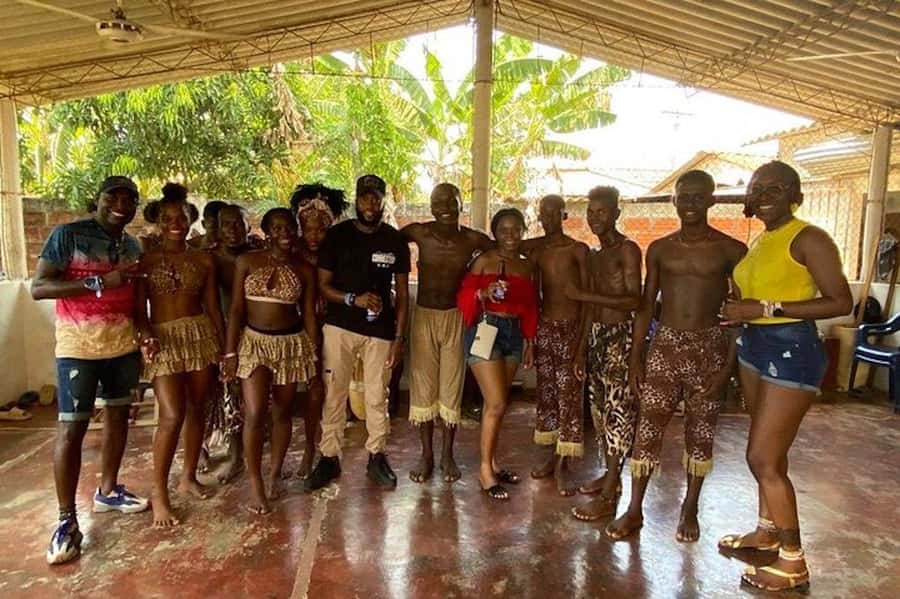
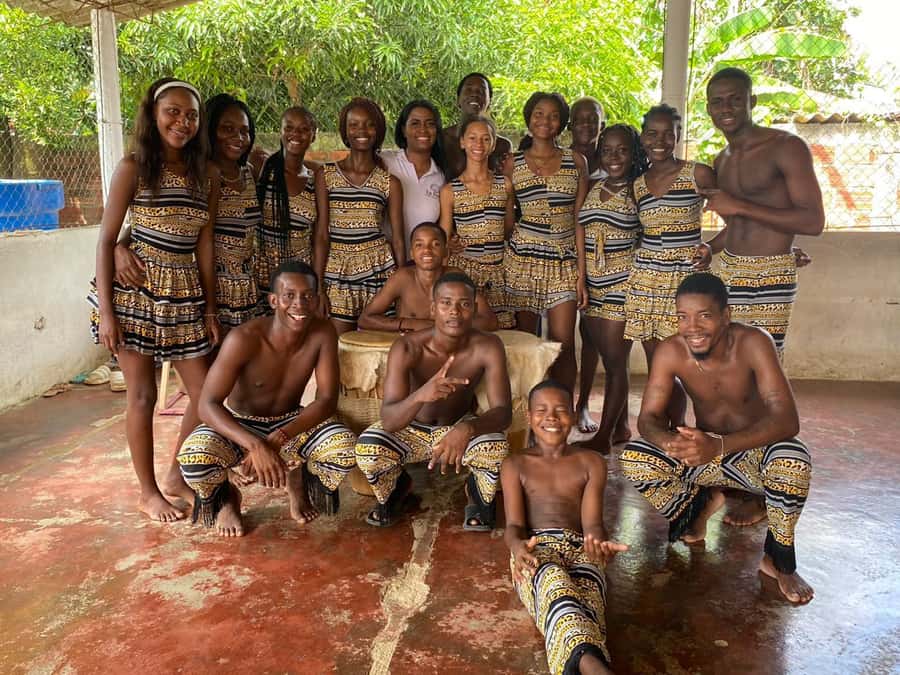
The cultural performance is one of the tour’s most praised parts. Local dancers perform traditional dances, then invite you to learn steps and join the activity. You also have the chance to play drums.
This is participatory rather than purely theatrical. You are not expected to perform perfectly. Bring energy, a sense of humor, and clothes that let you move comfortably. The experience works best when you take part instead of standing back with a camera.
Music carries memory in Palenque. The rhythm, movement, and call-and-response style help explain the culture in a way that a lecture cannot. You feel the connection between history and daily life when the same traditions are performed, taught, and enjoyed by young people.
Birthday celebrations have also become memorable moments during the visit. Some participants have been serenaded with Happy Birthday and even received a small gift. That is not something you should expect or request, but it shows the personal warmth that can develop during the day.
You should also plan to tip performers and local presenters if you can. Tips are not listed as part of the price, but they are a fair way to recognize the time and skill involved.
A typical Palenquero lunch
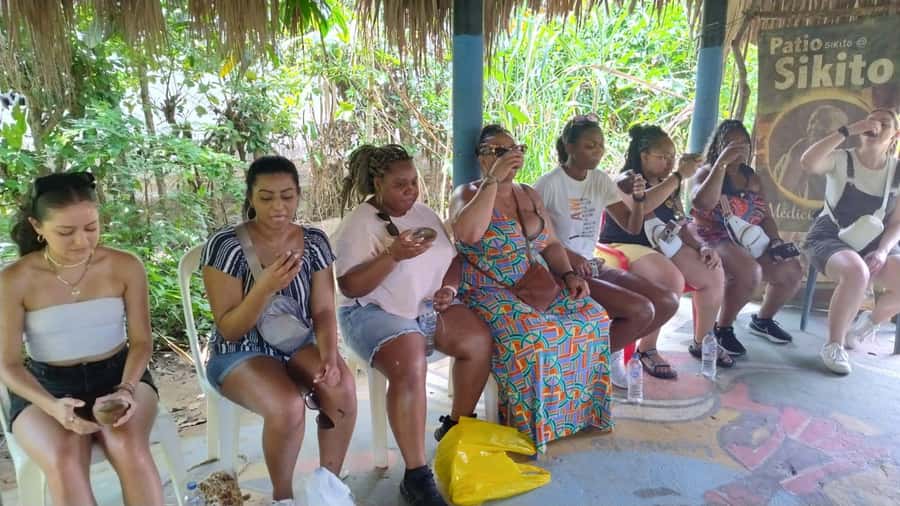
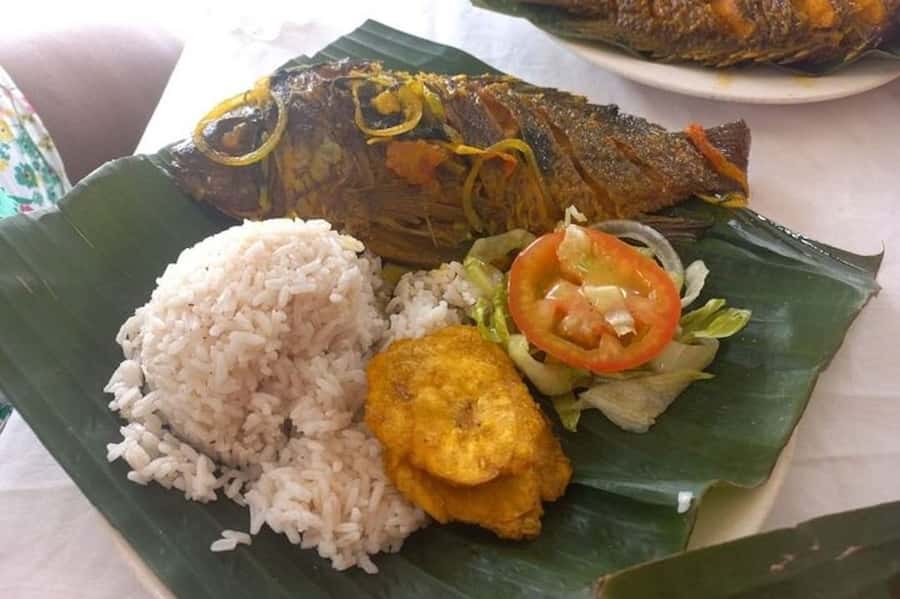
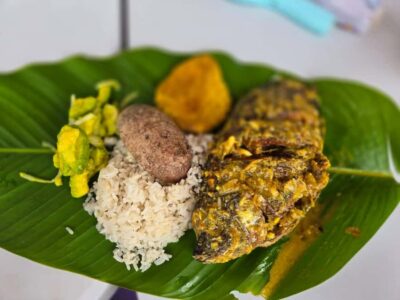
Lunch is included, and it is one of the tour’s strongest practical advantages. You finish the visit with a typical Palenquero dish rather than returning to Cartagena hungry after a morning in the heat.
Fish cooked in coconut milk and chicken have both been available. The food has received especially strong praise, and one meal was described as some of the best food the person had eaten. A sugar cane drink has also been enjoyed during lunch.
The exact menu may vary, so do not book this expecting a fixed restaurant menu. You are eating as part of a local cultural visit, and the meal is a useful extension of the tour’s focus on native food.
If you are interested in local fruit, drinks, or packaged products, ask about purchasing them. These extras are not guaranteed, and the short schedule may limit your options. The included bottled water is helpful, but you should still bring extra water if you know you drink a lot in hot weather.
What the $108 price really covers
At $108 per person, this is not a cheap half-day outing. The price includes air-conditioned transportation, pickup, a bilingual guide, bottled water, the dance show, and lunch.
The value depends on what you want from Cartagena. If your main goal is a quick photo stop, the cost and long drive will feel high. If you want local history explained in English, direct contact with Palenque residents, a performance, participation in music and dance, and a meal, the package makes more sense.
You are also paying for coordination. Reaching San Basilio de Palenque independently would require arranging transportation and finding someone to explain the town’s history and cultural sites. This tour brings together several local encounters in one morning.
The main value is not the number of stops. It is the access to people who carry the traditions. Damaso’s connection to the town, the local dancers, the herbalist, and the musicians give the visit a human focus. That is why I think the price is easier to justify for people who care about history, African heritage, and community culture.
The one caution is that the vehicle and long pickup route may not match the price you associate with a premium tour. You are buying content and access, not first-class transport.
Who should book this Cartagena day trip
I would choose this tour if you want to understand Cartagena’s African roots beyond the old city. It suits people interested in slavery and emancipation, music, language, food, dance, and the history of the African diaspora.
It is also a strong choice for families with older children or teenagers who learn better through movement and conversation than through a formal museum visit. The dance and drumming create an easy way into serious history.
People of African descent may find the visit especially meaningful because it offers a direct connection with a community that preserved African cultural elements in the Americas. But you do not need that background to appreciate the town. The guides explain the setting and welcome questions.
I would think twice if you dislike long drives, group pickups, heat, or participatory performances. You should also avoid booking it on a day when you need to reach the airport or another fixed appointment. The experience is best when you allow the schedule to breathe.
Practical tips for a better day
- Meet at the Clock Tower if your accommodation is in the historic center, Manga, or Barú, and arrive early.
- Confirm your pickup window the evening before.
- Wear light, comfortable clothes and shoes suitable for walking and dancing.
- Bring sunscreen, extra water, and a hat or umbrella. Umbrellas have been provided when available, but do not rely on that.
- Carry small cash for tips and possible local purchases.
- Ask permission before taking portraits.
- Be ready to participate in the dance and drum session.
- Keep your return schedule open because pickups, traffic, and vehicle delays can extend the day.
- If you speak French, ask about guide availability, as one guide has been able to communicate in some French.
- Remember that the tour is about meeting a community, not collecting photos of it.
Should you book the Road to Emancipation tour?
Book it if you want one of Cartagena’s most meaningful cultural excursions and can accept a long day in a basic vehicle. The strongest parts are the local guides, candid history, music and dance, traditional medicine, and excellent lunch.
Skip it if you want a polished luxury tour, a short transfer, or a tightly controlled schedule. For everyone else, the $108 cost is reasonable because it combines transport, translation, local encounters, a performance, and food in a place that is difficult to understand through a quick independent visit.
The best reason to go is simple: San Basilio de Palenque gives you a different view of Colombia, one built around African survival, freedom, creativity, and community pride. Go with patience, respect, and enough energy to dance.
FAQ
How long does the Palenque tour take?
The stated duration is six hours. The actual day can run longer than seven hours because of hotel pickups, traffic, and possible delays.
What time does pickup begin?
Pickup from the historic center is at 8:00 a.m. at the Clock Tower. Pickup from Bocagrande, Castillo Grande, and Laguito is listed between 8:20 and 8:45 a.m.
Where is pickup available?
Pickup is available for the historic center, Bocagrande, Castillo Grande, Laguito, Marbella, Cabrero, Crespo, Cielo Mar, the northern zone, and Manzanillo del Mar. Visitors staying in Manga or on Barú Island must go to the Clock Tower at 8:00 a.m.
What languages are offered?
The tour is available in Spanish and English with a native bilingual guide.
Is lunch included?
Yes. Lunch is included, and the meal is a typical Palenquero dish. Fish and chicken have been available on some departures.
Is the dance show included?
Yes. The tour includes a traditional dance show, and you can learn dance steps and play drums.
Can I participate in the dancing?
Yes. The show includes an invitation for you to join the dancers and learn traditional steps.
What places do I visit in San Basilio de Palenque?
The route includes the town square, the house of folkloric rap group Kombilesa Mi, the museum house, Palenque Viejo, and a traditional medicine stop.
Does the tour stop for photographs?
Yes. There is a five-minute stop in Palenquito to take pictures beside the Yo Amo a Palenque letters.
Is transportation included?
Yes. Air-conditioned private transportation, hotel pickup in listed areas, and bottled water are included.
Can I cancel the booking?
You can cancel up to 24 hours in advance for a full refund. The reserve-now, pay-later option lets you book without paying immediately.
Just added around Cartagena
- Shared Old Cartagena & Getsemani Tour with Wireless System★ 4.4 · 8 reviews
- Cartagena: Scuba Diving Day Trip at Playa Blanca with Lunch★ 4.0 · 22 reviews
- Scenic Horseback Ride in Tropical Mountain Reserve★ 5.0 · 4 reviews
- San Felipe Castle and Getsemani Walking Tour with tickets★ 4.3 · 27 reviews
- San Basilio de Palenque Private Day Tour★ 4.2 · 4 reviews
- Cartagena: Rosario Islands Private Boat Tour★ 4.8 · 3 reviews
- Rosario Islands -Barú : Agua Azul Beach, with lunch★ 4.0 · 8 reviews
- Mud Volcano Tour in Cartagena with Lunch★ 3.4 · 3 reviews
San Basilio de Palenque Tours, compared.
Palenque´s tour, dance show, lunch, pick-Up inclu
Read our review →
Tour a san Basilio de Palenque desde cartagena
Read our review →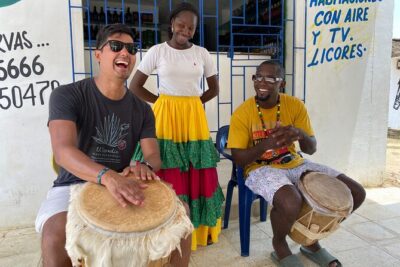
Visit Palenque with natives : history, culture and ancestral legacy
Read our review →

Browse the lists this tour appears in