
Reviewed · MEDELLIN TOURS
Medellín: Guided Exotic Fruits Tour
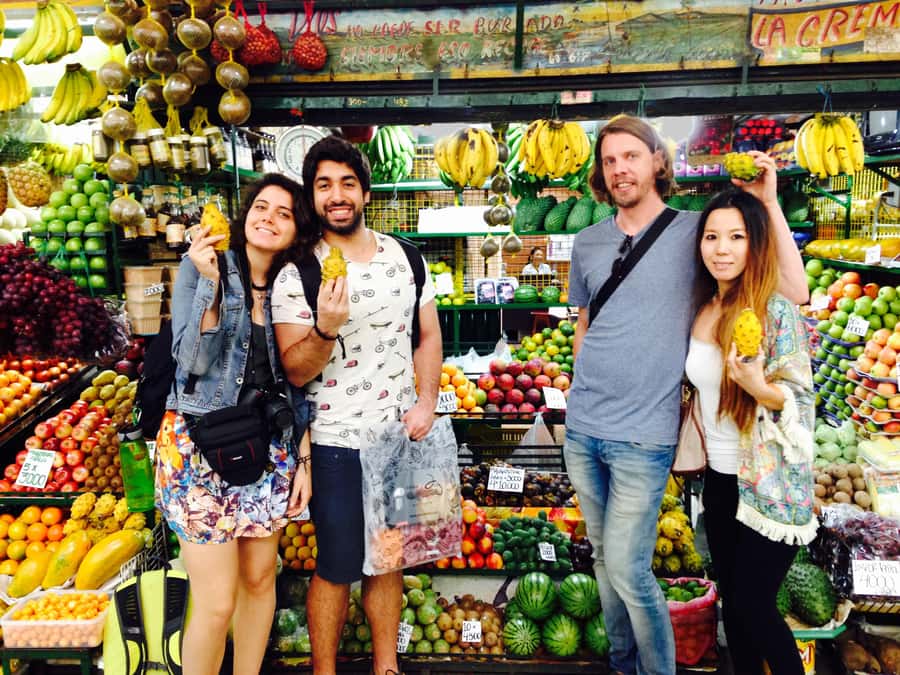
Medellín’s Minorista Market is the real attraction here. Instead of seeing Colombian fruit lined up for tourists, you walk through a working market where local vendors sell it every day. Your guide turns unfamiliar shapes, colors, and smells into an easy tasting lesson, often covering 13 to 30 fruits depending on the group and the pace.
I like the small groups of six or fewer, which make it easier to ask questions and keep close in the market. I also like the fresh juice and the chance to learn how to choose ripe fruit, not just swallow samples. The main drawback is the meeting point: Minorista has several entrances, and you need to use the exact one by the pedestrian bridge.
Key points to know before you go
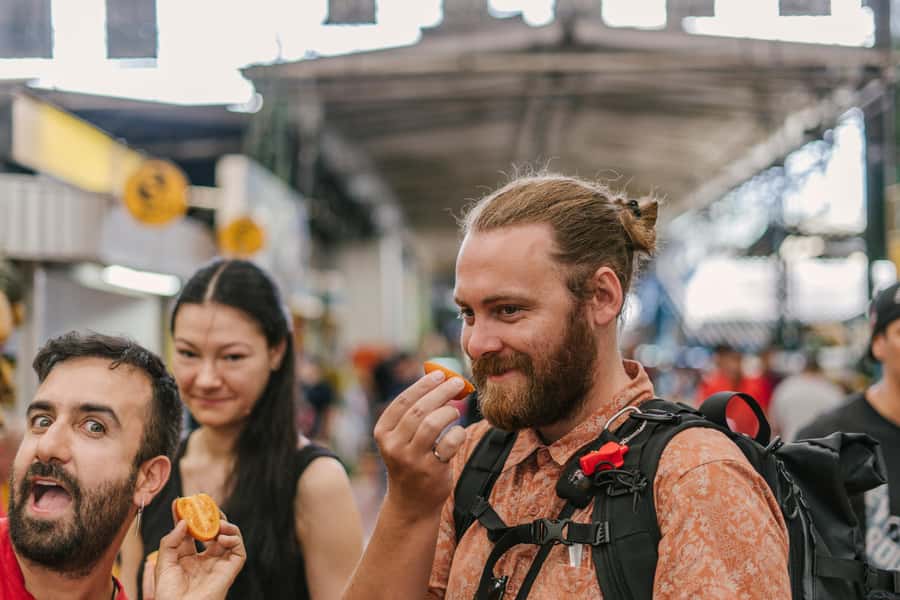
- Taste far more than the usual tourist fruits: Past guests have tried between 13 and 30 varieties, including fruit they had never seen before.
- A guide makes Minorista approachable: Sofia, Diana, David, and German are frequently praised for clear explanations, humor, and friendly help.
- The market is part of the lesson: You see everyday buying and selling, meet vendors, and hear how fruit connects with Colombian life.
- Fresh juice is included: Your guide has a juice prepared during the visit, along with all fruit samples.
- Plan for moderate walking: Wear comfortable shoes, bring water, and leave the stroller behind.
- Meet at the right entrance: Ask your Uber for Aqui paro lucho restaurante, but meet at the nearby main pedestrian entrance, not at the restaurant.
Why Minorista Market makes this more than a fruit tasting
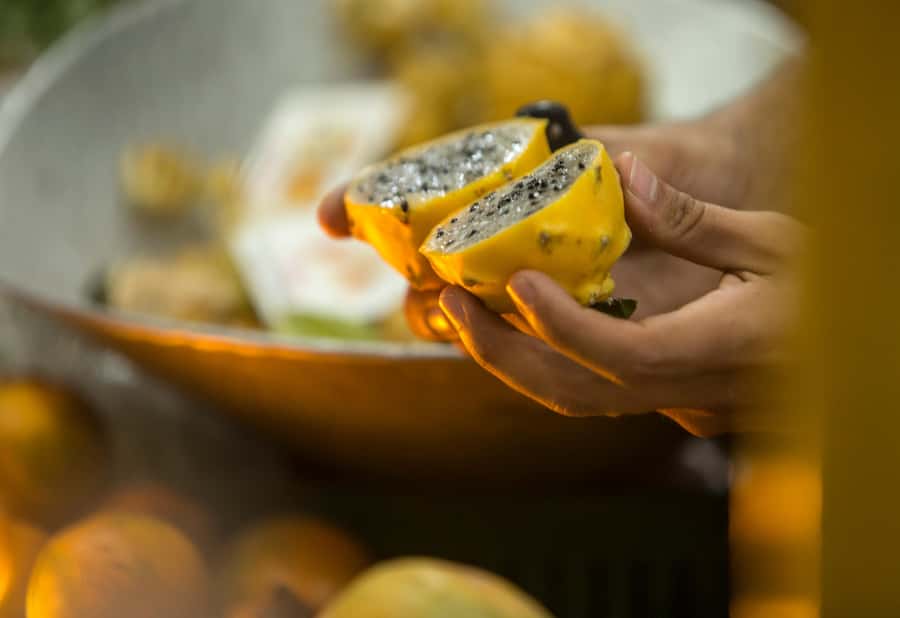
I like food tours that explain where a dish or ingredient belongs in daily life. This one does that with fruit. Minorista Market is a working food market in Antioquia, and the tour takes you into the ordinary flow of shopping rather than a polished tasting room.
That difference matters. You see fruit beside vegetables and other market goods, watch vendors handle their produce, and hear stories tied to Colombian habits, celebrations, and family life. The guide also has a relationship with the sellers, which helps the visit feel natural. You are not simply shown a tray of cut fruit with a memorized list of names.
The market can feel intimidating if you do not speak much Spanish or have not visited a large Colombian market before. An English-speaking guide gives you a clear way in. You can focus on the food while the guide handles questions, introductions, and explanations.
The setting is not quiet or formal. You will be walking, stopping at stalls, listening to vendors, and tasting as you go. That is part of the appeal, but you should not expect a seated culinary class or a spotless studio kitchen.
A few more Medellin trips to weigh up
- Medellín: Comuna 13 and Graffiti Guided Tour with a Local
★ 4.9 · 239 reviews - Medellin: Full Day Guided City Highlights Tour
★ 4.8 · 204 reviews - Medellín: Pablo Escobar Tour with Guide and Transportation
★ 4.1 · 71 reviews
What the 150-minute visit is like
The advertised duration is about 2.5 hours, or 150 minutes. Actual timing can stretch longer. One family described a visit of about three hours while trying roughly 20 to 30 fruits, so the pace depends on the group, the guide, and what is available at the stalls that day.
You begin at the main pedestrian entrance of Minorista Market. The guide wears a red company shirt, making the meeting easier once you are in the right place. Since the market has several entrances, do not rely on a general search for Plaza Minorista. Look for the entrance near the pedestrian bridge.
From there, the guide leads you through market sections and introduces the fruit stalls. The exact selection is not fixed in the information provided, and that is useful rather than disappointing. Seasonal supply and stall availability can shape the tasting, so you get a look at what is being sold locally that day.
Expect the fruit to be cut and explained as you go. You may learn how to judge ripeness, how a fruit tastes, what its texture is like, and how people use it. Some samples are sweet and juicy, others may be sour, firm, creamy, or unfamiliar. The point is not to decide that every fruit is your new favorite. It is to understand a much wider range of Colombian produce.
The number of tastings varies. One person tried 13 fruits, another 17, and another group reached 20 to 30. Some groups also sampled extra juices or a small corn snack. The included element is all fruit tasted during the tour, plus one fresh juice, but the exact menu should be treated as flexible.
You also have opportunities to ask about other produce you notice. Guides such as Diana and Sofia have been praised for answering questions about fruits beyond the formal tasting list. That makes the experience useful for the rest of your trip, especially if you want to return to a market or fruit stand on your own.
The fruit lesson: names, textures, and buying advice
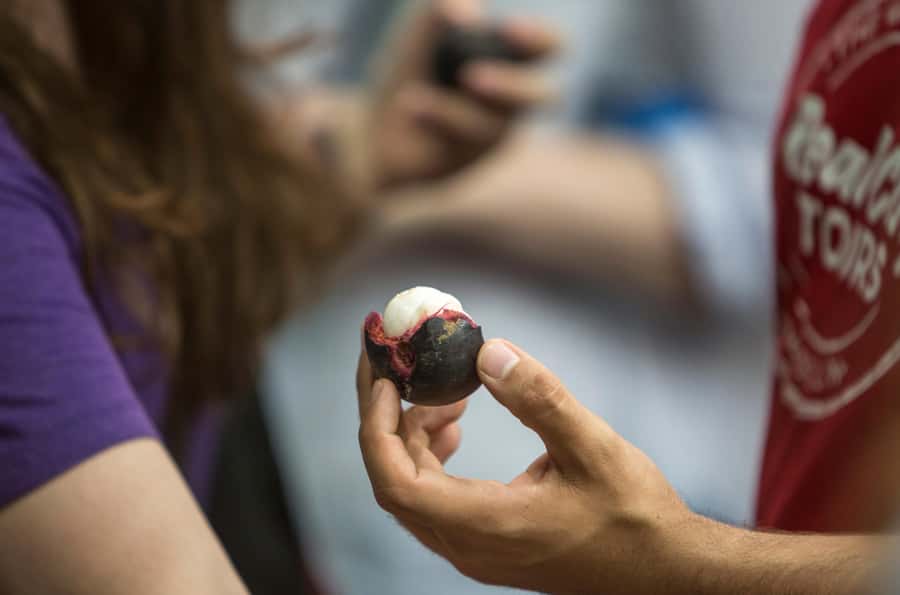
The best part for me is that the guide does not stop at naming the fruit. You learn what to look for when buying it. A fruit can look perfect and still be underripe, or it can have a soft skin that is exactly what you want.
This practical information is easy to miss when you shop alone. A guide can explain how locals recognize a good specimen and how different fruit is used at home. One guide even carried small cards with the names and details of the fruit, allowing you to photograph the cards beside the samples. That is a smart touch if you want to remember what to seek out later.
The tasting also gives you a useful vocabulary for flavor. You may find yourself comparing sweet and sour fruit, thick and watery textures, or fruit that is best eaten with a spoon rather than sliced like an apple. You do not need to be a food expert. Curiosity is enough.
The guides are a major part of the experience. Sofia is repeatedly described as funny, generous, and ready with an answer. Diana is praised for explaining both the fruit and its connection to Colombian culture, while David has been described as personable and informative. German has led tastings that included 17 different fruits and a juice.
Those names are useful when you book, but guide assignment can change. The consistent pattern is an English-speaking guide in a red shirt, not a guarantee that you will receive a particular person.
Meeting vendors and seeing daily market life
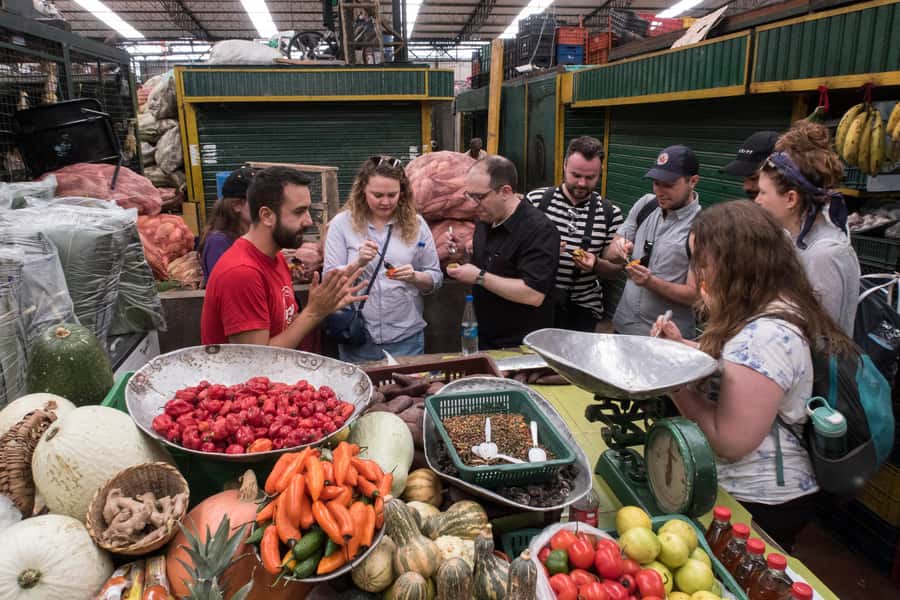
The vendor encounters give the tasting a human side. Your guide introduces the people behind the stalls and explains where the fruit comes from and why it matters. You are seeing a place where people shop and work, not a set built for a tour.
That can be one of the most valuable two hours in Medellín for visitors who want more than major sights. The market shows a practical side of the city, and the fruit provides an easy way to talk about it. You might hear about traditions, celebrations, local eating habits, or the role of particular produce in Colombian homes.
The guide’s connection with vendors also affects the pace. A warm introduction can make a stop feel like a conversation instead of a transaction. It helps you ask questions without hovering awkwardly around a stall.
This is still a market, so conditions can be lively and crowded. You should keep your belongings secure, stay with the group, and follow the guide’s directions. One person specifically advised being dropped at the front of the market and not wandering across the bridge into a less comfortable area. The practical lesson is simple: arrive at the stated entrance and leave from there.
Same city, a completely different kind of day:
- Medellin: Comuna 13 Graffiti Tour, Cable Car & Street Food
★ 4.8 · 9,046 reviews - Medellín: The Real Pablo Escobar Tour
★ 4.8 · 3,205 reviews - Medellín: Comuna 13 True Story and Street Food Tour
★ 4.9 · 1,779 reviews - Medellín: Comuna 13 District Tour with Cable Car Ride
★ 4.8 · 1,467 reviews
Fresh juice and time to buy more fruit
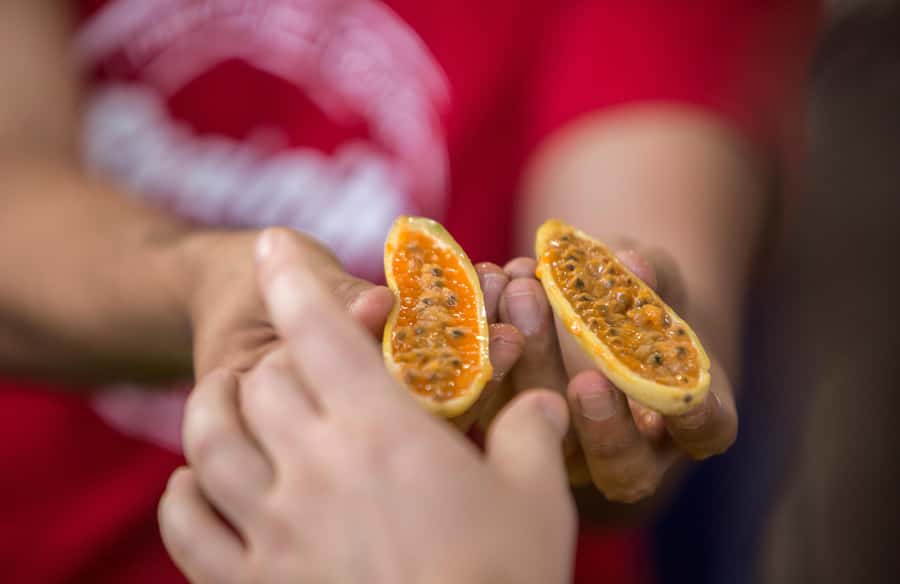
The fresh juice is included and prepared during the visit. It gives you a break from tasting fruit one piece at a time and shows how local produce becomes a drink. Since the juice is made fresh, it also adds a preparation element rather than being another packaged sample.
All fruit tasted is included in the price. If you discover a favorite, you may also have a little time to buy more from the stalls before leaving. That extra shopping opportunity is not the main promise of the tour, but it is a useful bonus. Several people found new favorites and wanted to take fruit back to their hotel.
Bring water. The tasting includes juice, but it does not replace your own drink during 150 minutes of walking and sampling. A camera is also worthwhile, especially if the guide uses identification cards beside the fruit.
Ask about allergies or dietary restrictions when booking. The operator specifically requests this information in advance. The tour is about tasting, so it is better to clarify what you can eat before the group starts moving through the stalls.
Small groups, language, and accessibility
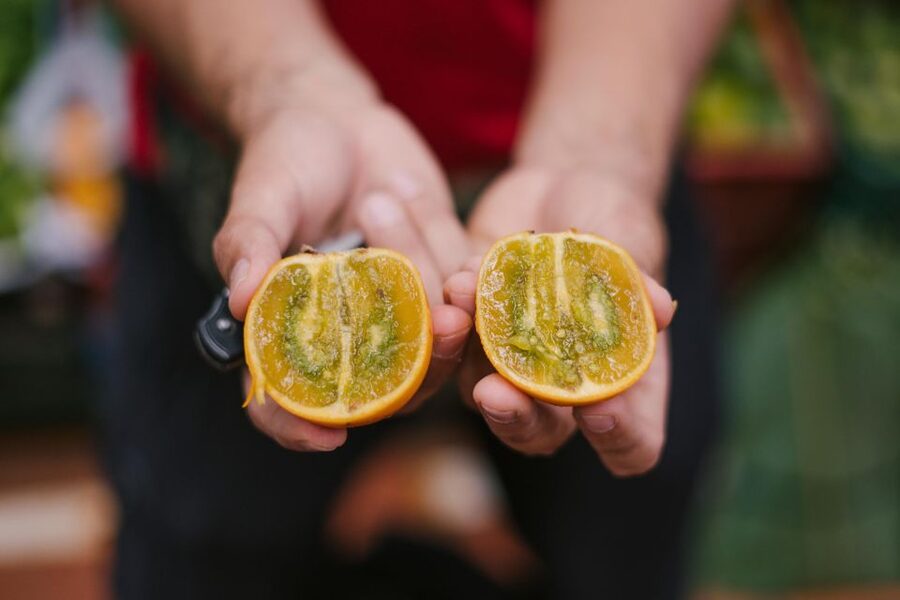
The group limit is six people. That is an excellent size for a market tour. You can hear the guide, stop for questions, and get close enough to see the fruit being prepared.
Small groups also allow the guide to adjust the pace. A person who wants more detail can ask about a fruit, while someone who is less adventurous can take a smaller sample or skip one. A guide once accommodated an almost 80-year-old participant, and another helped visitors find the metro and escorted a group toward its Uber. Those acts are not formal inclusions, but they show the kind of personal assistance that a small group can allow.
Tours are conducted in English. Spanish is available only on a private basis. If your English is limited, keep in mind that the value comes from the explanations as much as the tasting itself.
The activity is listed as wheelchair accessible. It involves moderate walking through a market, so you should still consider your own mobility and comfort with market flooring, stall access, and a moving group. Baby strollers are not allowed.
Is $36 a fair price?
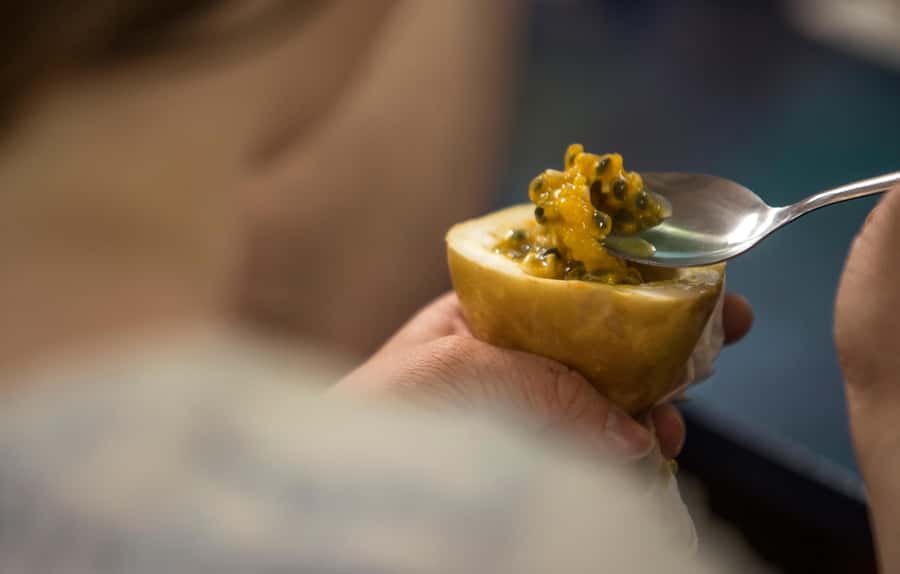
At $36 per person, the tour is priced above simply buying fruit at Minorista. That comparison is fair, but it misses the main service. You are paying for the guide, the organized tasting, the fresh juice, the vendor introductions, and the help making sense of a market that may otherwise be hard to approach.
The value is strongest if you are curious about food and want context. You could spend less buying fruit yourself, but you would need to identify unfamiliar varieties, decide what is ripe, communicate with vendors, and learn the cultural background on your own. The tour puts those pieces together in one visit.
It is also good value for a short activity. At 150 minutes, it fits neatly into a morning or afternoon without taking over your day. If you like fruit, the quantity can be generous. If you are not interested in trying unfamiliar foods, the price will feel less attractive because tasting is the central activity.
The included juice and fruit mean you do not need to budget for tasting samples. Bring extra money only if you want to buy fruit or other market items afterward.
Free cancellation up to 24 hours before the start and reserve-now, pay-later booking make it easier to fit the tour around changing plans. Starting times vary, so check availability for your date.
Getting to the main pedestrian entrance
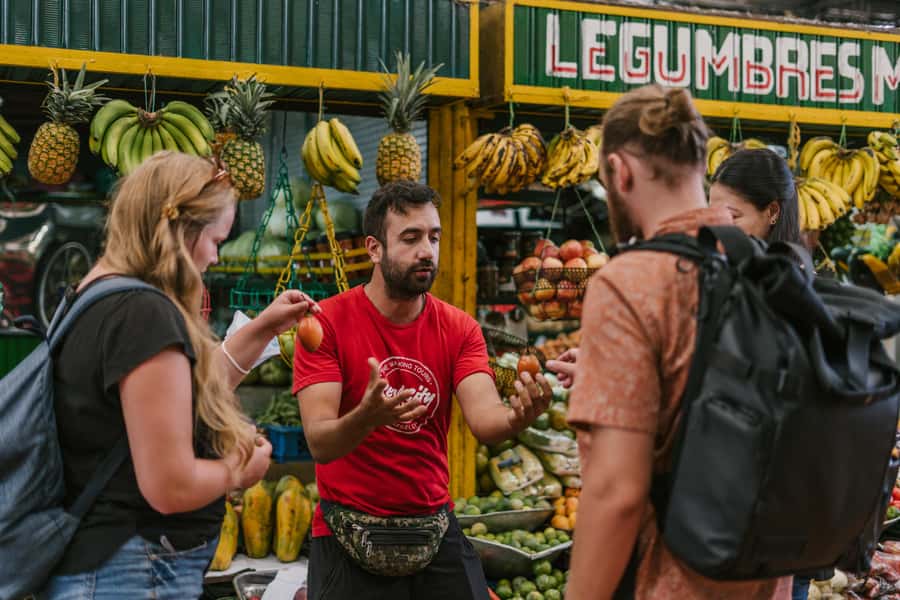
The meeting instructions deserve careful attention. Minorista Market has multiple entrances, and the group meets at the main pedestrian entrance near a pedestrian bridge.
For an Uber, enter exactly Aqui paro lucho restaurante, including the word restaurante at the end. This is only the best map pin for the meeting point. You do not meet at the restaurant itself.
Once you arrive, look for the guide in the red company shirt. Do not cross the pedestrian bridge looking for another entrance. The simplest plan is to ask your driver to stop at the front of the market and confirm that you are at the entrance near the bridge.
This is one of those small details that can decide whether your tour begins calmly or with a frantic search. Save the exact wording before leaving your hotel, and allow enough time to find the entrance.
Who will enjoy this Medellín food tour
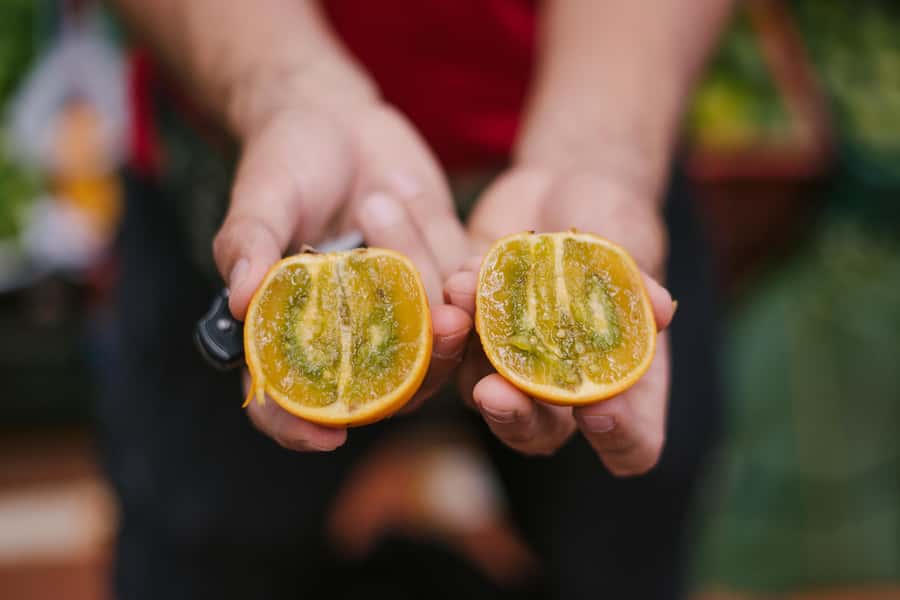
I would choose this tour for you if you like local markets, want to try produce you cannot easily find at home, or prefer a small activity with plenty of conversation. It is especially useful early in a Medellín visit because you learn what to look for when shopping and gain a better sense of everyday food culture.
Families can enjoy it if children are open to new tastes, though the no-stroller rule matters. It also suits older visitors who prefer a guided pace, provided moderate walking is comfortable.
The tour is less suited to you if you want a formal cooking lesson, a full meal, or a quiet indoor tasting. You will not be promised a fixed fruit list, and some samples may not suit your taste. The market setting is the point, so expect movement and ordinary market conditions.
Should you book the Exotic Fruits Tour?
Yes, if you want a focused and friendly way to see Minorista Market. The strongest reasons are the small group, the wide range of samples, and guides such as Sofia, Diana, David, and German who bring humor and useful local knowledge to the tasting.
Book it early in your Medellín stay if you want to return later for more fruit. Use the exact meeting instructions, wear comfortable shoes, bring water, and tell the operator about allergies before you go.
Skip it only if unfamiliar foods do not interest you or if you are looking for a sit-down meal. For everyone else, $36 buys more than a plate of samples. It gives you a guide to a working market, a fresh juice, practical shopping advice, and a flavorful look at Colombian daily life.
FAQ
How long does the Medellín Exotic Fruits Tour last?
The tour lasts approximately 150 minutes, or 2.5 hours. The exact pace can vary, and some visits have lasted closer to three hours.
Where does the tour meet?
The meeting point is the main pedestrian entrance of Minorista Market, also called Plaza Minorista. Use the entrance near the pedestrian bridge.
What should I enter for an Uber destination?
Enter Aqui paro lucho restaurante exactly, including restaurante at the end. This is a map pin for the meeting area, not the place where the tour meets.
How will I recognize the guide?
The guides wear a red shirt with the company logo. The tour is provided by Real City Tours S.A.S.
How many people can join the tour?
The group is limited to six participants, making it a small-group experience.
Is the tour available in Spanish?
The regular tour is in English. Spanish is available only on a private basis.
Is the tour wheelchair accessible?
Yes, the activity is listed as wheelchair accessible. It includes moderate walking through the market, so consider your own mobility needs. Baby strollers are not allowed.
Just added around Medellin
- Tour Guatapé con visita a Granja de las Llamas y las Alpacas★ 3.5 · 11 reviews
- Medellín: Flower Farm & Silletero History Tour★ 4.3 · 23 reviews
- Shared Tour to Comuna 13 & Aurora Cable Car in Medellin★ 5.0 · 4 reviews
- Shared Tour Medellin’s Violence & Post-conflict after Pablo★ 4.1 · 3 reviews
- Comuna 13 Neighborhood & Street Art Private Tour★ 4.7 · 12 reviews
- From Medellín: El Retiro Private Tour with Food Tastings★ 4.4 · 8 reviews
- Medellin: Private 3-Hour Pablo Escobar Tour★ 4.8 · 37 reviews
- Medellín: Private Pablo Escobar and City Tour★ 4.6 · 24 reviews
Medellin Tours, compared.

Comuna 13 Graffiti Tour, Cable Car & Street Food
Read our review →

Coffee Tour with Transport, Snacks and Tastings
Read our review →

Browse the lists this tour appears in