Reviewed · TOURS
From Leticia: Wild Amazonas Adventure 4-Day Tour
The most memorable part of this four-day Amazon trip is its close contact with local communities. You hike through rainforest to a traditional maloka, sleep there, eat with a Tikuna family, and learn how people protect the river and forest.
I like the mix of wild walks and river travel, plus the chance to cross from Colombia into Brazil at Tabatinga and visit Peru’s Cacao Island. I also like that guide Edwin is named by past customers as a warm, capable host who made the trip both safe and educational. The main drawback is comfort: expect heat, insects, wet trails, basic conditions, and at least one night without electric power.
Key details before you book
- Sleep in a forest maloka: Your first night takes you away from standard city lodging and into an indigenous community setting.
- Three-country Amazon setting: The route links Leticia in Colombia, Tabatinga in Brazil, and Puerto Nariño and San Antonio in Peru.
- Pink and gray dolphin search: A boat trip to the Correo Lakes includes time to look for both kinds of Amazon river dolphin and swim in natural water.
- Private four-day program: Your guide can adjust activities to suit your interests, within the time and conditions available.
- Most costs are covered: Transportation, meals, lodging, activities, boots, insurance, and airport pickup are included in the $789 price.
- Pack for wet darkness: Bring long clothing, waterproof layers, insect repellent, sunscreen, and your own flashlight.
A four-day route through three Amazon countries
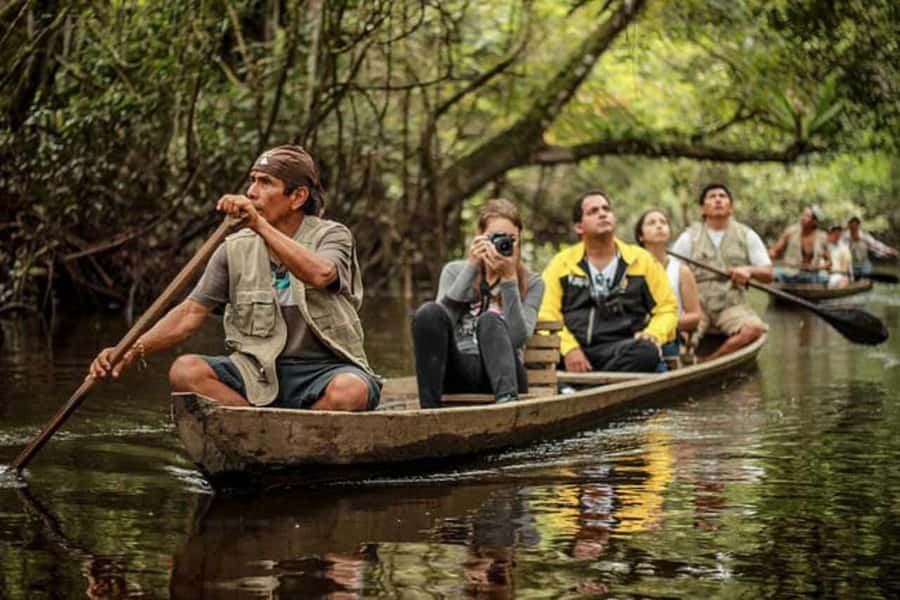
This is not a quick boat ride with a short photo stop. The program uses Leticia as its base, then moves through nearby communities and forest areas by road, foot, and boat.
The border area makes the trip unusual. Leticia is in Colombia, while Tabatinga sits directly across the Brazilian border. Puerto Nariño and San Antonio add Peruvian communities and conservation projects to the route. You are not simply collecting country names, though. The value comes from seeing how river towns, indigenous communities, and conservation groups fit into daily life in the Amazon.
The tour costs $789 per person. That is a serious price, but the package includes nearly every major cost once you arrive: a private guide, pickup and drop-off, land and water transport, all meals, lodging, entrance fees, rubber boots, and all-risk insurance. You will still pay the airport tourism tax, flights, and personal purchases.
For a four-day private trip with several boat transfers and meals included, the price can make sense if you want a guided experience without arranging each piece yourself. It is less appealing if you mainly want a cheap jungle walk or a simple hotel stay. The private format matters here because you can discuss your pace and interests with the guide instead of following a large fixed group.
Other Colombia days worth booking alongside this:
- Medellin: Comuna 13 Graffiti Tour, Cable Car & Street Food
★ 4.8 · 9,046 reviews - Medellín: The Real Pablo Escobar Tour
★ 4.8 · 3,205 reviews - Cartagena: Historic Center and Getsemaní Shared Walking Tour
★ 4.9 · 2,716 reviews
Day 1: Leticia, Tabatinga, and a night in a maloka
Your guide meets you at Alfredo Vasquez Cobo Airport or another address within Leticia. After paying the required tourism tax at the airport, you get a short introduction to Leticia before heading toward Tabatinga, Brazil.
This border visit gives the first day a wider sense of place. Leticia and Tabatinga are closely linked, but crossing between them brings a different national setting into the itinerary. Do not expect a formal border sightseeing circuit packed with monuments. The appeal is seeing how the two towns connect in this remote corner of South America.
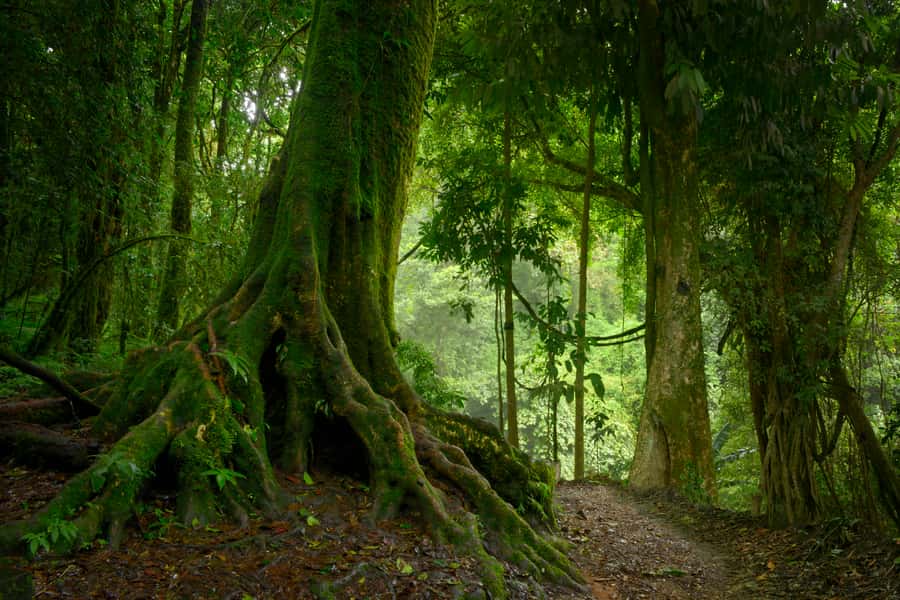
The more demanding part begins when you leave the urban area and hike into the rainforest. The guide supplies rubber boots, which are not a decorative extra here. Trails can be wet and muddy, and you will want your trousers tucked or arranged so water and insects have fewer chances to cause trouble.
Your destination is a maloka, a traditional communal house used by indigenous communities. The visit is meant to introduce you to local culture rather than treat the building as a museum piece. You spend the night there, so this is also the point where the tour shifts from city travel to a more basic forest stay.
That change is worth understanding before booking. You should expect a cultural and nature-focused experience, not a polished resort. The supplied information does not specify the sleeping setup inside the maloka, so ask for current details if bedding or privacy matters to you.
What the maloka visit adds
A maloka gives the trip a human center. Jungle trails and wildlife are exciting, but they can become a parade of plants and animal sightings if you never meet the people who live in the forest. Here, you have time to hear about indigenous traditions and see how community life connects to the surrounding natural resources.
The guide’s role matters. You are not left to guess at the meaning of a house, ceremony, or local custom. The program promises an explanation of indigenous culture, and a private guide can give you more room to ask questions than a large coach group would.
Still, keep your expectations respectful and realistic. This is not a theatrical cultural show listed as entertainment. The experience centers on a community maloka and local traditions, so your attitude should be that of a visitor entering someone else’s home and workplace.
The first night is also where you learn if this tour suits you. Heat, mosquitoes, damp clothing, and limited power are part of the package. If you need air conditioning and a private bathroom every night, this will feel rough. If you want a direct connection with the setting, it may be the moment you remember most.
Day 2: By boat to car-free Puerto Nariño
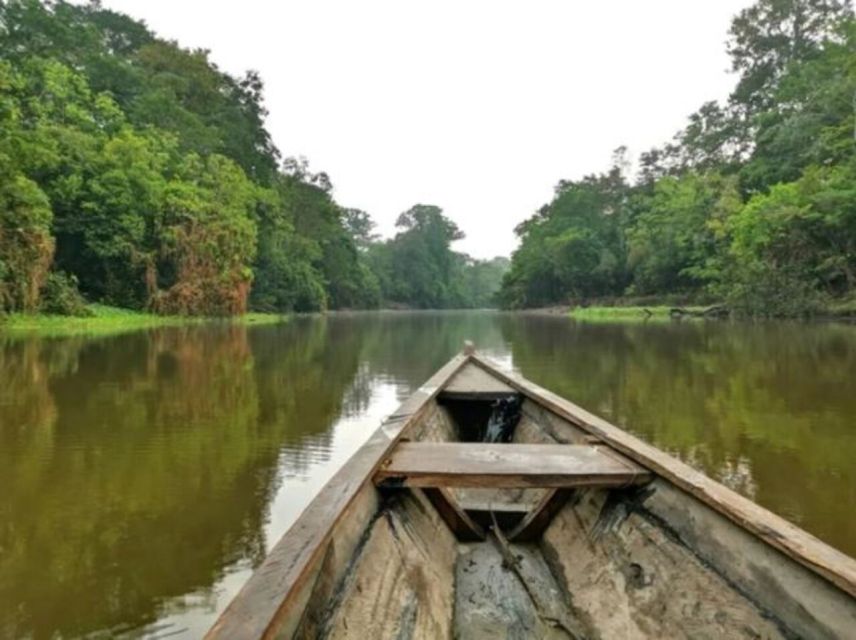
After breakfast, you travel by boat to Puerto Nariño. The town is known in the program for having no cars, which immediately changes the pace. Instead of road traffic and city noise, you get footpaths, river views, and a small-town setting built around the Amazon.
You take a short walk and stop for a local lunch before exploring the surrounding communities. The day includes a lookout tower, craft shops, monuments connected to local history, and other community sights. The tower is the big visual reward. From above, you can take in the broad forest and river setting in one view, an experience that helps you understand the scale of the region.
The craft shops offer a more practical connection to local life than a quick scenic stop. You can see what communities make and choose to buy something if you wish. Extra purchases are not included, so carry spending money only if you want souvenirs or small personal items.
Puerto Nariño is a good middle point in the trip. It gives you a chance to walk through a settled community after the rougher forest start, but it does not turn the program into a standard town tour. I like that the itinerary combines scenery with community projects and local places rather than treating Puerto Nariño as just a lunch stop.
Same city, a completely different kind of day:
- Cartagena: Rosario Islands Catamaran with Lunch and Snorkel
★ 4.5 · 2,479 reviews - Bogota: Bicycle City Tour
★ 4.9 · 2,156 reviews - Medellín: Comuna 13 True Story and Street Food Tour
★ 4.9 · 1,779 reviews - Full-Day Rosario Islands Including Barú, Bocachica & Playa Blanca
★ 4.0 · 1,729 reviews
Dinner with a Tikuna family and a night walk
Toward evening, a Tikuna family invites you to dinner in their maloka. This is one of the strongest cultural parts of the program because food creates a natural setting for conversation. You get to experience a local meal and tradition in a family and community context instead of only hearing a guide describe it.
The precise menu is not stated, so arrive ready to try local food without expecting a familiar restaurant selection. Dietary needs should be discussed before departure. The package includes all meals, but the information does not promise special diets or particular ingredients.
After dinner, you take a nocturnal walk. This is when your flashlight becomes essential. Bring your own lantern or torch, since you will use it often during nighttime walks and in places with little or no electric power.
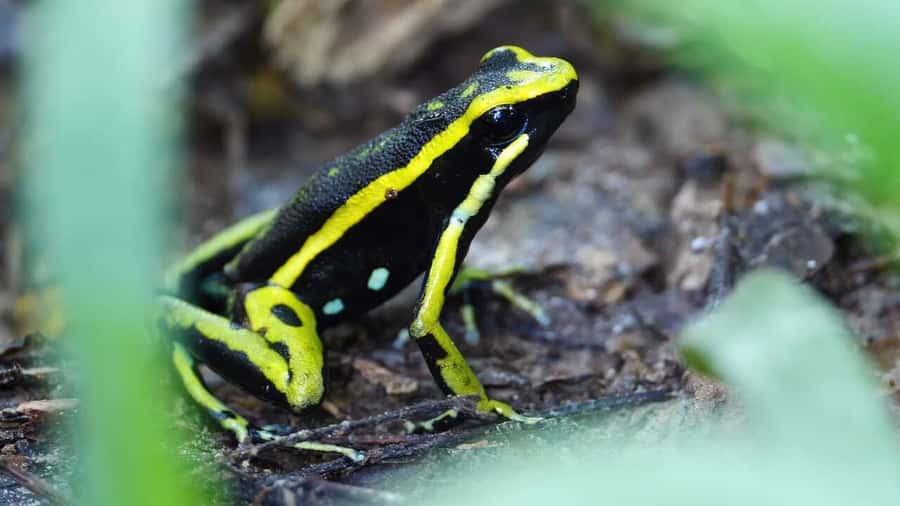
Night walks can be rewarding even when you do not see a dramatic animal. The forest sounds different after dark, and a guide can point out nocturnal insects, frogs, or other signs of life. At the same time, it is harder to walk, visibility is limited, and wet ground adds risk. Wear the boots you are given and keep your hands free for balance and your light.
Day 3: Cacao Island and the search for sloths
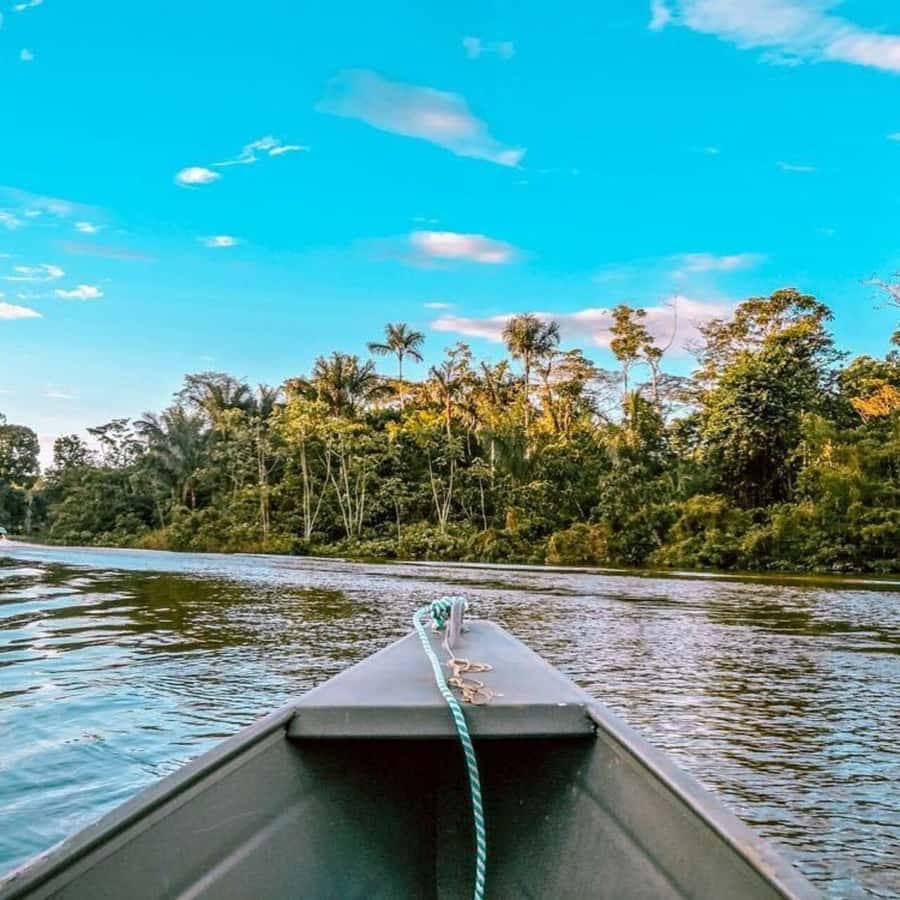
The next boat ride takes you to the Peruvian community of San Antonio, also called Cacao Island. Its ecological trail was created by the community to observe, study, and protect primates, birds, and especially sloths.
This stop gives the nature side of the trip a clear purpose. You are not simply looking for animals to photograph. The trail is tied to local efforts to understand and protect them, which helps explain why conservation can work best when residents have a direct role.
Sloths are never guaranteed, and the same applies to primates and birds. Your guide can help you look, but wildlife follows its own schedule. The trail may be muddy, and the weather can affect what you see. The reward is the search itself, plus a better understanding of how a community can protect species in a place where daily life and forest resources are closely linked.
After the walk, you have a traditional lunch before returning to Puerto Nariño. The pace is active, with a boat trip, trail time, a meal, and another outing still ahead. Tell your guide if you need a slower rhythm. The activity is private and described as customizable, which gives you some flexibility, although river conditions and community schedules still matter.
Correo Lakes, dolphins, and a natural swim
The final stop of the day is the Correo Lakes. Here you look for pink and gray dolphins and have the chance to swim in natural water.
The two dolphin types are among the signature sights of the Amazon, but it is important to treat this as a wildlife search, not a guaranteed performance. You may see them at a distance, briefly, or not at all. Boat position, weather, water conditions, and animal behavior all affect the moment.
The swim adds a welcome break after the forest trail. It also brings practical concerns. Use sunscreen, keep drinking water, and follow the guide’s instructions about where and when to enter the water. The provided information describes the area as natural waters, not a managed swimming facility, so do not expect changing rooms or pool-style amenities.
You spend another night in Puerto Nariño accommodation. A nocturnal safari can be arranged if you choose it, but it is an optional addition rather than a standard part of the listed package. Ask about the timing and cost before agreeing to it.
Day 4: Natutama and the trip back to Leticia

Your final scheduled visit is the Natutama community project. Locals created the center to study and teach conservation in the region. This makes a useful closing stop because it gives structure to the environmental themes you have encountered on the trails, river, and community visits.
I like ending with education rather than one last rushed wildlife chase. After several days of seeing the forest as a place of beauty and adventure, Natutama helps you think about the work required to protect it. The project also reinforces the tour’s aim of supporting sustainable tourism and local protection of natural resources.
After the visit, you return to Leticia and continue to the airport for departure. Build patience into this day. Boats, community visits, weather, and airport timing can affect the schedule, so do not plan a tight connection without checking the expected return time with the operator.
The trip is described as three nights and four days. There is also a note that one night will be in a place without electric power. Since the sleeping arrangements and power situation can vary by current operations, confirm the exact night-by-night plan before you pay.
Comfort, weather, and what to pack
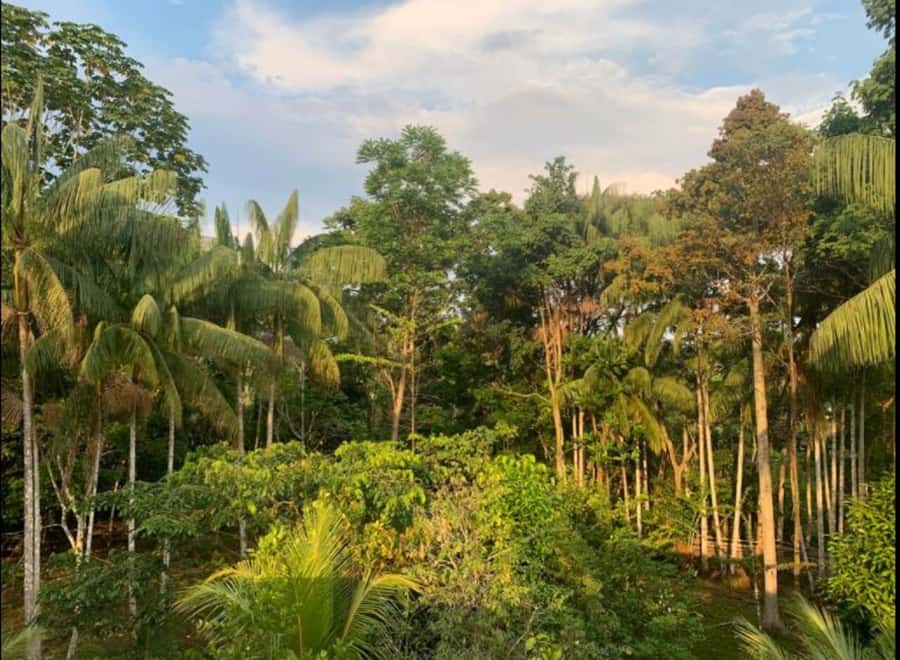
This tour operates in all weather. That is both a strength and a warning. Rain can make the forest feel more authentic, but it can also slow trails, soak clothing, and change how comfortable you feel at night.
Pack light, but do not pack carelessly. You should bring:
- Long trousers and long-sleeved shirts
- Waterproof clothing or a reliable rain layer
- Insect repellent
- Sunscreen
- A flashlight or headlamp
- Water for regular hydration
- Your shoe size for the supplied rubber boots
Long clothing serves several purposes. It protects against insects, sun, scratches, and wet vegetation. Waterproof storage for electronics is also sensible, though the supplied information does not specify whether dry bags are provided.
Yellow fever vaccination is required. Sort this out before arriving in the region, and carry proof if your health or border documents require it. The tour includes all-risk insurance, but that does not replace sensible preparation.
English and Spanish guiding are available. If you need one language in particular, confirm it when booking. The guide is the key to the experience, since so much of the value comes from explanations at the malokas, conservation projects, and wildlife sites.
Is $789 good value?
At $789 per person, this is best judged as a private, multi-day package rather than a collection of separate excursions. You receive airport or city pickup, transportation on land and water, all meals, accommodation, activity entrances, boots, insurance, and a guide.
The package also removes many small costs that can make an Amazon trip tiring to organize. You are not arranging a separate boat to Puerto Nariño, finding a local host for the maloka, buying lunch at each stop, or negotiating every transfer.
The value is strongest if you want a structured trip with cultural contact and several different types of activity. It is weaker if you prefer to choose your own hotels, skip community visits, or spend most of your time resting.
The private group setup is a real advantage. You can ask for customization based on your interests, though the details will depend on local conditions. If wildlife matters most, tell the guide early. If culture and food matter more, say so before the first day.
Free cancellation is available up to 24 hours before departure for a full refund, and you can reserve now and pay later. Those policies help if your flight plans are still changing, but they do not remove the need to confirm the airport tax, vaccination requirement, and sleeping arrangements.
Who should book this Amazon trip?
I would recommend it to you if you want several sides of the region in a short period: border-town culture, indigenous communities, jungle trails, river travel, wildlife searches, and conservation work.
It suits active people who can handle walking in heat and wet conditions. You do not need to be an expert hiker, but you should be comfortable with muddy trails, boat transfers, night walks, and basic accommodation.
It is also a strong choice if you care about meeting local people in settings tied to daily life. The maloka stays, Tikuna dinner, Cacao Island trail, and Natutama project give the trip more substance than a sightseeing circuit focused only on photographs.
I would hesitate to recommend it to someone who wants guaranteed wildlife sightings, a luxury lodge, or a predictable timetable. Dolphins, sloths, monkeys, and birds are wild. Rain can change the feel of the day, and the power-free night will not suit everyone.
The strongest praise connected to this experience centers on Edwin. One customer found the entire four days safe, exciting, and educational, and specifically wanted Edwin as a guide for a future Amazon visit. That is useful context: the guide can make a major difference, and you should request Edwin if he is available, while confirming that guide assignments are not guaranteed.
Should you book it?
Book this tour if you want a busy, personal introduction to the Amazon and value local food, indigenous culture, conservation, and nature more than polished comfort.
Skip it if you want a luxury stay or a short, low-effort excursion. The $789 cost is reasonable for the amount included, especially in a private group, but only if you are ready for wet trails, insects, limited power, and wildlife that does not follow a schedule.
For the best experience, confirm your guide language, exact accommodations, night without electricity, airport tax, yellow fever requirement, and whether Edwin can lead your group. Then pack a flashlight, accept the rain, and give yourself room to enjoy the forest at its own pace.
FAQ
Where does the tour begin and end?
The tour begins with pickup at Alfredo Vasquez Cobo Airport or another location within Leticia. After the final Natutama visit, you return to Leticia and go to the airport for departure.
How long is the experience?
The experience lasts four days and includes three nights. Starting times depend on availability.
Are meals and accommodation included?
Yes. All meals and accommodation are included in the tour price.
Is transportation included?
Yes. The package includes land and water transportation, plus pickup and drop-off within Leticia.
What languages are available for the guide?
Guiding is available in English and Spanish.
Do I need a yellow fever vaccination?
Yes. You must be vaccinated against yellow fever to take part in the tour.
Just added around Colombia
- Tour in bike in Barranquilla★ 4.5 · 8 reviews
- Community tour Biodiversity Latatacoa Desert Villavieja★ 4.7 · 5 reviews
- Tour Compartido al Castillo San Felipe de Barajas Cartagena★ 4.3 · 18 reviews
- Tour en Velero a Bahía Concha Parque Tayrona★ 3.5 · 4 reviews
- Tour Guatapé con visita a Granja de las Llamas y las Alpacas★ 3.5 · 11 reviews
- TOUR DE 2 DIAS AL CABO DE LA VELA, LA GUAJIRA★ 4.4 · 14 reviews
- Tour Compartido de Gabriel García Marquez en Cartagena★ 5.0 · 22 reviews
- Bogotá: Graffiti Tour el mejor recorrido de arte urbano★ 4.7 · 41 reviews
Tours, compared.
Comuna 13 Graffiti Tour, Cable Car & Street Food
Read our review →
Historic Center and Getsemaní Shared Walking Tour
Read our review →