
Reviewed · MEDELLIN TOURS
Antioquia’s Villages: El Retiro, La Ceja, and More
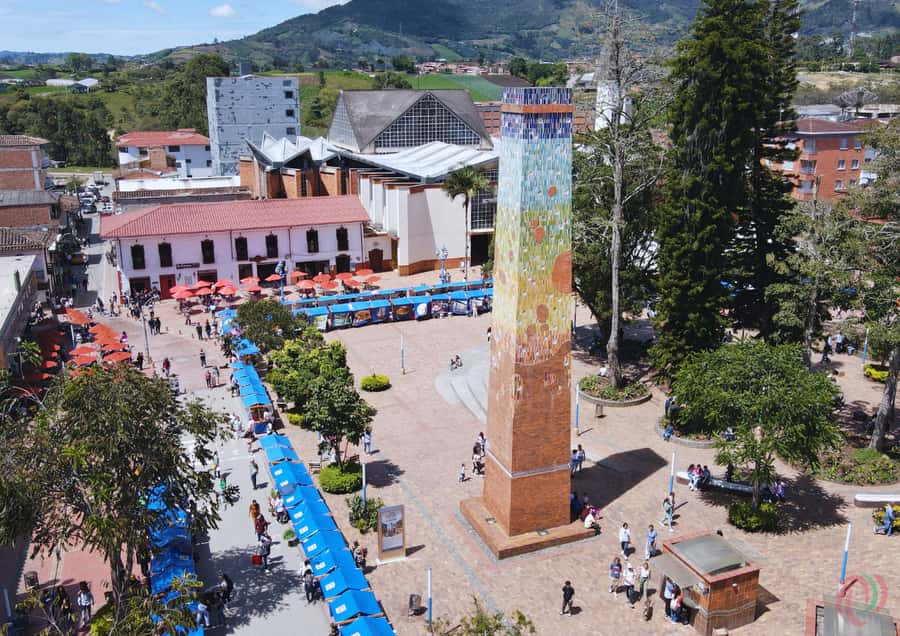
Antioquia’s small towns tell a different story from Medellín’s urban rush. On this 11-hour Sunday outing, you move from El Retiro’s wood workshops to a mountain waterfall, flower-filled La Ceja, dessert shops in San Antonio de Pereira, and painted ceramics in El Carmen de Viboral. It is a full day, but it gives you a useful look at the eastern side of the department without arranging several buses yourself.
I like the mix of working artisan towns and outdoor scenery, and I like that lunch and transport are included for $65. The main caution is pacing: the pottery stop may feel too short, and traffic on the return to Medellín can turn the final leg into a slow ride. The tour is conducted in Spanish, so it suits you best if you can follow basic conversation or are happy to enjoy the visual side of the day.
Key points at a glance
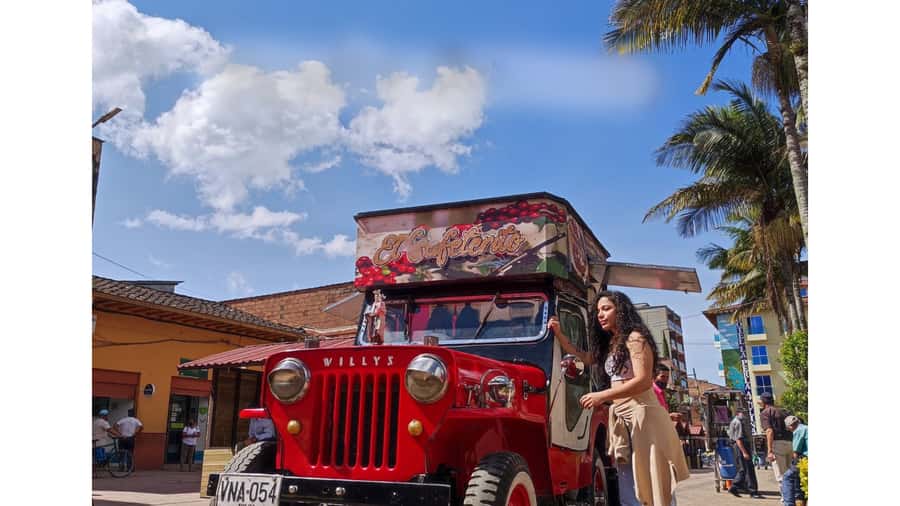
- El Retiro’s timber shops: Browse locally made wooden furniture and decorative pieces in a town with colonial-style streets.
- Salto del Tequendamita: Take a short nature break beside an impressive waterfall and enjoy cooler mountain air.
- La Ceja’s flowers and parks: Walk through open squares and green public spaces that make this one of the more relaxed stops.
- San Antonio de Pereira lunch break: Eat a typical Antioquian meal, then leave room for the town’s famous sweets.
- El Carmen de Viboral ceramics: Visit pottery workshops and shops where hand-painted pieces are made and sold.
- A long Sunday by road: Round-trip transport, lunch, a guide, and a medical assistance card are included, but the day depends on road conditions.
Why these Antioquian towns make a good day trip

This tour is less about one blockbuster sight and more about seeing how different towns make their living and express local identity. El Retiro is linked with woodworking, El Carmen de Viboral with ceramics, and San Antonio de Pereira with desserts. Between them, you get a waterfall, public squares, mountain air, and plenty of chances to see everyday regional life.
That variety is the strongest reason to book. If you only have time for one short stop outside Medellín, a single-town visit may give you more depth. If you want to compare several places in one day and avoid working out rural transport, this route does the job.
The price is $65 per person. That is reasonable for an 11-hour excursion because it covers transportation from a Medellín meeting point, a local guide, guided visits to four towns, the waterfall stop, lunch, and a medical assistance card. You still pay for breakfast, extra drinks, and anything you buy in the workshops or dessert shops.
The tradeoff is control. You will not set the length of every visit, choose each restaurant, or linger wherever you please. This is a broad introduction to eastern Antioquia, not a slow, private village tour.
Other Medellin days worth booking alongside this:
- Medellin: Comuna 13 Graffiti Tour, Cable Car & Street Food
★ 4.8 · 9,046 reviews - Medellín: The Real Pablo Escobar Tour
★ 4.8 · 3,205 reviews - Medellín: Comuna 13 True Story and Street Food Tour
★ 4.9 · 1,779 reviews
Starting from Medellín and getting organized
You can board at Estadio Metro Station at 7:10 a.m., the Chamber of Commerce on Avenida Oriental at 7:30 a.m., or the meeting point on Avenida El Poblado at 7:45 a.m. Hotel pickup and drop-off are not included, so plan your own way to one of these points.
The first road stretch is listed at about 30 minutes before the day’s sightseeing begins. The full activity lasts 11 hours, with an expected return to Estadio around 6 p.m. That timing looks tidy on paper, but the return road can be affected by traffic. One outing ended with a much longer ride back to Medellín, so do not schedule an important evening reservation too tightly.
Transportation is by shared vehicle. The quality of the ride can vary, and one passenger had a broken reclining seat. I would arrive early, take a quick look at your seat, and tell the guide at once if something is wrong. The first four seats may be reserved for operating staff or other passengers, so do not count on choosing them.
The guides speak Spanish. Claudia, one guide connected with this experience, has been especially patient when helping people confirm meeting places and departure times. If your Spanish is intermediate, you should be able to manage the practical parts by asking for times and locations again. If you understand very little Spanish, you may miss historical explanations, though the towns, shops, scenery, and food remain easy to appreciate.
El Retiro, where woodwork is the first lesson
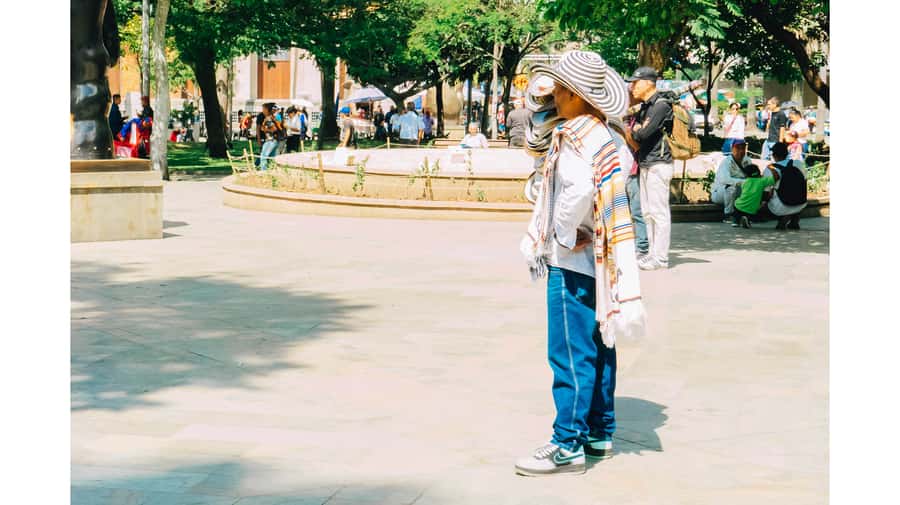
El Retiro is a pleasing opening stop because its identity is clear as soon as you begin walking. The town has colonial-style architecture, compact streets, and shops devoted to timber furniture and decorations.
The wood stores are not just souvenir counters. They show a local craft tradition built around useful household pieces. You may see substantial furniture, carved details, and decorative objects made from quality wood. If you are shopping, this is the place to look for something larger or more distinctive than a standard key ring.
The practical issue is luggage. A full-size piece of furniture is not an easy purchase on a shared day trip, so focus on smaller decorations if you want something manageable. Prices and shipping arrangements are not provided, so ask the shop directly before committing to a bulky item.
Give yourself time to look above shop windows and along side streets. The appeal here is the combination of built character and active craft work. It is not a museum town frozen in the past. The workshops and stores connect the streets to a trade that still matters.
This is one of the strongest stops for anyone interested in hands-on local making. It is also a good first chance to buy a souvenir, though you should keep enough Colombian pesos or another accepted payment method for later purchases and food. The tour information does not specify payment options, so confirm at the shop.
Salto del Tequendamita and a breath of mountain air
From El Retiro, the route continues through scenic mountain roads to Salto del Tequendamita. The waterfall gives the day a needed change of rhythm. Instead of storefronts and squares, you get running water, trees, fresh air, and time to walk around the surroundings.
The stop is about enjoying the setting rather than taking part in a demanding outdoor activity. Still, the day includes several walks, and the tour is not suitable for people with mobility impairments or wheelchair users. Wear shoes with a firm sole, especially if the ground is damp.
Bring a light jacket. Antioquia’s mountain weather can shift, and the tour specifically advises preparing for changing conditions. A hat, sunscreen, and a reusable water bottle are also sensible. The waterfall stop may be brief, but it is important because it keeps the excursion from becoming a string of town centers and shops.
I would use this stop for photographs, but keep your camera protected from spray and rain. The tour does not promise swimming or a long hike, so plan for a scenic visit and a walk, not a full outdoor adventure.
Same city, a completely different kind of day:
- Medellín: Comuna 13 District Tour with Cable Car Ride
★ 4.8 · 1,467 reviews - Medellin: Coffee Tour with Transport, Snacks and Tastings
★ 4.7 · 1,357 reviews - From Medellín: Paragliding Tour with GoPro Photos & Videos
★ 4.9 · 1,210 reviews - Tour Guatapé
★ 5.0 · 865 reviews
La Ceja, parks, flowers, and a slower pause
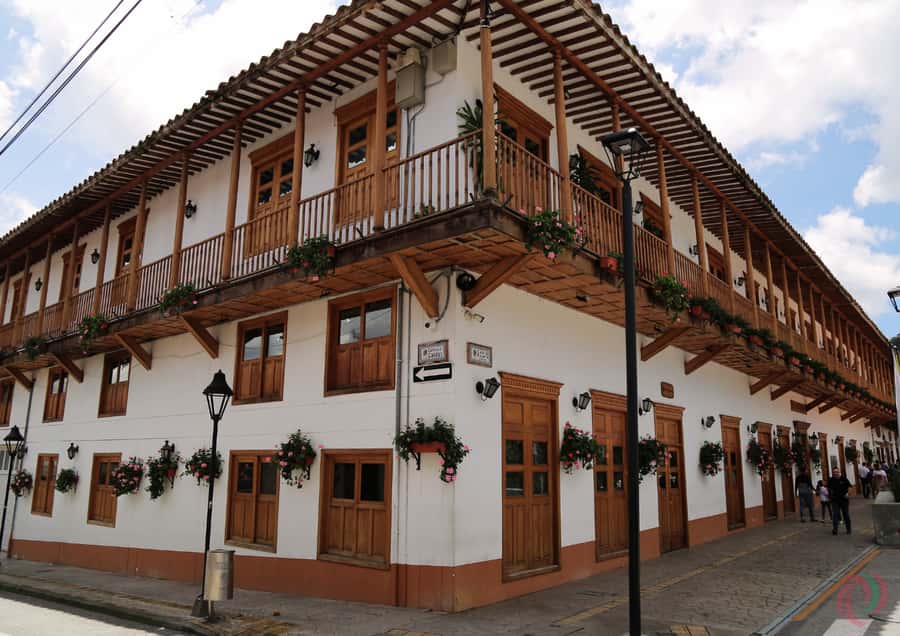
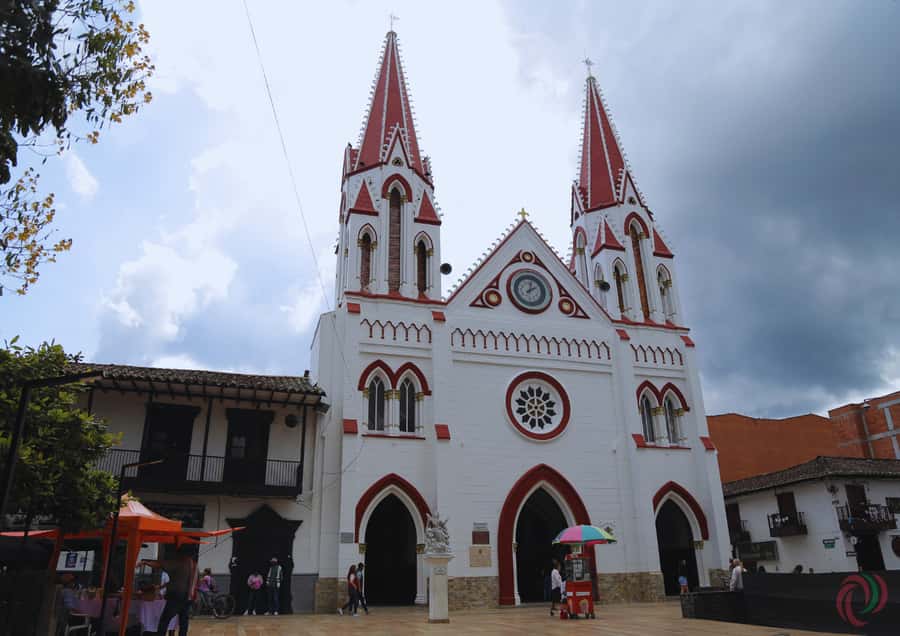
La Ceja is known for green and flower-filled scenery. The visit centers on parks and squares, where you can walk, take photographs, and hear about local history from the guide.
Compared with El Retiro, La Ceja may feel less sharply defined for a first-time visitor. Its value is in the public spaces and the chance to slow down after the waterfall. You are not being rushed from one workshop display to another. The town gives you room to notice gardens, façades, open plazas, and the way people use the center.
Keep your expectations measured. La Ceja is not presented as one major attraction, and a short guided visit may leave you feeling that you have seen the center without fully knowing the town. That is normal for a multi-stop route. Think of it as a pleasant regional snapshot rather than the day’s headline.
This is a good point to take photographs and check your water supply. The advice to wear light clothing, sunscreen, and a hat matters here, since walking through open squares can mean more direct sun than you felt in the mountains.
San Antonio de Pereira brings lunch and sweets
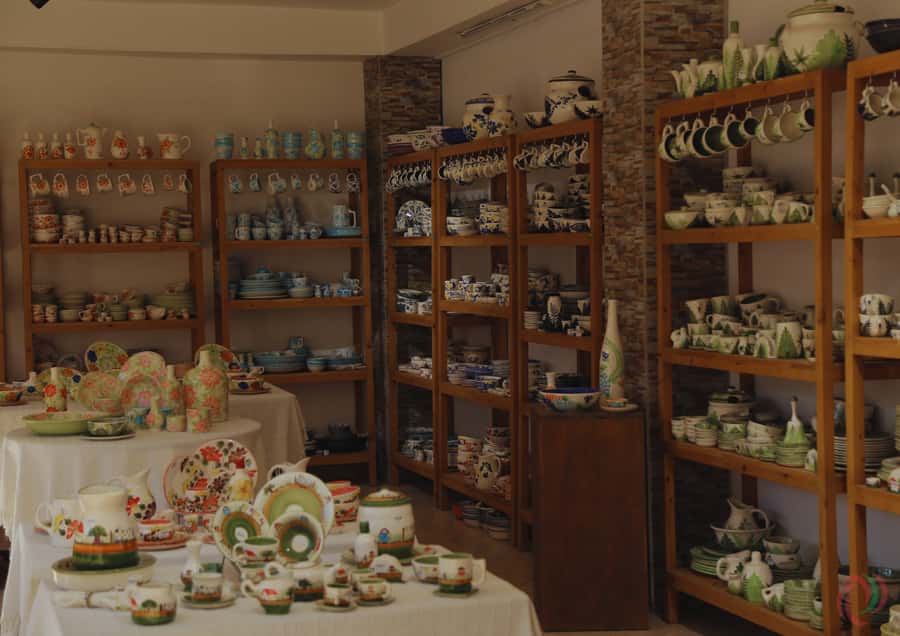
San Antonio de Pereira is the food stop, and its specialty is dessert. The schedule includes a typical Antioquian lunch at a local restaurant, followed by free time to try the town’s well-known sweets.
Lunch is useful because it removes one major decision from a busy day. You do not need to search for a restaurant while watching the clock, and the meal gives you a taste of regional cooking rather than another packaged snack. The exact menu is not specified, so do not book this tour expecting a particular dish.
The dessert break is more distinctive. San Antonio de Pereira is known for sweets with unusual flavors and textures, and this is a chance to try something tied to the town itself. If you have a sweet tooth, save room after lunch. You may also want to buy a small box to share later, though the tour does not include dessert or extra drinks.
One important warning concerns the route’s timing. The final dessert stop has, on one occasion, left the group with a long wait before the return journey. That can be frustrating after you have already seen the main sights. Bring patience, and remember that shared tours often run on the pace of the whole group.
El Carmen de Viboral and its painted ceramics
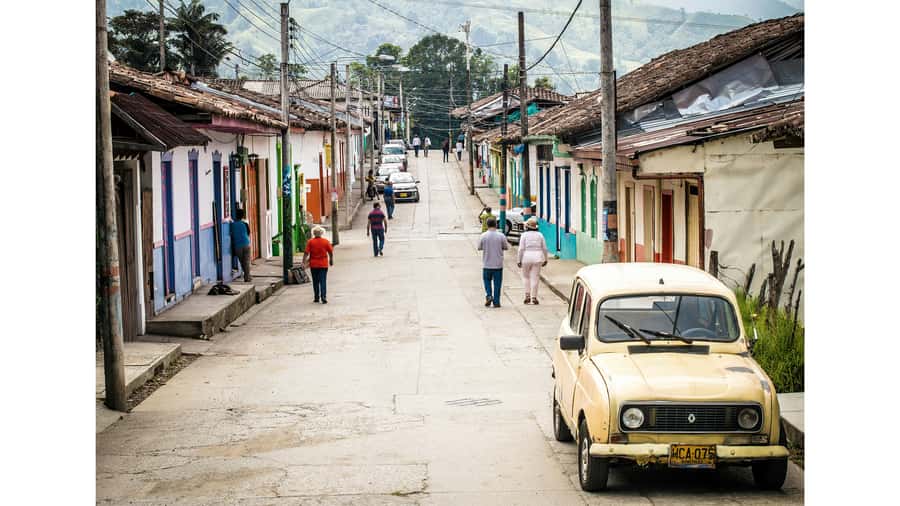
El Carmen de Viboral is the most important stop for shoppers and craft fans. The town is known for pottery and ceramics decorated by hand, and the visit includes several pottery shops or workshops.
You can see artisans at work and examine plates, cups, bowls, and decorative pieces. The painted designs are the point, so look closely at brushwork, color, and small differences between pieces. Handmade ceramics have more character than factory souvenirs, and buying directly from a workshop gives your purchase a clear connection to the place.
This stop needs careful expectation setting. The town itself may not strike you as especially beautiful, and the main appeal is the ceramic tradition rather than grand architecture or a scenic central square. If you are not interested in pottery, the visit may feel less rewarding than El Retiro or the waterfall.
Time can also be tight. One day allowed only about 30 minutes for the pottery stop, which is not much if you want to compare workshops, watch the making process, and shop. I would decide before arrival whether you want to browse, buy, or simply see the craft. If ceramics are your priority, tell the guide early and return promptly when asked to meet.
The tour includes visits to several shops, but it does not include souvenirs. You pay for your own pieces, and shipping or packing details are not provided. Ask how fragile items will be wrapped before you buy anything that must survive a flight.
What the $65 cost really covers
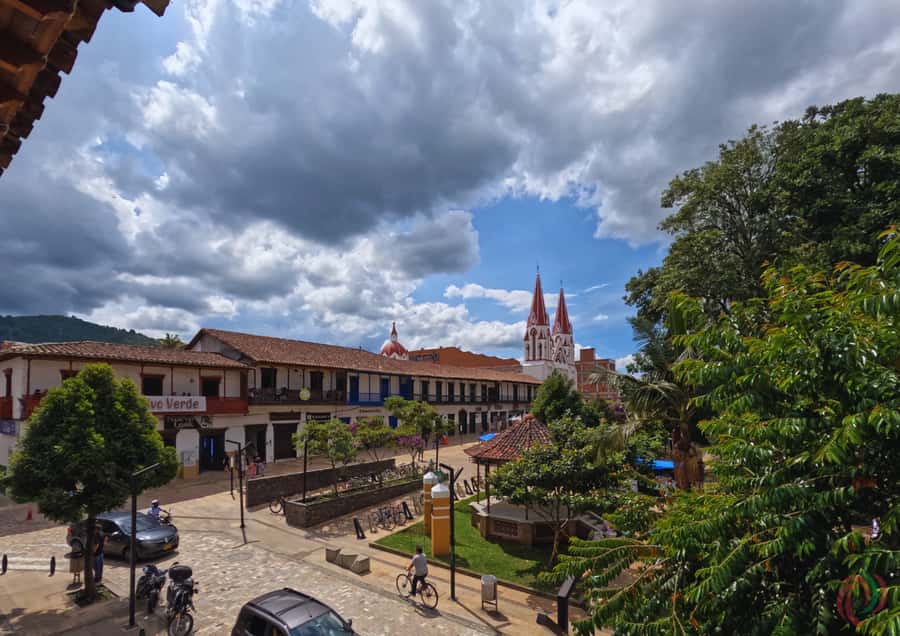
At $65, this is a convenience-focused tour. You are paying for a long day of driving, a Spanish-speaking guide, a shared vehicle, lunch, several guided town visits, the waterfall, and a medical assistance card. For someone who wants to see four eastern Antioquian communities in one Sunday, that package has real value.
The included lunch matters more than it might first appear. A self-planned version would require arranging transport between towns, finding food, and keeping track of return connections. The tour takes care of the broad structure, which lets you focus on the places rather than the mechanics.
The value drops if you want a relaxed pace or detailed craft shopping. Four towns plus a waterfall in one day means each stop has limits. You may spend too little time at a workshop and too much time waiting for the group or sitting in traffic.
I would also compare this tour with a single destination before booking. El Carmen de Viboral alone would make more sense if ceramics are your main goal. El Retiro and Salto del Tequendamita may be the better pairing for woodwork and nature. This full route is best when variety matters more than depth.
Who should book this Sunday outing
I would recommend it to you if you:
- Want a broad introduction to towns outside Medellín
- Prefer guided transport to arranging rural buses
- Enjoy craft shopping, local food, and short scenic walks
- Can follow Spanish or are comfortable with a Spanish-only tour
- Have a full Sunday available
- Are able to walk through town centers and uneven outdoor areas
I would hesitate if you use a wheelchair, have limited mobility, or need a very predictable return time. The tour is specifically not suitable for wheelchair users or people with mobility impairments, and traffic can extend the ride home.
It is also not the best choice for a serious pottery collector who needs hours in El Carmen de Viboral. You may get only a short buying window. For that purpose, look for a more focused visit.
Pack comfortable walking shoes, light clothing, a jacket, a hat, sunscreen, and a refillable water bottle. Smoking, alcohol, and drugs are not allowed. Respect the workshops and local customs, especially when photographing people at work.
Free cancellation is available up to two days before departure for a full refund. The activity runs only on Sundays, so check the date carefully before arranging the rest of your Medellín plans.
Should you book Antioquia’s villages tour?
Book it if you want four very different town experiences in one day and value included transport and lunch more than a slow pace. El Retiro, the waterfall, and the ceramic workshops provide the clearest highlights, while La Ceja and San Antonio de Pereira fill out the regional picture with parks, food, and sweets.
Skip it if you need English guiding, have mobility limits, dislike shared transport, or want to spend most of the day in one place. The route has a few weak points, especially the short pottery visit and the risk of a traffic-heavy return, but $65 is fair for the amount of ground covered. Go with flexible expectations, protect your evening schedule, and you will get a useful taste of Antioquia beyond Medellín.
FAQ
How much does the tour cost?
The price is $65 per person.
How long does the activity last?
The tour lasts 11 hours and is expected to return to Estadio Metro Station around 6 p.m.
Which towns does the tour visit?
The route includes El Retiro, La Ceja, San Antonio de Pereira, and El Carmen de Viboral.
Is lunch included?
Yes. A local lunch is included in San Antonio de Pereira.
Is the tour available every day?
No. This activity is available only on Sundays.
Where can I meet the group?
You can meet at Estadio Metro Station at 7:10 a.m., the Chamber of Commerce on Avenida Oriental at 7:30 a.m., or Avenida El Poblado at 7:45 a.m.
Is hotel pickup included?
No. Hotel pickup and drop-off are not included. You must reach one of the listed meeting points.
What language is the tour conducted in?
The live guide speaks Spanish.
Is the tour suitable for wheelchair users?
No. The activity is not suitable for wheelchair users or people with mobility impairments.
Just added around Medellin
- Tour Guatapé con visita a Granja de las Llamas y las Alpacas★ 3.5 · 11 reviews
- Medellín: Flower Farm & Silletero History Tour★ 4.3 · 23 reviews
- Shared Tour to Comuna 13 & Aurora Cable Car in Medellin★ 5.0 · 4 reviews
- Shared Tour Medellin’s Violence & Post-conflict after Pablo★ 4.1 · 3 reviews
- Comuna 13 Neighborhood & Street Art Private Tour★ 4.7 · 12 reviews
- From Medellín: El Retiro Private Tour with Food Tastings★ 4.4 · 8 reviews
- Medellin: Private 3-Hour Pablo Escobar Tour★ 4.8 · 37 reviews
- Medellín: Private Pablo Escobar and City Tour★ 4.6 · 24 reviews
Medellin Tours, compared.

Comuna 13 Graffiti Tour, Cable Car & Street Food
Read our review →

Coffee Tour with Transport, Snacks and Tastings
Read our review →
Browse the lists this tour appears in