
Reviewed · DRINKING TOURS
Bean to Bar: Cocoa and Chocolate Workshop
The best part of this 105-minute workshop is that you do not simply taste chocolate, you see how cocoa changes from bean to finished treat and then make something yourself. Inside a working chocolaterie near Arsenal Street, you can watch the equipment, learn about Colombian cacao, and work with several chocolate percentages and origins.
I like the hands-on making and the chance to learn from guides such as Alejandra, whose energy and passion for cocoa can bring the lesson to life. I also like that this is a private group, which gives you room to ask questions and work at your own pace. The main drawback is practical: people with food allergies should not book, and some preparation may be completed before you arrive.
Key Points
- A private 105-minute class: You get focused time with an instructor in English or Spanish, rather than being folded into a large group.
- Five types of chocolate: Work with white chocolate at 40 percent, milk chocolate at 46 percent, dark chocolate at 80 percent, pure cocoa at 100 percent, and blends.
- A real production setting: The class takes place in a fully equipped chocolaterie, with machinery and a local production area.
- From cocoa bean to bar: Learn about roasting, separation, cacao varieties, harvest, and the role of cocoa in Colombia.
- A useful rainy-day plan: The workshop takes place indoors, making it a smart choice when Cartagena weather turns wet.
- A creative finish: Make bonbons, truffles, chocolate bars, or another guided creation, depending on the class setup.
Why This Chocolate Workshop Is More Than a Tasting
Cartagena offers plenty of ways to eat well, but a tasting alone can leave you with little sense of how the food came to be. This workshop gives you a working lesson in chocolate production, starting with cocoa beans and ending with something you have shaped yourself.
That change matters. You learn why chocolate tastes different when the cocoa percentage changes, why origins matter, and how roasting affects the final product. You also get a better feel for the skill involved. Chocolate looks simple once it sits in a polished bonbon, but the steps before that require care and timing.
The experience is run by Local Colombia and lasts 105 minutes. That is long enough for a proper introduction and a hands-on session, but short enough to fit into a busy day in Bolívar.
You should think of this as a small food workshop rather than a factory tour. You will see the equipment and production area, but the main purpose is to understand the process and create your own chocolate.
A few more Cartagena trips to weigh up
- Cartagena: Boutique Rum and Chocolate Tasting at Lunático
★ 4.9 · 121 reviews - Cartagena: Express Rum and Chocolate Tasting Experience
★ 5.0 · 10 reviews - Cartagena: The Legendary Colombian Rum and Chocolate Tasting
★ 5.0 · 8 reviews
Finding the Pink Building Near Arsenal Street
The meeting point is easy to identify once you are in the right area. At the beginning of Arsenal Street, around the corner and across from the convention center, look for a two-story pink building with wooden barrels outside. The barrels promote free hugs, so they serve as a useful landmark.
When you arrive, the host takes you to the exact room where the class takes place. That arrangement keeps the meeting point simple, since you do not need to search through the building on your own.
The location also puts the workshop close to a lively part of Cartagena. You can combine it with time around Arsenal Street, though the experience itself stays indoors. That makes the class a good option when the heat is strong or rain disrupts your plans.
Wear comfortable clothing that can handle stains. Chocolate is part of the lesson, not just something served at the end, so neat white clothes are not the best choice.
Inside the Chocolaterie: Equipment, Aroma, and Preparation
The first part introduces you to the inner workings of the chocolaterie. You see professional machinery and the local production area, which helps explain how small ingredients become finished chocolate products.
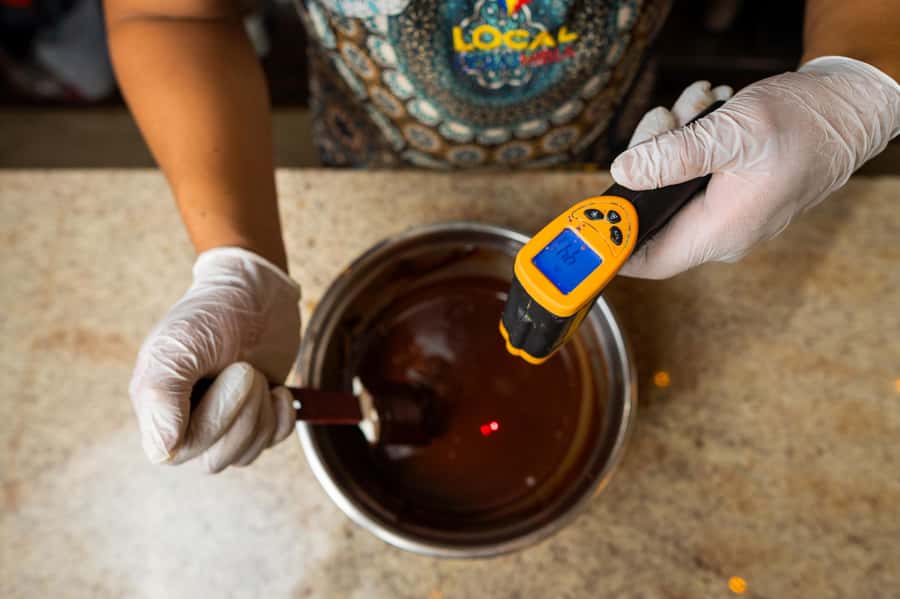
The machinery gives the lesson a useful sense of scale. This is not only a kitchen activity with a bowl and a spoon. You are seeing the tools used in a real chocolate-making setting, even though the class is designed for participation rather than industrial observation.
One point is worth knowing before you arrive: some steps may already be prepared. That is not necessarily a weakness. Chocolate production often depends on timing, and preparing certain stages in advance lets you spend more of the 105 minutes learning and making instead of waiting.
If you visit on a Sunday, the production area may not have people actively working in it. You can still receive access to the area and learn about the process, but do not book this experience expecting to watch a full working shift.
The room should appeal to your senses. You can expect the sound of equipment, the smell of freshly made chocolate, and the chance to handle ingredients as the class progresses. Those details make the process easier to remember than a simple talk.
Cocoa From Bean to Chocolate
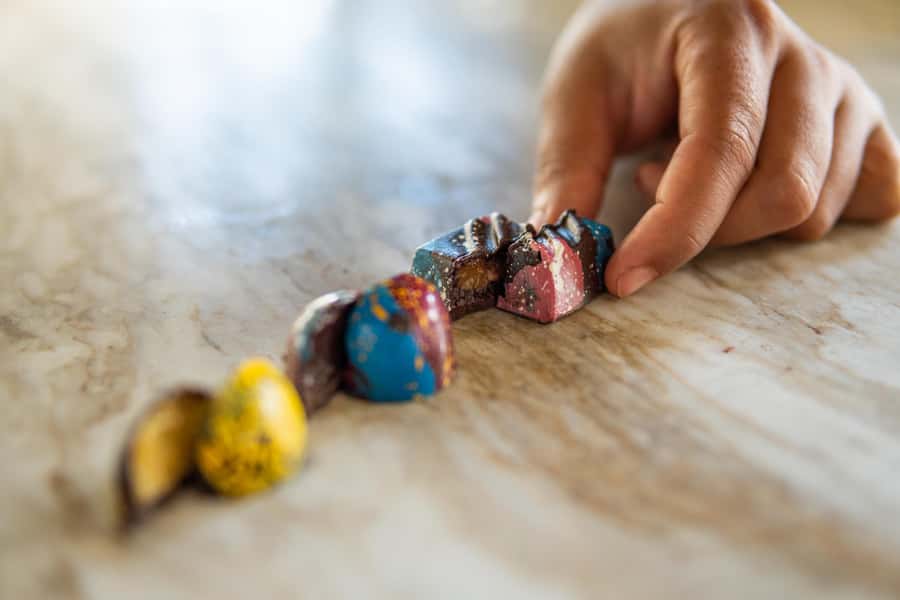
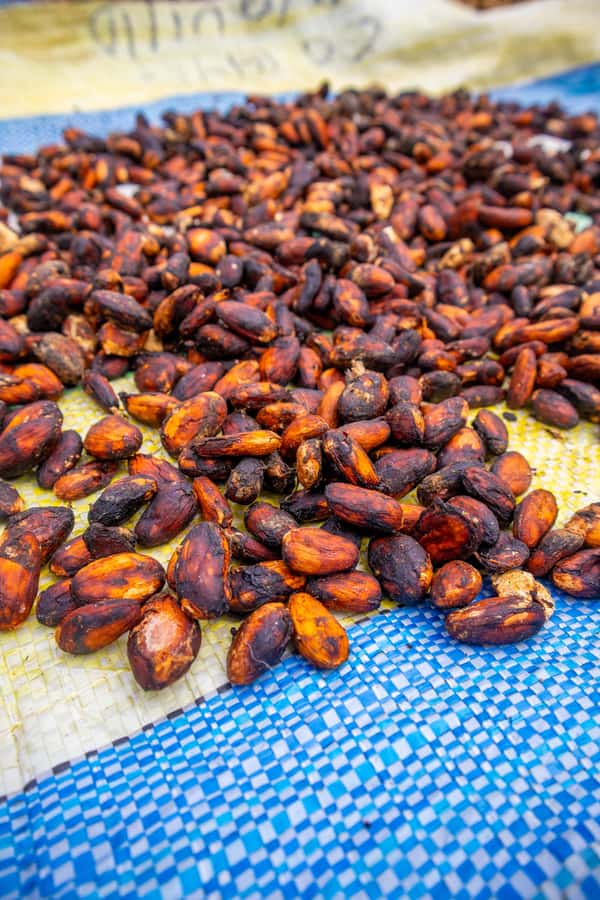
The lesson follows cocoa through its main stages. You learn about roasting and separation, two steps that help turn the raw bean into a form suitable for chocolate making.
Roasting deserves attention because it affects flavor. The class connects this practical step with the different cacao varieties found at a national level, giving you a reason to compare the chocolate rather than treating every sample as the same.
The workshop includes white chocolate at 40 percent, milk chocolate at 46 percent, dark chocolate at 80 percent, pure cocoa at 100 percent, and blends. These figures offer a useful tasting range:
- White chocolate at 40 percent gives you a milder, sweeter starting point.
- Milk chocolate at 46 percent offers a softer cocoa taste.
- Dark chocolate at 80 percent brings a stronger, more pronounced cocoa character.
- Pure cocoa at 100 percent is the most intense option.
- Blends let you see how different percentages and origins can work together.
The exact finished recipe can depend on the class, but the purpose is clear: you get to compare chocolate with different strengths and origins while learning what those differences mean.
A guide such as Alejandra can make a major difference here. She has been praised for her energy, passion for the process, and willingness to answer questions. That is useful in a subject with unfamiliar terms, since you can ask why one chocolate tastes sharper, sweeter, or more intense instead of simply accepting a list of facts.
Same city, a completely different kind of day:
- Cartagena: Historic Center and Getsemaní Shared Walking Tour
★ 4.9 · 2,716 reviews - Cartagena: Rosario Islands Catamaran with Lunch and Snorkel
★ 4.5 · 2,479 reviews - Full-Day Rosario Islands Including Barú, Bocachica & Playa Blanca
★ 4.0 · 1,729 reviews - Cartagena de Indias: 2-Hour Sunset Cruise
★ 4.7 · 1,105 reviews
Making Bonbons, Truffles, or Chocolate Bars
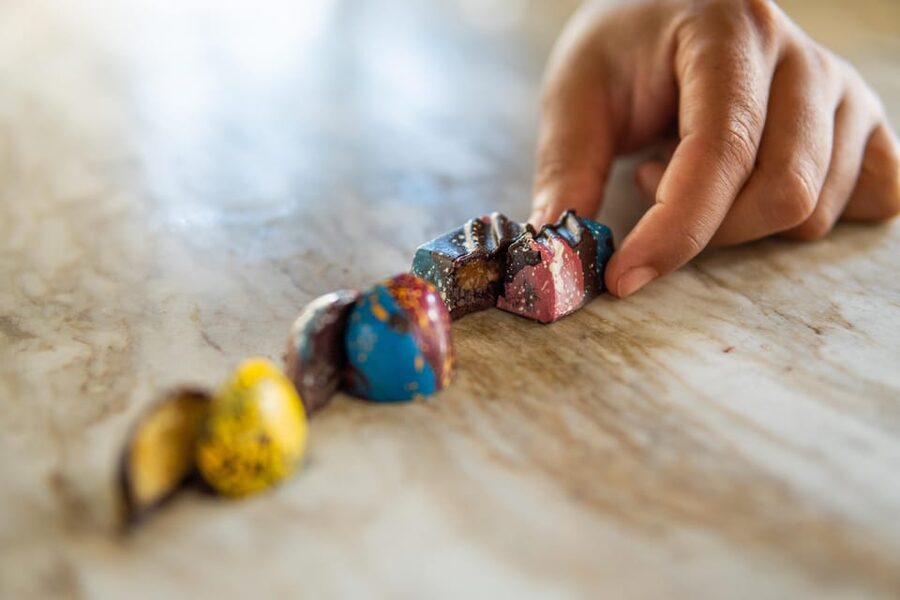
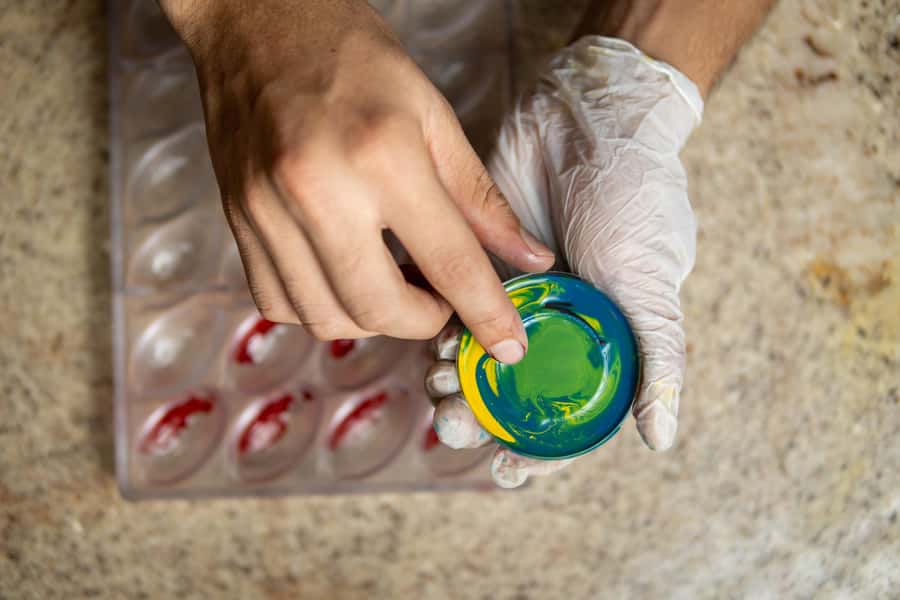
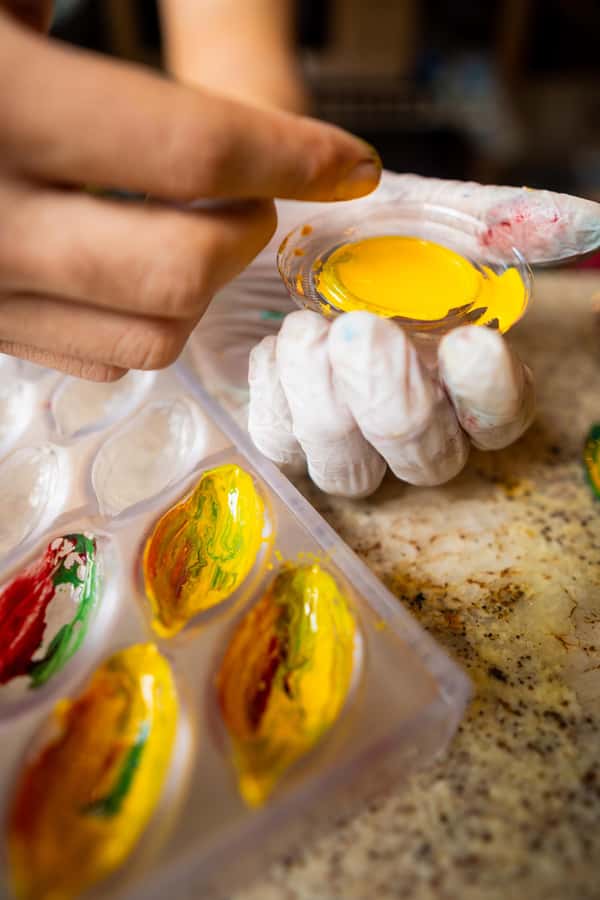
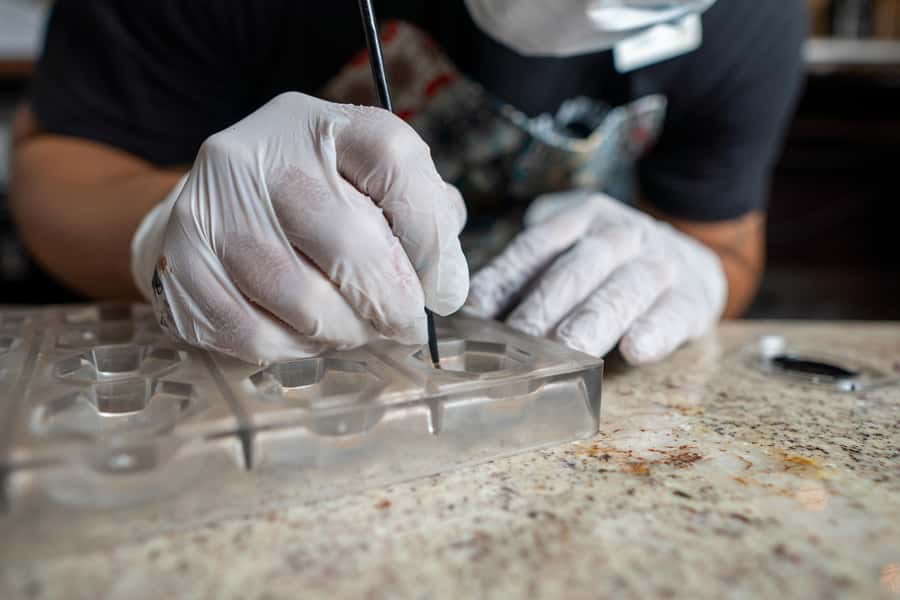
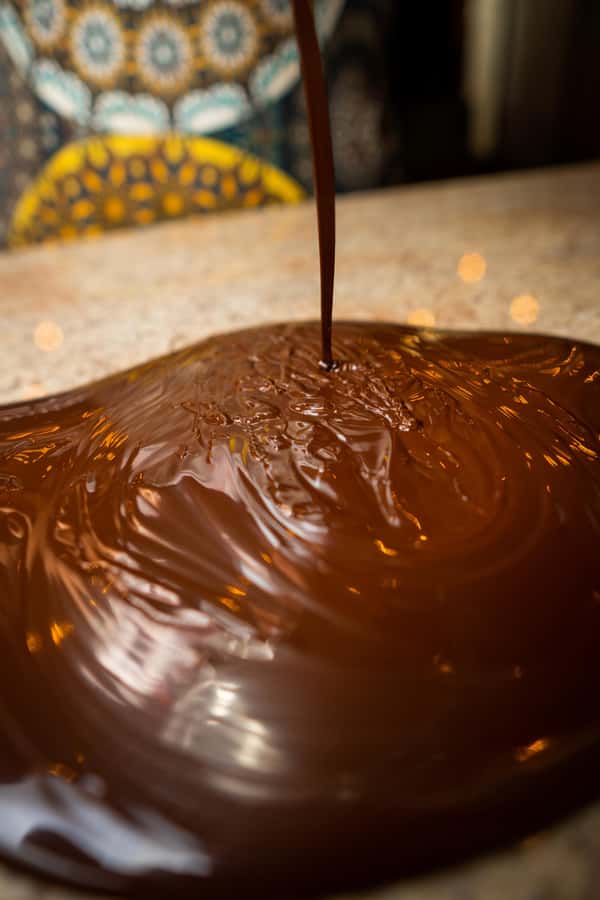
The creative section is the heart of the class. Under guidance from the chocolate artisans, you make your own treats, which may include bonbons, truffles, chocolate bars, or similar creations.
This part works well for both beginners and people who already enjoy chocolate making. You do not need to arrive with technical skills. The point is to follow the process, experiment, and see how small decisions affect the result.
You also get a clearer idea of why professional chocolate work takes patience. Shaping and finishing chocolate requires attention, and the final product can look simple while hiding several careful steps.
The activity gives you room to use your imagination. That can mean working with different chocolate strengths, combining blends, or deciding how to shape your final piece. The available options may depend on what has been prepared for that session, so you should expect guided creativity rather than unlimited menu-style choices.
I like this balance. A class that is only a demonstration can feel passive, while a class that throws you into technical work can become stressful. Here, the demonstration and the making support each other.
The result is also more personal than a shop-bought souvenir. You leave with the memory of making chocolate and, depending on the format of the session, your own finished chocolates to enjoy.
What the 105 Minutes Feel Like
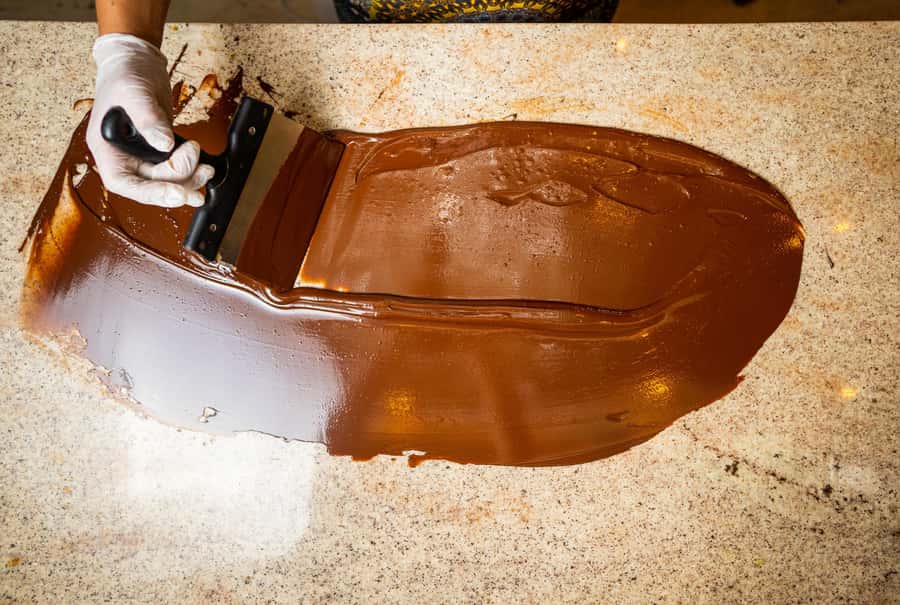
The workshop has enough time to cover several stages without taking over your day. You begin with the chocolaterie and equipment, move into cocoa roasting and separation, learn about varieties and percentages, and then make your own chocolates.
The order gives the session a natural rhythm. You first learn where chocolate comes from, then see how it is handled, and finally apply the ideas yourself.
A private group should make the timing more comfortable. You can ask questions without competing with a large crowd, and the instructor can focus more closely on the people in the room. If you are traveling with family or friends, the private format also keeps the activity together.
The class is available in English and Spanish. Confirm your preferred language when booking so the discussion of cocoa varieties and production steps is easy to follow.
The pace may feel brisk if you want a long technical course. This is an introductory workshop, not professional chocolatier training. You receive a practical look at the process and a chance to make chocolate, but not an exhaustive study of every production method.
Is $101 a Good Value?
At $101 per person, this is not a cheap chocolate tasting. The value depends on what you want from the activity.
If you only want to eat chocolate, you can spend much less elsewhere. The price makes more sense if you value the private instruction, the production setting, the comparison of several chocolates, and the chance to make your own treats.
You are paying for more than the ingredients. The session includes an instructor, access to a working chocolaterie, an explanation of cocoa production, and guided participation. The private format is especially important when comparing this class with a larger group activity.
The strongest value comes for visitors who enjoy food experiences with a local connection. You learn about Colombian cacao at a national level rather than receiving a generic lesson detached from the place you are visiting.
That said, the price may feel high if you prefer a short tasting or a quick stop between attractions. The class takes 105 minutes, and much of that time is devoted to instruction and making. Book it because you want to understand and work with chocolate, not simply because you want a dessert.
A Smart Indoor Choice in Cartagena
Weather can change your plans in Cartagena. This workshop gives you a reliable indoor activity when rain arrives or the afternoon becomes too hot for sightseeing.
One confirmed session worked especially well as a rainy-day plan. The local production area was available for a private class, although no one was actively working there on a Sunday. That detail gives you a realistic picture: the setting remains useful, but the experience is not always a live factory-floor show.
The indoor setting also suits people who want a slower activity after walking through the city. You can sit down, listen, taste, and make something with your hands instead of rushing from one sight to the next.
I would not choose it solely for the machinery. The equipment adds context, but the real appeal is the combination of explanation and chocolate making.
Who Should Book This Experience?
I recommend this workshop for couples, families, friends, and solo visitors who enjoy food and want a structured activity. It is also a good fit for anyone curious about Colombian cacao but unsure how much technical detail they want.
Beginners should feel comfortable. The class is guided, and the emphasis is on discovery and creativity rather than prior skill.
Chocolate fans will get the most from the tasting range. Comparing 40 percent white chocolate, 46 percent milk chocolate, 80 percent dark chocolate, 100 percent cocoa, and blends gives you a better sense of your own preferences.
It is also a good choice for people who want an authentic local activity without committing to a full-day excursion. The workshop connects your time in Cartagena with a Colombian product, and it does so in a direct, practical way.
Skip it if you have food allergies. The activity is not suitable for people with food allergies, and chocolate is central to every stage.
You may also want to skip it if you dislike guided activities or prefer to explore independently. The class has a set structure and depends on instructor-led steps.
Booking Details Worth Knowing
The experience costs $101 per person and lasts 105 minutes. It is offered as a private group, with instruction in English or Spanish.
You can cancel up to 24 hours before the activity for a full refund. You can also reserve now and pay later, which helps if your Cartagena plans are still moving around.
You receive a confirmation email and a calendar app invitation as a reminder. Provide an email address and a phone number with the area code when you book.
Wear comfortable, stain-friendly clothing. Also allow enough time to reach the pink building at the start of Arsenal Street, across from the convention center and around the corner.
Should You Book the Bean to Bar Workshop?
Book it if you want more than a sugar fix. The private format, local production setting, clear tasting range, and hands-on work make this a thoughtful food experience in Bolívar.
The strongest reason to go is the guide-led explanation paired with making your own chocolate. Alejandra has brought particular energy to the class, answering questions and explaining the bean, harvest, ecology, and production steps in a way that can make the subject approachable.
At $101, it is best for people who value instruction and a personal activity. It is less suitable for anyone seeking a low-cost tasting, a full live factory tour, or an allergy-friendly outing.
For a rainy afternoon, a special family or couple activity, or a closer look at Colombian cacao, I would book it. Just wear clothes that can take a little chocolate damage.
FAQ
Where does the chocolate workshop meet?
The meeting point is at the beginning of Arsenal Street, around the corner and across from the convention center. Look for a two-story pink building with wooden barrels outside promoting free hugs.
How long does the activity last?
The workshop lasts 105 minutes.
What languages are available?
The instructor can lead the experience in English or Spanish.
Is this a private activity?
Yes. The experience is offered for a private group.
How much does the workshop cost?
The price is $101 per person.
What kinds of chocolate are included?
The experience includes white chocolate at 40 percent, milk chocolate at 46 percent, dark chocolate at 80 percent, pure cocoa at 100 percent, and blends of different chocolates.
Will I make chocolate during the workshop?
Yes. You take part in chocolate making and may create bonbons, truffles, chocolate bars, or similar chocolate treats.
What should I wear?
Comfortable clothing that can handle stains is recommended.
Can people with food allergies join?
No. The activity is not suitable for people with food allergies.
More Workshops in Cartagena
- Cartagena: Pub Crawl with Dancing Lessons and Free Shots
★ 4.2 · 211 reviews - Cartagena Instagram Mobile Workshop: Scenic and Trendy Shots
★ 5.0 · 5 reviews - Cartagena: Photography Workshop Tour
★ 5.0 · 3 reviews - Cartagena: 1-Hour Paddleboard Rental or Private Lesson
★ 5.0 · 3 reviews
Just added around Cartagena
- Shared Old Cartagena & Getsemani Tour with Wireless System★ 4.4 · 8 reviews
- Cartagena: Scuba Diving Day Trip at Playa Blanca with Lunch★ 4.0 · 22 reviews
- Scenic Horseback Ride in Tropical Mountain Reserve★ 5.0 · 4 reviews
- San Felipe Castle and Getsemani Walking Tour with tickets★ 4.3 · 27 reviews
- San Basilio de Palenque Private Day Tour★ 4.2 · 4 reviews
- Cartagena: Rosario Islands Private Boat Tour★ 4.8 · 3 reviews
- Rosario Islands -Barú : Agua Azul Beach, with lunch★ 4.0 · 8 reviews
- Mud Volcano Tour in Cartagena with Lunch★ 3.4 · 3 reviews
Drinking Tours, compared.




Open Bar Sunset Cruise in Catamaran or Speedboat (Best Deal)
Read our review →Browse the lists this tour appears in