
Reviewed · COLOMBIAN COFFEE FARM TOURS
Cartagena: Colombian Specialty Coffee Tasting
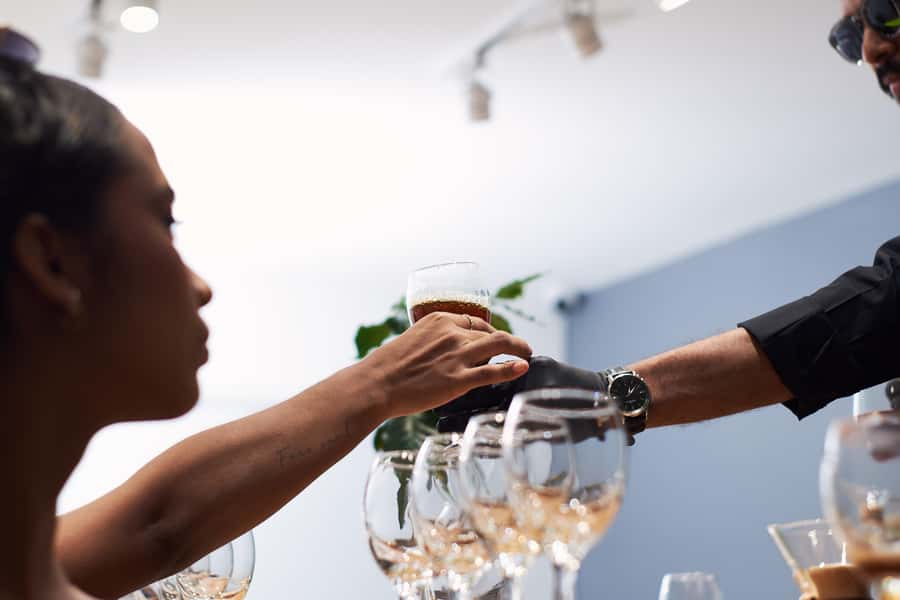
Cartagena’s best coffee lesson happens not on a mountain farm, but in a polished coffee experience center where the bean’s full story comes alive. In two hours, you move from Colombian growing and processing to a three-coffee tasting, with fruit, chocolate, aroma samples, and several brewing methods along the way.
I like the serious sensory training, which gives you useful tools instead of simply handing over three cups. I also like the range of guides, including Tomas, Santiago, Pedro, Arturo, and Sebastián, who bring their own style to the session. The main drawback is that this is more classroom lesson than social coffee crawl, and the address can be confusing if you do not use the exact café name.
Key points to know before booking
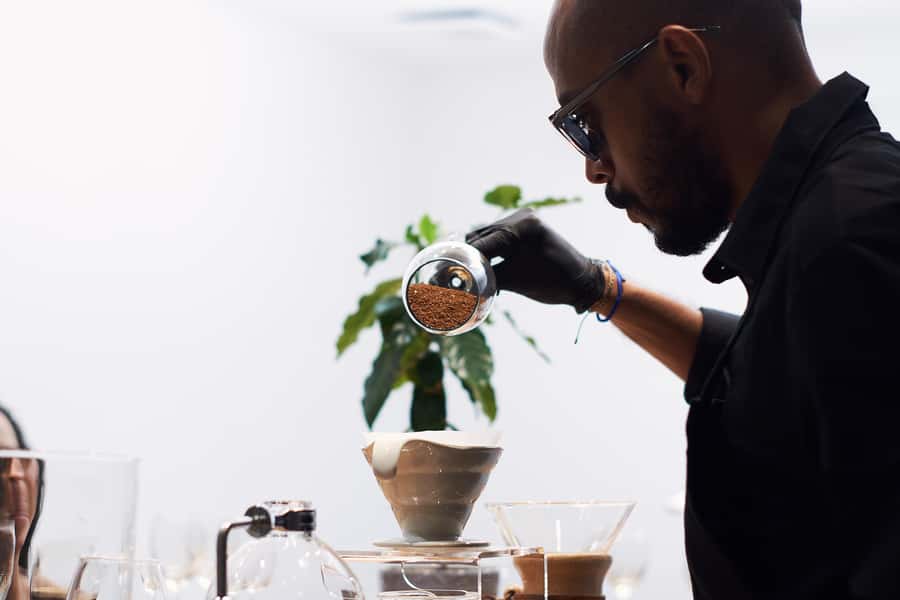
- Three coffees, three brewing methods: Compare Chemex, V60, and Hario TCA-5 siphon preparations, each chosen to reveal different flavors and textures.
- A classroom-to-cup lesson: Learn about Colombian coffee growing, harvesting, processing, roasting, and extraction without leaving Cartagena.
- A proper sensory workout: Use a coffee aroma kit, fresh fruit, dried fruit, and chocolate to build your tasting vocabulary.
- English or Spanish instruction: Guides such as Tomas and Santiago have led sessions in English, while bilingual instruction is available.
- Excellent value at $15: The price includes the tasting, sensory activities, instruction, and a participation diploma.
- Allow time to find Cafe-472: The meeting point is the coffee experience center, but one incorrect map result has sent visitors to the wrong place.
What this Cartagena coffee experience really offers
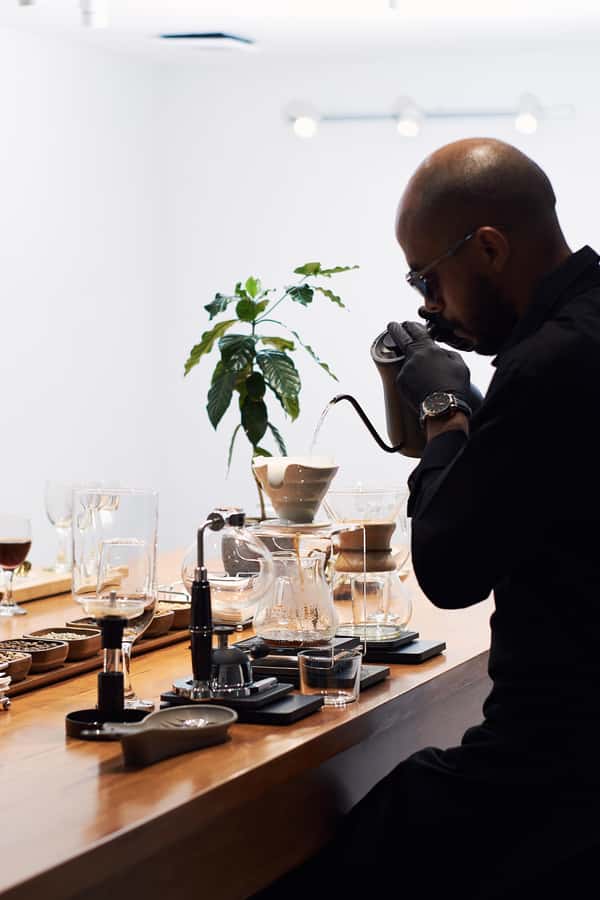
You are not signing up for a plantation excursion. You are visiting a dedicated coffee laboratory and experience center in Cartagena, where the lesson follows the bean from its earliest stage to the final drink.
That distinction matters. Colombia’s famous coffee regions are far from the coast, and a farm visit requires much more time and transport. This activity gives you the key ideas in a compact format, making it a useful choice if Cartagena is your base and you want more than a quick café stop.
The advertised session lasts two hours. Some groups have taken closer to three hours when questions and extra tasting are added, so I would not schedule a tight appointment immediately afterward. The pace is educational, but the subject is pleasant: you learn while holding, smelling, tasting, and comparing coffee.
The setting is air-conditioned, clean, and designed for this purpose. That is a real advantage in Cartagena’s heat and humidity. You can focus on aromas and flavors instead of trying to conduct a tasting in a noisy outdoor café.
More Colombian Coffee Farm Tours in Cartagena:
- Cartagena Highlights: San Felipe, Popa & Coffee Experience
★ 4.5 · 39 reviews - Cartagena: History, Culture & Coffee Experience
★ 5.0 · 5 reviews - Cartagena: Coffee Tasting
★ 4.5 · 5 reviews
Starting with Colombia’s coffee story
The opening lesson covers Colombian coffee from cultivation through harvesting and processing. You get a classroom explanation of the plantation system, the coffee plant, and the steps that transform the bean from its parchment stage into something ready for roasting and brewing.
I find this part especially useful for people who drink coffee every day but have never thought about how much happens before the first sip. It gives context to later flavors. A discussion of processing is not just technical filler, since washing and other methods can affect sweetness, acidity, body, and aroma.
The guides bring different personalities to this introduction. Tomas is repeatedly described as passionate and clear, while Santiago has a lively way of keeping the session accessible to beginners. Pedro has also led the workshop, explaining modern filter techniques in detail. The guide assigned to your time may vary, but the format remains focused on Colombian specialty coffee.
Do not expect a long lecture about every coffee-growing department in the country. The useful point is simpler: coffee quality depends on far more than the word Colombia on a package. Growing conditions, picking, processing, roasting, and preparation all shape what reaches your cup.
Training your nose before tasting
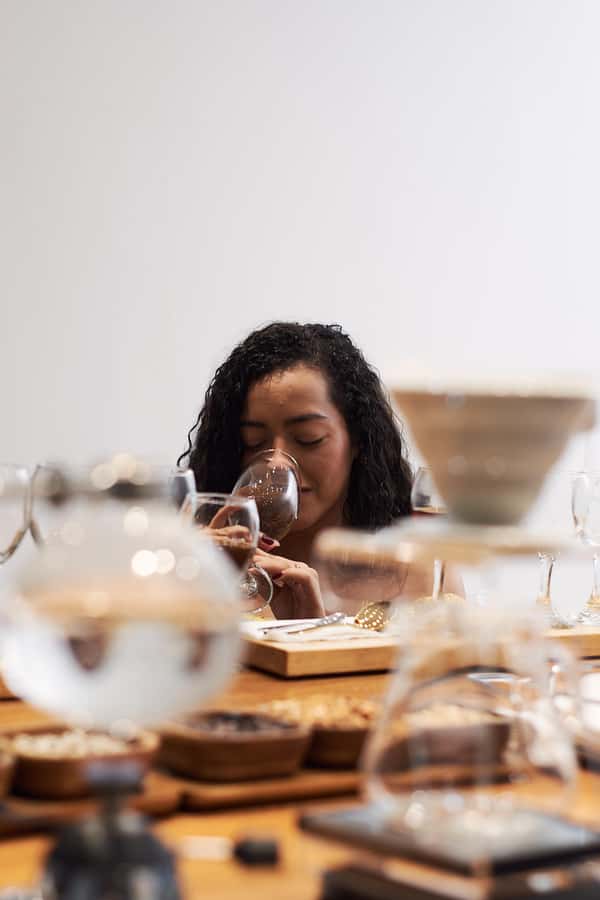
The sensory work begins before you drink much coffee. You use a coffee nose, or aroma kit, to identify familiar smells and connect them with what appears in the cup.
This is a smart teaching method. Your nose often notices more than your tongue, but most of us lack the vocabulary to describe what we smell. The session helps you link coffee aromas with things you already know, such as fresh fruit, dried fruit, chocolate, floral notes, and honey-like sweetness.
Fresh and dehydrated fruits, along with chocolate, are used to awaken your taste senses. These are not merely snacks placed beside the coffee. They give you reference points. If a cup suggests fruit, you have actual fruit nearby to help you think about the comparison.
I like that the activity does not assume you already speak the language of specialty coffee. You learn to discuss acidity, body, sweetness, aroma, and texture in plain terms. A beginner can follow the lesson, while a serious coffee drinker has enough detail to sharpen existing skills.
Still, this is guided sensory work, not a formal professional certification course. You will gain a useful foundation, not the full training of a coffee judge or barista.
Three cups with three different personalities
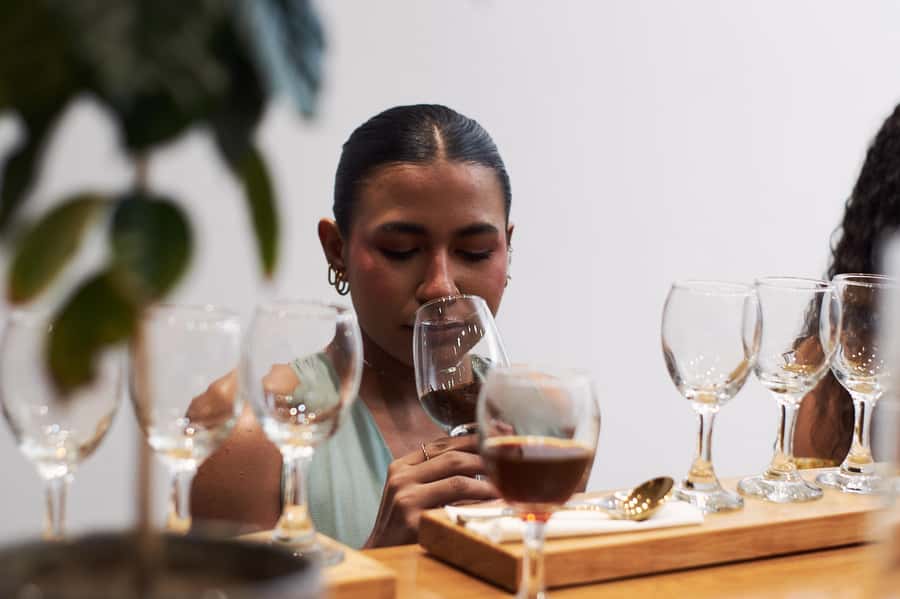
The tasting is the heart of the session. Three Colombian specialty coffees are prepared using different extraction methods and profiles. The goal is not to name a winner, but to understand how preparation changes the way coffee tastes.
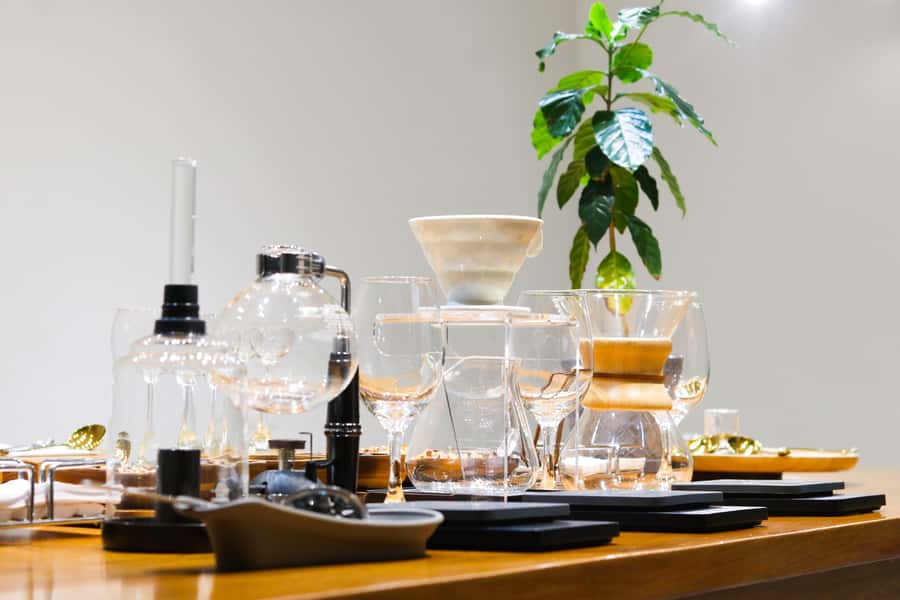
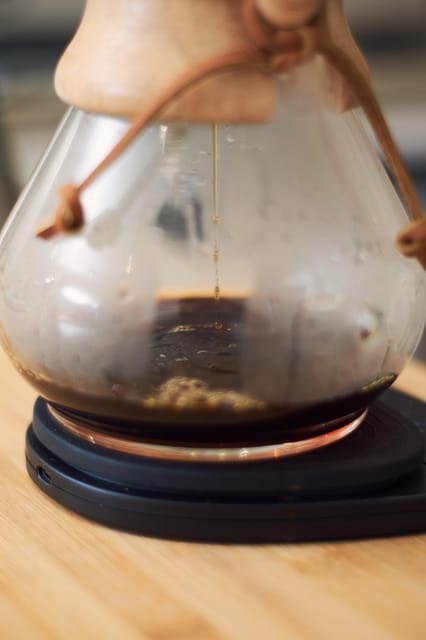
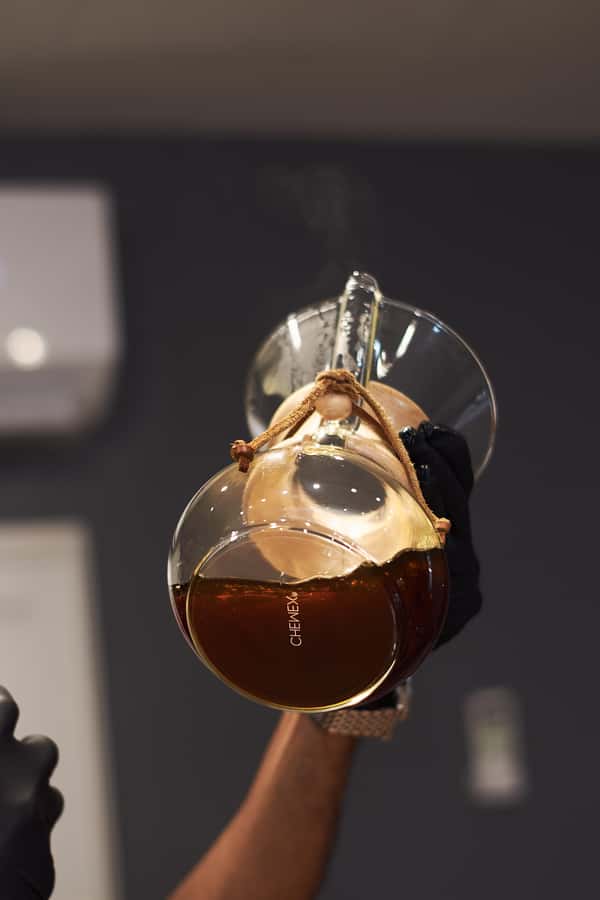
The exact coffees can vary, but the brewing examples described in the experience include the Chemex, V60, and Hario TCA-5 siphon. Each one gives you a different way to read the same basic subject: aroma, acidity, body, sweetness, and finish.
A few more Cartagena trips to weigh up
- Cartagena Coffee Masterclass: Artisanal Roasting and Brewing
★ 5.0 · 3 reviews - Medellin: Coffee Tour with Transport, Snacks and Tastings
★ 4.7 · 1,357 reviews - Medellín Coffee Farm Tour with Trolley and Cable Car Ride
★ 4.9 · 277 reviews - Coffee Tour at the Finca del Café
★ 5.0 · 213 reviews
Chemex: clear, fruity, and complex
The Chemex is used to bring forward fruity and complex notes. Its clean style can make delicate flavors easier to notice, especially if you usually drink darker or heavier coffee.
For you, the value is comparison. Instead of hearing that a coffee has fruit notes and accepting the claim, you can taste how a clear filter preparation reveals those notes. The cup may feel lighter and more precise than the coffee served in a standard French press or espresso drink.
V60: brightness and body
The V60 highlights brightness and body. That may sound contradictory at first, but the point is to notice more than one feature at once. A coffee can have a lively, bright edge while still feeling substantial in your mouth.
The guide explains what the method is doing and why a particular filter or pouring approach changes the result. This is one of the more practical parts of the experience, because you can carry the idea home and apply it to your own brewing.
Hario TCA-5 siphon: smooth and honey-scented
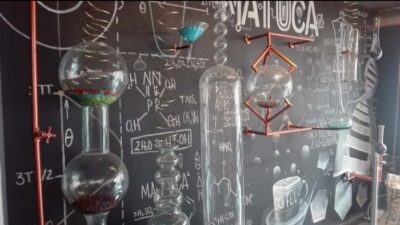
The Hario TCA-5 siphon offers a rounder, smoother cup with honey aromas. The equipment itself adds a visual element, but the important lesson is the texture and balance in the finished drink.
For someone who normally adds milk or sugar, this may be the most revealing cup. You can see how a well-prepared specialty coffee develops sweetness and softness without needing extra ingredients.
The three methods make the session feel like a guided comparison rather than three unrelated samples. You begin to understand that brewing is not a minor final step. It changes what you notice.
Learning to describe coffee without sounding like a professional
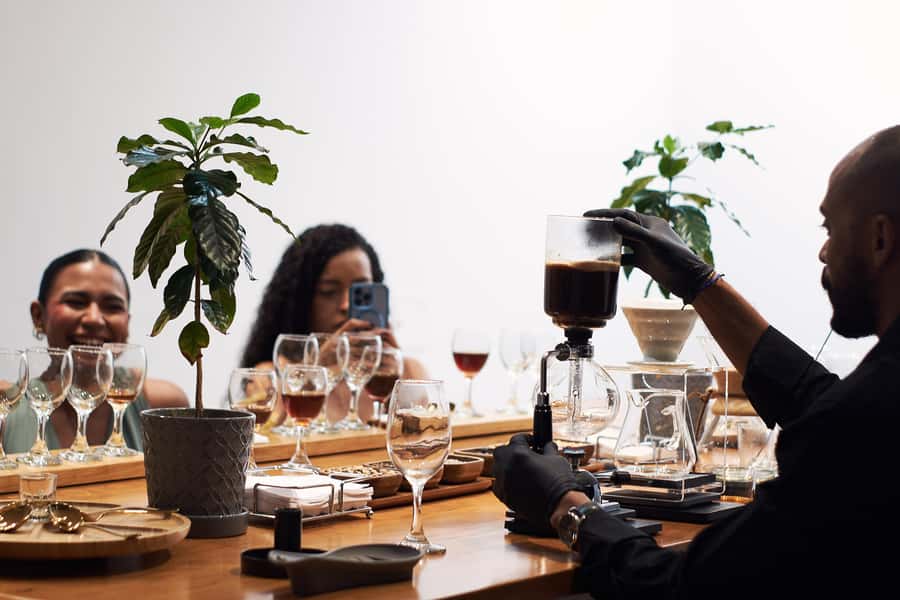
Many coffee tastings become frustrating because the vocabulary feels exclusive. This experience takes the opposite route. You activate your senses first, then use simple comparisons to describe what you detect.
You may discuss whether a coffee feels light or full, sharp or smooth, dry or sweet. You may connect a smell with chocolate, a fresh fruit, a dried fruit, or honey. The point is not to produce a perfect answer. The point is to identify what you prefer and why.
I value this because it makes future café visits more rewarding. You can ask better questions, choose a brew method with more confidence, and recognize why one coffee appeals to you more than another.
It also helps if your group has mixed interest. One person can arrive as a serious coffee drinker, while another drinks little or no coffee. The tasting includes enough aroma and flavor work to make the process interesting even before personal preference takes over.
The format can feel lecture-heavy. One participant described it as high-end and polished but not especially social or interactive. That is fair. You will answer questions and take part in tasting exercises, but this is not a hands-on party where everyone is constantly brewing together.
The guides make a real difference
The strongest part of this experience is the human teaching. Tomas is frequently singled out for his command of Colombian coffee and his warm, engaging manner. Santiago is praised for making technical points fun and approachable, and Pedro is noted for explaining several third-generation filter techniques clearly.
Arturo and Sebastián have also led sessions, while Miguel has hosted tastings that combine coffee production details with good humor. The guide depends on the date and schedule, so you cannot necessarily request the person whose style appeals to you most.
That variety is worth keeping in mind. Some sessions may feel more like a polished talk, while others may include more questions, photos, or hands-on preparation. If your group is small, you may receive unusually personal attention. Several single bookings have gone ahead as full sessions rather than being cut short.
The instruction is available in English and Spanish. A bilingual session has also worked well for a family group with different language needs. If language matters to your booking, confirm the option available for your chosen time.
Is $15 a fair price?
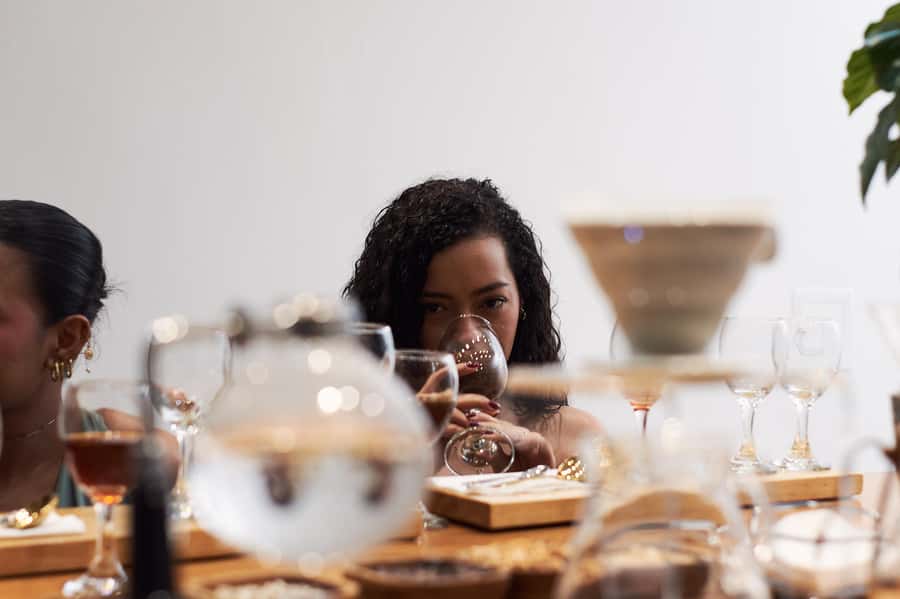
At $15 per person, this is an easy activity to justify if you enjoy coffee or want a low-cost cultural lesson in Cartagena. You receive a two-hour introduction, three specialty coffees, sensory materials, brewing demonstrations, and a participation diploma called Awakening of the Coffee Senses, From the Seed to the Cup.
The value is not simply the amount of coffee you drink. A quick cup in a good café may cost less, but it will not explain growing, processing, aromas, body, extraction, and tasting technique in one sitting.
You also avoid the cost and travel time of reaching a coffee farm outside Cartagena. If you are planning a longer trip through Colombia’s coffee region, this session will not replace that rural experience. It does, however, give you a useful introduction before you visit farms or specialty cafés elsewhere.
The activity is a particularly good deal for couples or small groups with different levels of interest. A devoted coffee drinker gets new brewing ideas, and a beginner gets a clear introduction without committing to an expensive course.
Finding Cafe-472 without a wrong turn
The meeting point is the coffee experience center. You simply tell the venue that you are there for the activity.
There is one practical warning: an address used by some booking systems has directed people to the wrong place. Searching for Cafe-472 is safer. Searching for Consultorio Dra. Bleidys Mendoza Sotomonte may also help, since the café is described as being across from that dental office.
An Uber search using the café name has worked well. I would save the café location before leaving your hotel, especially if you are walking in the heat. The café has a recognizable interior, and showing a photo of it to someone nearby can help if your map drops you at the wrong spot.
This is not a major flaw in the coffee lesson itself, but it can sour the first ten minutes of the outing. Arrive with enough time to get your bearings and cool down before the tasting begins.
What to bring and what to avoid
Wear comfortable clothes for a two-hour indoor class, and arrive ready to smell carefully. Most important, avoid strong fragrances such as heavy perfume or cologne. They can interfere with your own nose and make it harder for others to assess delicate aromas.
You do not need prior tasting experience. The guide introduces the basic vocabulary and walks you through the sensory exercises. Bring questions if you have them, since the experience can run longer when the group gets engaged.
A small camera or phone is useful for the equipment and the café setting, and guides have been accommodating about allowing photos and video. The main thing to leave behind is the idea that you need to perform like an expert. The lesson works best when you simply describe what you smell and taste.
Who should book this experience?
I would choose this for:
- Coffee drinkers who want to understand specialty preparation
- First-time visitors to Colombia seeking a local food and drink experience
- Couples or friends with mixed levels of coffee interest
- People who enjoy relaxed, indoor activities during Cartagena’s hottest hours
- Anyone planning to visit Colombian coffee farms later in the trip
- Home brewers curious about Chemex, V60, or siphon methods
I would skip it if you dislike coffee completely, cannot tolerate tasting several caffeinated drinks, or want a walking tour with lots of conversation and city sights. The session stays inside the café and experience center, and its main pleasure comes from focused tasting rather than sightseeing.
If you are sensitive to caffeine, ask the guide what tasting approach is possible before you begin. The provided information confirms that several coffees are prepared and tasted, but it does not specify decaffeinated options.
Booking, timing, and cancellation
The price is $15 per person, and the listed duration is two hours. Starting times depend on availability. Free cancellation is available up to 24 hours in advance for a full refund, and you can reserve now and pay later.
The activity offers a separate entrance for avoiding the main line. That matters less than at a major monument, but it can make arrival simpler if the café is serving regular customers at the same time.
Plan this as a calm part of your Cartagena day. It pairs naturally with time in Manga and Getsemaní, as long as you allow for the heat, the occasional address confusion, and a session that may continue beyond two hours if the discussion is lively.
Final verdict: a smart cup of Colombian culture
I would book the Cartagena Colombian Specialty Coffee Tasting if you want to understand why Colombian coffee is prized, not just drink another cup of it. The best parts are the clear seed-to-cup explanation, the aroma work, and the direct comparison of Chemex, V60, and siphon coffee.
The experience is not a plantation visit, and it is not highly social. It is a polished, educational tasting in an air-conditioned center, with guides who care deeply about their subject. At $15, that is strong value.
Book it if you like coffee, want a useful indoor activity, or hope to return home with a better sense of how to brew. Use Cafe-472 as your map target, avoid fragrance, and leave room in your schedule for an enthusiastic guide to keep the conversation going.
FAQ
How long does the Colombian coffee tasting last?
The listed duration is two hours. Some sessions may last longer when the group asks many questions or receives additional tasting time.
How much does the activity cost?
The price is $15 per person.
Which languages are available?
Instruction is available in English and Spanish.
How many coffees will I taste?
The experience includes three different Colombian specialty coffees, prepared with different methods and profiles.
Which brewing methods may be included?
The described methods include Chemex, V60, and the Hario TCA-5 siphon.
Where does the activity take place?
It takes place at a coffee experience center known as Cafe-472 in Cartagena, Bolívar, Colombia.
Can I cancel and receive a refund?
You can cancel up to 24 hours in advance for a full refund. You can also reserve now and pay later.
More Food & Drink in Cartagena
- Cartagena: Guided Street Food Tour with Tastings
★ 4.9 · 833 reviews - Cartagena: Boutique Rum and Chocolate Tasting at Lunático
★ 4.9 · 121 reviews - Cartagena Bazurto Market: Authentic Food & Culture Tour
★ 4.5 · 13 reviews - Private Street Food Tour in Walled City and Getsemani
★ 3.9 · 11 reviews
Just added around Cartagena
- Shared Old Cartagena & Getsemani Tour with Wireless System★ 4.4 · 8 reviews
- Cartagena: Scuba Diving Day Trip at Playa Blanca with Lunch★ 4.0 · 22 reviews
- Scenic Horseback Ride in Tropical Mountain Reserve★ 5.0 · 4 reviews
- San Felipe Castle and Getsemani Walking Tour with tickets★ 4.3 · 27 reviews
- San Basilio de Palenque Private Day Tour★ 4.2 · 4 reviews
- Rosario Islands -Barú : Agua Azul Beach, with lunch★ 4.0 · 8 reviews
- Cartagena: Rosario Islands Private Boat Tour★ 4.8 · 3 reviews
- Mud Volcano Tour in Cartagena with Lunch★ 3.4 · 3 reviews
Colombian Coffee Farm Tours, compared.
Coffee Tour with Transport, Snacks and Tastings
Read our review →
Medellín Coffee Farm Tour with Trolley and Cable Car Ride
Read our review →
Horseback Riding Coffee Farm Tour with Coffee Spa
Read our review →
Browse the lists this tour appears in