
Reviewed · COMUNA 13 TOURS
Coffee Experience with roasting show in Comuna 13
The most interesting part of this Comuna 13 coffee experience is that you do not simply sip a finished cup. You handle the coffee fruit, follow its changes through several farm processes, watch a professional roast the beans, and then taste the result. It turns a familiar drink into a small lesson in farming, labor, and Colombian culture.
I like the hands-on format, which keeps the one-hour visit lively, and I like the clear connection to 30 coffee-growing families in rural Medellín. Katherine, who helps run the museum with her family, guides the session in English or Spanish and can answer questions as you go. The main drawback is its short length: you learn a lot, but anyone hoping for a full coffee-farm visit or a long tasting session will find this too brief.
Key points to know before you book
- Coffee fruit becomes the lesson: You handle and transform the fruit so each stage makes sense.
- The roasting show is the centerpiece: A professional roaster demonstrates how green beans become fragrant roasted coffee.
- Two specialty coffees are included: You taste and evaluate two coffees rather than simply receiving one drink.
- Katherine leads in English or Spanish: Her family runs the museum and works with coffee growers in the Medellín area.
- The location fits neatly into a Comuna 13 visit: Medallo Coffee is one block from the beginning of the graffiti tour.
- Your $20 supports a local connection: The experience contributes to 30 coffee-growing families in rural Medellín.
Why this one-hour coffee lesson works
Colombia is famous for coffee, but fame can make the drink feel abstract. You see a bag marked Colombian coffee, order a cup, and move on. This visit puts the work back into the cup.
At Medallo Coffee, the focus is the full chain from planting to preparation. You learn that coffee is not ready when the red fruit is picked. The fruit must pass through several processes before the bean can be roasted, ground, and brewed.
That approach is useful because it gives you a better way to taste coffee afterward. You start noticing that the final drink reflects choices made long before the beans reached a café. The session is educational, but it is not presented as a lecture. You touch the materials, take part in the changes, and watch the roasting happen in front of you.
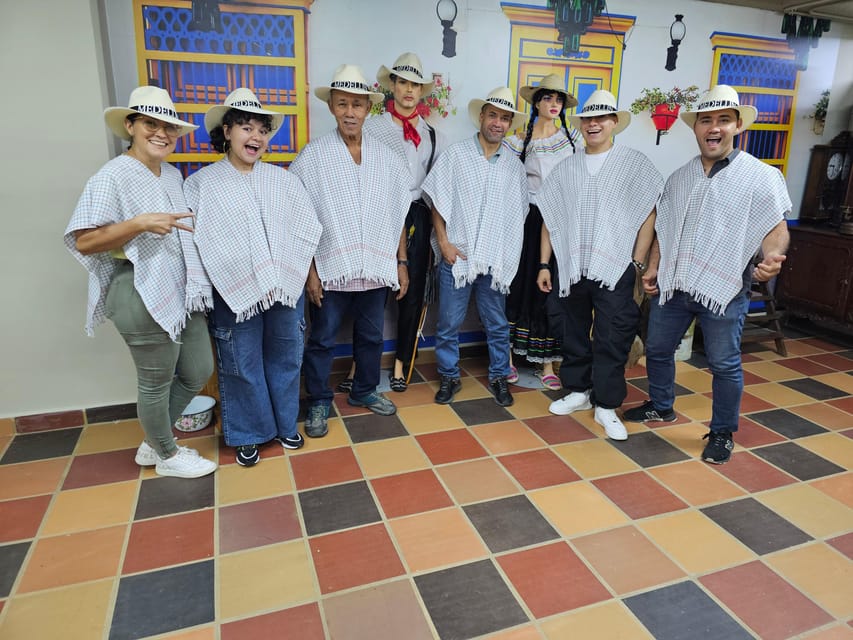
The setting also adds a cultural layer. The museum is in Comuna 13, an area many people visit for its graffiti tour and public escalators. Here, you get another view of local life through Paisa culture and the work of coffee-producing families connected to the region.
More Colombian Coffee Farm Tours in Medellin
- Medellin: Coffee Tour with Transport, Snacks and Tastings
★ 4.7 · 1,357 reviews - Medellín Coffee Farm Tour with Trolley and Cable Car Ride
★ 4.9 · 277 reviews - Medellin: Coffee Tour and Wellness Spa
★ 4.8 · 209 reviews
Finding Medallo Coffee in Comuna 13
The meeting point is Medallo Coffee, a museum and shop on Floor -1 of a high, colorful building. It is one block from the beginning of the graffiti tour, so the location is easy to combine with other time in Comuna 13.
You return to the same place at the end. There is no transport between stops, no farm transfer, and no long walk built into the activity. That makes the tour simple to add before or after your Comuna 13 sightseeing.
I would allow a little extra time to locate the entrance, especially if you are already moving through the busy streets around the graffiti route. The supplied directions point you to the lower floor, rather than a street-level storefront, so pay attention to the building and floor information.
Because the activity lasts only one hour, timing matters. It can work well as a planned break during a Comuna 13 outing. If you book an early or late starting time, check the exact availability when reserving and build the rest of your day around that hour.
Touching the coffee fruit before tasting the bean
The session begins with the coffee plant and fruit, not with a cup. You learn about planting, care, harvesting, and the work required before coffee can be processed.
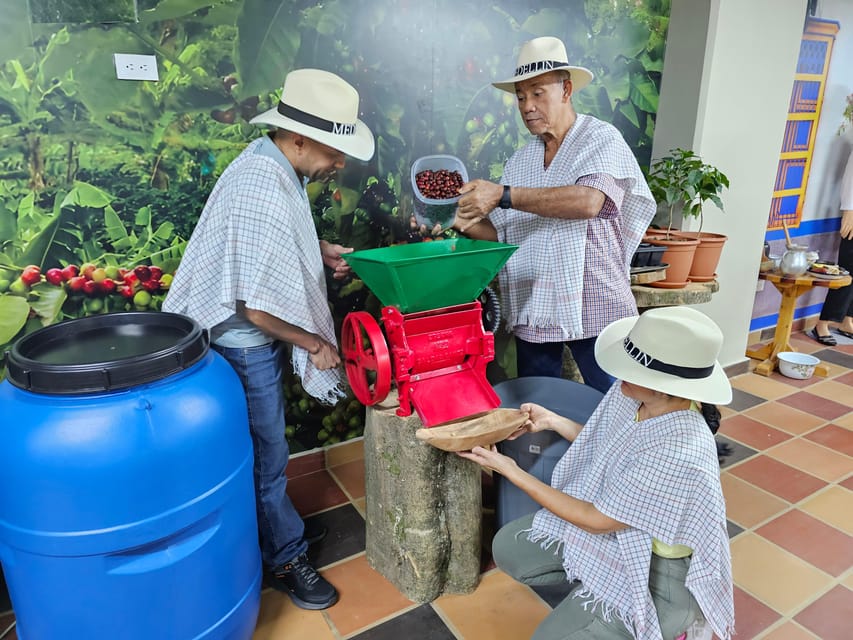
The hands-on element is important. You can touch and transform the coffee fruit, following its physical changes through three interesting processes used on coffee farms. The goal is not to turn you into a coffee farmer in an hour. It is to help you understand what each stage does and why growers put so much care into the crop.
This is one of the best parts for families and curious first-time coffee drinkers. A child may remember changing the fruit more easily than remembering a technical explanation. Adults get a clearer sense of the labor behind a product that often arrives in a café with little explanation.
The experience also gives attention to coffee growers. You hear about the effort involved in planting and caring for the plants, then harvesting and processing the crop. The connection to 30 coffee-growing families in rural Medellín gives the lesson a local purpose instead of making it only a tasting activity.
You should expect an introduction to the processes rather than a visit to the farms themselves. The museum brings the stages together in one place, which saves time but cannot show you the fields, harvest conditions, or daily work firsthand.
Three farm processes explained in plain terms
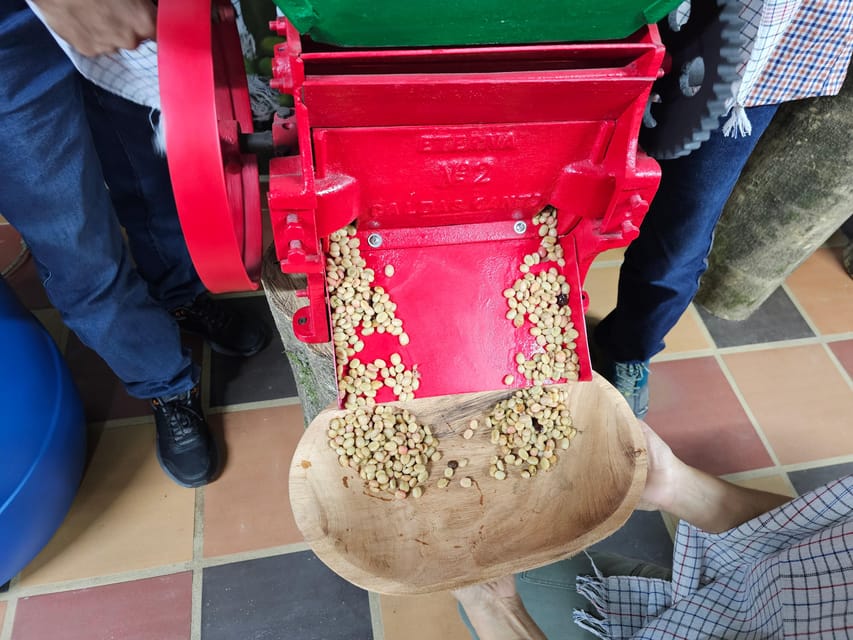
The activity highlights three coffee processes from the farms. You interact with the material as the guide explains how the fruit changes on its way toward a usable coffee bean.
That detail is more valuable than it may sound. Many coffee tastings jump straight to flavor notes, but flavor begins with how the crop is handled. By seeing the stages before roasting, you gain a basic framework for understanding why two coffees can taste different even when they come from the same country.
The guide also explains the scale of human effort behind the crop. Coffee growing requires planting, care, harvesting, and processing. You may leave with a better appreciation of why high-quality coffee costs more than a basic hot drink and why the work of small growers matters.
This section is educational without requiring previous coffee knowledge. You do not need to know the difference between technical processing terms before arriving. The point is to give you a practical visual and tactile understanding as you move through the session.
Same city, a completely different kind of day:
- Medellin: Comuna 13 Graffiti Tour, Cable Car & Street Food
★ 4.8 · 9,046 reviews - Medellín: The Real Pablo Escobar Tour
★ 4.8 · 3,205 reviews - Medellín: Comuna 13 True Story and Street Food Tour
★ 4.9 · 1,779 reviews - Medellín: Comuna 13 District Tour with Cable Car Ride
★ 4.8 · 1,467 reviews
The roasting show with a professional roaster
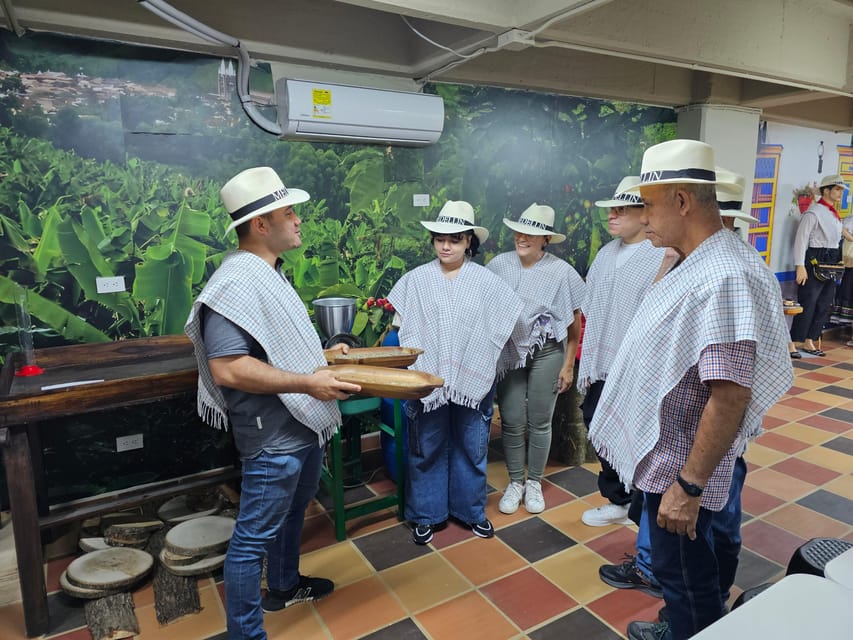
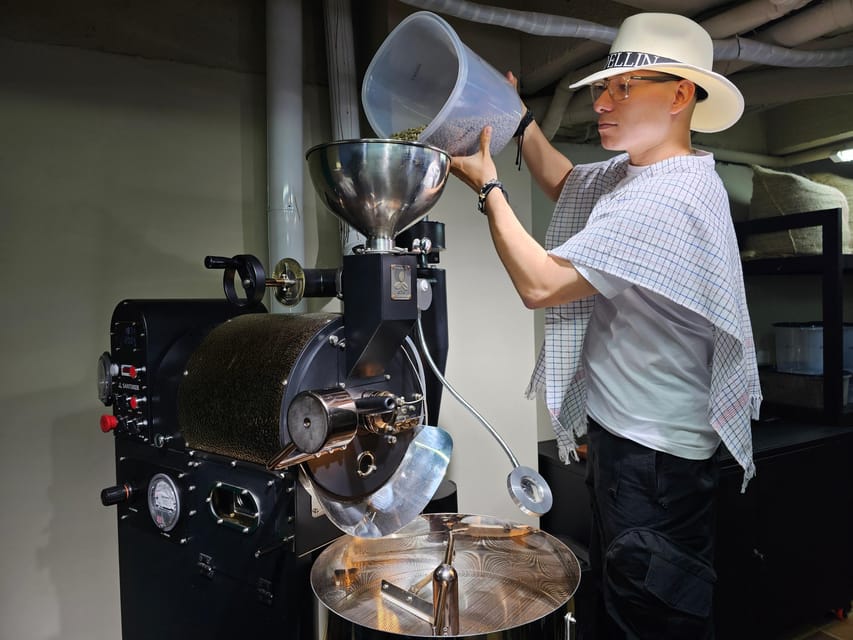
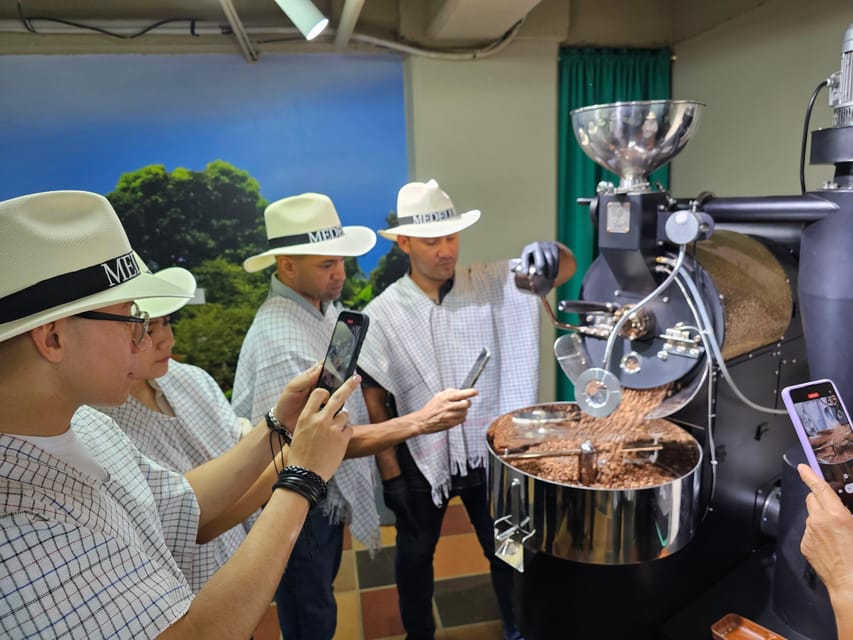
The roasting demonstration is the most theatrical moment. A professional roaster uses a roasting machine to show how the beans change under heat.
Watching the process helps connect the earlier farm lesson with the drink you eventually taste. The coffee begins as a processed bean, then changes in color, aroma, and character during roasting. You see that roasting is not just a final mechanical step. It is a major part of how the coffee reaches the cup.
The demonstration is described as a show, but the value is practical. You can ask questions, watch the machine, and see the transformation rather than hearing about it in the abstract. It also gives the hour a natural rhythm: first the crop, then the processing, then the roast, then the tasting.
Do not expect a long professional roasting course. The format is a guided demonstration for visitors, and the whole activity lasts one hour. If you want to learn roasting in technical detail or practice using a machine yourself, you would need a longer specialist class.
Still, for a first introduction, the balance is good. The machine adds energy to the lesson, while the guide keeps the focus on the people and processes behind the coffee.
Tasting two specialty coffees
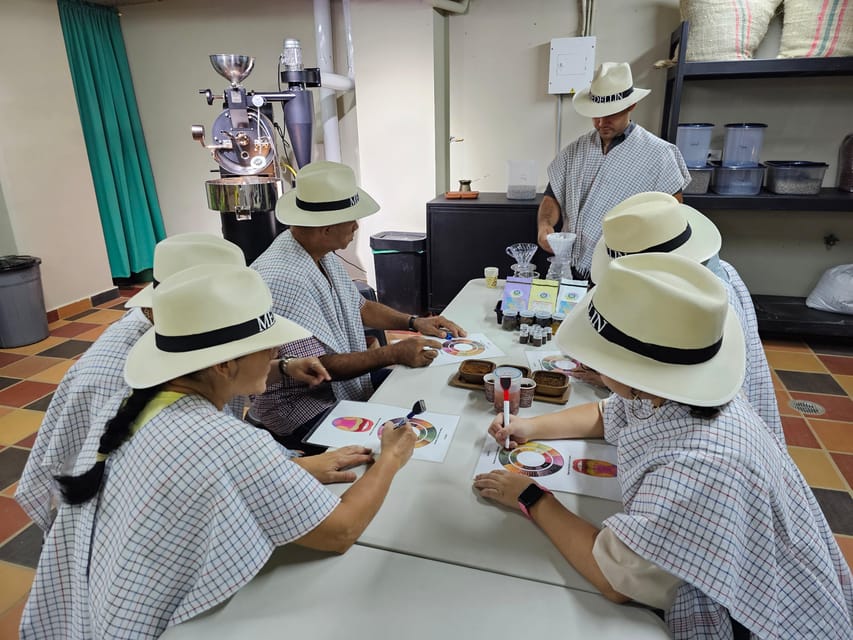
Two coffee tastings are included, and you are encouraged to evaluate them. This matters because the session does not stop at watching the beans roast. You get to consider how the finished coffee tastes.
At the beginning, you can order a drink from the menu, according to the information provided in the experience. The tasting portion then gives you two specialty coffees to compare. That lets you move between a familiar café-style drink and a more focused look at the coffee itself.
The guide can help you pay attention to differences, though the supplied details do not specify the exact varieties, origins, brewing methods, or flavor notes. You should therefore arrive ready to taste what is available that day rather than expecting a fixed coffee menu.
I like this part because it makes the earlier explanations useful. You can connect the farm processes and roast to the final flavor. Even if you are not serious about coffee, comparing two cups gives you a clear reason to slow down and pay attention.
Coffee enthusiasts may want more technical tasting information than a one-hour visit provides. For most people, though, two samples are enough to make the lesson memorable without turning the session into a formal certification class.
A coffee scrub for your hands
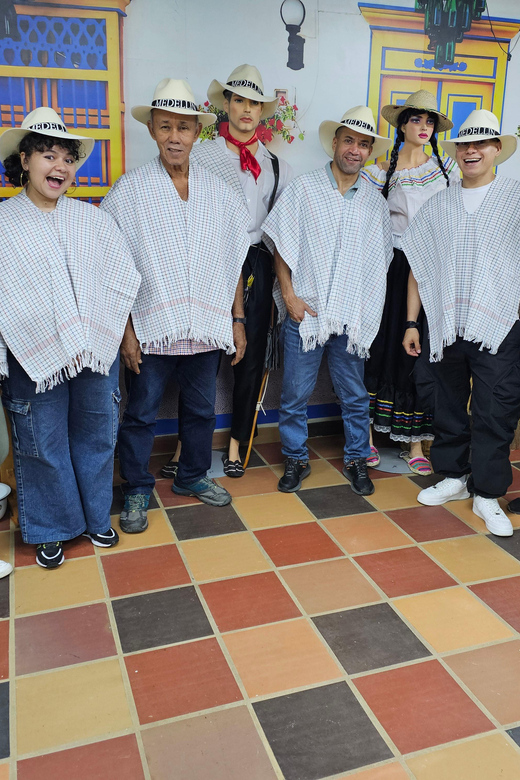
The hand exfoliation is a playful finish. You use a coffee cream to exfoliate your hands, giving the experience a sensory ending that reaches beyond drinking.
It may sound like a small extra, but it suits the theme. You have already handled the coffee fruit and watched the beans roast. Using coffee in a personal-care activity adds one more way to think about the product.
This is also a good break from information. The tour asks you to listen, touch, watch, taste, and then take part in a simple self-care activity. In a short session, that variety keeps the pace from feeling like a classroom.
The available information does not identify the ingredients in the cream or describe any allergy precautions. If you have sensitive skin, ask the guide before applying it. The activity is wheelchair accessible, but it is still sensible to mention any specific needs when booking.
Meeting Katherine and the family behind the museum
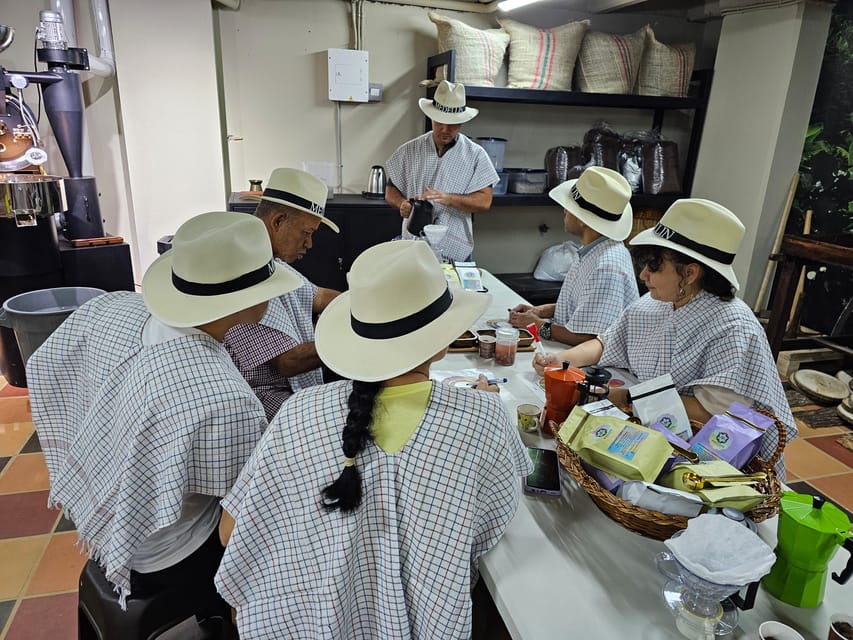
Katherine and her family run the museum, and Katherine guides the experience in English as well as Spanish. Her English is described as very good, and she answers questions throughout the visit.
That family connection gives the museum a more personal feel than a standard display room. You are not only looking at coffee objects behind glass. You are learning from people who have built an educational space around coffee production and who work with local coffee farmers.
This is especially useful if you want to ask simple, direct questions. You can clarify a process, ask about roasting, or check what you are tasting without worrying about having coffee vocabulary in advance.
Guide quality matters in a one-hour activity because there is no room for a slow or disorganized start. The experience is designed to keep moving from farm processes to roasting and tasting. Clear explanations in your preferred language make it easier to get value from the limited time.
Spanish-speaking visitors can take the tour in Spanish, while English-speaking visitors have an English option. That bilingual setup makes the museum a practical choice for a mixed-language group.
What the $20 price gives you
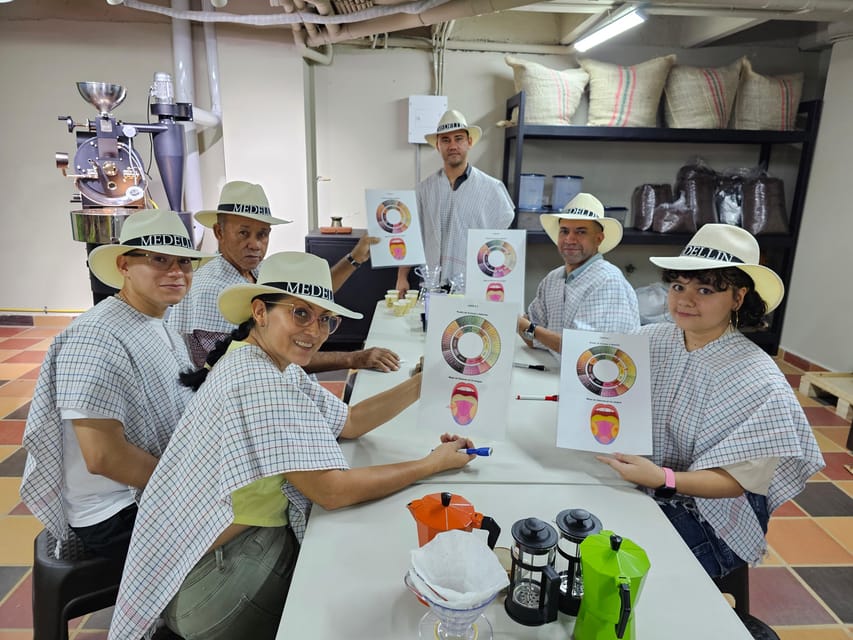
At $20 per person, this is not the cheapest way to have a coffee in Medellín. You are paying for a guided educational activity, not just a beverage.
The price includes the one-hour coffee experience, a local guide, two coffee tastings, and the educational materials. You also take part in the roasting demonstration and the coffee hand exfoliation. The visit is short, but the activities are varied.
I see the value most clearly if you are already planning to visit Comuna 13. Since the museum is near the start of the graffiti tour, you do not need to spend extra time reaching a separate coffee destination. The experience can add a focused cultural stop to a neighborhood visit.
The price may feel less worthwhile if you only want to drink a cup or if you already have strong knowledge of coffee processing and roasting. It is better suited to someone who wants context, interaction, and a local connection.
Your visit also contributes to the social impact work connected with 30 coffee-growing families in rural Medellín. That does not replace a visit to the farms, but it gives the admission a purpose beyond entertainment.
Who should book this Comuna 13 activity
I would recommend it to you if coffee is part of the reason you are visiting Colombia, but you do not have time for a longer farm excursion. In one hour, you get a clear introduction to planting, processing, roasting, and tasting.
It also suits families and mixed-age groups. The fruit handling, roasting machine, tastings, and hand scrub give the session several kinds of activity. You do not have to sit quietly and absorb a long talk.
This is a good choice for first-time coffee drinkers too. The guide introduces the subject from the beginning, so you do not need to understand processing terms or tasting language before you arrive.
It may also fit well for you if you are visiting Comuna 13 with friends who have different interests. One person can enjoy the coffee lesson, another can learn about Paisa culture, and everyone can continue with the neighborhood sightseeing afterward.
I would choose a longer farm tour instead if your main goal is to see coffee plants in the countryside, meet growers on their land, or spend several hours studying production. Those elements are not part of this museum visit.
Timing, language, and practical details
The activity lasts one hour, with starting times based on availability. Check the schedule before booking because the time you choose needs to fit around your Comuna 13 plans.
The tour begins and ends at Medallo Coffee. It does not include transportation, and there is no separate final stop. You receive the educational materials, two tastings, and the guided session as part of the booking.
English and Spanish are available. The experience is wheelchair accessible, which makes it a practical choice for visitors who need an accessible activity, though you should still share any particular requirements ahead of time.
Free cancellation is available up to 24 hours in advance for a full refund. You can also reserve now and pay later, which helps if your Medellín schedule is still shifting.
Should you book the coffee museum visit?
Book it if you want a compact, hands-on look at Colombian coffee while you are already in Comuna 13. The strongest reasons are the direct handling of the coffee fruit, the professional roasting show, the two specialty tastings, and Katherine’s family connection to the museum.
Skip it if you want a full countryside coffee day or a long technical roasting workshop. This is an introduction, not a farm visit or advanced class.
For $20, I think it offers solid value when you want more than a drink and less than a half-day excursion. Set aside one hour, find Medallo Coffee on Floor -1, and pair it with the nearby graffiti tour for a fuller visit to Comuna 13.
FAQ
Where does the coffee experience take place?
It takes place at Medallo Coffee, a coffee museum and shop in Comuna 13, Antioquia, Colombia.
Where is Medallo Coffee located?
The museum is on Floor -1 of a high, colorful building, one block from the beginning of the graffiti tour in Comuna 13.
How long does the experience last?
The guided coffee experience lasts one hour.
What languages are available?
The experience is available in English and Spanish.
Who guides the coffee experience?
Katherine helps run the museum with her family and guides the experience. The local tour guide is available in English or Spanish.
What is included in the price?
The price includes the one-hour coffee experience, a local guide, two coffee tastings, and all educational materials.
How many coffees will I taste?
You will taste two specialty coffees and have the chance to evaluate them.
Is the roasting demonstration included?
Yes. The experience includes a roasting show with a professional roaster and roasting machine.
Is the activity wheelchair accessible?
Yes, the activity is wheelchair accessible.
Can I cancel for a full refund?
Yes. You can cancel up to 24 hours in advance for a full refund.
More Coffee Experiences in Medellin
- Medellin: Coffee Tour with Hotel Transfers and Meals
★ 4.9 · 186 reviews - Medellin: Horseback Riding Coffee Farm Tour with Coffee Spa
★ 4.8 · 151 reviews - Coffee & Chocolate Private Tour in Medellin: Genuine Experience
★ 5.0 · 100 reviews - Coffee Tour with arrival on horseback and sugar cane processing
★ 5.0 · 90 reviews
More Comuna 13 Tours in Medellin
- Medellín: Private City Tour with Metrocable and Comuna 13
★ 4.9 · 330 reviews - Medellín: Comuna 13 Tour with Snacks And Your Own Graffiti
★ 4.9 · 311 reviews - City Tour + Commune 13 Medellin
★ 4.5 · 295 reviews - Medellín: Comuna 13 and Graffiti Guided Tour with a Local
★ 4.9 · 239 reviews
Just added around Medellin
- Comuna 13 Neighborhood & Street Art Private Tour★ 4.7 · 12 reviews
- From Medellín: El Retiro Private Tour with Food Tastings★ 4.4 · 8 reviews
- Medellin: Private 3-Hour Pablo Escobar Tour★ 4.8 · 37 reviews
- Medellín: Private Pablo Escobar and City Tour★ 4.6 · 24 reviews
- Private Tour Comuna 13 with Cable Car★ 5.0 · 4 reviews
- Private Pablo Escobar Tour – Dark days and the new Medellin★ 4.9 · 6 reviews
- City Tour of Downtown Medellin Private or Shared★ 4.9 · 8 reviews
- Luxury boat ride – Guatapé★ 4.2 · 6 reviews
Comuna 13 Tours, compared.
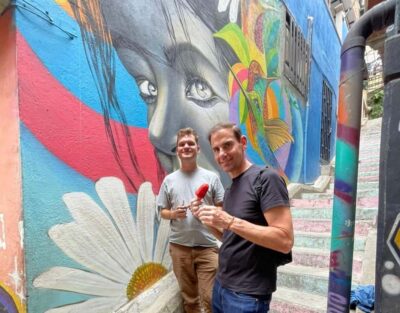
Comuna 13 Graffiti Tour, Cable Car & Street Food
Read our review →
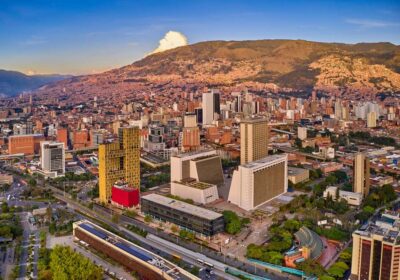
Private City Tour with Metrocable and Comuna 13
Read our review →
Comuna 13 Tour with Snacks And Your Own Graffiti
Read our review →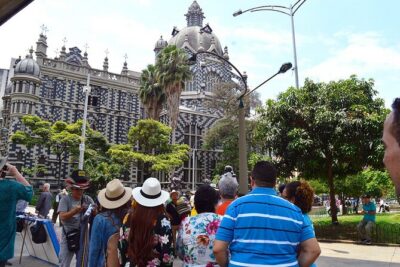
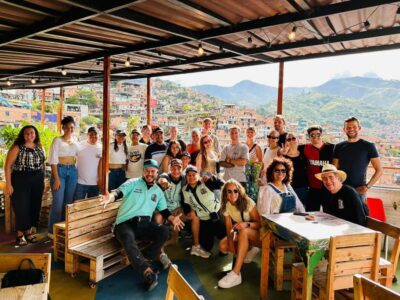
Comuna 13 and Graffiti Guided Tour with a Local
Read our review →
Browse the lists this tour appears in