
Reviewed · PABLO ESCOBAR TOURS
Medellín: Pablo Escobar Jail Private Tour
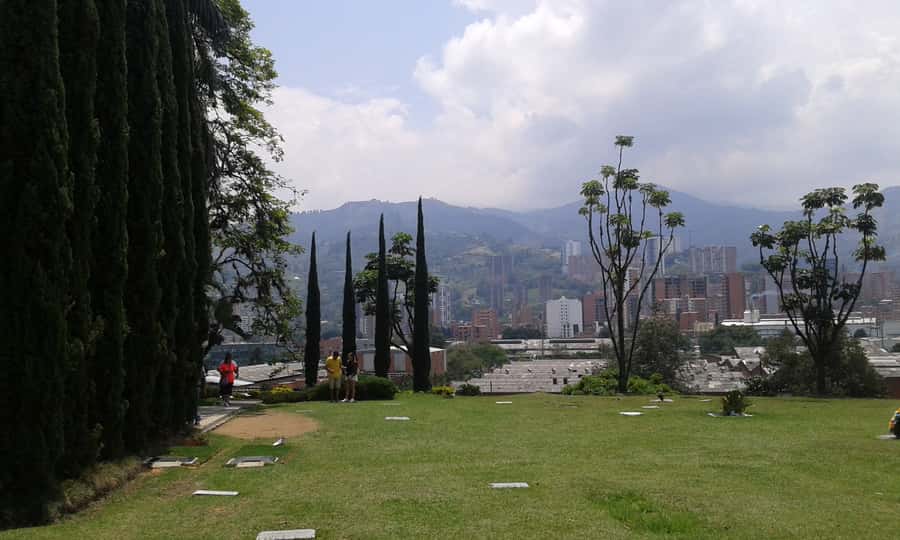
Escobar’s story becomes far more unsettling when you move from dates and headlines to the actual places tied to his power. This private Medellín tour takes you to his self-designed prison, the former Monaco building site where the Cali and Medellín cartel war began, and the last house where he lived and died.
I like the private format, since you can ask direct questions and spend more time on the parts that matter to you. I also like the hotel pickup, the four-hour length, and the effort to present Escobar as both a feared criminal and a figure who was revered by some Colombians. The main drawback is the subject itself: this is heavy material, not a light sightseeing outing.
Key points to know before booking
- See the prison Escobar designed for himself: Explore the place built to look like a prison while offering him unusual control and comfort.
- Follow the cartel rivalry through real sites: Visit the ruins of the Monaco building, linked to the beginning of the war between Medellín and Cali.
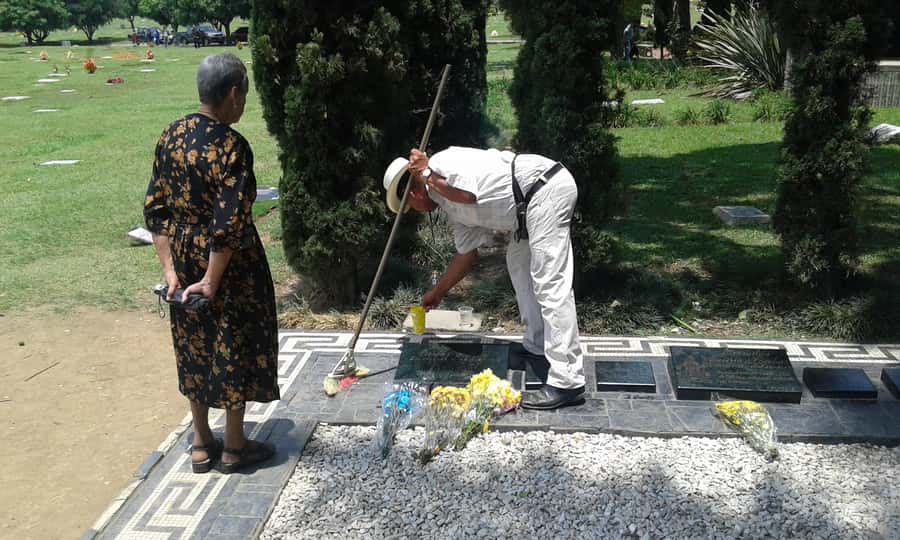
- Reach the final chapter: See the last house where Escobar lived and the site where he was killed.
- Travel privately for four hours: Your guide can shape the discussion around your questions instead of following a fixed group conversation.
- Meet guides such as Carlos and Sara: Carlos is praised for detailed explanations and careful service, while Sara is described as punctual, friendly, and professional.
- Plan for a serious tone: The tour covers murder, political conflict, victims, and the damage caused by the drug trade.
Why this tour is about places, not just Pablo Escobar
Pablo Escobar is often reduced to a larger-than-life criminal character. That version can be dramatic, but it misses the harder questions: Why did some people support him? How did he gain so much power? Why did politicians, rival traffickers, police, and ordinary families become caught in the violence?
This tour gives those questions a physical setting. You are not only hearing that Escobar built influence, fought rivals, and evaded authorities. You are visiting locations tied to those events. That helps you understand how a criminal empire affected Medellín beyond the man himself.
The experience also addresses Escobar’s extreme wealth. He rose from car theft to a fortune so large that he offered to pay Colombia’s 13 billion dollar national debt. That detail sounds almost absurd, but it shows the scale of his power and the way he tried to turn money into political influence.
I appreciate that the tour does not require you to admire Escobar to find the subject interesting. You hear about his supporters, but also about politicians and the families of thousands of victims who hated him. That balance matters. A tour about a notorious figure can easily become a fan club with photo stops. This one is better suited to you if you want history with moral weight.
More Pablo Escobar Tours in Medellin:
- Medellín: The Real Pablo Escobar Tour
★ 4.8 · 3,205 reviews - Medellín: Pablo Escobar Tour with beer included
★ 4.7 · 612 reviews - Medellin: Guatapé Day Trip & Boat to Pablo Escobar’s Estate
★ 4.7 · 365 reviews
The self-designed prison and Escobar’s idea of control
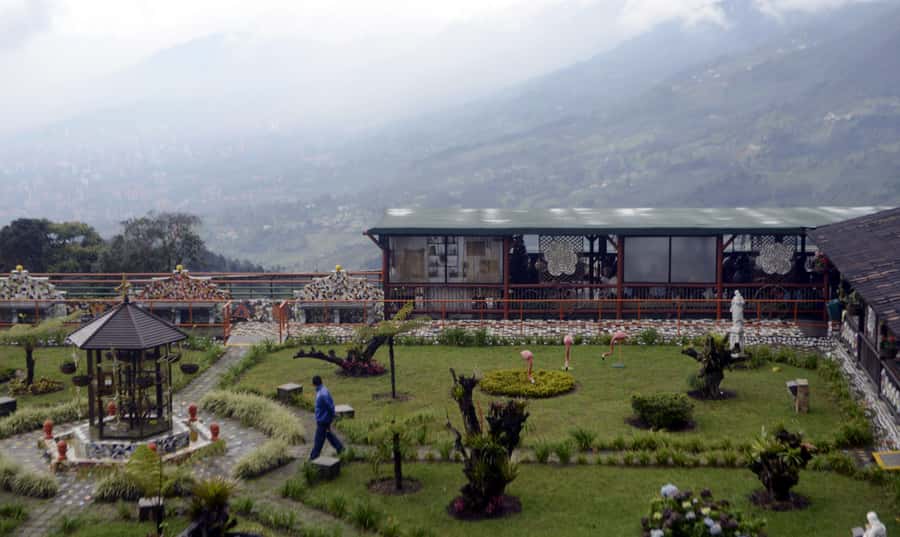
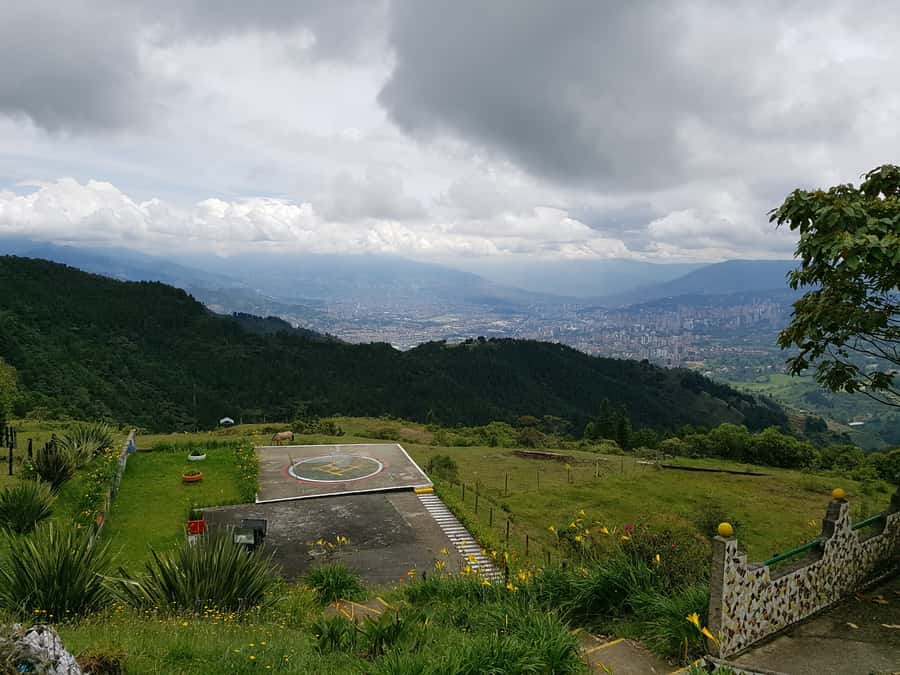
One of the central stops is Escobar’s self-designed prison. The word prison usually suggests confinement, but this place tells a more complicated story. Escobar arranged the conditions himself, creating a facility that allowed him to surrender while retaining a remarkable degree of control.
Your guide explains how this arrangement fit into the larger conflict between Escobar and the Colombian government. The stop is important because it shows the unusual relationship between criminal power and official authority during the period. Escobar was not simply hiding from the state. He was negotiating with it from a position of strength.
Expect this part of the tour to raise difficult questions. What does surrender mean if the person giving up can help design the place where he will stay? How much authority can a government lose while appearing to regain control? The site turns those questions into something concrete.
The tour also connects the prison to Escobar’s treatment of his own associates. You hear about the site where he murdered several of them. This is one of the grimmer parts of the outing, and I would not treat it as a casual stop for a quick photo. It shows that his violence was not aimed only at rival cartels or government officials.
For me, this is where the tour moves beyond the familiar story of a clever outlaw. Escobar’s power depended on fear inside his own organization as well as outside it. The prison and the murder site together show how control worked: through money, negotiation, threats, and violence.
The Monaco building ruins and the Cali Medellín cartel war
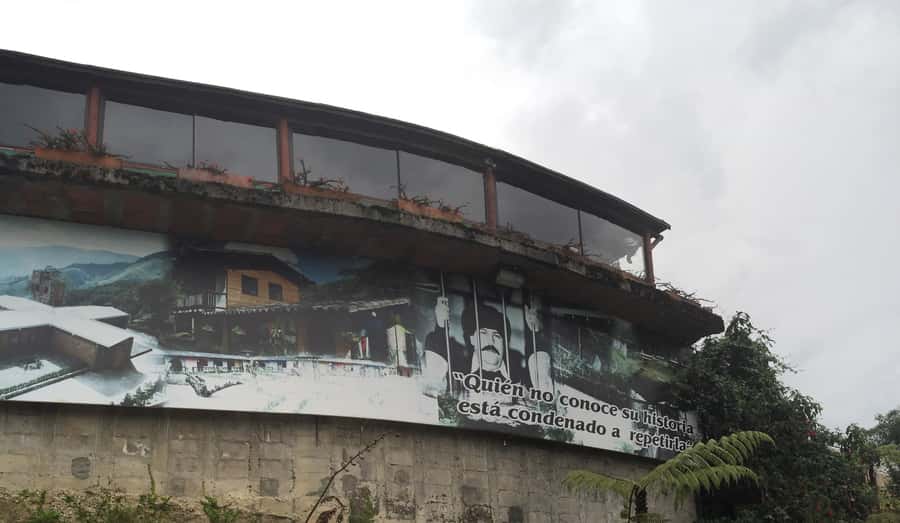
The ruins of the Monaco building mark another important chapter. This was connected to the beginning of the war between the Medellín and Cali cartels, two rival forces that shaped Colombia’s narco history in different ways.
You do not need to know every name or date before arriving. A good guide can explain the rivalry in plain language and show why this location mattered. The stop works best when you focus on the larger point: Escobar’s organization was not operating alone, and its enemies were not limited to the government.
The Monaco site also helps explain how cartel conflict reached into urban life. Rivalry was not an abstract business dispute. It brought fear, retaliation, and violence into Medellín. Seeing the ruins gives the discussion a physical anchor, even if the building itself is no longer intact.
I would ask your guide to explain the shift from personal rivalry to wider conflict. The private format gives you room to do that. You can ask about how the Cali and Medellín groups differed, why their interests clashed, and how the conflict affected the city.
The condition of the site is worth keeping in mind. You are visiting ruins, not a preserved museum with a full set of displays. That can be a limitation if you want polished exhibits or a formal historical presentation. On the other hand, the stripped-down setting keeps attention on the story and the city around it.
The last house and the place where Escobar died
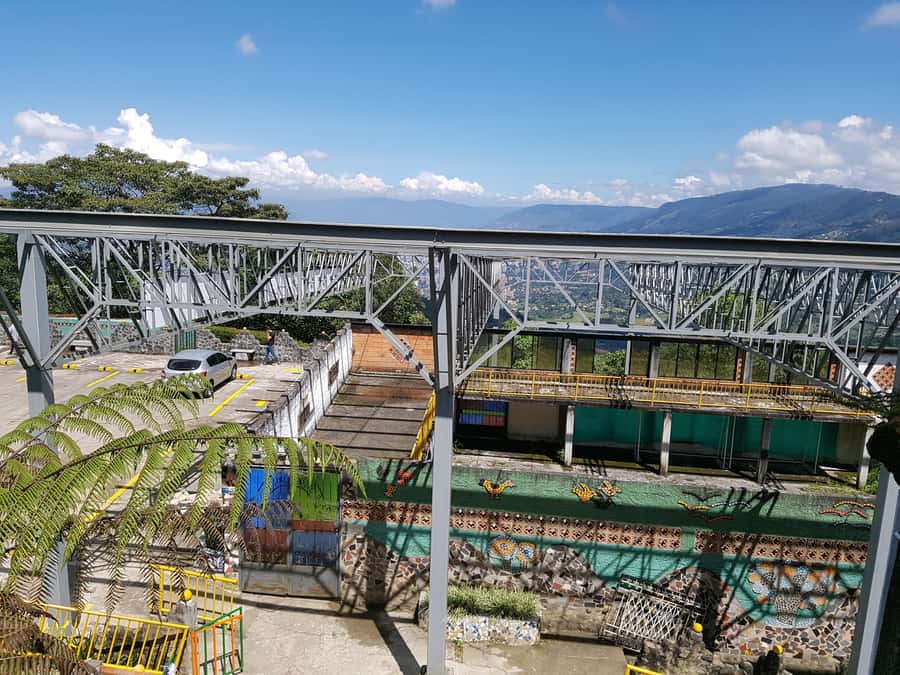
The final house where Escobar lived brings the story close to its end. After hearing about wealth, cartel conflict, political pressure, and internal violence, you reach the place connected to his last days.
This stop can feel more personal than the prison or Monaco ruins. A home suggests ordinary life, but Escobar’s home was tied to a national crisis and an international criminal network. The contrast is uncomfortable, and that is part of its value.
You also visit the site where Escobar was finally killed. The tour presents this as the closing point of his life and power. After years of evading capture and shaping events around himself, his story ends at a specific place in Medellín.
I like the structure of ending with these locations because it gives the four-hour experience a clear arc. You begin with Escobar’s rise, move through his power and enemies, and finish with his final home and death. That is easier to follow than a tour that jumps randomly between famous addresses.
Do not expect the last house or death site to answer every question about the man. Places cannot explain motives by themselves. Their value comes from the guide’s storytelling and your chance to connect each location to the wider history.
A few more Medellin trips to weigh up
- Medellín: Private City Tour with Metrocable and Comuna 13
★ 4.9 · 330 reviews - Medellín: Private Guatapé with Peñol Tickets and Boat Ride
★ 4.9 · 256 reviews - Medellín: Private Pablo Escobar and Comuna 13 Tour
★ 4.9 · 233 reviews - Medellín: Private Pablo Escobar Tour with Cable Car Ride
★ 4.8 · 228 reviews
What the private guide adds
A private group changes the pace and tone. Instead of trying to hear one guide over a large crowd, you can ask about the details that interest you. If your group wants more context on the cartels, politics, or victims, you can steer the conversation in that direction.
The tour offers live guiding in English or Spanish. Carlos has received especially strong praise for giving detailed answers, staying engaged, and taking extra care during the return to the drop-off point. Sara is also described as punctual, friendly, and professional. Guide assignments can vary, so you should not assume one particular person will lead your departure, but those names give you a sense of the service style available.
A private guide is especially useful here because the topic is sensitive. You may want to ask about the difference between public support and genuine admiration, or about how victims’ families viewed Escobar. You may also prefer to pause at a site rather than rush through it. The format gives you that flexibility within the four-hour schedule.
The guide’s approach matters more than flashy presentation. The strongest version of this tour should avoid turning Escobar into a folk hero. It should explain why he attracted support while keeping the thousands of victims in view. That balance is the most important quality to look for.
Price, timing, and what you receive
The price is $135 per person for four hours. That is not the cheapest way to learn about Medellín’s narco history, but the value becomes clearer when you consider what is included: a private tour, a guide, and hotel pickup and drop-off.
You are paying for a focused vehicle-based experience rather than a basic group outing. If you are traveling with friends or family, the private format can make the cost easier to justify because you are sharing the experience within your own group and can ask more questions.
Hotel pickup is available from El Poblado and Laureles. If you stay elsewhere, you need to contact the local operator after booking for meeting-point details. That small planning step matters, especially if you are staying outside the main pickup areas.
The tour lasts four hours, with starting times depending on availability. Food, drinks, and lunch are not included, so plan to eat separately. The four-hour length is useful because it gives enough time for several sites without taking up an entire day.
You can cancel up to 24 hours in advance for a full refund, and you can reserve now while paying later. Those terms are helpful if your Medellín plans are still changing, but the main practical point is to confirm your pickup area and starting time before the day of the tour.
Who should book this experience
I would recommend this tour to you if you are interested in modern Colombian history, organized crime, political power, or the way cities remember painful events. It also suits anyone who wants a private guide rather than a large group with limited time for questions.
You should be comfortable with serious subject matter. The tour includes murder, cartel warfare, political conflict, and the suffering of victims’ families. It is not designed as a family-friendly attraction in the usual sense, and younger visitors may find the material disturbing.
The experience is also a good fit if you have already seen television dramas about Escobar and want to separate fiction from real places. The tour cannot replace careful historical study, but it can help you connect the story to Medellín and understand why these locations still matter.
I would be more cautious if you are looking for a cheerful introduction to the city or a broad tour of Medellín’s main sights. This experience focuses tightly on one dark period and one central figure. You will not receive a general overview of museums, food, neighborhoods, or everyday city life.
The tour is wheelchair accessible, which makes it more practical for many visitors. You should still confirm the details of each stop when booking, since accessibility at individual locations can vary.
How to get the most from the four hours
Read a little about Escobar and the Cali cartel before you go, but do not worry about memorizing a timeline. A basic grasp of the names will help you spend your time asking better questions rather than trying to catch up on every detail.
Bring a passport or ID card, as required. Alcohol and drugs are not allowed, and food and drinks are not included. Wear something suitable for moving between several locations, though the supplied information does not specify a dress code.
I would also set expectations for photography. The tour includes important sites, but the subject is tied to real deaths and ongoing pain. Take pictures respectfully and listen before reaching for your phone.
Ask your guide to separate established facts from legend. Escobar’s life has attracted many dramatic stories, and a good private conversation should help you understand what is documented, what is disputed, and what became part of popular memory.
Finally, use the private setting. Ask about the people who opposed Escobar, the families affected by his violence, and the wider effect on Medellín. Those questions will give you more than a list of famous addresses.
Should you book the Pablo Escobar Jail Private Tour?
Book it if you want a serious, place-based look at Escobar’s rise and fall, and if you value direct access to a private English or Spanish-speaking guide. The combination of the self-designed prison, Monaco building ruins, final house, and death site gives the four hours a clear and meaningful structure.
At $135 per person, it makes the most sense for a small group that will use the private format well. Ask questions, take your time, and look for context rather than glamour. Skip it if you want a light outing or feel uncomfortable visiting sites connected to violent crime.
For the right audience, this tour offers a more grounded way to understand why Pablo Escobar remains such a powerful and troubling figure in Medellín.
FAQ
How long is the Pablo Escobar Jail Private Tour?
The tour lasts four hours. Starting times depend on availability.
What languages are available?
The tour offers a live guide in English or Spanish.
Is the tour private?
Yes. It is offered for a private group rather than a shared public group.
What locations are included?
The experience includes Escobar’s self-designed prison, the ruins of the Monaco building, the last house where he lived, and the site where he was killed.
Is hotel pickup included?
Yes. Pickup and drop-off are included from hotels in El Poblado and Laureles. If you stay in another area, contact the local operator after booking for meeting-point details.
What should I bring?
Bring your passport or ID card. Alcohol and drugs are not allowed, and food, drinks, and lunch are not included.
Just added around Medellin
- Comuna 13 Neighborhood & Street Art Private Tour★ 4.7 · 12 reviews
- From Medellín: El Retiro Private Tour with Food Tastings★ 4.4 · 8 reviews
- Medellin: Private 3-Hour Pablo Escobar Tour★ 4.8 · 37 reviews
- Private Tour Comuna 13 with Cable Car★ 5.0 · 4 reviews
- Private Pablo Escobar Tour – Dark days and the new Medellin★ 4.9 · 6 reviews
- Medellín: Private Pablo Escobar and City Tour★ 4.6 · 24 reviews
- City Tour of Downtown Medellin Private or Shared★ 4.9 · 8 reviews
- Luxury boat ride – Guatapé★ 4.2 · 6 reviews
Pablo Escobar Tours, compared.
Guatapé Day Trip & Boat to Pablo Escobar’s Estate
Read our review →

(Private Guatapé) Mansion Pablo Escobar+Paintball+Cuatrimoto+Boat
Read our review →Browse the lists this tour appears in