
Reviewed · MEDELLIN TOURS
Shared Tour Medellin’s Violence & Post-conflict after Pablo
Medellín’s story did not end with Pablo Escobar. This 2.5-hour walking tour looks at the wider forces behind the city’s violence, from drug trafficking and armed groups to the people who pushed back and helped replace bullets with words and ideas.
I like two things right away: the route connects real places in central Medellín to the history being discussed, and the focus reaches beyond crime stories to include communities, social movements, peace efforts, and memory. Guides such as Miguel and Sebastian have also brought clear, engaging explanations to the experience.
The main drawback is the subject matter. This is not a light city walk, and the facts can be painful. You will walk about 5 kilometers through crowded areas, so bring water, rain protection, and an open mind.
Key points to know before you go
- This is not a Pablo Escobar tour: The focus is Medellín’s wider conflict before, during, and after the cartel era.
- The walk links Parque San Antonio with Museo Casa de la Memoria: The route gives the history a physical setting in the city center.
- You cover roughly 5 kilometers: Expect steady walking with stops for explanations and discussion.
- The story reaches beyond narcos: Guerrillas, paramilitaries, communities, institutions, peace efforts, and urban resistance all enter the picture.
- The tour costs $13 per person: That is strong value for a live English-language introduction to a complex subject.
- You need to be ready for hard questions: The guide invites discussion and aims for an objective presentation rather than taking a political side.
Why this Medellín tour looks beyond the cartel myth
Many visitors first meet Medellín through television crime dramas. Those shows may provide a doorway into the city’s past, but they can also shrink a long and complicated conflict into one famous criminal and a handful of dramatic scenes.
This tour takes a wider view. It covers the period from 1982 to 2015 and asks why violence took hold, how it changed daily life, and what happened after the Medellín Cartel lost its power. That wider frame matters because the city’s problems did not begin or end with one organization.
You will hear about the conditions that allowed narcotics networks to grow, along with their social, cultural, and economic effects. The discussion also includes the urban growth of guerrilla groups, paramilitary forces, and drug trafficking. These forces did not operate in some distant rural setting. They shaped neighborhoods, public spaces, institutions, and the choices available to ordinary people.
I like this approach because it gives you a better way to understand Medellín after the tour. You are not simply collecting grim facts. You are learning how a city can be both a victim of violence and a place where people organize, resist, negotiate, and try to build something different.
The organizers are Beyond Colombia, a local company that began offering tours in 2013. The English-language experience is led by a live guide, and the company describes its guides as specialized in the country’s history and social conflicts. Recent guide names connected with the experience include Miguel and Sebastian. Miguel was praised for giving a thorough explanation, while Sebastian was described as engaging and good-humored in his presentation.
Other Medellin days worth booking alongside this:
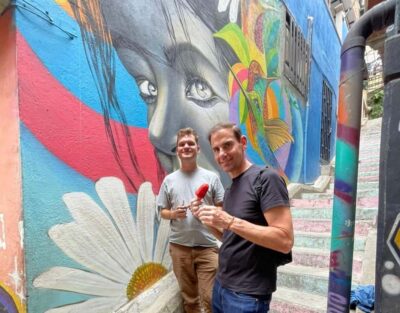
- Medellin: Comuna 13 Graffiti Tour, Cable Car & Street Food
★ 4.8 · 9,046 reviews - Medellín: The Real Pablo Escobar Tour
★ 4.8 · 3,205 reviews - Medellín: Comuna 13 True Story and Street Food Tour
★ 4.9 · 1,779 reviews
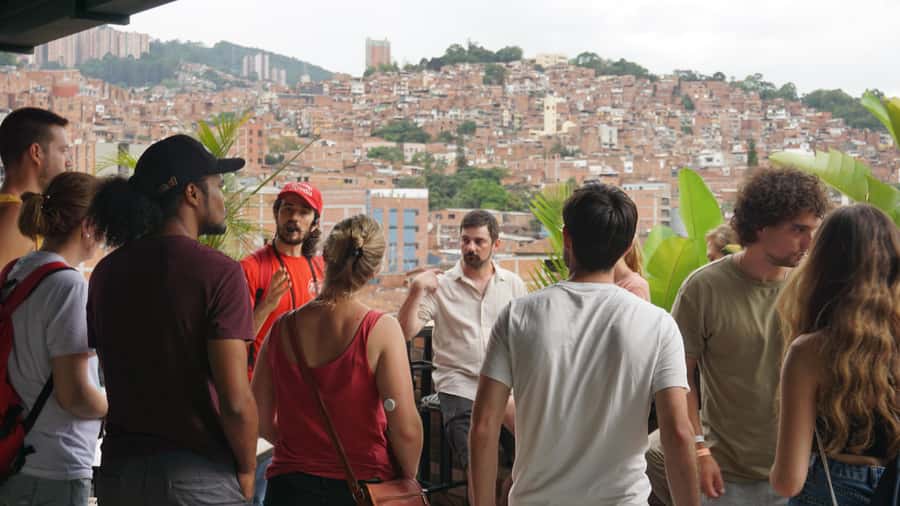
Starting at Parque San Antonio with Medellín in view
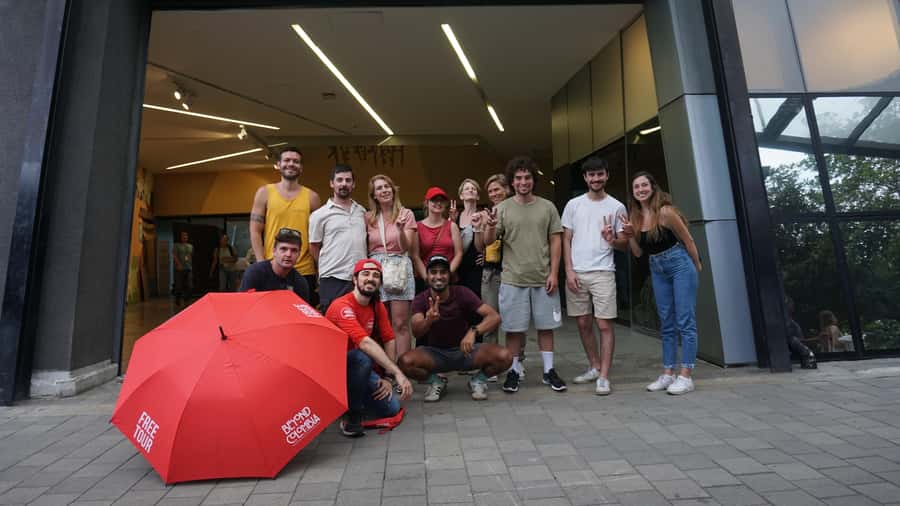
The meeting point is Parque San Antonio, beside Botero’s bird sculptures and the red Beyond Colombia umbrellas. This is a practical place to begin because you are not starting in a museum classroom. You are starting in the middle of the city, where public space, art, movement, and memory meet.
The birds by Fernando Botero offer an immediate reminder that Medellín has a public identity beyond violence. The tour does not treat art as a decoration placed beside history. Instead, the central city becomes part of the explanation. Your guide can set the scene here before leading the group through downtown.
Arrive ready to walk. The tour includes resting stops, but it is not a slow, short stroll. You will cover about 5 kilometers, so comfortable shoes matter more than stylish clothes. Medellín’s weather can shift, too. Pack a rainproof coat, umbrella, or cape, and carry water or another drink.
The meeting point may be easy to spot with the red umbrellas, but keep your belongings close once the walk begins. The route passes through crowded areas, and the organizers specifically advise visitors not to become careless with phones, wallets, or bags.
From cartel-era conditions to an urban war
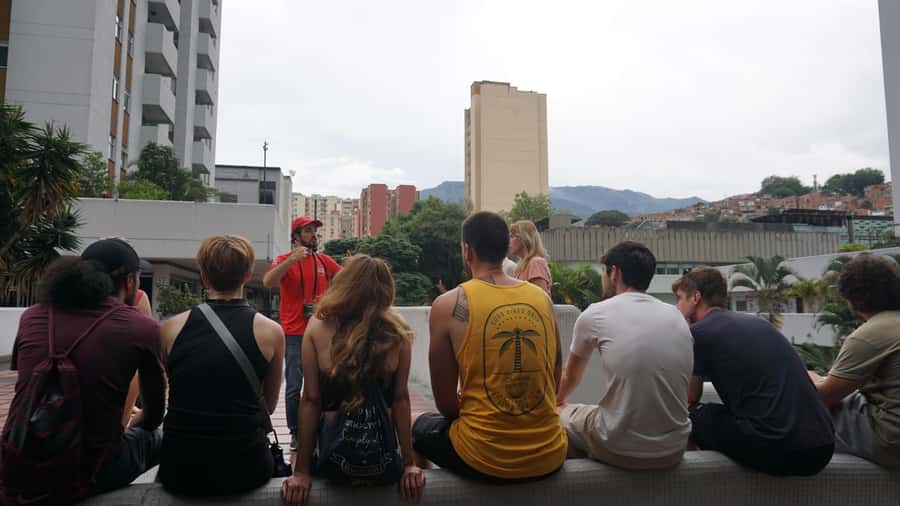
The first major part of the story concerns the narcos war period and the conditions that allowed it to emerge. The guide’s job here is not simply to recite dates. You should expect an explanation of how drug trafficking became tied to power, money, fear, and the city’s social life.
The tour also looks at consequences that are easy to miss when the story is told only through famous names. Violence can alter how people use streets, how communities relate to authorities, and how young people see their future. It can affect local economies and public trust long after a particular armed group disappears.
A key idea is the urbanization of war. Medellín’s conflict involved guerrillas, paramilitary groups, and drug traffickers, and the city became a place where national and local struggles overlapped. You will consider how armed conflict works differently in a dense urban setting, where residents cannot simply separate themselves from it.
That makes this experience useful for anyone who has already seen a basic Medellín city tour. A standard sightseeing walk might show you plazas, sculptures, and public projects. This one asks what those spaces mean when viewed through decades of violence and social pressure.
Expect a serious tone, but not necessarily a gloomy one. The purpose is to explain the forces at work and the responses that followed. The guide also invites questions, so you can ask about points that need more context instead of leaving with a simple good-versus-bad story.
The people and communities who resisted
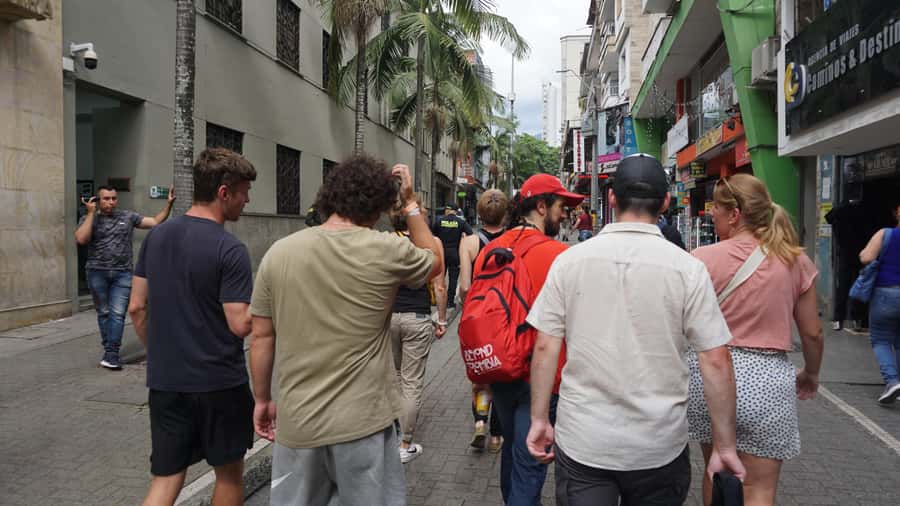
The tour gives attention to strategies, heroes, and communities involved in Medellín’s social struggle and peace-making efforts. This is one of its most valuable features because conflict stories often focus on armed men and powerful institutions. Here, the people trying to survive and improve their communities receive part of the attention.
You will discuss the actions of multiple characters and institutions, including their motivations, practices, and changes over time. The information provided does not promise a fixed list of individuals, so the exact examples may depend on the guide and the questions raised by the group. That open format can be a strength if you enjoy discussion, though it means the experience may not feel identical on every departure.
The phrase changing bullets for words and ideas captures the tour’s central movement. Medellín’s transition did not happen through one clean event. It involved resistance, public organizing, political decisions, community work, and attempts at reconciliation.
I appreciate that the tour treats hope as something built, not something magically delivered. The city’s improvement is presented alongside the ongoing conflict and the memories it left behind. That balance keeps the walk from becoming either a crime spectacle or a simple feel-good story.
If you are looking for dramatic cartel anecdotes, you may find the emphasis less entertaining than a television-style tour. If you want to understand how residents and communities responded to danger, this section should be especially worthwhile.
Same city, a completely different kind of day:
- Medellín: Comuna 13 District Tour with Cable Car Ride
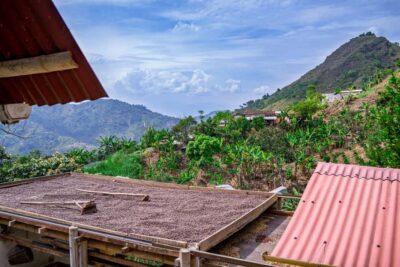
★ 4.8 · 1,467 reviews - Medellin: Coffee Tour with Transport, Snacks and Tastings
★ 4.7 · 1,357 reviews - From Medellín: Paragliding Tour with GoPro Photos & Videos
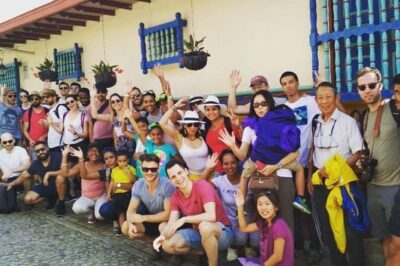
★ 4.9 · 1,210 reviews - Tour Guatapé
★ 5.0 · 865 reviews
Walking through downtown and connecting place with memory
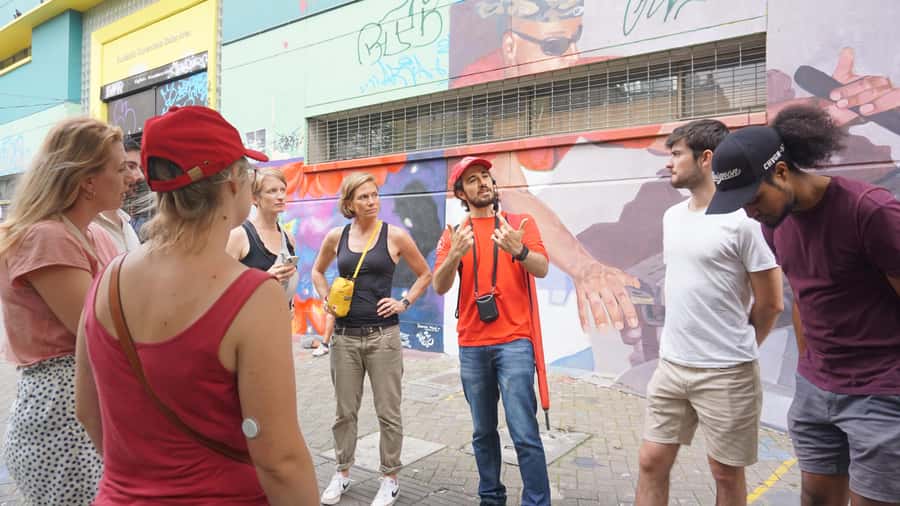
The route travels through central Medellín before finishing at Museo Casa de la Memoria. The specific stops are framed by the history of conflict and reconciliation, so the value is in the connection between the place you see and the story the guide tells.
Walking is important here. A bus passing through the city could give you a broad view, but it would not create the same sense of how close public spaces, streets, institutions, and neighborhoods are to one another. You have time to stop, listen, ask questions, and notice the city around you.
At the same time, downtown is not a controlled museum setting. Street noise, crowds, weather, and distractions are part of the experience. That can make it harder to hear, particularly if the group is large or the guide is speaking near a busy road. Stay close enough to the guide and do not expect every stop to feel quiet or polished.
The route’s practical demands are clear. Wear shoes you can use for several hours, apply sunblock, and carry water. Mosquito repellent may be useful during the rainy period from March through June. Comfortable clothing is the sensible choice, especially if the weather turns wet.
There are no required entrance tickets listed for the walking portion, and the tour does not take you to places with surprise charges. Food, drinks, souvenirs, and transport to or from your hotel are not included. You will walk from the meeting point and make your own way back after the final stop.
Finishing at Museo Casa de la Memoria
The tour ends at Museo Casa de la Memoria, a fitting place for a discussion about victims, resistance, and an ongoing effort to remember the past. The route leads you from public streets and central landmarks toward an institution centered on memory.
The museum finish gives the tour a clear emotional and educational endpoint. After hearing about violence, armed groups, and social struggle, you arrive at a place connected to remembrance and reconciliation. The experience information does not say that museum entry is included, so do not assume the walking tour price covers admission or a separate museum visit.
That is worth keeping in mind when planning your day. You may want extra time around the museum, but the walking tour itself is designed to end there. Ask the guide for current cultural recommendations and reading or viewing material if you want to continue the subject later.
The guide can also point you toward Medellín’s wider cultural offerings. Since the tour visits places tied to conflict and reconciliation, those suggestions may help you add museums, exhibitions, or other sites to your own schedule. The experience includes recommendations for material to consult, which is useful when one short walk cannot possibly cover every part of Colombia’s history.
What $13 buys you, and what it does not
At $13 per person, this is a strong-value introduction to Medellín’s recent past. You receive an English-speaking guide, a planned route through the city center, historical explanation, and a chance to ask questions. The price is especially reasonable if you want context before visiting other museums or exploring Medellín on your own.
This is a shared tour, not a private walk. You will meet other people, and the guide’s attention must be shared across the group. That usually makes the price attractive, but it also means you should not expect a custom route or a private conversation at every stop.
The low price does not cover drinks, food, transport, souvenirs, or tickets. Those exclusions are easy to manage if you bring water and plan your day around the meeting and finishing points. The tour also does not promise an exclusive guide.
The company offers free cancellation up to 24 hours before the start and allows you to reserve while paying later. Those terms give you some flexibility, though you should still check the available start time when booking because the duration is listed as 150 minutes.
There is a small timing mismatch in the information: the activity is listed as 150 minutes, while the main description says approximately three hours. I would plan for at least two and a half hours, and keep your schedule loose enough for something closer to three.
Who will get the most from this walk
I would choose this tour if you want Medellín’s story explained through social and political change rather than through one notorious figure. It suits visitors who enjoy asking questions and who want to understand the city’s present by looking carefully at its recent past.
It is also a good first step before visiting Museo Casa de la Memoria or reading more about Colombia’s peace process. The guide can give you a structure for facts that might otherwise feel scattered.
You should think twice if you want a relaxed sightseeing walk or a short, entertaining introduction to famous landmarks. The subject is difficult, the walking distance is significant, and the tour is intended for adults. It is not suitable for children under 18, wheelchair users, or people over 70 according to the stated requirements.
The organizers also prohibit alcohol, drugs, video recording, audio recording, and party groups. Those rules fit the serious nature of the subject. Bring questions, not a party mood.
Tips for handling the difficult parts
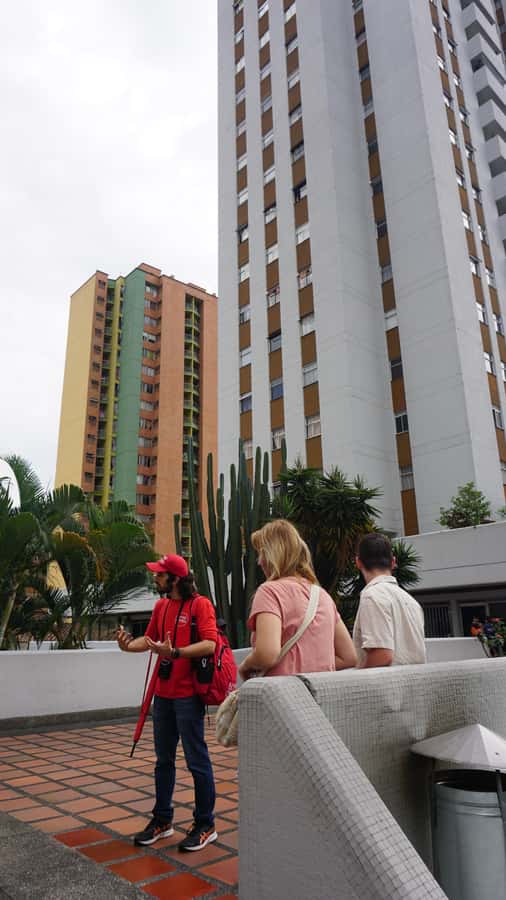
Come prepared to listen without expecting a simple verdict on every event. The tour promises accurate and objective information and does not take sides, but Colombia’s conflict contains painful experiences and competing interpretations. An open mind will help you hear the full explanation.
Ask questions when a term or group is unclear. The tour covers cartel violence, guerrillas, paramilitaries, drug trafficking, peace agreements, reconciliation, and post-conflict conditions. It is a lot to absorb in one outing, so the guide’s recommendations for further material can be as useful as the walk itself.
Keep your phone and valuables secure in crowded areas. Carry rain protection even if the sky looks clear, and bring enough water for a five-kilometer walk. You may also want sunblock and mosquito repellent during the rainy months from March to June.
Recent guide feedback gives you two names to note. Miguel has been described as thorough and informative, while Sebastian has been praised for a friendly, engaging style. The guide on your departure may be different, but those comments suggest that clear explanation and personality are important parts of the experience.
Should you book the Violence & Post-conflict tour?
Book it if you want a serious, affordable explanation of Medellín’s conflict and recovery, especially if you are tired of the city being reduced to Pablo Escobar. The route, the final stop at Museo Casa de la Memoria, and the focus on communities and peace efforts give the tour real purpose.
Skip it if you prefer a light city walk, cannot manage 5 kilometers, or would rather avoid difficult subjects. For the right audience, $13 is a fair price for a thoughtful English-language introduction, and the strongest guides appear to make the material both clear and engaging.
FAQ
How long does the tour last?
The listed duration is 150 minutes, or two and a half hours. The main description says approximately three hours, so allow some extra time in your schedule.
How much does the tour cost?
The price is $13 per person.
Where does the tour meet?
Meet at Parque San Antonio beside Botero’s bird sculptures. Look for the Beyond Colombia team with red umbrellas.
Where does the tour finish?
The walk finishes at Museo Casa de la Memoria.
Is this a Pablo Escobar tour?
No. The tour specifically focuses on Medellín’s wider violence dynamics before, during, and after the cartel period rather than presenting a tour centered on Pablo Escobar.
What language is the tour in?
The tour is conducted in English with a live English-speaking guide.
How much walking is involved?
You will walk about 5 kilometers, with resting stops along the way.
What should I bring?
Bring comfortable shoes, comfortable clothes, water or another drink, sunblock, and rain protection such as an umbrella, cape, or rainproof coat. Mosquito repellent may be useful from March through June.
Just added around Medellin
- Tour Guatapé con visita a Granja de las Llamas y las Alpacas★ 3.5 · 11 reviews
- Medellín: Flower Farm & Silletero History Tour★ 4.3 · 23 reviews
- Shared Tour to Comuna 13 & Aurora Cable Car in Medellin★ 5.0 · 4 reviews
- Comuna 13 Neighborhood & Street Art Private Tour★ 4.7 · 12 reviews
- From Medellín: El Retiro Private Tour with Food Tastings★ 4.4 · 8 reviews
- Medellin: Private 3-Hour Pablo Escobar Tour★ 4.8 · 37 reviews
- Medellín: Private Pablo Escobar and City Tour★ 4.6 · 24 reviews
- Private Tour Comuna 13 with Cable Car★ 5.0 · 4 reviews
Medellin Tours, compared.
Comuna 13 Graffiti Tour, Cable Car & Street Food
Read our review →

Coffee Tour with Transport, Snacks and Tastings
Read our review →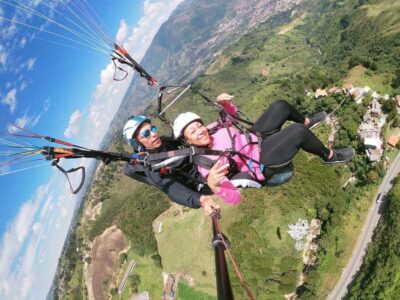
Browse the lists this tour appears in