
Reviewed · SANTA MARTA TOURS
TOUR DE 2 DIAS AL CABO DE LA VELA, LA GUAJIRA
Cabo de la Vela feels far removed from Colombia’s usual tourist trail. You cross long sandy tracks to reach a Wayuu ranchería by the Caribbean, then spend the night near the sea, with desert scenery and local culture shaping the trip. The remote setting is the main attraction.
I like the two-day all-inclusive format, which takes care of transport, meals, insurance, a guide, and a night in a Wayuu ranchería. I also like the mix of sandy desert, open sea, beaches, salt flats, and Wayuu traditions in one compact trip.
The main concern is the road operation. One recent booking account described unsafe driving, a private car used at checkpoints, and pressure to pay for an extra stop. The guide is Spanish-speaking only, and no guide name is provided, so you should confirm the operator’s current transport and licensing details before paying.
Key points to know before booking
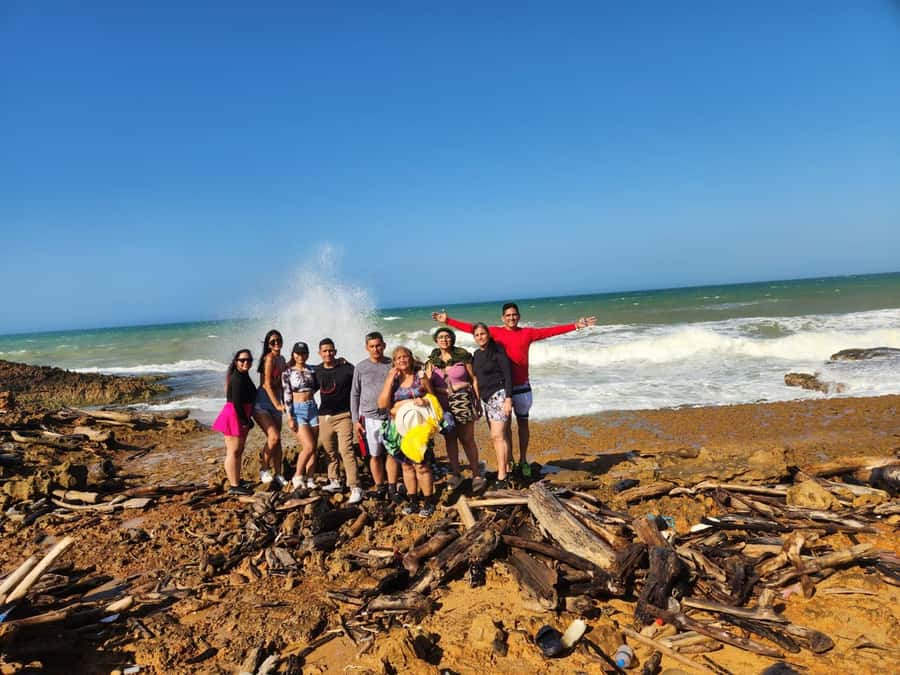
- The road to Cabo de la Vela is rough and remote: Expect many kilometers on sandy tracks rather than a smooth highway.
- Your overnight stay is in a Wayuu ranchería: This is a cultural lodging experience, not a standard hotel.
- The tour runs for 36 hours: Pickup begins in Santa Marta, Rodadero, or Bello Horizonte, with a return after a second day in La Guajira.
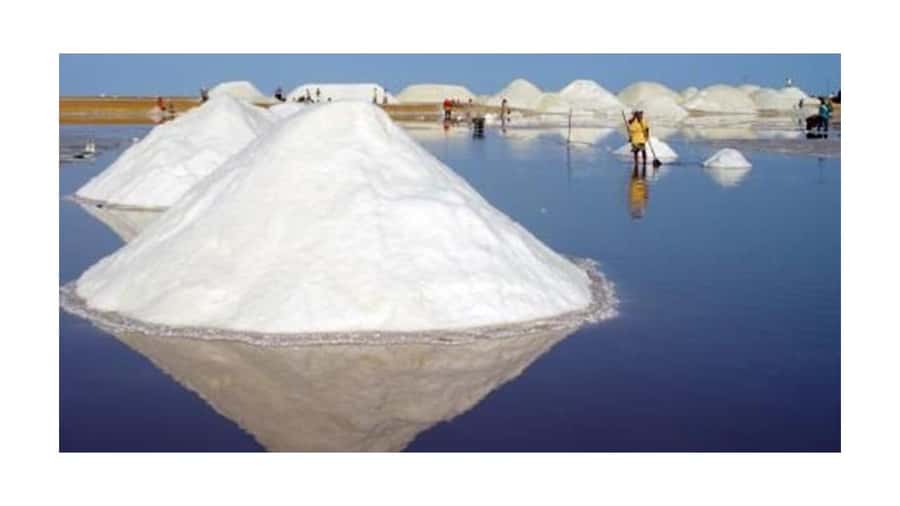
- The itinerary combines desert and sea: Stops include the Sugar Pylon, Virgin’s Beach, the lighthouse, and the Manaure salt flats.
- Spanish is the only listed tour language: Basic Spanish will make the cultural and practical parts easier.
- The price covers the main trip costs: At $279 per person, value depends heavily on transport quality and the standard of the ranchería stay.
Why Cabo de la Vela feels so different
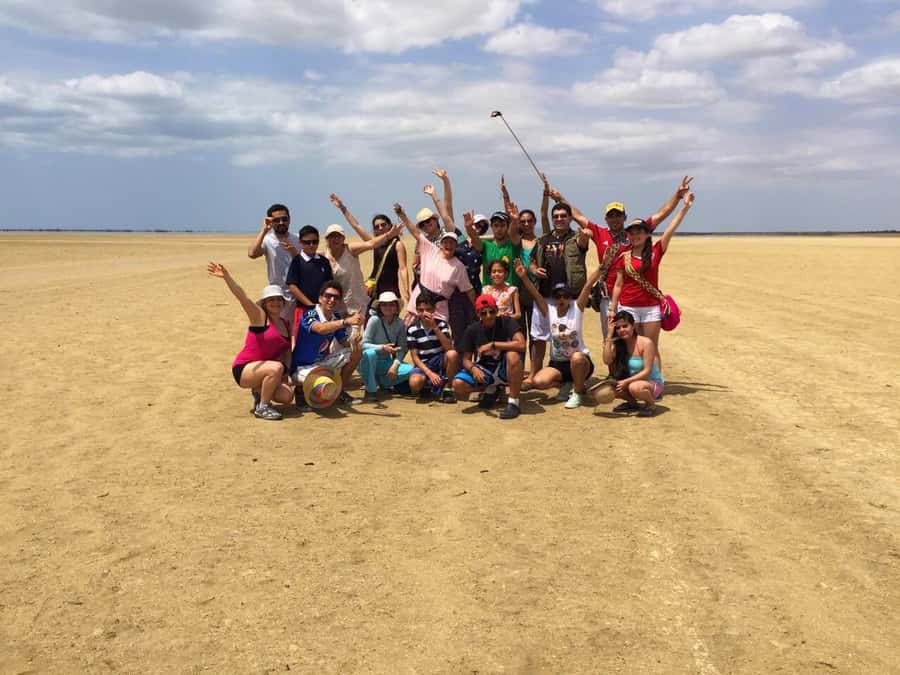
Cabo de la Vela is not a quick beach excursion. It is a long journey into a dry, sparsely developed part of northern Colombia, where the Wayuu people have maintained their own cultural traditions and way of life.
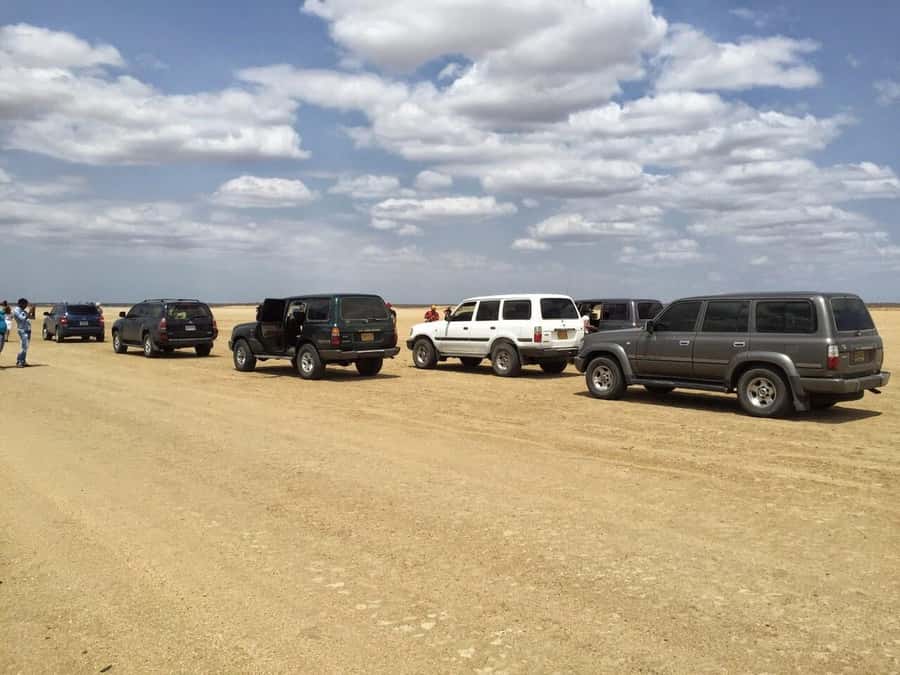
The change in scenery is part of the experience. You leave Santa Marta and head toward La Guajira, passing through coastal towns and increasingly open, dry country. The final approach involves sandy tracks, and that rough access helps explain why Cabo de la Vela still feels less polished than Colombia’s better-known seaside towns.
I like that the trip does not treat the cape as just a photo stop. You spend time at a Wayuu ranchería, eat local meals, and sleep facing the sea. That gives the destination more meaning than a rushed drive in, a few pictures, and a drive out.
At the same time, remote travel asks more of you. Road conditions can be uncomfortable, schedules may feel loose, and accommodation is basic. If you need reliable highway driving, air conditioning, and hotel-style facilities, this is probably the wrong trip.
Other Santa Marta days worth booking alongside this:
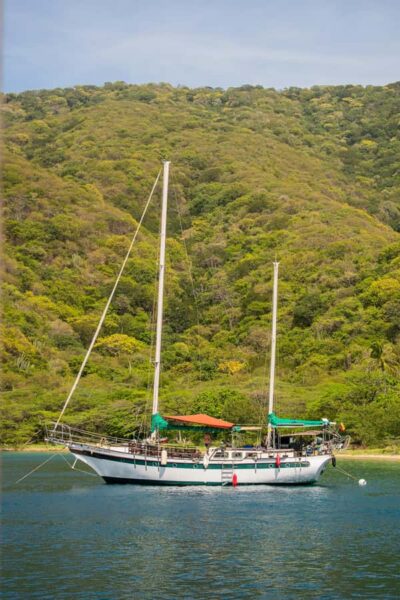
- Santa Marta: Sailboat day tour to Tayrona Park
★ 4.5 · 352 reviews - From Santa Marta: Tayrona National Park Guided Tour
★ 3.8 · 131 reviews - Tayrona Bay Sailboat trip
★ 4.5 · 107 reviews
The long ride from Santa Marta to La Guajira
Pickup is included from hotels in Santa Marta, Rodadero, and Bello Horizonte. You should be in the lobby 10 minutes before the agreed time, since the guide will contact you or ask for you at reception.
The first notable stop is Palomino. On a clear day, you may be able to see the Colón and Bolívar peaks of the Sierra Nevada de Santa Marta. The tour also includes a typical coastal breakfast along the way, which makes the early start more manageable.
From there, the route continues toward Riohacha, the capital of La Guajira. You then make a supply stop in Uribia, known here as the indigenous capital of Colombia. This stop matters because it is your last listed resupply point before the remote part of the journey. Bring cash anyway, since unspecified services are not included and the tour advises you to carry money.
The driving time is a major part of the 36-hour schedule. You are not simply moving between nearby attractions. You are crossing a large area, and the trip’s appeal depends partly on your willingness to accept a long, rough road in exchange for a place that feels far from mass tourism.
Transport deserves careful attention. The package says transport is included, but it does not spell out the vehicle type. One recent account raised serious concerns about a private car, unsafe driving, and an uncomfortable checkpoint situation. Another account described the driver as the guide, with limited English and little conversation.
That does not prove every departure operates the same way, but it is enough reason to ask specific questions before departure: What vehicle will be used? Is it authorized for tourism? Who is the guide? Is the driver also the guide? You should get clear answers in writing.
Arriving at the Wayuu ranchería
Around midday, the group is scheduled to reach a selected typical Wayuu ranchería for lunch. The overnight accommodation is also in a Wayuu ranchería facing the sea.
This is the heart of the tour. You are not staying in a conventional hotel and then visiting a cultural center for an hour. Your accommodation is part of the local setting, and the tour presents the ranchería as a place to learn about Wayuu culture directly.
The supplied information does not describe beds, bathrooms, electricity, room arrangements, or shower facilities. That matters. Ask what kind of sleeping arrangement is provided before you book, especially if you are traveling with children, need private facilities, or prefer firm hotel standards.
Pack clothes that can get dirty and bring a change of clothes. Closed-toe shoes are required on the practical packing list, and they make sense for sandy ground, dusty roads, and uneven paths. The tour is not a good fit for someone who wants to stay spotless from pickup to return.
The experience is described as Indigenous and ethnic, but the quality of that cultural contact depends on how the guide handles it. A good guide should explain the setting respectfully and help you understand what you are seeing without turning local life into a staged display. Since the tour is Spanish-language only, ask questions in Spanish and make sure you are comfortable with that arrangement.
Sugar Pylon, Virgin’s Beach, and the Caribbean coast
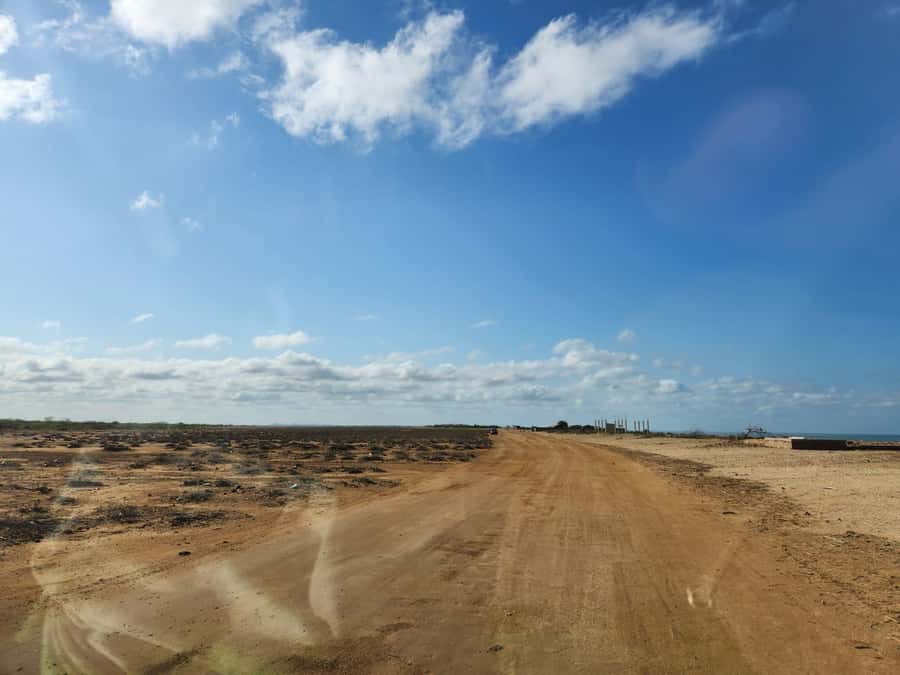
After lunch, the itinerary moves through several of Cabo de la Vela’s main sights. The Sugar Pylon is one of the stops, followed by Virgin’s Beach.
The appeal here is the contrast. Cabo de la Vela brings together dry desert ground and the Caribbean Sea, with broad views and little of the dense development found at more established beach destinations. You get a setting that feels stark, open, and strongly tied to the region’s climate.
Do not expect a polished resort beach day. The provided details do not promise beach chairs, changing rooms, water activities, or a long period for swimming. Think of these stops as scenic and cultural visits within a moving tour, not a full day at a managed seaside facility.
The remote setting is also the most praised aspect of the experience. The route takes you far beyond the usual tourist circuit, and the long sandy approach is part of why the place feels wild. I would treat that as a major benefit if you want unusual scenery and a sense of distance from city life.
It can also be tiring. Sand tracks can make the ride bumpy, and heat may add to the strain. Wear light clothing, carry cash, and keep your expectations practical. The tour includes food and transport, but it does not say that drinks, snacks, or personal purchases are covered.
Same city, a completely different kind of day:
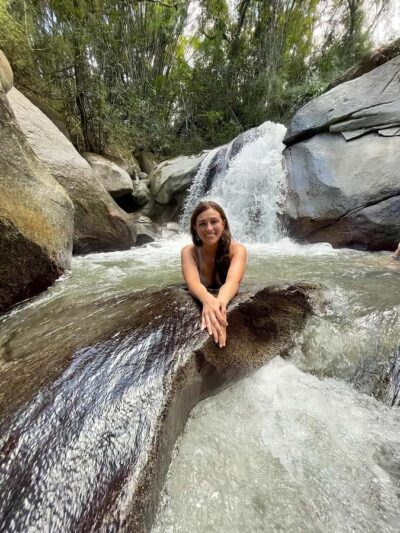
- Santa Marta: Minca Coffee, Cocoa, & Waterfall Full-Day Trip
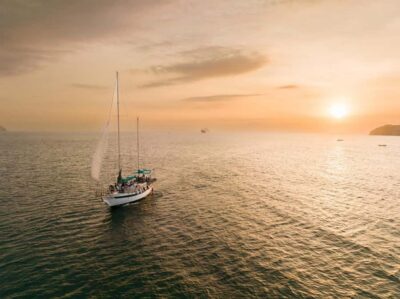
★ 4.6 · 102 reviews - From Santa Marta: Sunset Sailboat Tour with 2 Beverages
★ 4.3 · 93 reviews - Tayrona Park Hike And Beach Day
★ 5.0 · 91 reviews - Santa Marta: Sailing Tour to Tayrona Park with Luis’ Team
★ 4.5 · 76 reviews
Sunset at the lighthouse and dinner by the sea
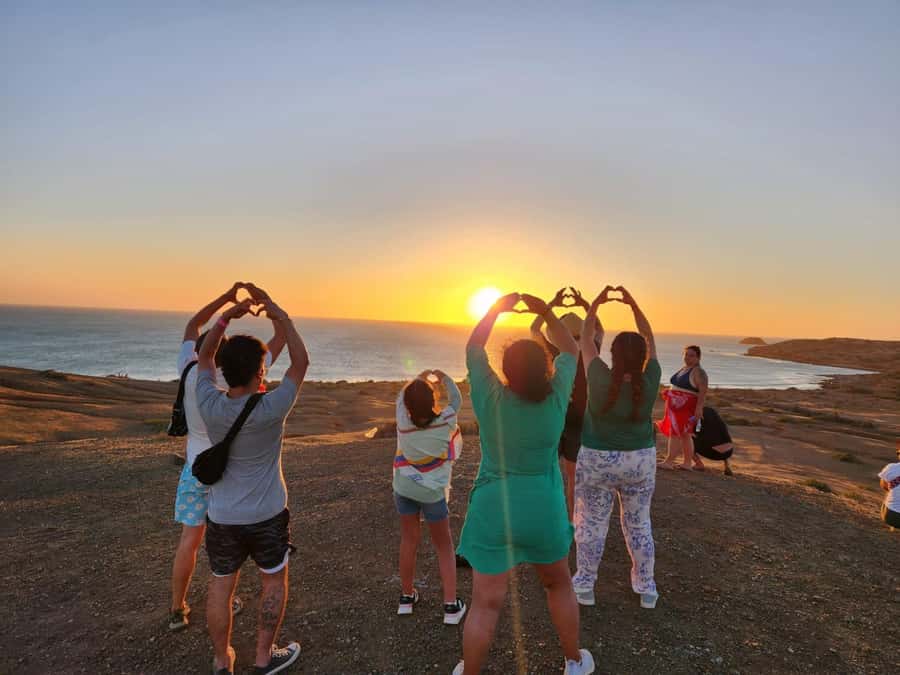
The itinerary schedules a Guajiro sunset at the lighthouse. This is likely to be one of the most memorable points of the trip because the day ends with open views over the dry coast and sea.
The setting gives the sunset more weight than it would have in a crowded city. You have spent hours traveling through remote country, and the lighthouse provides a clear pause before dinner. Bring your phone or camera, but also expect wind, dust, and changing light.
Dinner is served at the ranchería. Two days of feeding are included, though the exact meals are not specified. The tour does mention a coastal breakfast and lunch at the ranchería, so you can expect local food rather than a chain restaurant routine.
If you have dietary restrictions, ask about them before confirming. The available details do not explain vegetarian choices, allergies, drinks, or snacks. Do not assume that every special request can be handled in a remote area.
The overnight stay also means you do not need to make the long return drive after sunset. That is a practical advantage. You get time to experience the place after the day’s sightseeing instead of treating Cabo de la Vela as a quick stop.
Morning departure to the Manaure salt flats
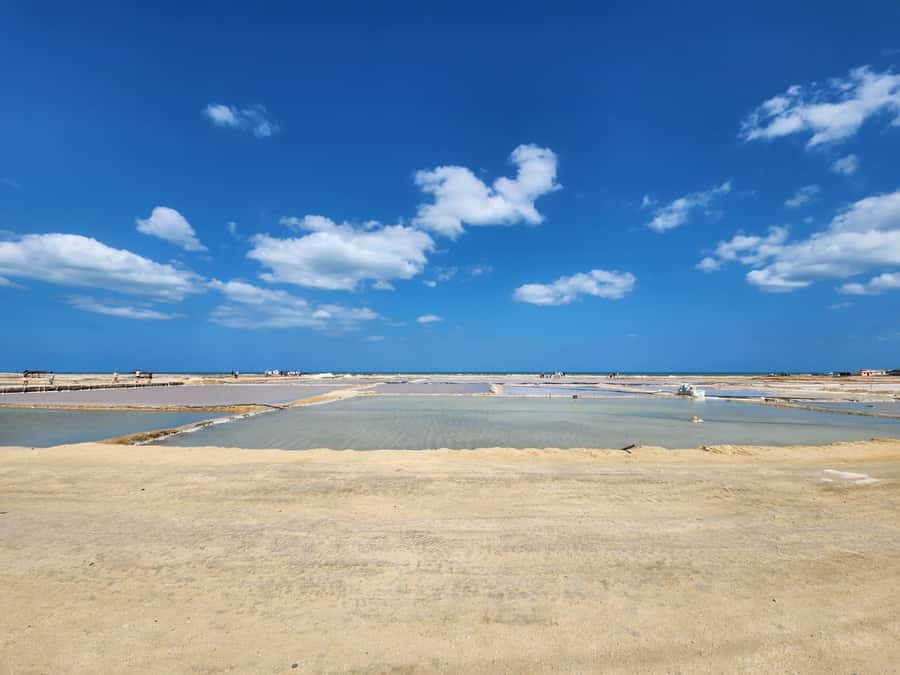
The second day continues to the Manaure salt flats before returning toward Riohacha. This adds a very different visual experience to the beaches and desert near the cape.
Salt production is closely tied to La Guajira’s dry climate, and the flats give you another way to understand the region beyond its beaches. The tour does not provide a detailed visit length or explain whether a local salt worker leads the stop, so expect a sightseeing visit rather than a formal workshop unless the operator confirms otherwise.
The timing is important. You are fitting the salt flats into a return journey to Santa Marta, so the second day is not a slow morning at the ranchería. You will need to be ready to leave and comfortable with another long stretch in the vehicle.
After the salt flats, the group returns to Riohacha for lunch. From there, the route continues to Santa Marta. The full trip lasts about 36 hours, making this a compact way to reach La Guajira if you have limited time, but not a restful one.
What $279 includes, and what it does not
At $279 per person, the cost is not just an entrance ticket or a guided walk. It includes transport, one night in a ranchería, two days of food, travel insurance, and a professional guide.
That can be fair value for a private 36-hour journey from Santa Marta, since the price bundles the long road transfer and accommodation. You are also paying for access to an area that takes real time and effort to reach.
The value drops if the vehicle is uncomfortable or the guide is not dependable. Transport is the backbone of this tour, not a minor detail. A poor driver can turn the long journey into the main problem, while a strong Spanish-speaking guide can make the same route far more meaningful.
The package does not identify extra costs clearly beyond unspecified services. Carry cash, and do not agree to additional stops or tours unless the price and purpose are clear to you. One recent account described an unwanted extra-tour discussion and pressure after declining it. You should feel free to say no to add-ons.
The booking terms offer free cancellation up to 24 hours before departure and allow you to reserve now and pay later. Those terms give you some flexibility, but they do not replace the need to check the current operator details.
Who will enjoy this 36-hour trip
I would recommend this tour to you if you want:
- A remote destination beyond Colombia’s standard beach circuit
- Direct contact with Wayuu culture through a ranchería stay
- A mix of beaches, desert scenery, a lighthouse sunset, and salt flats
- A private group rather than a large shared departure
- An all-in-one package from Santa Marta
- A trip conducted in Spanish
You should think twice if you need:
- English guiding
- Smooth roads and predictable driving
- Hotel-style accommodation
- A relaxed pace with plenty of free time
- A fully detailed schedule and clearly described vehicle
- Strong reassurance about operator licensing and safety procedures
The private-group format is useful because it can make the long route more personal and easier to manage. But it also means you may spend a great deal of time with one driver and guide. That makes the guide’s attitude and driving style especially important.
Practical packing advice for the desert coast
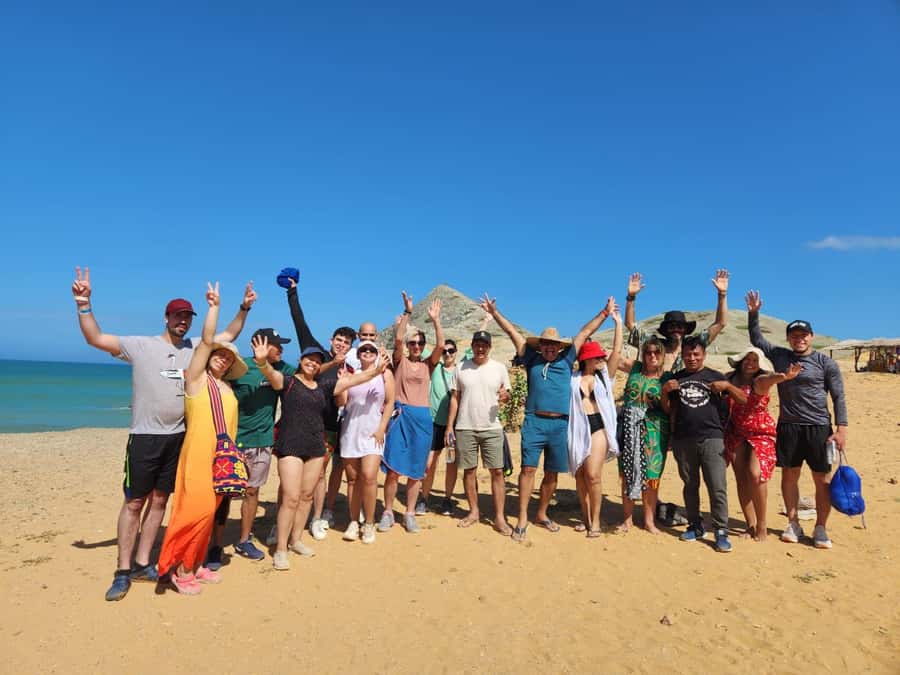
Bring a full change of clothes. Dust and sand are part of the route, and the tour specifically advises clothing that can get dirty.
Closed-toe shoes are the safest choice for the ranchería, sandy paths, and sightseeing stops. Carry cash for services not listed as included, along with personal drinks or snacks if you want something beyond the provided meals.
You should also prepare your personal information before pickup. The operator asks for full names, ages, nationalities, identification details, and your hotel address. Have those details ready and arrive in the lobby 10 minutes early.
Because Spanish is the only listed language, download any information you may need in Spanish before leaving. The tour does not promise English interpretation, and one account described limited English from the driver-guide.
Should you book the Cabo de la Vela tour?
Book it if your priority is remote scenery and Wayuu cultural contact, and you are comfortable with sandy roads, basic lodging, Spanish-only guiding, and a packed 36-hour schedule. The ranchería stay, lighthouse sunset, and Manaure salt flats give the tour a clear sense of place, while the all-inclusive structure keeps the main expenses together.
Before paying, I would contact MAX TOUR OPERADOR and ask for the guide’s name, the tourism authorization of the vehicle, the sleeping arrangement, bathroom details, and a written list of included meals and possible extras. If those answers are clear and reassuring, this can be a worthwhile route into one of Colombia’s most unusual regions.
If the operator cannot answer basic safety and accommodation questions, choose a different provider. Cabo de la Vela is worth reaching, but the quality of the road operation will shape your entire experience.
FAQ
How long does the Cabo de la Vela tour last?
The tour lasts 36 hours, including travel from Santa Marta, one night in a Wayuu ranchería, sightseeing in Cabo de la Vela, a visit to the Manaure salt flats, and the return to Santa Marta.
Where is pickup available?
Pickup is included from hotels in Santa Marta, Rodadero, and Bello Horizonte. You should wait in the hotel lobby 10 minutes before pickup.
What language is the tour conducted in?
The listed tour language is Spanish. English guiding is not included in the tour information.
Is accommodation included?
Yes. The package includes one night in a Wayuu ranchería facing the sea. The available details do not specify the bed type or bathroom arrangements, so ask the operator before booking.
What meals are included?
Two days of food are included. The route also mentions a typical coastal breakfast, lunch at a Wayuu ranchería, dinner at the ranchería, and lunch in Riohacha on the return journey.
What should I bring?
Bring a change of clothes, cash, clothing that can get dirty, and closed-toe shoes. You should also provide your full name, age, nationality, identification details, and hotel address.
Just added around Santa Marta
- Tour en Velero a Bahía Concha Parque Tayrona★ 3.5 · 4 reviews
- Tour to Punta Gallinas with Cabo de la Vela 3 Days★ 3.3 · 4 reviews
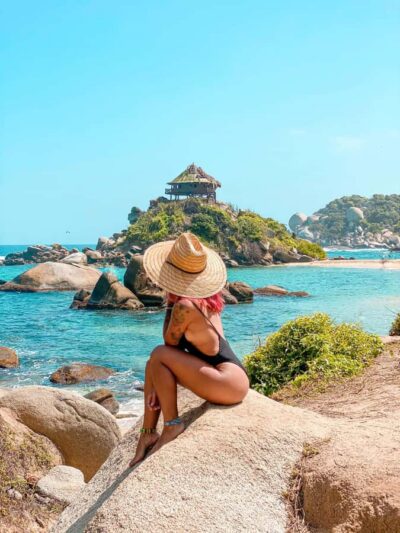
- Tayrona Park & Cabo San Juan★ 3.5 · 20 reviews
- Tayrona Park & Playa Cristal★ 3.8 · 4 reviews
- SPEEDBOAT TOUR TO TAYRONA CRISTAL BEACH★ 3.7 · 7 reviews
- Sierra Minca Day Tour★ 5.0 · 10 reviews
- SANTAMARTA: TOUR Remanso, Taganga, Playa Grande Lunch and Snorkeling Included★ 3.5 · 4 reviews
- Santa Marta: Trekking in Minca Complete Waterfall Circuit★ 4.4 · 28 reviews
Santa Marta Tours, compared.
Browse the lists this tour appears in