
Reviewed · BOGOTA TOURS
Shared Tour Colombian Conflict War, Drug Trafficking & Peace
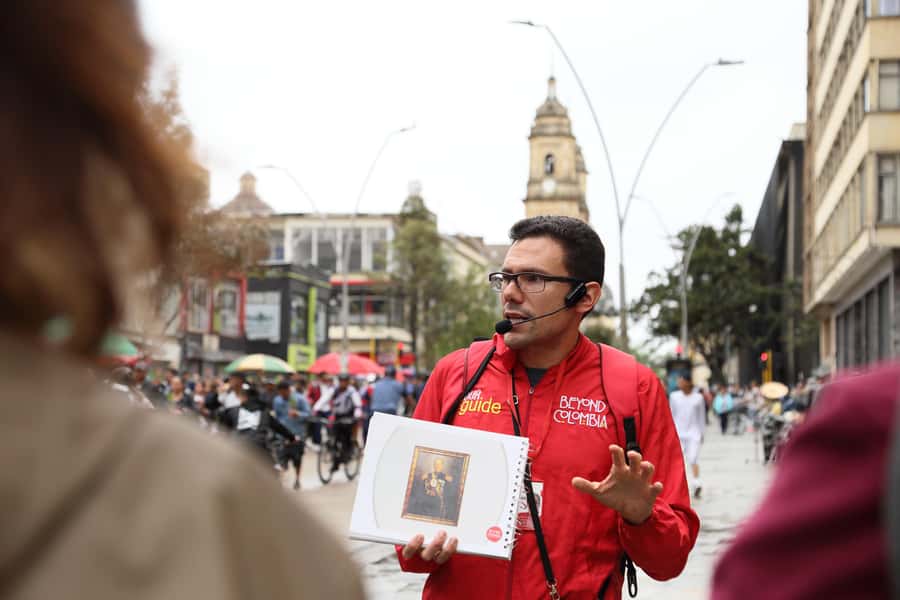
The most useful thing about this walk is that it treats Colombia’s conflict as a political story, not just a tale of cartels and armed men. In Bogotá’s historic center, you connect the 1948 Bogotazo, the struggle between Liberals and Conservatives, guerrilla movements, paramilitary groups, drug trafficking, and the FARC peace agreement. I like the broad historical sweep, and I like that the guide promises an objective approach rather than a party line.
I also like the low $13 price, especially since the tour lasts about 150 minutes and includes an English-speaking guide and several important city sights. The main drawback is physical: you may walk about 9 kilometers, with some stops for discussion, so this is not a gentle stroll. The current political section can also feel lighter than expected, depending on the guide and the questions your group asks.
The story begins outside the Museo del Oro
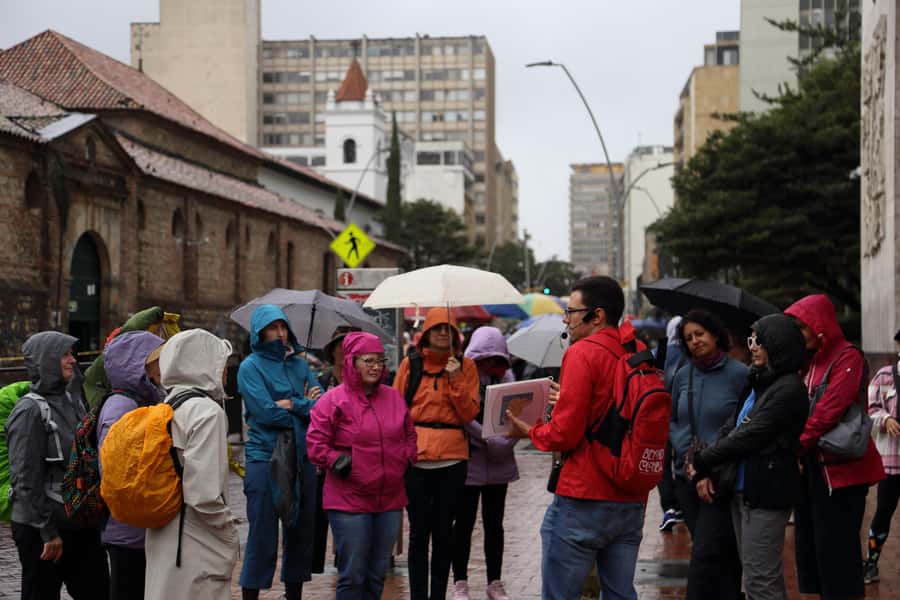
You meet Beyond Colombia by the red umbrellas in front of the Museo del Oro. This is a practical meeting place in the center, but it can be crowded, so arrive with enough time to spot the group and keep your belongings close.
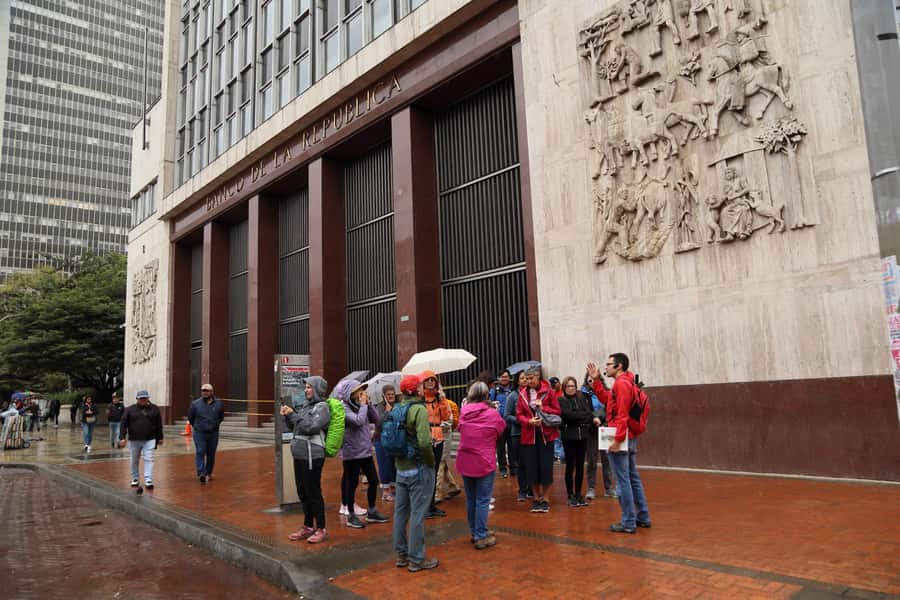
The setting matters. Bogotá is not simply a backdrop here. Its streets hold the marks of political protest, state power, public anger, and long-running conflict. The tour uses key places in the historic center to explain why events unfolded as they did. You are not just hearing a list of presidents and armed groups. You are being shown how national politics affected the capital.
The exact route can vary with the guide and street conditions, but the stated focus is on essential sights in the historic center. You should expect a walking lesson with regular pauses, rather than museum entry or a formal indoor lecture. No entrance tickets are required, and the tour does not add sudden admission charges along the way.
Why the 1948 Bogotazo still matters
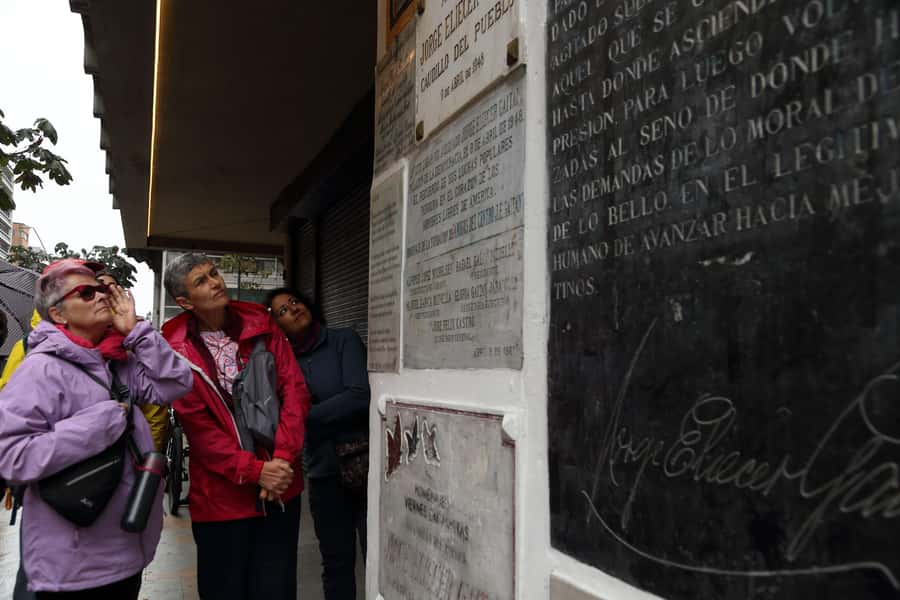
The Bogotazo is one of the central events of the walk. In 1948, the killing of Liberal leader Jorge Eliécer Gaitán set off riots and destruction in Bogotá. The event is closely tied to the period known as La Violencia, when Liberal and Conservative supporters fought for political control and communities across Colombia suffered years of bloodshed.
A good guide will help you see why the Bogotazo was more than one violent afternoon. It reflected class tension, party loyalty, frustration with the political system, and anger over the country’s direction. The event also changed Bogotá itself and became a key starting point for understanding later armed movements.
This section should appeal to you if you want causes, not just dates. The tour frames the conflict as a chain of connected decisions and reactions. Political rivalry helped create instability. Instability encouraged armed resistance. Later, the drug trade gave armed groups money and made the war harder to end.
Other Bogota days worth booking alongside this:
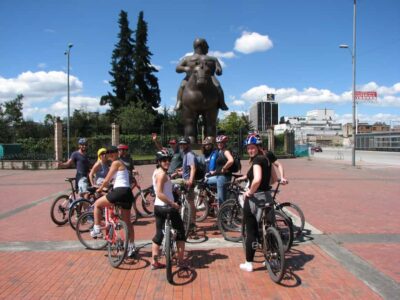
- Bogota: Bicycle City Tour
★ 4.9 · 2,156 reviews - Zipaquirá: Salt Cathedral Group Tour with Pickup
★ 4.8 · 1,606 reviews - Bogotá: Guided La Candelaria Walking Tour
★ 4.8 · 1,229 reviews
Liberals, Conservatives, and the road to armed groups
The Liberal and Conservative struggle is presented as one of the roots of Colombia’s modern conflict. That rivalry shaped elections, government institutions, rural life, and personal identity. In many parts of the country, political affiliation was not a mild preference. It could affect your safety, your work, and your place in society.
From this background, the tour moves toward the creation of guerrilla groups. You learn about the FARC, ELN, and M-19, each connected to a different political and social setting. The important point is that these groups did not all begin for the same reason, and they did not follow the same path.
The FARC is tied to rural revolutionary politics and a long insurgency. The ELN developed from a different leftist and social movement tradition. M-19 became known for urban action and a more theatrical political style before later entering the peace process. You should expect an overview rather than a specialist seminar on each organization.
That is both a strength and a limit. In 150 minutes, the guide can connect the main pieces, but cannot explain every regional conflict or internal faction. If you already know Colombian history well, ask direct questions. That is the best way to push beyond the basic timeline.
The military dictatorship and changing power
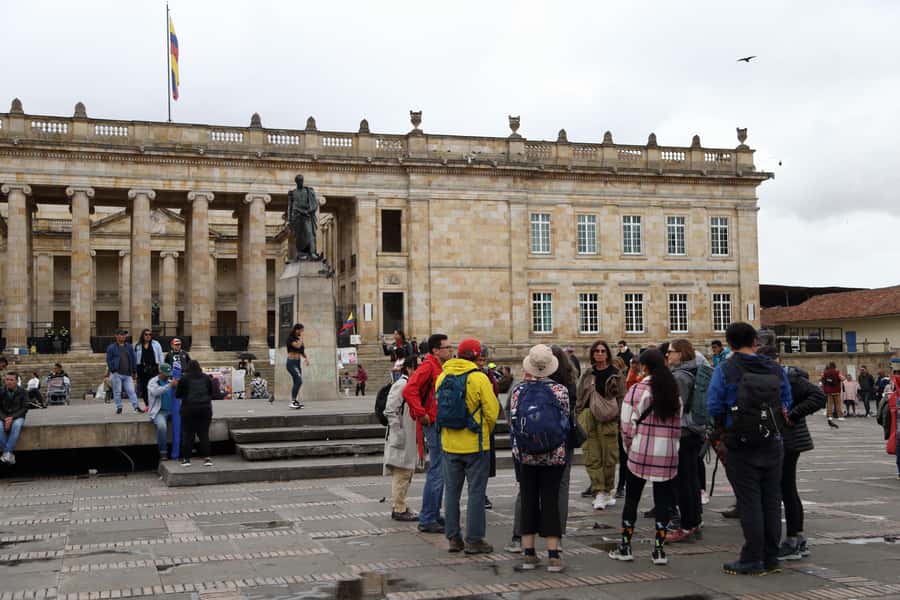
The military dictatorship is another important stop in the historical chain. The tour places it within a country struggling with political conflict, public disorder, and pressure on traditional institutions. You will consider how military rule affected the balance between security and civil rights.
This part helps explain why armed conflict did not end when one government changed. Colombia’s political system faced pressure from several directions at once. Guerrillas challenged the state. Security forces responded with military operations. Political parties competed for control. Ordinary people were caught between these forces.
The tour’s promise of objectivity is useful here. The subject does not fit a simple good side and bad side story. Armed groups committed violence, state forces faced serious accusations, and paramilitary organizations grew in response to fear of guerrilla attacks and disputes over land and power. Drug money then fed several parts of the conflict.
You may find that the guide gives more time to some periods than others. That is normal on a shared walk, where questions and group interest shape the pace. The rating of 4.8 from 46 reviews suggests a strong overall response, but one area to watch is the amount of detail on present-day politics.
Drug trafficking and the people behind the war
The connection between Colombia’s conflict and drug trafficking receives clear attention. This is important because popular culture often reduces the country’s past to famous cartel figures. The tour gives you a wider view of how illegal money strengthened armed actors and affected national politics.
You will consider the fight against both national and international drug trafficking, as well as the people and institutions involved in that struggle. The language in the tour description points toward the people behind it, but you should not expect a dedicated cartel museum experience or a sensational crime walk. The focus remains political history and armed conflict.
This is one of the reasons I would choose the tour early in a Bogotá visit. It gives you a framework for later conversations about Colombia. You can better understand why the country’s reputation abroad became so negative, and why that image no longer tells the whole story.
The subject can be heavy. Bring an open mind and allow room for uncomfortable facts. The tour is intended to explain the conflict, not turn it into entertainment. Smoking, alcohol, and drugs are not allowed.
Same city, a completely different kind of day:
- Bogotá: Private City Tour, Monserrate, Emerald and Botero
★ 4.9 · 798 reviews - Bogotá´s Barrios: El Paraíso Favela Tour with Cable Car
★ 4.8 · 731 reviews - Bogota: Guatavita and Salt Cathedral Daily Group Tour
★ 4.7 · 615 reviews - Bogotá City Tour with Monserrate, Gold and Botero Museums
★ 4.9 · 584 reviews
FARC, peace talks, and Colombia today
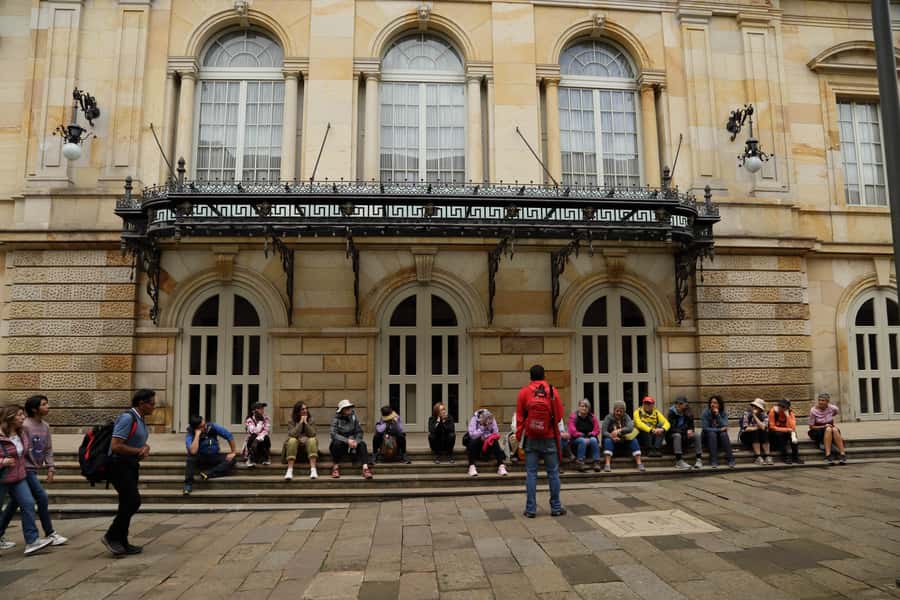
The peace process and the agreement signed with FARC form the modern part of the walk. You learn why negotiations mattered, why the agreement was controversial, and why signing a peace deal did not make every armed problem disappear overnight.
The tour also covers current guerrilla and paramilitary groups and the reasons they continue fighting. That is a valuable distinction. The end of one major insurgency does not automatically remove illegal economies, rural inequality, local power struggles, or armed control in every region.
Still, I would set realistic expectations. The current political section may be less detailed than the earlier history. One account of the experience found the modern context unclear and wanted more depth. You can improve this part by asking the guide specific questions about the peace agreement, current armed groups, and the difference between historical organizations and newer actors.
The best guides appear to make the group part of the discussion. Lorenzo is praised for explaining key connections, using humor, and bringing people into the conversation with questions. Héctor is described as friendly and able to answer questions. Santi receives strong praise for his command of the subject, and Daniel is noted for handling a difficult topic with extensive knowledge. Guide assignments can change, so book for the format and subject rather than expecting one particular person.
A nine-kilometer walk through the historic center
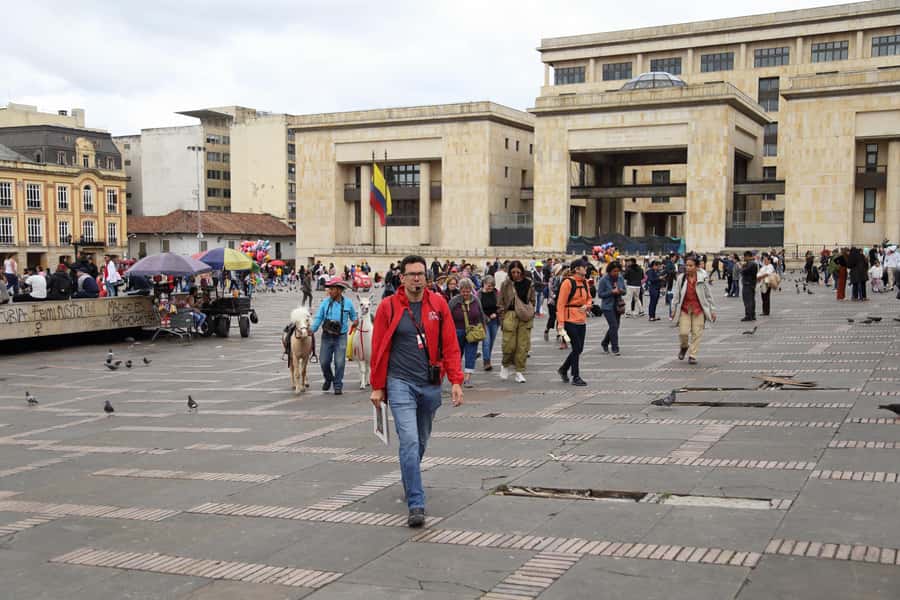
The distance is the practical issue most likely to affect your decision. You may walk about 9 kilometers during the roughly three-hour experience, although the listed duration is 150 minutes. The route includes resting stops where the guide talks, but you should still treat this as an active city walk.
Wear shoes that can handle uneven urban surfaces. Bring water, sunscreen, and a hat. Bogotá’s weather can change, so pack a rainproof coat or umbrella. The tour itself makes a small joke about not being able to control the weather yet, but the advice is serious.
Comfortable clothes matter more than looking polished. You may spend a long period outdoors, moving between historic sites and crowded areas. Keep your phone, wallet, and camera secure. The organizers use the local phrase don’t give papaya, meaning do not make it easy for someone to take advantage of you.
The activity information contains a mobility point that needs care. One section describes the tour as wheelchair accessible, while another says it is not suitable for wheelchair users or people with mobility impairments. Because the walk covers about 9 kilometers and includes crowded streets, contact Beyond Colombia before booking if accessibility affects your plans.
What the $13 price really buys you
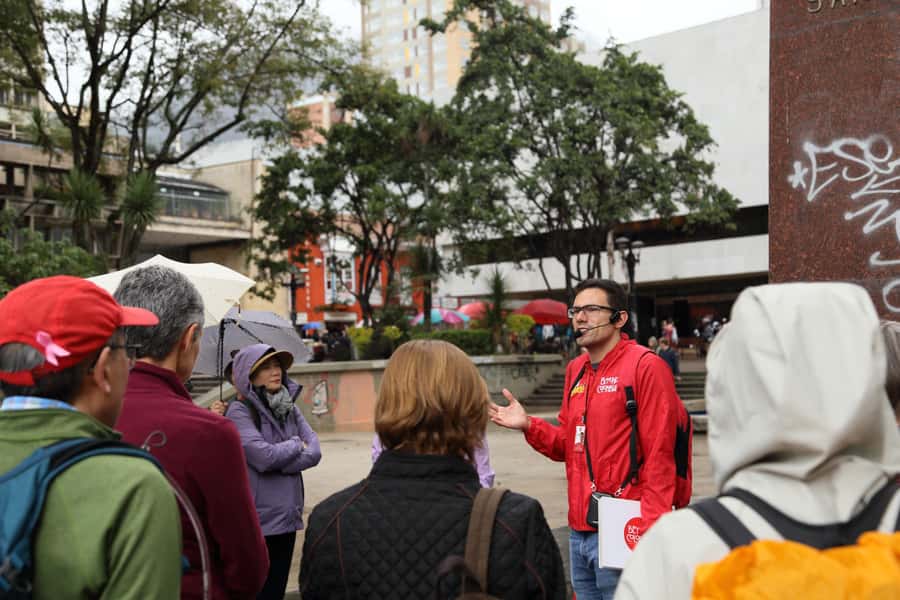
At $13 per person, this is strong value if you want an informed introduction to Colombia’s political and armed history. The price covers the live English-speaking guide, the walking route, and explanations at important historic-center locations. It does not cover food, drinks, souvenirs, hotel transport, or museum tickets.
The tour does not take you inside places that require unexpected extra payment. That keeps the cost easy to understand. You are paying for interpretation and access to a structured route, not for admissions or transport.
The shared format also affects value. You do not get a private guide, and you will meet other people in the group. That can make the discussion lively, but it may limit how many individual questions get answered. If you want a private, highly specialized political briefing, this is not the right product. If you want a well-priced starting point, it makes sense.
Beyond Colombia has operated since 2013 and offers several original walks in Colombia. Its awards and high placement on major booking platforms suggest an established operation, but the guide in front of you still shapes the experience. The strongest results come when you take part rather than simply follow along.
How to get the most from the discussion
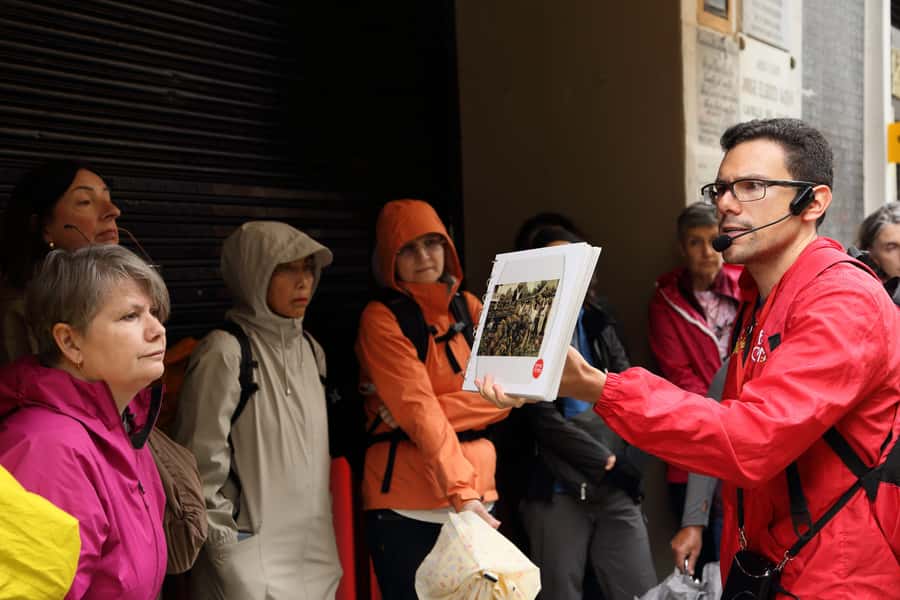
Read a short account of Colombian history before you arrive, even if it is only a basic timeline. Knowing the names Liberal, Conservative, FARC, ELN, M-19, and FARC peace agreement will help you follow the links between sections.
Ask questions when the guide opens the floor. Useful questions include:
- Why did the 1948 violence spread beyond Bogotá?
- How did guerrilla groups differ from one another?
- Why did paramilitary groups form?
- What did the FARC agreement change?
- Which conflict issues remain unresolved?
The provider also recommends further material at the end of the experience. Take note of those suggestions if you want to continue learning. The wristband given at the end may also provide benefits and discounts with recommended partners, though food, drinks, and other purchases are not part of the tour price.
An open mind is essential. Colombia’s conflict involves competing explanations, disputed memories, and painful experiences. You will get more from the walk if you listen for context rather than searching for one perfect political verdict.
Who should book this Bogotá walk
I would recommend it to first-time visitors who want to understand Bogotá beyond its architecture and food. It is especially useful if you plan to visit other parts of Colombia and want a basic framework for the country’s recent past.
It also suits students, history-minded visitors, and anyone who wants to understand why Colombia’s international image became so tied to drugs and violence. The English-language format makes the material easier to follow if you do not speak Spanish.
I would be cautious about booking it for very young children. Children under five are not accepted, and the subject matter is serious even for older children. People with limited mobility should also confirm the route before paying because of the long distance and the conflicting accessibility information.
Should you book the Colombian Conflict War, Drug Trafficking and Peace Tour?
Book it if you want an affordable, serious introduction to Colombia’s political conflict and you are ready to walk. The strongest parts are the links between the Bogotazo, party rivalry, guerrilla movements, drug trafficking, and the peace process. Guides such as Lorenzo, Héctor, Santi, and Daniel have been singled out for clear explanations, friendly delivery, humor, and strong command of a hard subject.
Skip it if you want a relaxed sightseeing walk, a private guide, or a very detailed account of current politics. For most visitors, I would take it early in a Bogotá stay, bring water and rain gear, and arrive prepared to ask questions. At $13, it offers a lot of useful context for the time and cost.
FAQ
Where does the tour meet?
Meet in front of the Museo del Oro in Bogotá, beside the red umbrellas marked Beyond Colombia.
How long does the experience last?
The listed duration is 150 minutes, while the tour description says to allow about three hours.
What language is the tour conducted in?
The live tour guide speaks English.
How much walking should I expect?
You may walk about 9 kilometers, with resting stops where the guide explains the history.
Is transportation from my hotel included?
No. You are responsible for getting to the meeting point and returning from the tour.
Are food, drinks, or souvenirs included?
No. Food, drinks, and souvenirs are not included.
Do I need to pay for entrance tickets?
No entrance tickets are included or required on the stated route. The tour does not take you to places where sudden extra charges apply.
Can I cancel the booking?
Yes. You can cancel up to 24 hours in advance for a full refund. You can also reserve now and pay later.
Is the tour suitable for wheelchair users?
The activity information gives conflicting details. One section calls it wheelchair accessible, while another says it is not suitable for wheelchair users or people with mobility impairments. Contact Beyond Colombia before booking if this is important for you.
Just added around Bogota
- Bogotá: Graffiti Tour el mejor recorrido de arte urbano★ 4.7 · 41 reviews
- Shared Tour of Colombian Exotic Fruit at Paloquemao Market★ 4.7 · 20 reviews
- Shared Tour to Monserrate Hill and Gold Museum in Bogota★ 4.9 · 8 reviews
- Shared Tour Bogota’s Street Local Food★ 4.5 · 22 reviews
- Paragliding Activity with Transfers from Bogota★ 4.9 · 21 reviews
- Monserrate Express tour 3 hrs★ 4.6 · 6 reviews
- Nemocón Salt Mine Tour★ 5.0 · 3 reviews
- La Chorrera and Chiflon Waterfalls Private Hike Tour★ 5.0 · 7 reviews
Bogota Tours, compared.
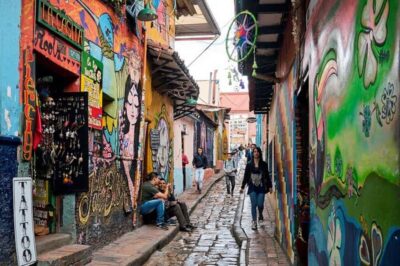
Private City Tour, Monserrate, Emerald and Botero
Read our review →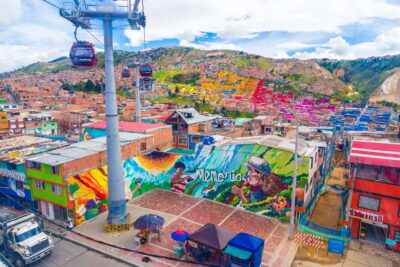
Bogotá´s Barrios: El Paraíso Favela Tour with Cable Car
Read our review →
Bogotá City Tour with Monserrate, Gold and Botero Museums
Read our review →
Zipaquirá Salt Cathedral and Lake Guatavita Day Tour
Read our review →Browse the lists this tour appears in