
Reviewed · LA CANDELARIA WALKING TOURS
Shared Tour of Bogota’s Historic Downtown (La Candelaria)
Bogotá’s old center makes the most sense on foot, where a single street can move from Spanish colonial foundations to political violence, emerald trading, chicha stalls, and sharp-edged graffiti. This shared walk through La Candelaria connects those stories rather than treating the district as a string of photo stops.
I like the tour’s clear look at the 1948 Bogotazo and the way it explains Bogotá through local culture, not just grand buildings. I also like the mix of Bolívar Square, Chorro de Quevedo, chicha, and El Embudo’s murals. The main caution is the pace: you walk about 7 kilometers, much of it uphill, at roughly 8,600 feet, and a group can reach 36 people.
Key points
- Seven kilometers of Bogotá history: Cover the old center on foot, with rest stops along the way.
- Bolívar Square explained: Learn how the surrounding cathedral, government buildings, and Justice Palace reflect Colombia’s past and present.
- The Bogotazo put in context: Explore the 1948 riot and the killing of Jorge Eliécer Gaitán.
- Chicha at Concordia market: Taste the ancestral corn drink when it is available and learn why it remains part of Colombia’s cultural heritage.
- Street art with a message: See Candelaria murals and the graffiti-lined El Embudo alleyway.
- A useful first-day orientation: Guides such as Juliana, Lorenzo, Leo, Santiago, Byron, and Lucho combine history with practical advice for the rest of your stay.
Why La Candelaria deserves a walking tour
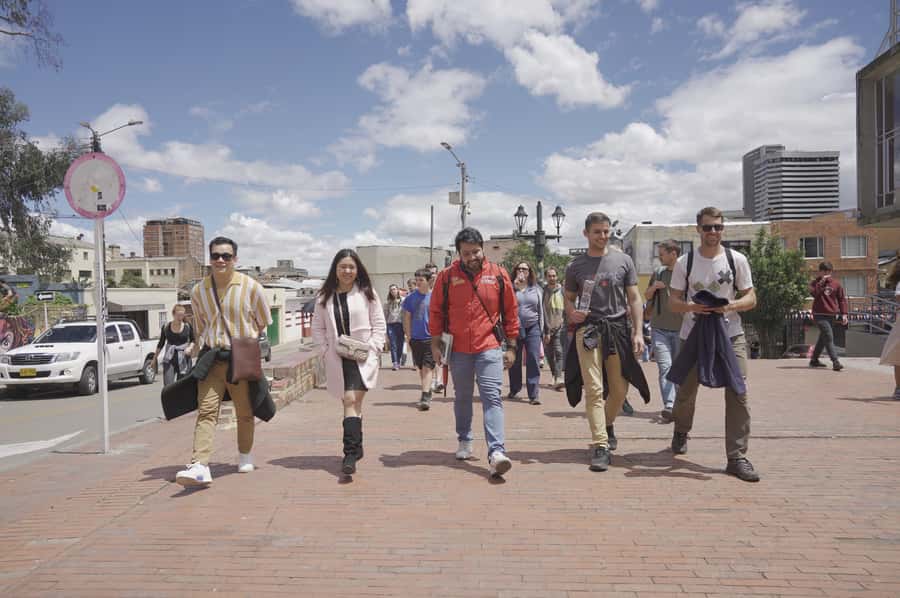
La Candelaria is Bogotá’s oldest central district and one of the best places to understand how the capital took shape. Its narrow streets lead through the city’s Spanish beginnings, republican government, student life, markets, museums, churches, and modern street-art scene.
That range is the reason I would put this walk near the start of a Bogotá visit. You are not simply looking at old façades. You are learning why the city grew where it did, how national power gathered around Bolívar Square, and how political conflict still shapes public spaces.
The walk is presented in English or Spanish. The company uses local guides, and the guide assigned to your departure may be Juliana, Lorenzo, Leo, Santiago, Byron, Lucho, Daniel, Sergio, Juan, or another member of the team. The experience can feel different depending on the guide’s style, but the strongest reports point to clear storytelling, friendly help, and strong command of Colombian history and architecture.
More La Candelaria Walking Tours in Bogota:
- Bogotá: Guided La Candelaria Walking Tour
★ 4.8 · 1,229 reviews - Bogotá: La Candelaria Graffiti & Urban Art Guided Tour
★ 4.7 · 250 reviews - Graffiti Tour in La Candelaria Bogotá with Transportation
★ 5.0 · 68 reviews
Meeting the group at the Museo del Oro
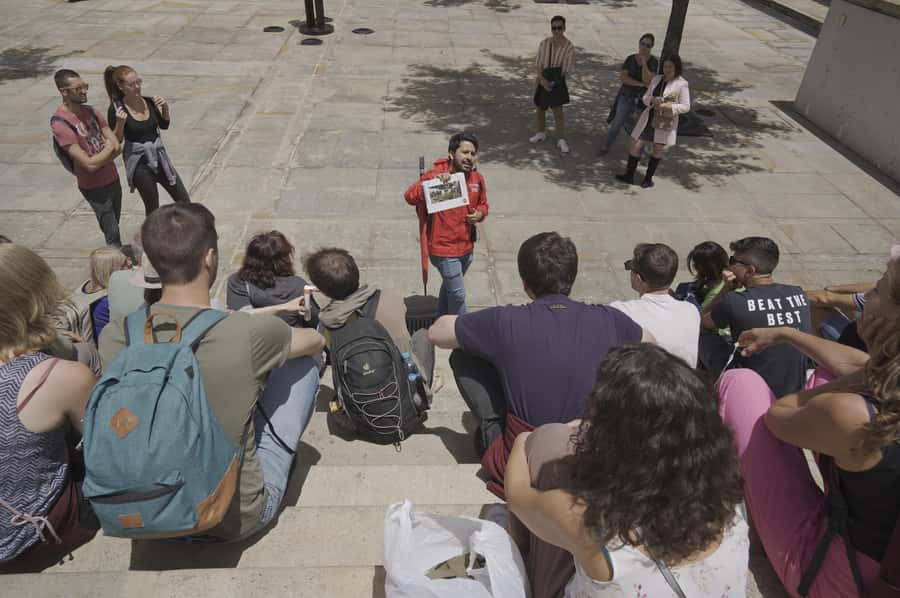
The meeting point is directly in front of the Museo del Oro, marked by Beyond Colombia’s red umbrellas. This is a sensible starting place because the museum is easy to identify and sits at the edge of the historic center.
You do not need to arrange transportation during the tour. The entire route is on foot, with pauses for explanations and short rests. Plan on about 150 minutes, though the description also calls it approximately three hours. The walking distance is the more useful detail: about 7 kilometers is a serious city walk, especially on uneven streets and at Bogotá’s high altitude.
Wear shoes you can walk in for several hours. Bring water, sunscreen, a hat, and a rainproof coat or umbrella. Bogotá’s weather can shift quickly, so rain gear is not a decorative extra. Smoking and flash photography are not allowed during the activity.
Chorro de Quevedo and Bogotá’s first chapter
One of the early historical stops is Chorro de Quevedo, the foundation square associated with Bogotá’s beginnings. This small area gives the tour a more human scale than the formal government buildings that come later.
Here, the guide explains the transition from the pre-Spanish world to the Spanish settlement and the eventual growth of the capital. The discussion includes the myth of El Dorado, a useful subject because it links European ambition, Indigenous societies, and the search for wealth that helped shape the region’s colonial story.
You can expect an explanation rather than a theatrical reenactment. That is a strength if you want a factual introduction, but anyone hoping for an attraction with extensive interior access should know that this is primarily an outdoor walking experience.
Bolívar Square and the machinery of power
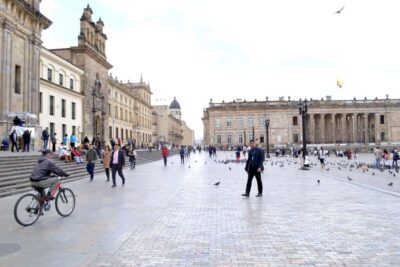
Bolívar Square is the tour’s major historical and architectural anchor. The square is surrounded by institutions that represent different parts of Colombia’s public life, including the cathedral, government buildings, and the Justice Palace.
A good guide helps you read the square as a political room without a roof. The buildings are not just background for photographs. They show how religion, law, administration, and national identity were placed side by side in the capital.
The Justice Palace also brings the tour into more recent and painful history. The siege of the palace is discussed as part of Colombia’s political conflicts, adding context to a building many people might otherwise pass without understanding.
The square can be crowded, and a large group makes it harder to hear or stay close to the guide. One guide, Rafa, handled a group of 36 people well in rainy conditions, but that kind of crowd still affects the experience. If you prefer personal conversation and easy questions, a smaller walking group would be more comfortable.
A few more Bogota trips to weigh up
- Historical tour Bogota
★ 5.0 · 72 reviews - 7-hour City Tour of Historic Bogotá with Monserrate
★ 4.7 · 47 reviews - From bogota: Salt Cathedral tour a Cultural Heritage Tour
★ 4.5 · 23 reviews - Bogota’s Historic Center and Monserrate in one day
★ 4.9 · 8 reviews
The Bogotazo and the city’s breaking point
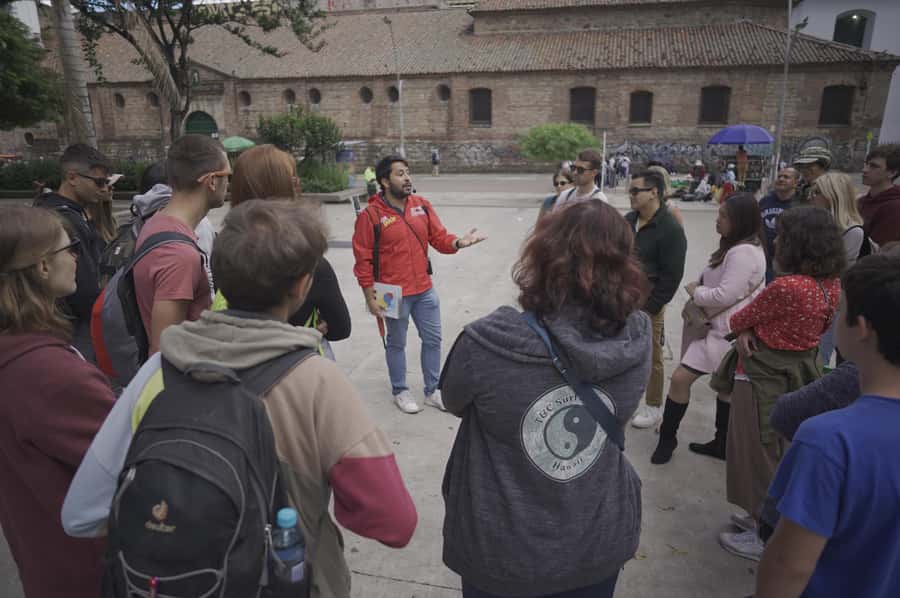
The 1948 Bogotazo is one of the most important subjects on the route. The killing of political leader Jorge Eliécer Gaitán triggered riots that changed Bogotá physically and politically.
This section gives the walk its weight. You see how one event can alter streets, buildings, public memory, and the way a country understands itself. The tour aims to present the subject without taking sides, which matters when discussing a disputed and emotionally charged chapter of Colombian history.
I especially value this part because it moves beyond a polished version of Bogotá. You are given the difficult material alongside the architecture and food. The result is a more honest sense of the capital, one that includes political anger, social division, and the long effects of violence.
The amount of detail may depend on your guide and the group’s pace. Guides including Juan, Santiago, Juliana, and Lorenzo have been praised for explaining Colombian and Latin American history in a direct, engaging way. If you want the full political story, listen closely here and save your questions for the stops.
Concordia market and the taste of chicha
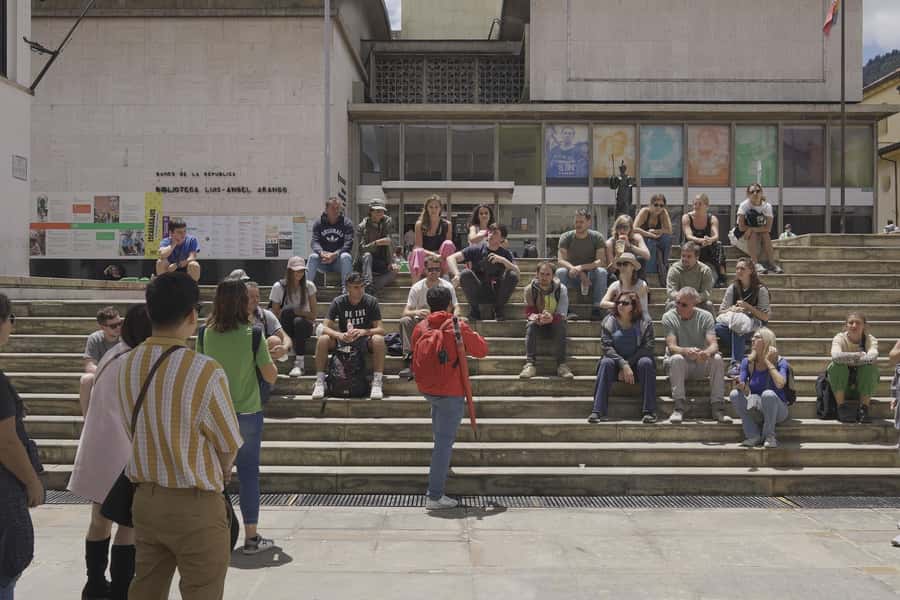
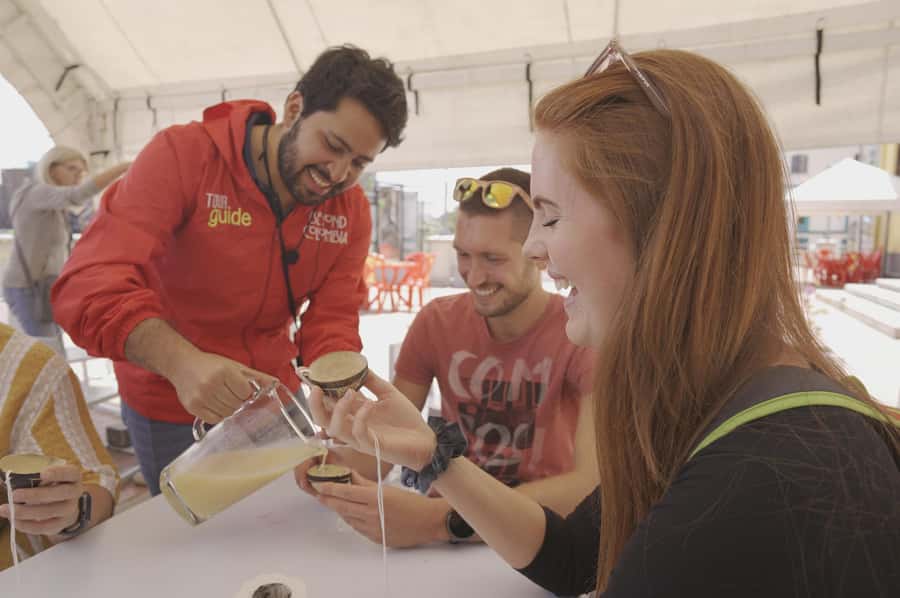
At the Concordia market, the tour turns from national events to local food culture. The focus is chicha, an ancestral corn-based drink with a long place in Colombian life.
A tasting is included when available. Do not book this walk solely for the drink, since supply and availability can change, and personal taste varies. One account found the chicha underwhelming, so you may appreciate the explanation more than the flavor.
That is not a problem. Food heritage is often more interesting when it is connected to people, memory, and changing attitudes. The guide explains chicha as part of Colombia’s cultural heritage rather than presenting it as a novelty sample.
The market also gives you a chance to ask about places for lunch, coffee, and local products. Recommended partners may offer discounts if you show the wristband given at the end of the walk. You pay separately for food, drinks, and souvenirs.
Emeralds, the False Door, and everyday Bogotá
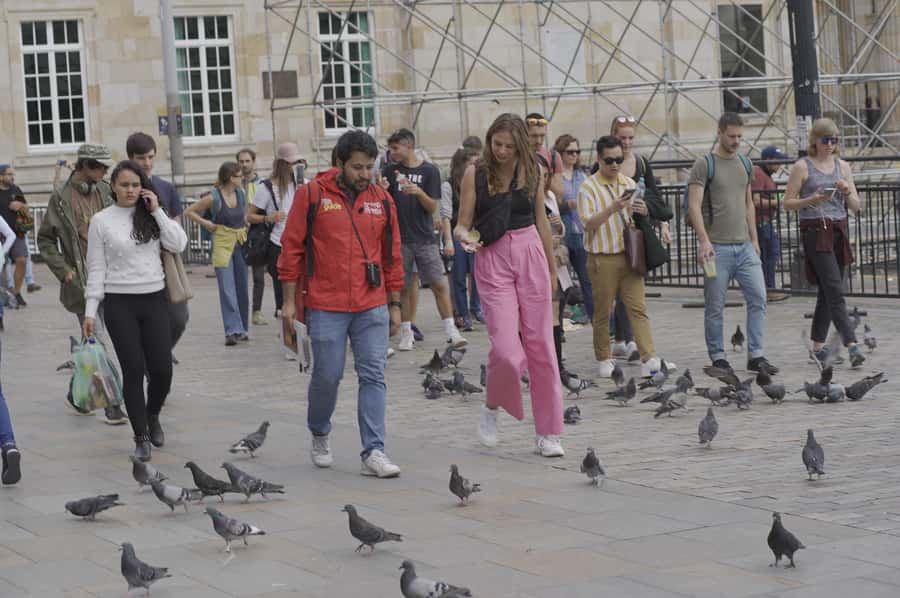
The route includes an informal emerald market and a place known as the False Door. These stops add details about daily commerce and local traditions that large monuments cannot provide.
The informal emerald market is especially useful because Colombia is closely associated with emeralds, yet the subject can be hard to understand from a museum label alone. The guide helps place the trade within Bogotá’s working city, though you should treat the stop as an explanation, not as a required shopping opportunity.
The False Door adds another small-scale cultural detail. Together, these locations keep the walk from becoming only a tour of official buildings. You see how people eat, trade, gather, and tell stories in the old center.
Keep your belongings close in crowded areas. The company’s advice not to give papaya, a local expression meaning not to make yourself an easy target, is practical. Use a secure bag, avoid displaying expensive items, and stay with the group when the streets are busy.
Botero, museums, and art in the streets
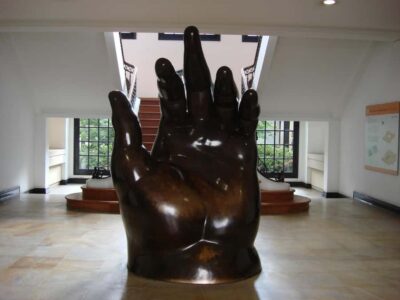
The tour passes the Botero Museum and a nearby cultural square. It is important to understand the timing: the activity provides sightseeing and commentary, but it does not include museum admission or an extended indoor visit.
That can be an advantage if you have limited time. You get an introduction to Fernando Botero and the cultural district, then you can return later for a slower museum visit. The same applies to the Museo del Oro near the meeting point. If either museum is high on your list, plan separate time and admission.
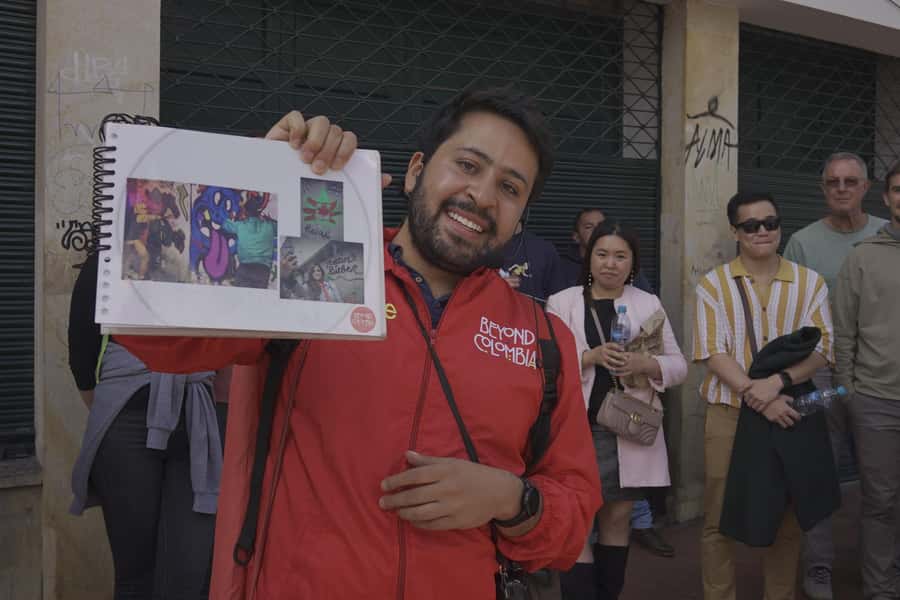
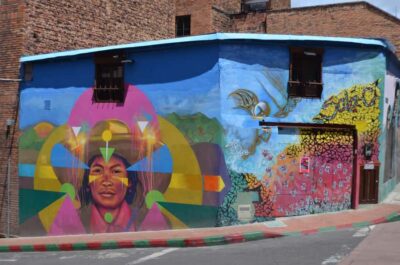
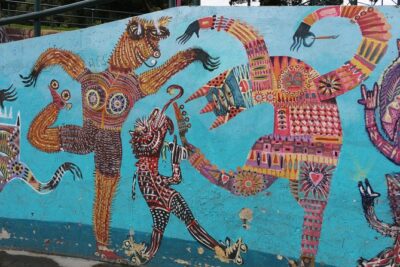
The street art section moves outdoors again. In El Embudo alleyway, you see some of La Candelaria’s best-known graffiti and murals. The guide explains influence, technique, and resistance, so the art is treated as a form of public expression rather than colorful decoration.
This is one of the tour’s most appealing contrasts. Colonial streets and formal squares share space with large, direct murals. The art helps you see how younger voices use the old district to discuss identity, inequality, politics, and neighborhood life.
What the walk feels like in practice
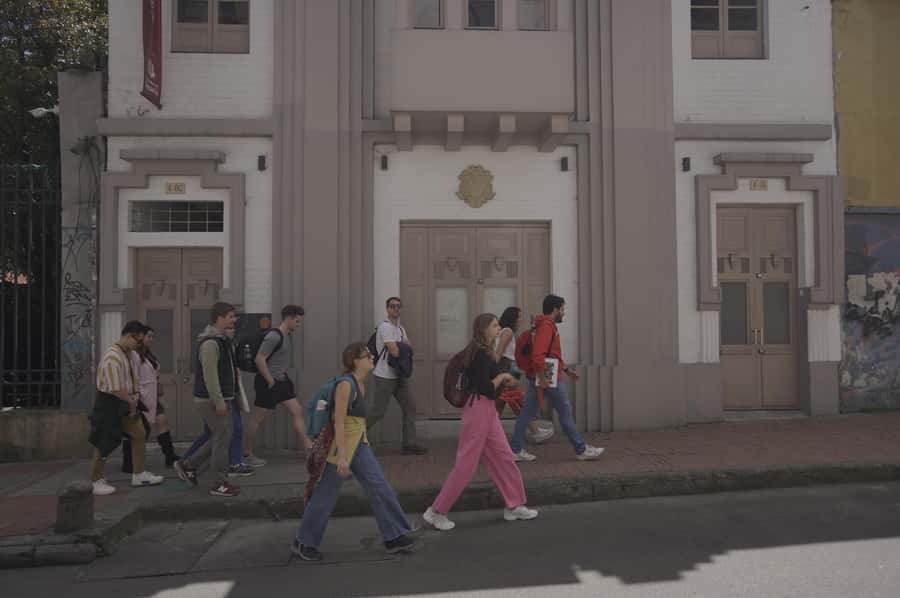
The strongest feature is the guide’s storytelling. Lorenzo was praised for keeping a long walk entertaining, while Leo was noted for explaining history, architecture, and Botero with confidence. Juliana’s warm explanations and practical suggestions make her style particularly helpful if this is your first day in Bogotá.
Santiago, Byron, Sergio, Daniel, Lucho, and Juan also receive strong marks for clear explanations and friendly interaction. No shared tour can promise a particular guide, but the range of praised guides suggests a well-established local team.
The walk is not physically extreme, but the combination of distance, hills, altitude, and changing weather matters. One person found the uphill route tiring and wished for more stops to buy water or drinks. You should carry your own hydration rather than count on a refreshment break.
Rest stops are built into the route, but this is still a moving tour. People with mobility impairments and wheelchair users should choose another activity. If you have limits but can walk, tell the guide at the start. One guide was able to provide helpful attention to specific needs, though the route itself remains demanding.
Is $13 good value?
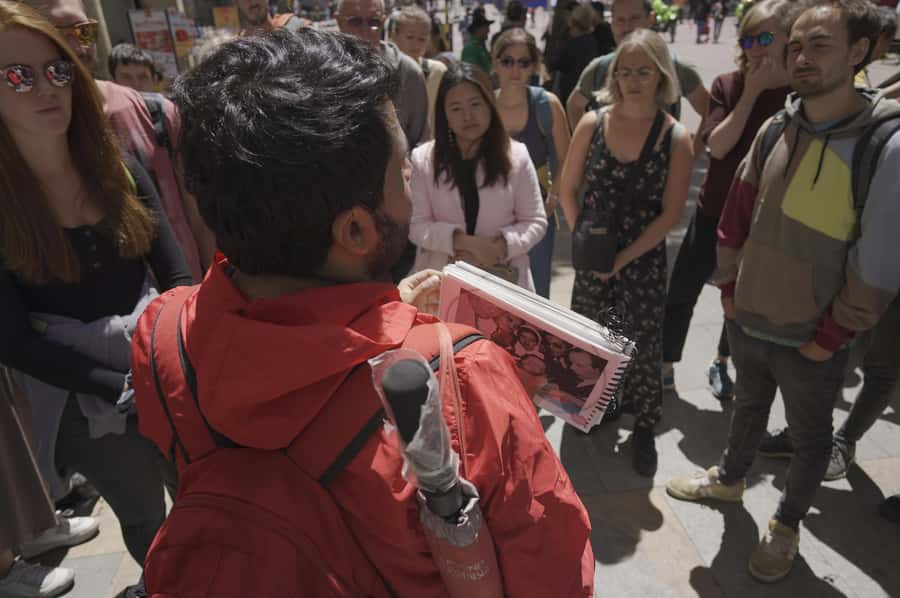
At $13 per person, this is a strong-value introduction to Bogotá’s historic center. You receive roughly two and a half to three hours of guiding, an organized route through major sites, historical interpretation, a possible chicha tasting, and practical recommendations for food, coffee, and shopping.
The price does not cover transportation, meals, drinks, souvenirs, or museum tickets. That is easy to manage because the main value is the guide and the route, not bundled admissions. You can decide later which museums deserve your money and time.
A shared group keeps the cost low. The tradeoff is that groups may be large, with one departure reaching 36 people. In rain or crowded squares, you may need to move closer to hear. Still, for a first look at La Candelaria, the cost compares well with paying separate admission for a single attraction.
You can reserve and pay later, and cancellation is available up to 24 hours before the tour for a full refund. Those terms help if your Bogotá schedule is still changing.
Who should book this walk?
I would choose this tour if you want a broad introduction before exploring Bogotá on your own. It suits history-minded visitors, first-time arrivals, people interested in street art, and anyone who wants local food traditions explained in context.
It also works well if you like asking questions. Guides are expected to offer practical suggestions for the rest of your stay, and several have helped with advice beyond the formal route.
I would think twice if you dislike long walks, large groups, hills, or outdoor sightseeing in uncertain weather. The tour does not provide transport between stops, and the route can feel tiring at altitude. It is also not suitable for wheelchair users or people with mobility impairments.
Final verdict: book it for context, not comfort
Book this shared walk if you want Bogotá’s old center to make sense quickly. The best parts are the links between Bolívar Square, the Bogotazo, chicha, emeralds, Botero, and graffiti. You leave with more than a set of photographs, plus a clearer plan for what to see next.
Choose another option if you need a slow pace, a small private group, or guaranteed indoor access. For most able-bodied visitors who can manage 7 kilometers, the $13 price makes this a practical first or second-day orientation, especially with a strong guide such as Juliana, Lorenzo, Leo, or Santiago.
FAQ
How long does the Bogotá historic downtown tour last?
The stated duration is 150 minutes, or about two and a half hours. The description also says the tour lasts approximately three hours, so allow a little extra time.
How far will I walk?
You will walk about 7 kilometers and make several stops to hear explanations and rest.
Where does the tour meet?
Meet directly in front of the Museo del Oro. Look for the Beyond Colombia team and its red umbrellas.
Is the tour offered in English?
Yes. Live guiding is available in English and Spanish.
Is chicha tasting included?
A chicha tasting is included when available. Food and other drinks are not included.
Are museum tickets included?
No. The tour provides sightseeing and explanations, but museum entrance fees are not included.
Is transportation provided?
No. Transportation to and from your hotel is not included, and there is no transport between stops. The tour is walked on foot.
What should I bring?
Bring comfortable shoes, water or another preferred drink, sunscreen, a hat, a camera, and a rainproof coat or umbrella.
Can people with mobility impairments join?
No. The activity is not suitable for people with mobility impairments or wheelchair users.
Just added around Bogota
- Paragliding Activity with Transfers from Bogota★ 4.9 · 21 reviews
- Monserrate Express tour 3 hrs★ 4.6 · 6 reviews
- Nemocón Salt Mine Tour★ 5.0 · 3 reviews
- Layover City Tour or Conexion in Bogota★ 4.5 · 5 reviews
- La Chorrera and Chiflon Waterfalls Private Hike Tour★ 5.0 · 7 reviews
- Bogota: Horseback Riding Tour★ 5.0 · 5 reviews
- Guatavita: Tour to Guatavita Lagoon, the Village and Casa Loca★ 4.8 · 19 reviews
- 7-hour City Tour of Historic Bogotá with Monserrate★ 4.7 · 47 reviews
La Candelaria Walking Tours, compared.
Graffiti Tour in La Candelaria Bogotá with Transportation
Read our review →
VIP Bogota City Tour: Farmers Market, Monserrate, Candelaria, 9hr
Read our review →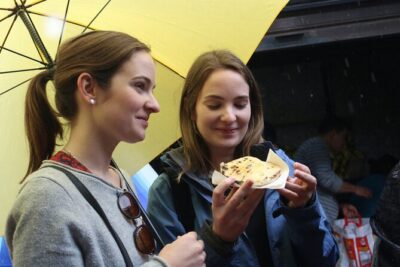
Private Guided Tour with Monserrate & La Candelaria
Read our review →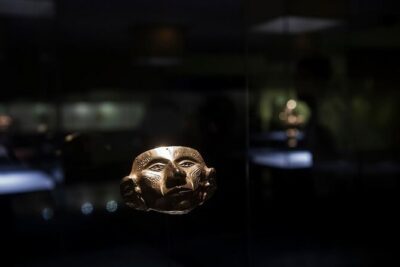
La Candelaria, Mount Monserrate and Museo del Oro in One Day in Bogota
Read our review →Graffiti Tour in La Candelaria Bogotá with Transportation
Read our review →Browse the lists this tour appears in