
Reviewed · HIKING & TREKKING
Hiking to the largest paramo on earth : Sumapaz
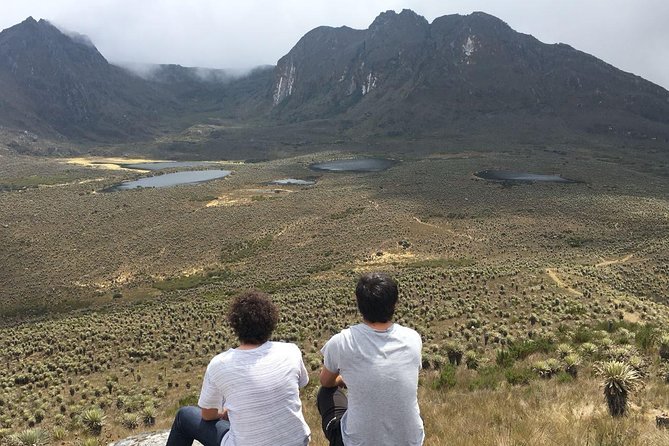
Sumapaz is not a gentle outing in the hills. It is a climb into one of the world’s highest, wettest, strangest ecosystems, where the air thins, clouds roll across the ridges, and plants seem built for another planet. The high-altitude scenery is the real prize.
I like the small group size, capped at four people, and the chance to learn about Sumapaz from guides such as Juan, Andrea, Alejandro, and Gabi. I also like the local food stops: breakfast at a rural restaurant, followed by an arepa and hot agua de panela after the hike.
The catch is simple: 3,500 to 4,000 meters is high. Even fit hikers may feel breathless, and rain, wind, mud, slippery rocks, and cold can turn a short hike into hard work. Bring proper footwear, warm layers, sunscreen, and patience.
Key points to know before you book
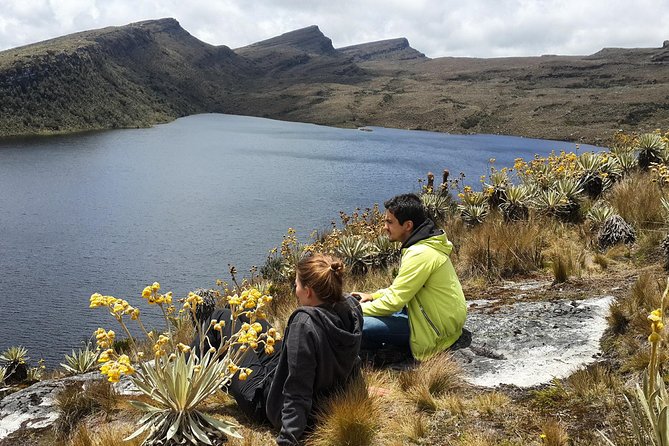
- Sumapaz is the world’s largest páramo, a high plateau filled with water and rare plant life.
- The hike is short but demanding, mainly because of rapid altitude gain rather than distance.
- Groups never exceed four people, giving the guide room to adjust the pace and answer questions.
- Breakfast and a hot post-hike snack add a welcome local touch to the day.
- Weather changes quickly, so waterproof clothing and sturdy hiking boots matter.
- The tour runs about six to eight hours, including the drive from Bogotá and the hike.
Why Sumapaz feels unlike any other day trip from Bogotá
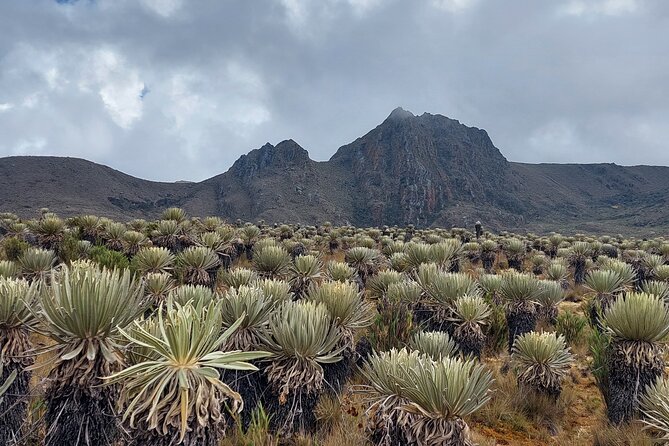
Many day trips from Bogotá focus on colonial towns, salt mines, or food. Sumapaz offers something very different. You head south from the capital into a protected highland zone that supplies much of the region’s water. The scenery shifts from city streets to rural roads, then to open páramo covered with plants adapted to cold, wet conditions.
The páramo ecosystem is one of the main reasons to come. You will see unusual high-altitude vegetation, broad views across the mountains, and weather that may change from clear skies to mist or rain within minutes. The setting can feel quiet and remote, even though Bogotá is not far away.
I especially value the water story here. Sumapaz is not just a pretty place for photographs. It is an important natural water store, and the guide’s explanation of the plants, terrain, and local connection helps you understand why the area is protected.
The word páramo is often translated simply as high moorland, but that does not quite capture the place. You are walking through an ecosystem shaped by cold air, intense sun, heavy moisture, and altitude. The unusual plants are not decoration. They are part of a system that helps collect and regulate water.
A few more Bogota trips to weigh up
- Sumapaz Páramo Private Hike Tour
★ 5.0 · 52 reviews - From Bogota: La Chorrera Waterfall Guided Hike
★ 4.9 · 46 reviews - Bogotá: Sumapaz National Park Hike Tour
★ 4.9 · 13 reviews
Leaving Bogotá at 7:30 am
The official meeting point is Panadería Nicolf at Cra. 35a #35-99 in Bogotá, with the same location used at the end of the day. The departure time is 7:30 am, so plan to arrive ready for the road rather than treating this as a leisurely late breakfast.
The drive is part of the outing. Depending on road conditions and the exact starting point, the transfer takes roughly one to one and a half hours to reach the highlands. The route moves through outer Bogotá and rural areas before the hike begins. Guides such as Alejandro have also used the drive to explain neighborhoods and the areas beyond the city.
The small group format matters here. With no more than four people, you avoid the feel of a large bus excursion. The guide can talk with you directly, and a slower pace is more realistic if altitude affects you.
Road conditions can be rough. One account described a bumpy road and a vehicle that was not in ideal condition, so you should not expect luxury transport. This is a practical transfer to a remote trailhead, not a polished coach ride. The road may also be affected by rain.
Breakfast at a rural restaurant
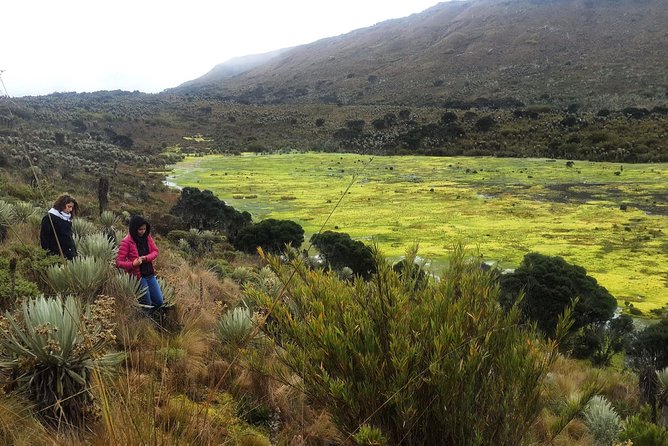
The day commonly includes a breakfast stop before the hike. Previous menus have included costilla de res soup and a tinto, the small Colombian coffee often served with meals. The food is more than fuel. It gives you a brief taste of rural Colombia before you head farther into the páramo.
Breakfast also gives the group time to meet and hear how the day will work. Dietary needs have been accommodated on some outings, but you should still mention restrictions when booking rather than assuming a specific menu will be available.
After breakfast, the vehicle continues toward the trail area. At times, the van cannot travel farther along the rough road, so you may begin walking before reaching the highest point. The climb then continues toward the home of a National Park guide, where you may have a chance to use the restroom, adjust your pack, and prepare for the main ascent.
That detail is useful because the day does not begin with a neat trailhead and a sign. It can feel more like a rural approach, with changing road conditions and a gradual transition from farmland to protected highlands.
The climb into the cloud country
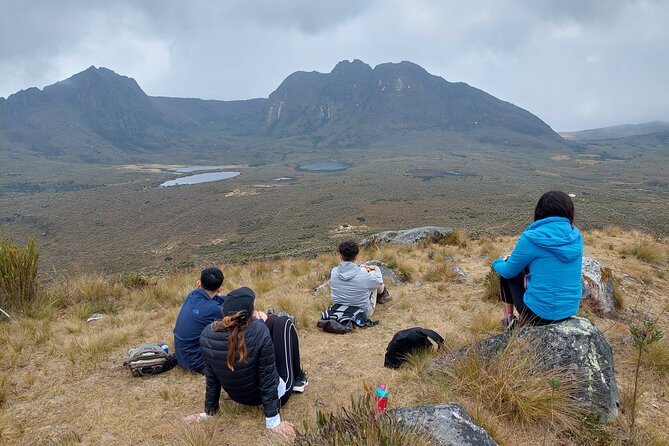
The actual hike is often described as short, but do not confuse short with easy. You gain altitude quickly, and the first hour to hour and a half can include a solid uphill push. At 3,500 to 4,000 meters, every step costs more effort than it would at sea level.
I would rate this as a moderate outing on paper, but your response to altitude matters more than your usual gym routine. Several fit people have needed time to catch their breath. You may feel fine for ten minutes, then suddenly need a pause.
A good guide makes a big difference. Juan has been praised for explaining the plants and keeping a cheerful tone. Andrea has led solo bookings and small groups, and has been described as patient during slow climbs. Alejandro has helped turn the hike into a more thoughtful visit, with time to notice the setting rather than simply race uphill. Gabi has also guided the route with humor and enthusiasm.
Still, the pace may not always match yours. One outing involved a guide moving too quickly without enough stops. If you need regular breaks, say so early. In a group of four or fewer, there is a fair chance the day can be adjusted, but you should not wait until you are exhausted.
The trail can include hard steps, loose rocks, mud, and slippery sections. Descending may be harder than climbing because wet ground and unstable footing demand attention. In rainy weather, the route becomes notably tougher. Waterproof hiking boots or rain boots are a wise choice, not an optional extra.
Same city, a completely different kind of day:
- Bogota: Bicycle City Tour
★ 4.9 · 2,156 reviews - Zipaquirá: Salt Cathedral Group Tour with Pickup
★ 4.8 · 1,606 reviews - Bogotá: Guided La Candelaria Walking Tour
★ 4.8 · 1,229 reviews - Bogotá: Private City Tour, Monserrate, Emerald and Botero
★ 4.9 · 798 reviews
The plants and views at the top
The reward comes as the vegetation changes with elevation. Lower sections may look more familiar, but the higher you climb, the more the páramo plants take over. Their shapes and colors give the area its otherworldly feel.
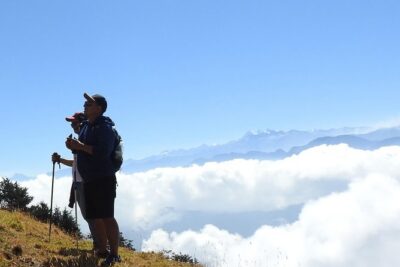
On a clear day, you can see broad mountain views and open highland scenery. On a cloudy day, the mood changes completely. Mist may cover the ridges, wind can sweep across the top, and the route may feel secluded and mysterious. Both conditions have appeal, but clear weather gives you better views.
Do not count on perfect visibility. Sumapaz is cool and humid throughout the year, and rain is common. The most practical approach is to dress for wet weather while hoping for sun, rather than dressing for the forecast alone.
Cloudy skies also do not protect you from sunburn. One person was burned despite overcast conditions, so sunscreen and a hat belong in your day pack. The combination of high altitude, cold wind, and strong sunlight can catch you off guard.
Take time at the viewpoints. This is not a route where the final summit marker is the only thing worth seeing. The plant life, changing air, distant ridges, and quiet are the heart of the visit. If your guide offers time for reflection, use it. Sumapaz rewards a slower eye.
A warm finish with arepa and panela
After the hike, the return route may include a stop at a local farm or rural home for an arepa and hot agua de panela. That warm drink is especially welcome after rain and wind. The snack also gives the day a human touch that a packed granola bar cannot match.
These food stops help connect the protected highlands with the people who live around them. You are not only looking at a remote ecosystem through a vehicle window. You are also seeing how rural life fits around the edges of the páramo.
The total outing takes about six to eight hours, though the hiking portion itself may be closer to four hours depending on conditions and pace. Allow flexibility. Mud, weather, group fitness, and road conditions can all affect the schedule.
What the $130 price really covers
At $130 per person, this is not a cheap half-day walk. The value comes from the private or very small-group transport, the specialist setting, the guide, the included park admission, and the local food stops.
You are also paying to reach a place that is not a simple taxi ride from Bogotá. The road, altitude, weather, and protected status make independent planning less straightforward. If you want a guide who can explain the ecology and help you manage the climb, the cost is easier to justify.
The value is strongest for solo visitors and couples who would rather avoid a large group. A four-person maximum makes the price more reasonable for people who care about personal attention and a flexible pace.
The value is weaker if you want a polished vehicle, a guaranteed clear view, or an easy nature walk. The road may be bumpy, the weather may hide the mountains, and the hike can feel strenuous. You are buying access to a wild, changeable place, not a controlled sightseeing product.
The food is another plus. Breakfast and the arepa with panela help turn transport and hiking into a full cultural day. They are small details, but they make the $130 feel less like a fee for a trail transfer.
What to pack for wet, high-altitude conditions
Your clothing can decide whether this is memorable for the right reasons. Pack for cold rain, strong sun, and mud on the same day.
Bring:
- Waterproof hiking boots or sturdy rain boots
- A waterproof jacket and warm layers
- Long hiking pants
- Sunscreen and a hat
- Plenty of water
- A small day pack
- Dry socks and a way to protect electronics
Proper pants help protect your legs from rough rocks and prickly plants. Tennis shoes may work in dry conditions, but they are a poor choice when rain turns the trail muddy.
Altitude sickness deserves respect. You may feel short of breath, tired, dizzy, or simply slower than expected. The tour requires moderate physical fitness, and you should be honest about your condition before setting out. Coca leaves were useful for one person coping with altitude, but the safest advice is to listen to your body, move slowly, drink water, and tell the guide if you feel unwell.
The provided information does not promise medical support or a particular altitude acclimatization plan, so do not treat this as a place to test your limits. If you have concerns about high altitude, ask a medical professional before booking.
Who will enjoy this hike most
I would recommend Sumapaz to people who want a distinct natural experience close to Bogotá and are comfortable with uncertain weather. It suits hikers who care about plants, water systems, rural culture, and mountain views more than a checklist of attractions.
It is also a strong choice for solo visitors. The small group size gives you company without the noise of a large tour, and guides such as Juan and Andrea have led solo outings.
This is less suitable for anyone looking for a relaxed stroll, a dry trail, or a fixed timetable. It may also be a poor fit if you have not prepared for altitude or dislike mud and cold. The route is manageable at a personal pace, but it is not effortless.
The guides are one of the strongest parts of the outing. Juan is noted for his plant and area explanations, Andrea for patience and English fluency, and Alejandro for connecting the natural setting with local people and place. Individual guide assignments can vary, so you should not book solely to guarantee one person.
The activity is recommended by 98 percent of past customers and carries a 4.9 rating from 49 reviews. Those numbers fit the main pattern: the ecosystem, food, small groups, and guides receive the strongest praise, while altitude, rain, road quality, and pacing are the main cautions.
Should you book the Sumapaz páramo hike?
Book it if you want one of Bogotá’s most unusual day trips and you are ready for a real mountain outing. The scenery is striking, the ecosystem matters, and the rural breakfast and panela stop give the day a local feel.
Skip it if you want comfort and predictability. Sumapaz may be wet, windy, muddy, cloudy, and harder than the distance suggests.
For most prepared hikers, I think the $130 price is fair because it combines transport, entry, guiding, food, and access to a difficult-to-reach protected area. Reserve ahead if possible, since it is booked an average of 17 days before departure. Free cancellation is available up to 24 hours before the 7:30 am start, while poor weather may lead to a new date or a full refund.
FAQ
Where does the Sumapaz tour start and finish?
The tour starts and ends at Panadería Nicolf, Cra. 35a #35-99 in Bogotá. The scheduled start time is 7:30 am.
How long does the Sumapaz experience last?
The full experience takes approximately six to eight hours. The hiking portion is listed at about four hours, with driving and food stops included in the overall day.
How difficult is the hike?
The tour requires a moderate level of physical fitness. The climb can feel strenuous because the route reaches roughly 3,500 to 4,000 meters, with uphill sections, mud, loose rocks, and slippery ground.
What is included in the experience?
Admission to Parque Nacional Natural Sumapaz is included. The day also includes transport, breakfast, and a snack of arepa and hot agua de panela, as described for the outings.
How many people can join the tour?
The maximum group size is four people. This makes the outing more personal and may allow more direct communication with the guide.
Can I cancel for a full refund?
You can cancel up to 24 hours before the experience starts for a full refund. Cancellations or changes made less than 24 hours before the start time are not refunded or accepted. If poor weather causes the tour to be canceled, you will be offered another date or a full refund.
Just added around Bogota
- Zipaquira: 5 hrs Salt Cathedral Tour★ 4.4 · 9 reviews
- Zipaquirá: Private Salt Cathedral Mine and Walking Tour★ 4.8 · 3 reviews
- Zipaquirá: Private tour to the Salt Cathedral, Colombia’s first wonder★ 4.9 · 33 reviews
- Wonders of Salt: Colombia’s Underground Cathedral★ 5.0 · 18 reviews
- Zipaquirá Salt Cathedral & Andrés Carne de Res (Chía)★ 4.6 · 30 reviews
- Private Zipaquira Salt Cathedral and Guatavita Lagoon Tour from Bogota★ 4.5 · 44 reviews
- La Candelaria Walking Private Tour (3 Hrs.)★ 5.0 · 51 reviews
- MINA CATEDRAL DE SAL ZIPAQUIRA Tour Privado★ 4.5 · 38 reviews
Hiking & Trekking, compared.
Private tour: hiking to the crystalline MELCOCHO river from MEDELLÍN
Read our review →
Salento/Pereira: Cocora Valley & Salento Hiking Private Tour
Read our review →
Guided Hiking through Tayrona National Park and Cabo San Juan
Read our review →
Trekking History and Indigenous Heritage in Minca + Cacao & Coffee + Waterfall
Read our review →
Browse the lists this tour appears in