
Reviewed · SANTA MARTA TOURS
Tour to Punta Gallinas with Cabo de la Vela 3 Days
The big draw here is the road itself: three days across Colombia’s dry northern tip, from the Manaure Salt Flats to the dunes of Taroa and the far-off beaches of Punta Gallinas. You’ll meet Wayuu communities, swim at desert beaches, and watch sunsets from coastal viewpoints that feel far removed from ordinary Colombia tours.
I like the small six-person group and the way the trip links La Guajira’s main sights without making you arrange separate rides. I also like that lodging, six meals, medical assistance insurance, and a Spanish-speaking guide are built into the $439 price. The main drawback is the long time in a shared vehicle, plus very basic conditions, hot weather, salt-water showers, and possible changes in October and November.
Key things to know before you go
- The route reaches Punta Gallinas: You travel beyond Cabo de la Vela to Taroa Dunes, Punta Aguja Beach, and the Punta Gallinas area.
- The group is limited to six people: That keeps the shared van more manageable, though you still spend long stretches on rough, remote roads.
- The scenery changes every day: Salt flats, dry desert, beaches, dunes, fishing coast, and windy Mayapo all appear on one compact trip.
- Meals and lodging are included: You receive two breakfasts, three lunches, two dinners, and accommodation in a bed or a reserved hammock arrangement.
- This is a Spanish-language tour: The guide provides assistance in Spanish, so basic Spanish will help you follow explanations and coordinate stops.
- Respect matters in Wayuu communities: Ask permission before taking photographs, especially when passing homes or community areas.
Why this three-day La Guajira route works
La Guajira is not a polished resort destination. It is hot, dry, remote, and shaped by long distances. That is exactly why this tour makes sense for many people. Reaching Punta Gallinas independently requires planning transportation, meals, places to sleep, and local route knowledge. Here, the major pieces are joined into one circuit from Riohacha and back.
The $439 price is best judged as a package rather than as a simple sightseeing ticket. You are paying for shared transportation, a guide, lodging, six meals, medical assistance insurance, and the visits described in the schedule. If you tried to arrange each part separately, the logistics would quickly become complicated.
Still, you should know what you are buying. This is not a luxury road trip. The vehicle carries six participants plus the guide, and the itinerary includes roughly three hours of driving toward Bahía Honda, another long desert transfer, and about six hours on the final return toward Mayapo and Riohacha. The reward is access to places that are difficult to connect on a short visit.
A few more Santa Marta trips to weigh up
- Leticia: Amazing Three Day Jungle Tours
★ 4.1 · 8 reviews
Day 1: Salt flats and Cabo de la Vela beaches
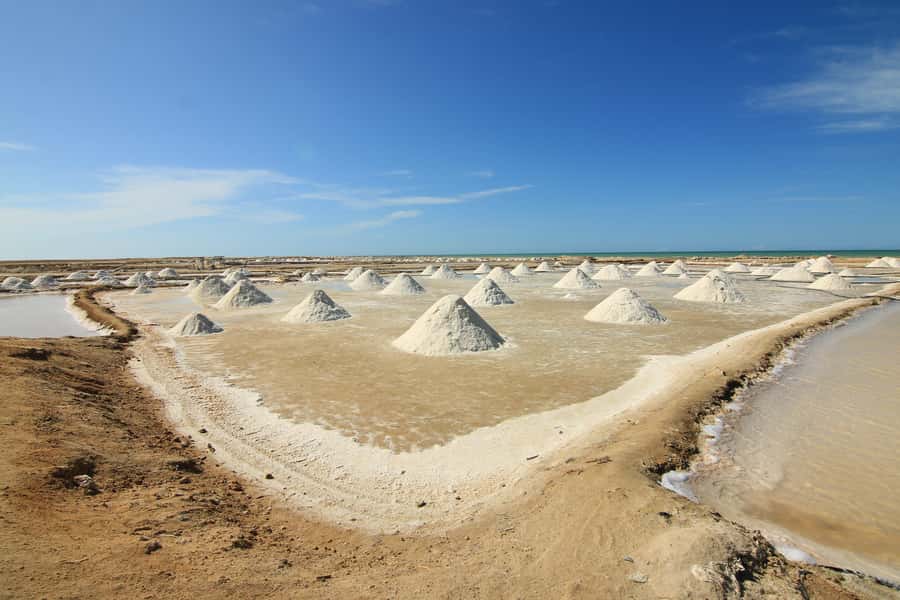
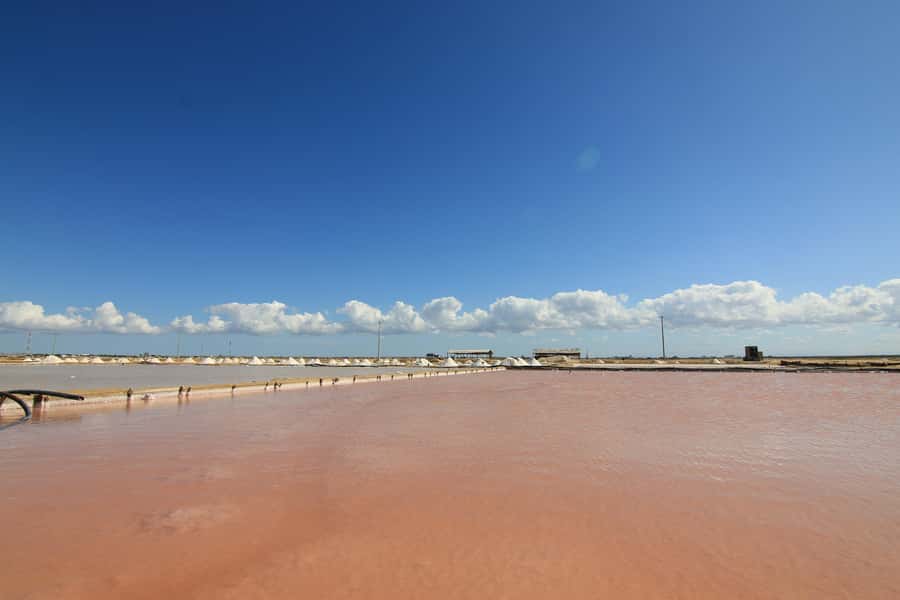
Your departure point is Riohacha. The first major stop is Uribia, followed by the Manaure Salt Flats. This is a useful opening to the trip because it shows how local work and the dry climate shape the region. The salt flats are not merely a photo stop. They help explain the character of La Guajira before you reach the beaches and dunes.
The route then continues to Cabo de la Vela, where lunch is served after arrival. The schedule becomes more active in the afternoon, with visits to Dorada Beach, Pilón de Azúcar, and Ojo de Agua Beach.
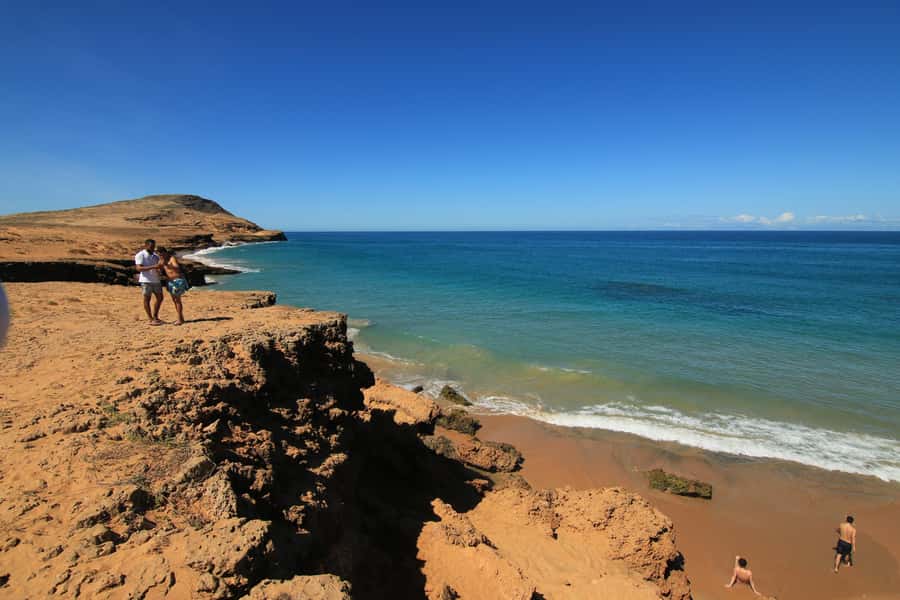
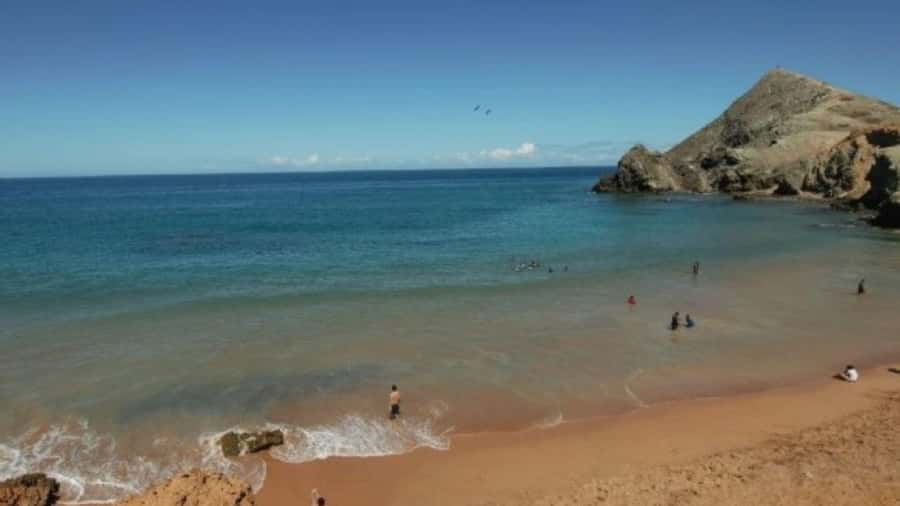
Pilón de Azúcar is one of the trip’s key viewpoints. You can walk, take in the coastal views, and swim during the stop. The setting combines bare, sun-baked ground with open sea, so bring a hat and water even if you plan to stay near the shore.
Ojo de Agua gives you another chance to walk and swim. Having several beach stops in one afternoon is useful because you are not dependent on one perfect beach experience. If wind, heat, or crowds affect one stop, the next may suit you better.
As the day cools, the group goes to the lighthouse to watch the sunset. This is a good time to slow down. Much of the day is spent moving between stops, so the sunset provides a quiet pause before dinner.
You sleep in Cabo de la Vela after dinner. The accommodation may be a comfortable hammock or a room, depending on what you reserved. The provided information also describes sleep in comfortable beds, so check exactly which arrangement applies to your booking. Bring a light layer for the evening, but prepare mainly for heat. Average temperatures range from 22 to 30 degrees Celsius, with highs reaching 42 degrees.
Day 2: Bahía Honda, Taroa Dunes, and Punta Aguja
After breakfast, the journey continues toward Punta Gallinas. This is the day that requires the most patience. The schedule includes about three hours in a shared van to Bahía Honda, lunch at a beachfront restaurant, and another long stretch across dry desert terrain.
Bahía Honda is a practical and pleasant break because lunch comes beside the water. Do not expect the entire day to feel like a string of short sightseeing stops. The distances are part of the experience, and the remote setting is the reason Punta Gallinas cannot be treated like a nearby beach excursion.
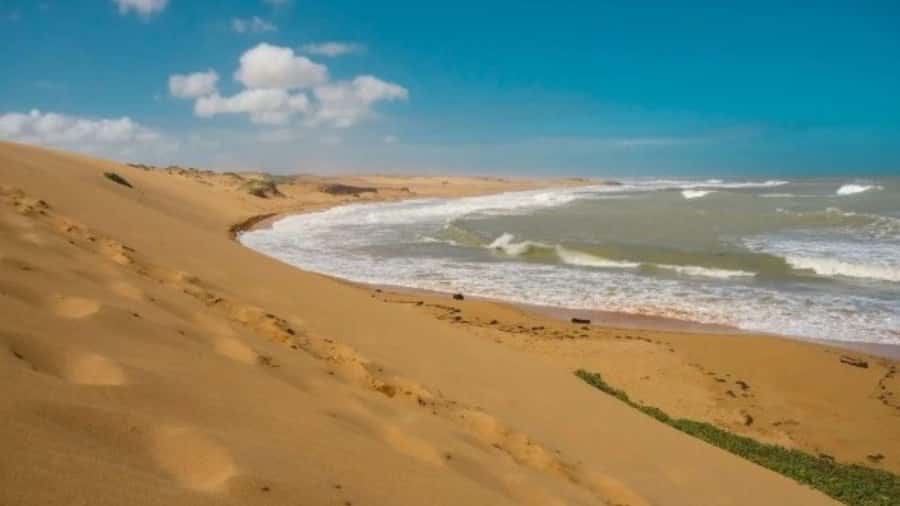
The major arrival point is Las Dunas de Taroa. These huge coastal dunes give you a strong sense of La Guajira’s scale. You can walk around, take in the views, and swim if conditions allow. Sand, sun, and wind can make the stop tiring, so sunglasses and secure footwear are useful.
A swim at Taroa is one of the more unusual parts of the route. You get desert and sea in the same place, with no need to choose between a beach day and a dry-country excursion. Follow the guide’s instructions and keep your belongings protected from sand and water.
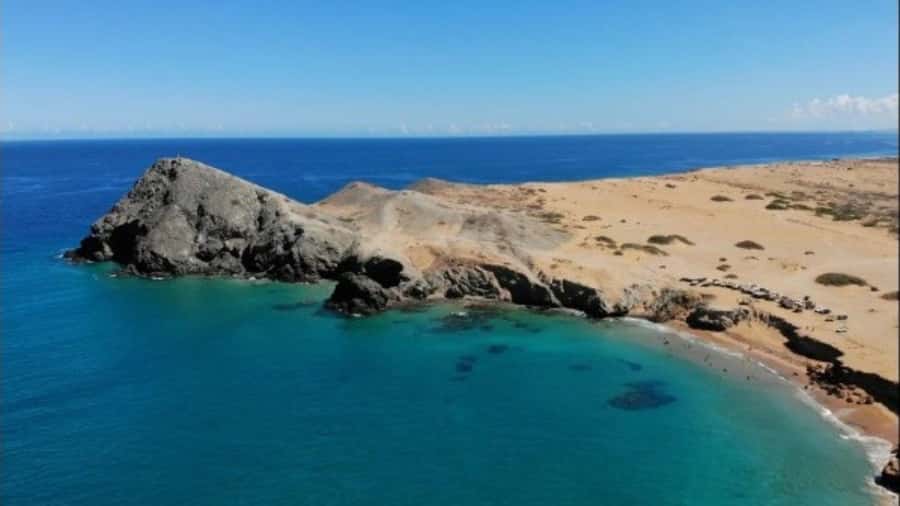
Later, you visit the lighthouse and Punta Aguja Beach. Punta Aguja is another swimming stop and the place for the second sunset. The repeated sunset stops may sound similar on paper, but the surroundings change from day to day. Cabo de la Vela gives you a different coastal setting from the farther Punta Gallinas area.
Dinner and overnight accommodation are at a ranchería in Punta Gallinas. This is where you get a closer look at local rural life. The word ranchería can cover simple accommodation, so keep expectations practical. You will have a place to rest, but this is not the moment to expect hotel-style facilities.
A useful detail is the water situation. Showers may use salt water, so avoid getting it in your eyes or mouth. Use purified water from your bottle when brushing your teeth. That small habit makes the basic conditions much easier to manage.
Day 3: The long return through Mayapo
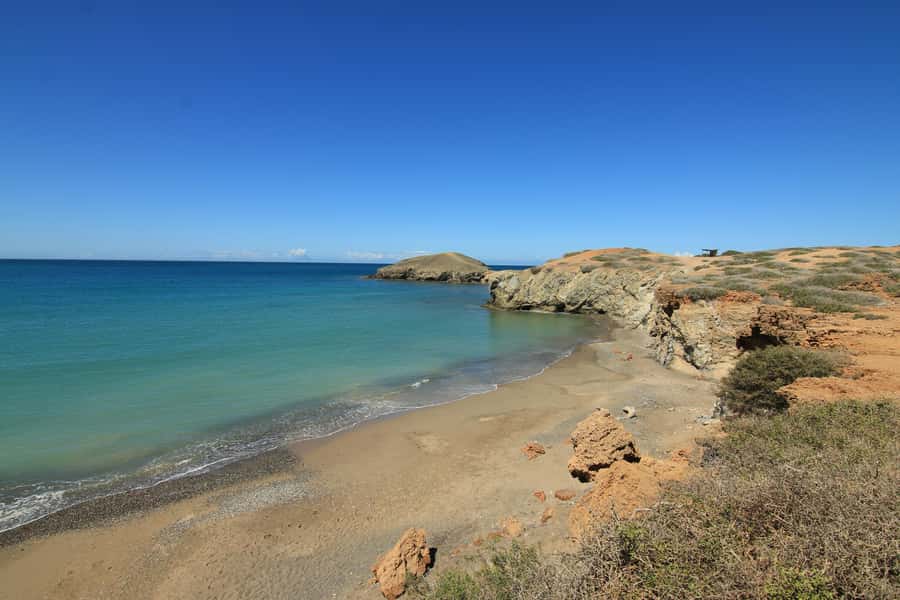
After breakfast at the ranch, you begin the return toward Riohacha. The drive is listed at about six hours, making this the longest transfer of the trip. That is important when deciding if the tour fits you. You need to be comfortable sitting in a shared vehicle for much of the day.
The final major stop is Mayapo Beach. Lunch is served there, followed by time to swim and enjoy the shore. Mayapo is known here for its wind, waves, sandy beach, and suitability for water sports. Even if you do not plan to take part in a sport, the breezy setting offers a welcome change after the dry interior.
You return to Riohacha in the middle or later part of the afternoon, depending on road and weather conditions. Since the route can be affected by rain, avoid scheduling an important onward connection immediately after the tour.
Mayapo is a smart final stop because it lets you end with time beside the water rather than simply arriving back in the city after a full day in the van. It also gives you one last chance to swim, so keep your beachwear accessible instead of packing it at the bottom of your bag.
Same city, a completely different kind of day:
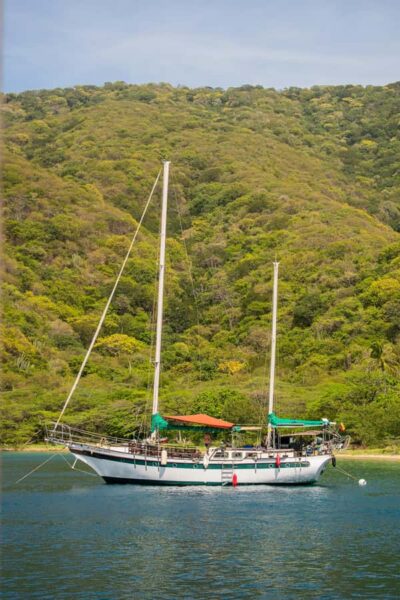
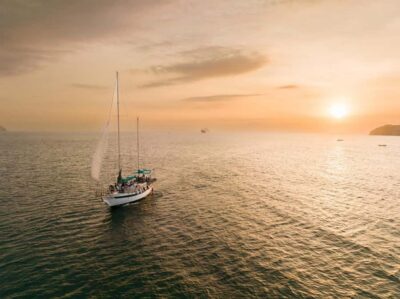
- Santa Marta: Sailboat day tour to Tayrona Park
★ 4.5 · 352 reviews - From Santa Marta: Tayrona National Park Guided Tour
★ 3.8 · 131 reviews - Tayrona Bay Sailboat trip
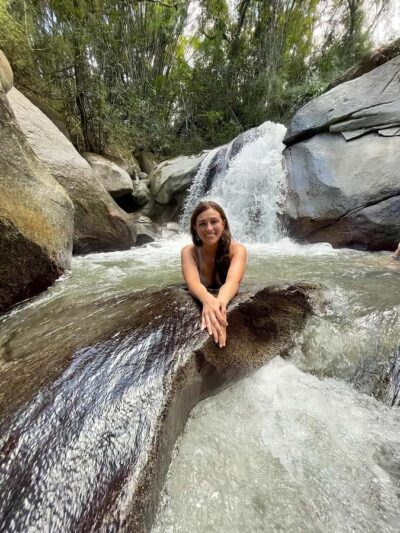
★ 4.5 · 107 reviews - Santa Marta: Minca Coffee, Cocoa, & Waterfall Full-Day Trip
★ 4.6 · 102 reviews
What the small group and transport are really like
Transportation is by shared van with capacity for six people. That is a genuine advantage over a large coach. You get a smaller group at each stop, and coordination should be simpler. It also means the vehicle is a central part of your day, not just a way to move between attractions.
The route includes several long drives. Road conditions and weather can affect timing, and you will spend hours crossing dry, remote areas. If you dislike long transfers, this may feel exhausting. If you see the drive as the price of reaching Punta Gallinas, the schedule makes more sense.
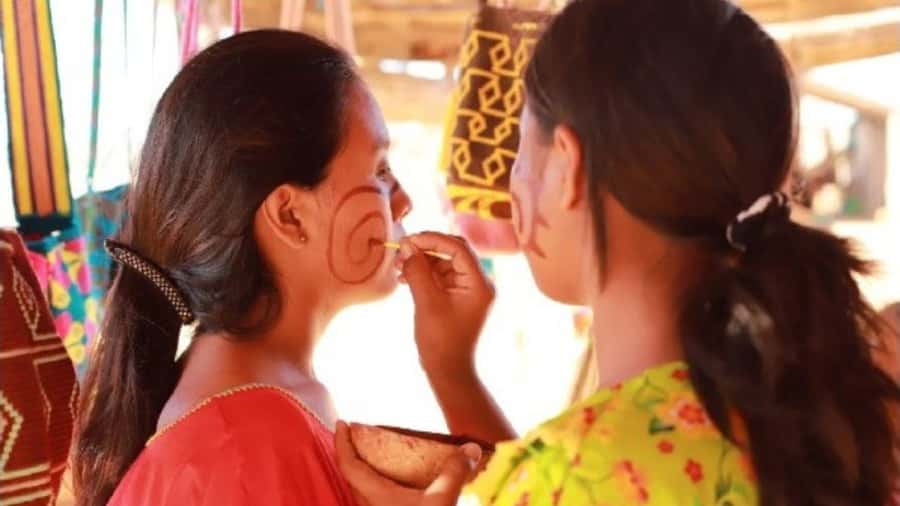
The small group does not remove every surprise from the road. You may pass through Wayuu areas where children or women ask for snacks, coffee, or other supplies. This can feel uncomfortable or unexpected, especially if you have not encountered it before. The driver handles these situations, but I recommend asking your guide how to respond and avoiding casual promises or unplanned distribution.
Most important, do not photograph people in Indigenous communities without permission. A respectful visit means treating homes, families, and daily work as private unless someone clearly agrees to a picture.
Food, water, and accommodation
The tour includes two breakfasts, three lunches, and two dinners. Lunch appears at Cabo de la Vela, Bahía Honda, and Mayapo. Dinner is provided in Cabo de la Vela and Punta Gallinas. Having meals included is valuable in a remote area, where stopping to find food independently may not be easy.
Food is part of the trip’s appeal, but the supplied details do not specify menus. If you have dietary needs, confirm them before booking rather than assuming substitutions will be available.
Accommodation is included for both nights. You may sleep in a room or a comfortable hammock depending on your reservation. The conditions are basic, and salt-water showers are part of the reality. Pack a reusable water bottle, extra clothes, sunscreen, and swimwear in a day bag so you do not need to open all your luggage at each stop.
Cash is also important. Expenses not specified in the plan are not included, and the region’s remote setting means you should not depend on card payments. The trip specifically advises bringing cash.
Heat, weather, and what to pack
La Guajira can reach 42 degrees Celsius. The combination of heat, sun, wind, sand, and long drives can wear you down faster than the three-day length suggests. Drink regularly and use sunscreen even when the breeze makes the temperature feel lower.
Bring:
- Sunglasses and a sun hat
- Sunscreen
- Swimwear and beach clothing
- A change of clothes
- A reusable water bottle
- Cash
October and November are rainy months. Weather can bring changes to the route, and some activities may not be possible. That is not a minor footnote. The beaches, dunes, road conditions, and timing all depend on local conditions, so keep your schedule flexible.
The tour is not suitable for pregnant women or people over 95 years old. No weapons, sharp objects, alcohol, or drugs are allowed.
The Spanish guide and local contact
The tour is conducted in Spanish with a Baquianos Travel guide. You should be able to follow basic instructions about meeting points, swimming, meals, and changes to the schedule. If you do not speak Spanish, ask before booking how much translation support is available.
The guide’s role matters most on the long road sections and around community visits. A local guide can help you understand where you are, how to behave respectfully, and how to manage the simple but important details of desert travel.
This is also a tour where the guide has to balance sightseeing with local realities. The roadside requests for food or drinks can be surprising, and respectful advice is useful. Listen carefully when the guide explains photography and community etiquette.
Is $439 a fair price?
For three days, the price is reasonable if you want a packaged route to Punta Gallinas. Transportation alone is a major part of the cost because of the distance and remote roads. Add two nights of accommodation, five? No, the package includes six meals: two breakfasts, three lunches, and two dinners, plus insurance and a guide. That makes the amount easier to justify.
The value is weaker if you only want a beach break. You spend a lot of time in transit, and the accommodation is simple. The tour earns its price through access and coordination, not comfort.
The strongest parts are the views, food, lodging, and small group format. Those are the features most likely to make the trip feel worthwhile. The weaker points are the heat, limited facilities, lengthy drives, and the fact that not every activity is guaranteed during rainy weather.
Who should book this trip?
I would choose this tour if you want to see several sides of La Guajira in a short period and prefer a prepared route over independent planning. It fits people who enjoy unusual scenery, basic accommodation, swimming, road trips, and contact with local communities.
I would hesitate if you need air conditioning, predictable hotel facilities, short driving days, or a polished tourist setting. You should also think carefully about the social realities of the region. Seeing poverty and roadside requests can be difficult, and the tour does not turn La Guajira into a carefree beach resort.
Book with the free-cancellation option if your plans may change, since cancellation up to 24 hours before departure allows a full refund. You can also reserve now and pay later, which helps keep your schedule open.
Should you book it?
Book it if Punta Gallinas is high on your Colombia list and you want Cabo de la Vela, Taroa Dunes, Wayuu communities, and Mayapo in one three-day route. The small group, included meals, lodging, insurance, and guide give the $439 price solid value.
Skip it if long road transfers and basic facilities will spoil the trip for you. Go prepared for heat, salt water, dust, and schedule changes, and you’ll have a much better chance of enjoying what this route does best: showing you a remote, striking part of Colombia with the difficult logistics already arranged.
FAQ
Where does the tour begin and end?
The tour begins in Riohacha and ends back in Riohacha on the third day.
How long is the tour?
The experience lasts three days.
What language does the guide speak?
The live tour guide speaks Spanish.
How many people are in the group?
Transportation is shared with a small group limited to six participants.
What meals are included?
The package includes two breakfasts, three lunches, and two dinners.
Where do you visit during the tour?
Stops include Uribia, the Manaure Salt Flats, Cabo de la Vela, Pilón de Azúcar Beach, Ojo de Agua Beach, Bahía Honda, Las Dunas de Taroa, the lighthouse, Punta Aguja Beach, Punta Gallinas, and Mayapo Beach.
Is accommodation included?
Yes. Accommodation is included, with sleeping arrangements in a room or comfortable hammock depending on what you reserved. The information also describes sleeping in comfortable beds.
Can you swim during the tour?
Swimming is included at Pilón de Azúcar, Ojo de Agua Beach, Las Dunas de Taroa, Punta Aguja Beach, and Mayapo Beach, subject to conditions.
What happens if the weather is bad?
October and November are rainy months, and weather may cause changes or prevent some activities from taking place.
Just added around Santa Marta
- Tour en Velero a Bahía Concha Parque Tayrona★ 3.5 · 4 reviews
- TOUR DE 2 DIAS AL CABO DE LA VELA, LA GUAJIRA★ 4.4 · 14 reviews
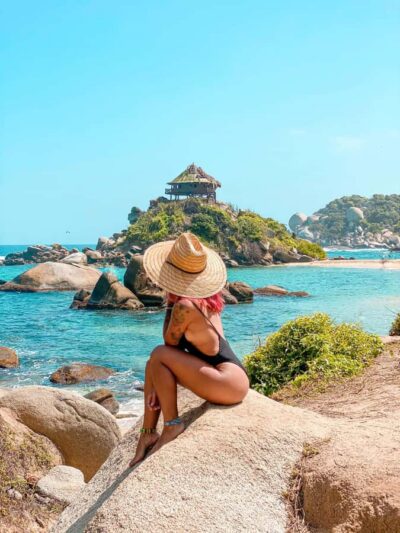
- Tayrona Park & Cabo San Juan★ 3.5 · 20 reviews
- Tayrona Park & Playa Cristal★ 3.8 · 4 reviews
- SPEEDBOAT TOUR TO TAYRONA CRISTAL BEACH★ 3.7 · 7 reviews
- Sierra Minca Day Tour★ 5.0 · 10 reviews
- Santa Marta: Trekking in Minca Complete Waterfall Circuit★ 4.4 · 28 reviews
- SANTAMARTA: TOUR Remanso, Taganga, Playa Grande Lunch and Snorkeling Included★ 3.5 · 4 reviews
Santa Marta Tours, compared.
Browse the lists this tour appears in