
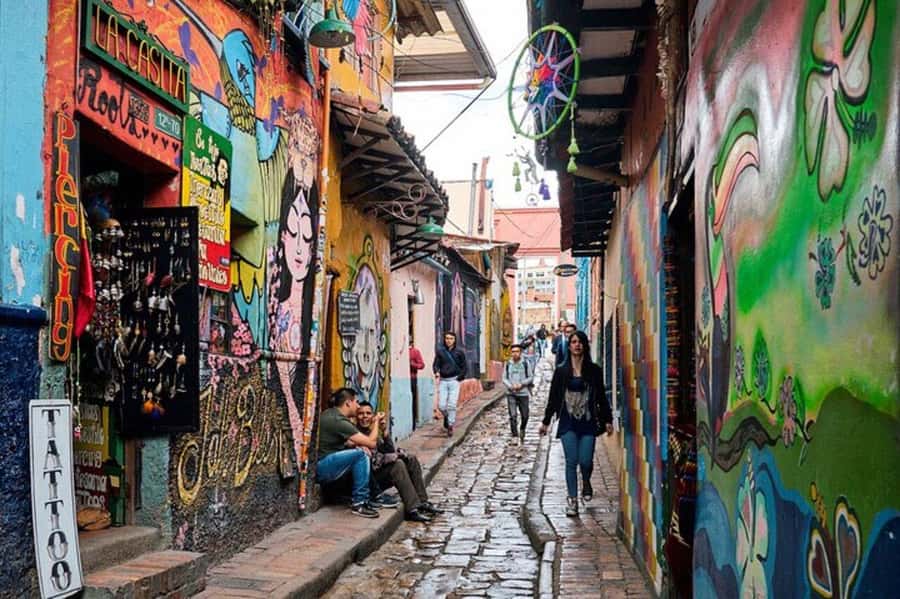
Reviewed · MONSERRATE HILL TOURS
Bogotá: Private City Tour, Monserrate, Emerald and Botero
Bogotá reveals itself in layers on this private tour, from the mountain-top Monserrate monastery at 3,100 meters to the painted walls and old lanes of La Candelaria. The cable car ride gives you a sweeping look at the city, while the walking portions bring you close to its politics, art, faith, and street life.
I like the private format, since your guide can adjust the pace and spend more time on art, history, or city views. I also like the mix of major sights and unusual stops, especially the Emerald Museum and the El Dorado story, which gives Bogotá a strong sense of place.
The main drawback is that the schedule is full. You visit two museums, ride up a mountain, and walk through the old center in five to six hours. The altitude, uneven streets, and amount of walking also make this a poor fit for anyone with limited mobility.
Key points at a glance
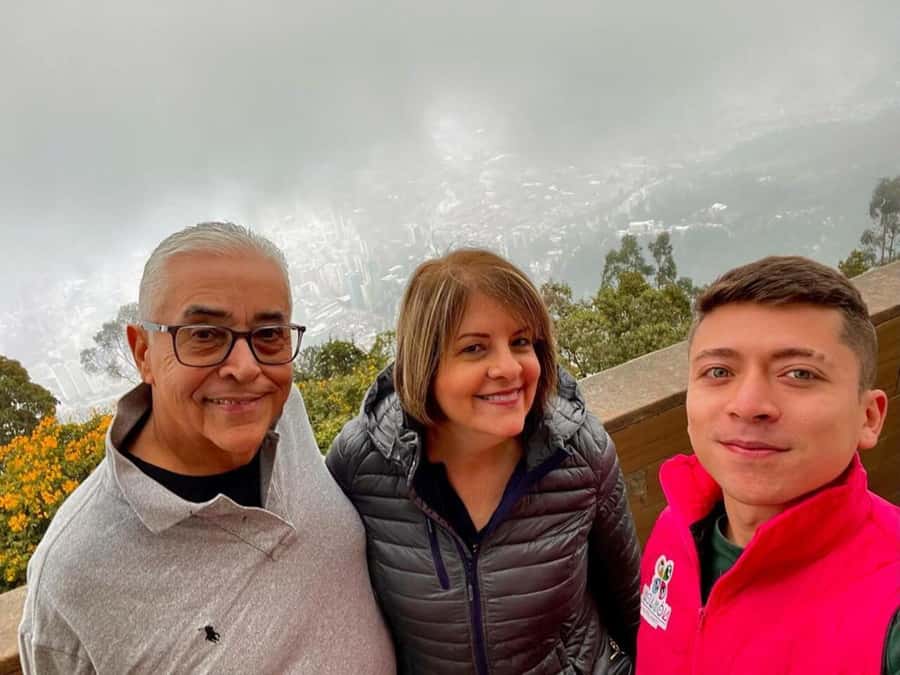
- Monserrate at 3,100 meters: Ride the cable car or funicular to the monastery and look across Bogotá from the eastern hills.
- A private guide who can adapt the day: Guides including Daniel, Camilo, David, Sergio, and Laura have been praised for clear explanations, humor, and flexibility.
- The Emerald Museum: Learn how Colombia’s famous green stones connect geology, trade, legend, and the search for El Dorado.
- Art in La Candelaria: The Botero Museum offers a welcome change of pace, with works by Fernando Botero and other artists.
- Bogotá’s symbolic center: Plaza de Bolívar brings together the cathedral, presidential palace, Palace of Justice, and mayor’s office.
- A useful first-day introduction: Hotel transport, a Colombian snack, and a private vehicle make this a practical way to get oriented.
Monserrate gives you Bogotá from above
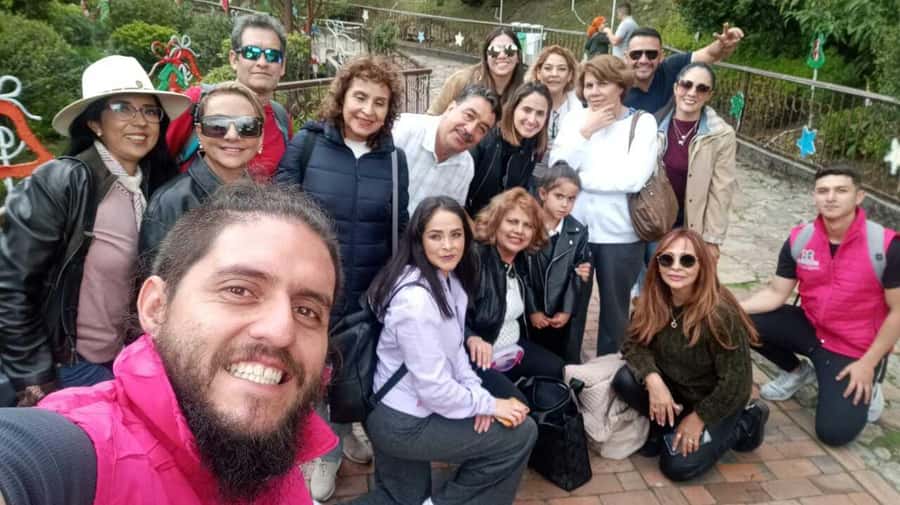
The day usually begins with hotel pickup and a ride toward Cerro de Monserrate, the mountain that rises above Bogotá. You then take the cable car, or the funicular if that option is selected, up to about 3,100 meters.
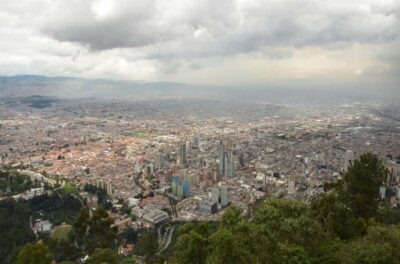
The ride is short, but it changes your view of the city quickly. Bogotá spreads across the plateau below, and the high viewpoint helps you understand the size and setting of the capital before you begin walking through its older districts.
At the top, you can see the Monserrate monastery and take in the panorama. The religious site gives the stop more meaning than a simple lookout. Your guide can explain the role of the mountain and monastery while pointing out the city below.
Bring a jacket and comfortable shoes. Bogotá can feel cool, and the weather may shift during the day. The tour continues in rain, so pack a light waterproof layer rather than counting on perfect skies.
Altitude is the key practical issue. You are going to 3,100 meters, and even a modest walk can feel harder than expected if you have just arrived in Colombia. Take your time, drink water, and tell your guide if you need a pause. The tour is not suited to people with mobility impairments, and the combination of altitude, stairs, and walking deserves serious thought before booking.
Some guides make this stop especially engaging. Sergio, for example, was praised for identifying flowers and birds on the mountain as well as explaining the area’s history. That sort of detail can turn a photo stop into a better introduction to Bogotá’s natural setting.
More Monserrate Hill Tours in Bogota:
- Bogotá City Tour with Monserrate, Gold and Botero Museums
★ 4.9 · 584 reviews - Bogota: Monserrate Entry Ticket
★ 4.4 · 233 reviews - Bogotá: City Tour, Monserrate, Gold Museum, Plaza de Bolivar
★ 4.7 · 168 reviews
Emeralds, El Dorado, and Colombia’s green stone
After Monserrate, the tour heads to the International Emerald Museum. This is one of the more distinctive parts of the day because it deals with something strongly associated with Colombia but often reduced to a souvenir-shop purchase.
Inside, you learn about emeralds as minerals, including their appearance and place in Colombia’s story. The museum also connects the stones with the legend of El Dorado, the lost city that fired European hopes of finding extraordinary wealth in South America.
The El Dorado story is useful here because it shows how fact, rumor, Indigenous traditions, and colonial ambition became tangled together. Your guide can help separate the famous legend from the wider historical forces behind it. I find that context more valuable than simply looking at polished stones under glass.
This stop also breaks up the walking. If the weather turns wet, an indoor museum gives you a chance to dry off and regain energy before continuing into La Candelaria.
The museum is closed on Sundays and holidays, so check the day of your visit before you book. That point matters because the tour includes several fixed stops, and a substitute may not offer the same subject matter.
La Candelaria brings the old center within reach
The tour then moves into La Candelaria, Bogotá’s historic district. This is the part of the day where the city feels most immediate. You walk rather than simply viewing monuments from a vehicle, moving through streets where old buildings, public art, shops, and daily life sit close together.
La Candelaria can feel crowded and uneven underfoot, so sturdy shoes are more useful than fashionable ones. The walking is not described as a strenuous hike, but you should expect to spend a good portion of the tour on your feet.
Your guide gives the buildings and streets a storyline. Instead of treating each stop as an isolated photo opportunity, the route connects religion, government, art, and local tradition. That is one reason the private setup works well. You can ask why a place matters, stop for a closer look, or shift the pace if one subject catches your attention.
Several people who took the tour with Daniel praised his ability to make museums and city landmarks easy to follow. Camilo was repeatedly singled out for warmth, clear explanations, and an ability to adjust the schedule to personal interests. David was also praised for linking political and cultural history with ecology and everyday life.
Those names are not a guarantee of your assigned guide. They do show the kind of guiding approach you can hope for: a person who does more than recite dates and labels. The strongest part of this experience is likely to be the conversation between stops.
Botero Museum adds humor and shape
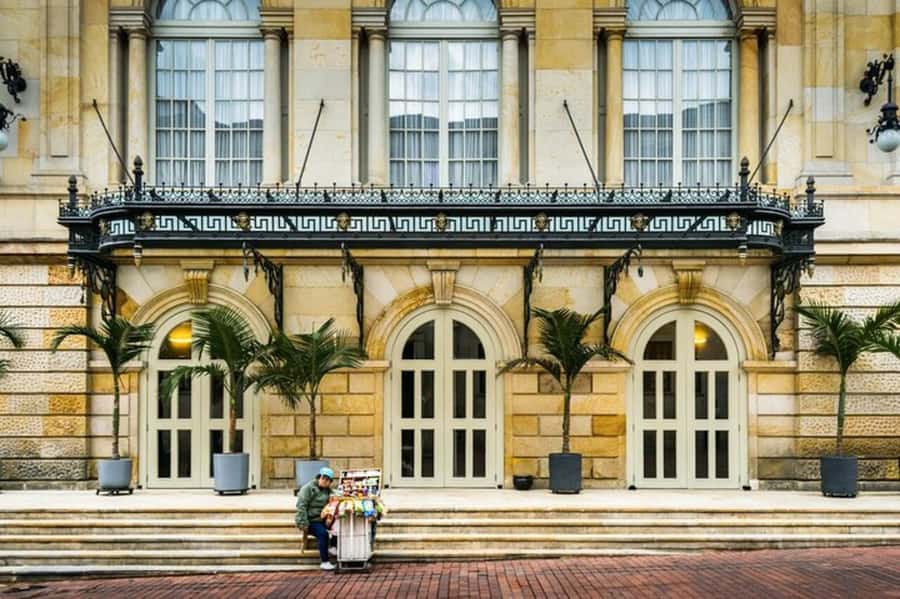
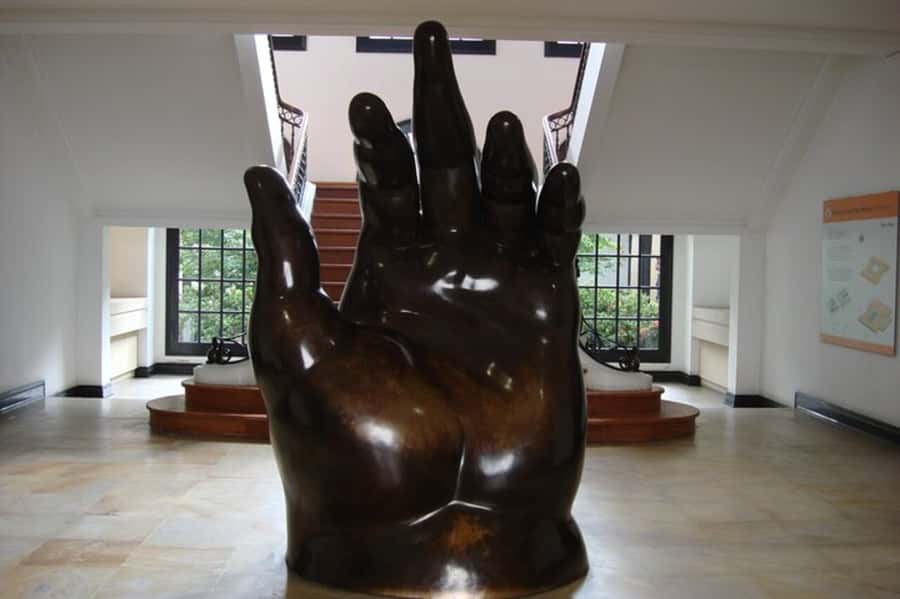
The Botero Museum is named for Fernando Botero, one of Colombia’s best-known painters and sculptors. The museum gives the middle of the tour an art-focused pause after the mountain and the Emerald Museum.
Botero’s work is easy to recognize, but it rewards explanation. His rounded figures and altered proportions are not simply jokes about large bodies. A good guide can help you look at the choices in the paintings and sculptures, and place Botero within Colombian and international art.
The museum also includes works connected to other artists, giving you more than a single-person display. If art museums usually leave you cold, the guide can make a real difference here. One guide, Daniel, was praised for presenting museum visits as a story rather than as a string of labels. Andrea was also praised for her explanations in art museums.
The Botero Museum is closed on Tuesdays. On that day, the guide provides options for another museum, but you should not book a Tuesday expecting the standard Botero visit. If this museum is a main reason for choosing the tour, select another day.
One advantage of seeing the museum with a private guide is control. You can ask about a particular work, move quickly through pieces that do not interest you, or spend longer on the art you enjoy. That flexibility is harder to get in a large group.
A few more Bogota trips to weigh up
- Bogota: Salt Cathedral of Zipaquira Private daily Trip
★ 4.8 · 262 reviews - Salt Cathedral of Zipaquirá & Lake Guatavita: Private or Shared
★ 5.0 · 88 reviews - Private Salt Cathedral of Zipaquira Tour from Bogota with Lunch
★ 5.0 · 88 reviews - Coffee Farm Experience Private Day Tour
★ 5.0 · 81 reviews
Plaza de Bolívar explains who holds power
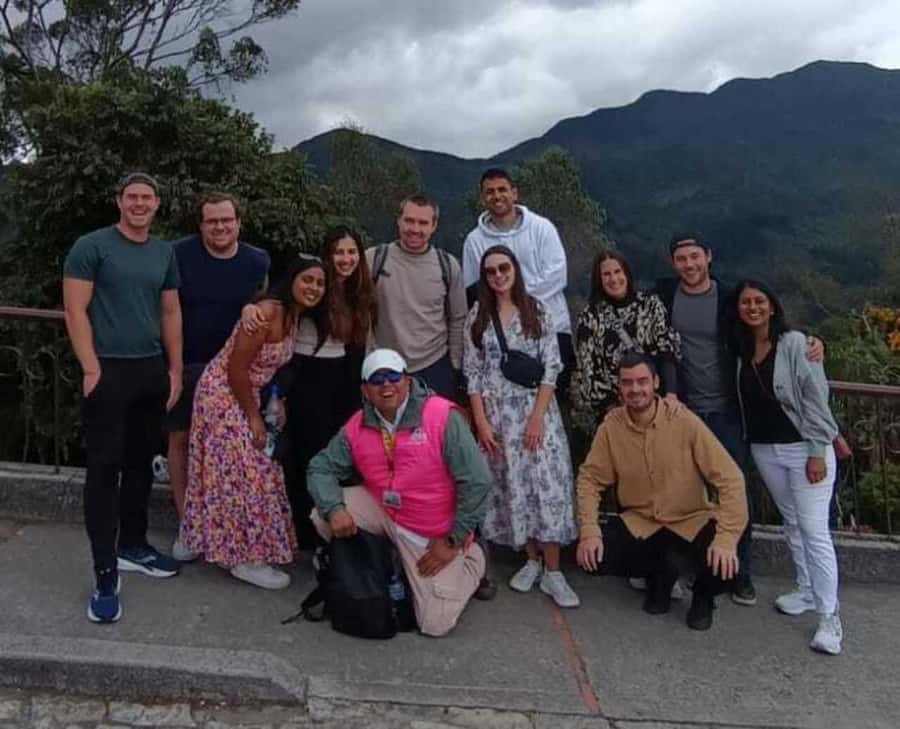
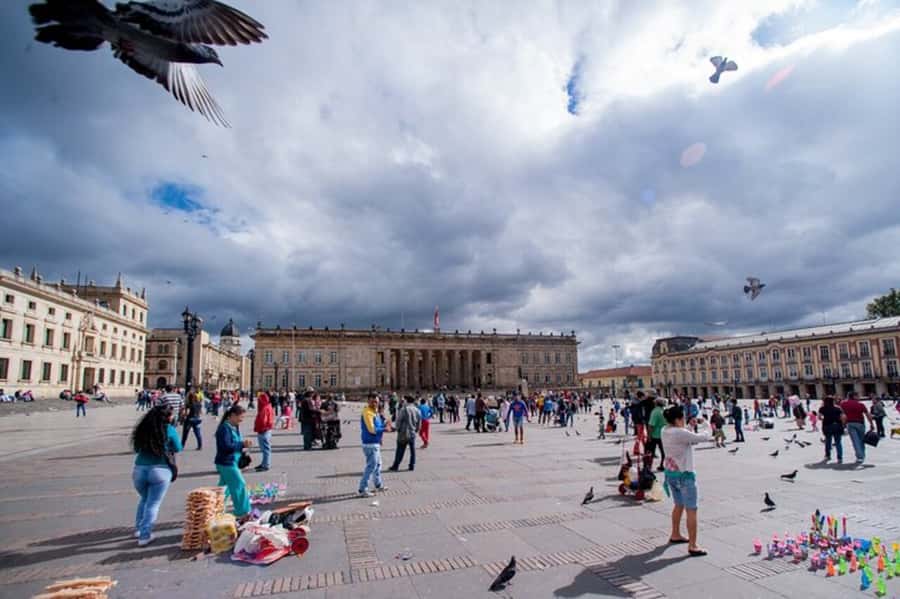
From the museum, the route continues to Plaza de Bolívar, Bogotá’s main civic square. This is not just a broad open space for photographs. It is where the city’s religious and political institutions gather in one place.
The Primate Cathedral faces the square, alongside the Palace of Justice, the presidential palace, and the mayor’s office. Your guide explains what each building represents and how the square has been used over time.
I like this stop because it makes Bogotá’s public life easier to read. The cathedral points to the importance of Catholicism, while the government buildings show the concentration of national and city authority. Even a short explanation here can give you a clearer sense of how Bogotá presents its identity.
This is also a good place to ask questions about Colombia’s political past and present. Several guides, including David, Daniel, and Mauricio, were praised for explaining national history in a way that connected events to the places around you. That matters more than memorizing names and dates.
The square can be busy, and you may encounter interruptions from traffic, weather, or public activity. A private guide can help you focus on the buildings and find a sensible pace rather than leaving you to work out the meaning alone.
Chorro de Quevedo shows another side of the center
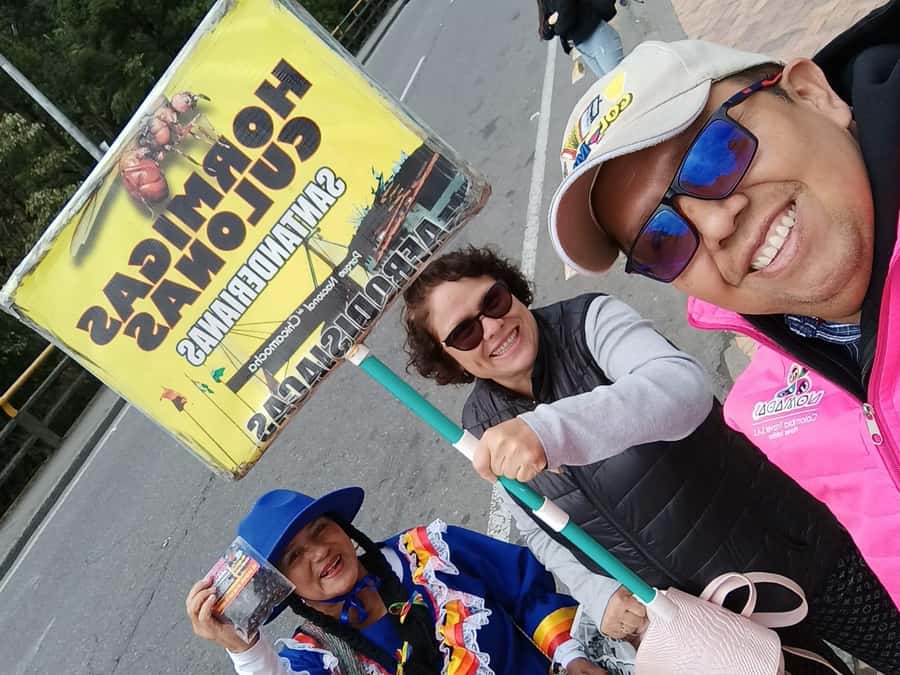
The final walking stop is the Chorro de Quevedo area. It has a different mood from Plaza de Bolívar, with a smaller scale and a stronger connection to local traditions, street culture, and the blend of old and new.
Here, the guide discusses different customs and the changing character of the neighborhood. The value is less about one grand monument and more about seeing how Bogotá’s past remains part of a living city.
This is the sort of stop that can be missed if you only follow a list of major attractions. It helps you move beyond official buildings and famous artworks to consider how public spaces are used today.
You may also have time to ask your guide for practical advice about food, shops, and other parts of Bogotá. David was praised for offering restaurant and typical-dish suggestions, while Daniel was noted for recommending places to find prints and locally made souvenirs. Since the group is private, it is worth asking for recommendations that match your interests.
A typical Colombian snack is included. Lunch is not, so plan to eat before or after the tour. Do not assume the snack replaces a meal, particularly if you are sensitive to altitude or expect a long day on foot.
Why a private vehicle matters in Bogotá
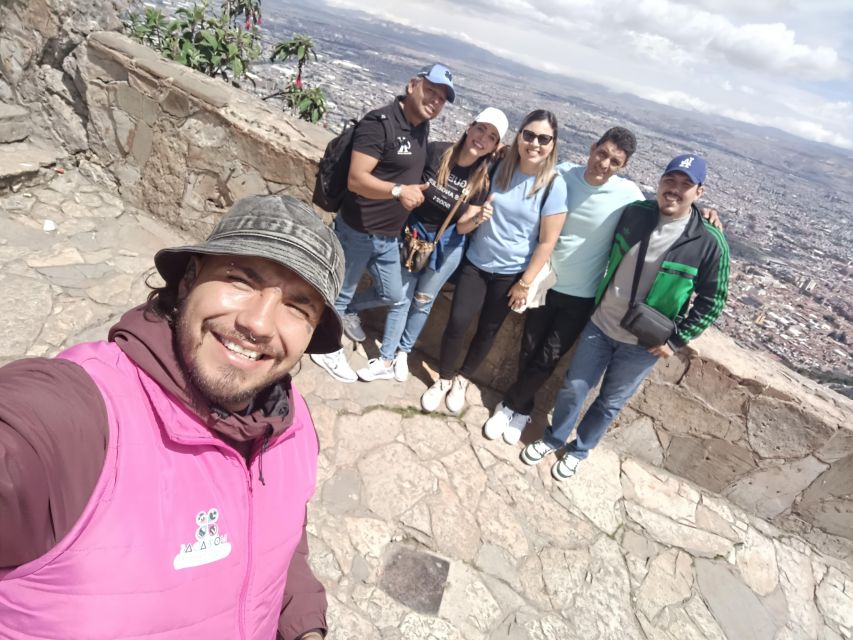
Hotel pickup and drop-off are included, along with a driver for the vehicle portions. This is useful in a city where the sights are spread between the eastern hills and the old center.
The vehicle lets you save your energy for Monserrate and La Candelaria rather than spending the day arranging transport between each stop. Several guides and drivers were praised for punctuality, polite service, and smooth coordination. Drivers named Cristian, Alex, Hilton, and Miguel were specifically appreciated for prompt pickups and helpful service.
You should wait in your hotel lobby about 10 minutes before the scheduled pickup time. The group remains private, so you are not sharing the day with a busload of strangers, and the guide can adjust timing within the available five to six hours.
That flexibility has real value. Andrew appreciated being able to change what he did and did not want to see. Other people wanted more time walking and fewer museums, while some preferred the indoor stops when the weather was poor. You should tell the guide early if you want to emphasize art, views, architecture, local life, or shopping.
The schedule still has limits. You cannot turn this into a slow museum day and also expect a full visit to every listed location. Talk with your guide about priorities at the start.
Is the $65 price good value?
At $65 per person, the tour is not the cheapest way to walk around Bogotá. It is also not simply a walking tour. The price covers private guiding, hotel transport, Monserrate access and transport up the mountain, entry to the Emerald Museum, entry to the Botero Museum, the historic-center visits, and a typical snack.
For a first visit, that package is strong value if you want the main sights handled in one half-day. You also avoid spending time arranging separate rides, finding the museum entrances, and working out how to combine Monserrate with La Candelaria.
The value rises for couples, families, or small groups who care about a personal pace. A private guide can answer your questions and adjust the route, which is more useful than a low-cost group tour if you want context rather than a quick checklist.
The value is lower if you dislike museums or prefer to explore slowly on foot. One person who enjoyed the mountain, views, streets, parks, and buildings would have preferred to skip both museums. The private format helps, but the published route still gives the museums an important role.
Lunch is extra. Museum closures can also change the plan, particularly on Tuesdays for the Botero Museum and Sundays or holidays for the Emerald Museum.
Who will enjoy this Bogotá introduction?
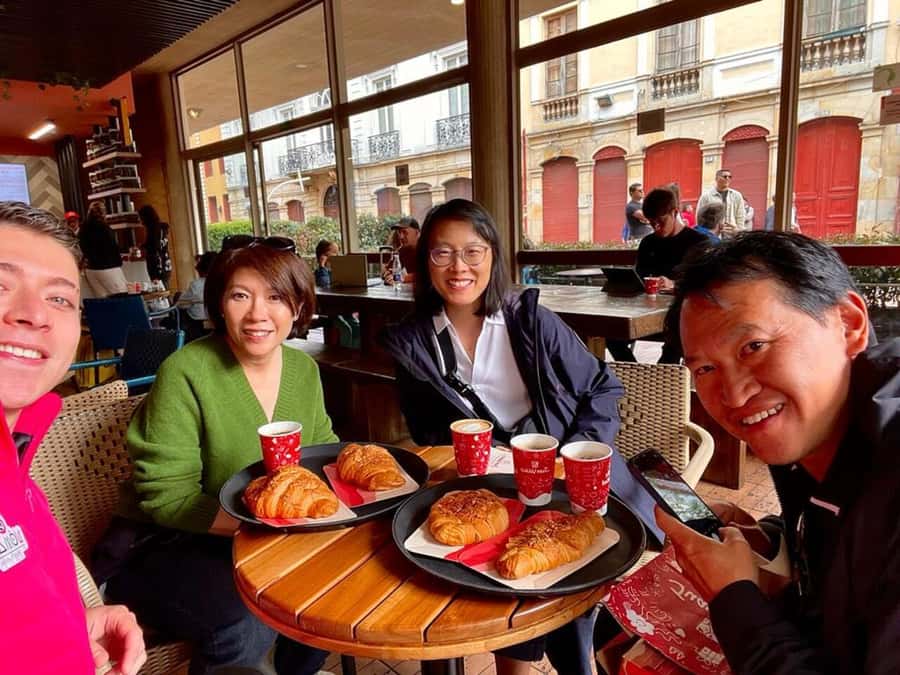
I would choose this tour if you are in Bogotá for a short stay, want a broad first look, or prefer having a local guide explain how the city fits together. It suits couples, families with older children, and anyone who values private transportation and the chance to ask plenty of questions.
It is also a good choice if you are uneasy about finding your way around a new city. The combination of hotel pickup, a private guide, and a driver removes much of the day’s friction.
You should think twice if you have mobility limitations, dislike walking, or react badly to altitude. The route includes Monserrate, museum visits, and streets in the old center. Comfortable shoes, identification, and a willingness to handle changing weather are essential.
English and Spanish tours are available. Bring a passport or ID card, and bring identification for children as well. A copy is accepted. Alcohol and drugs are not permitted, and alcoholic drinks are not allowed in the vehicle.
Free cancellation is available up to 24 hours before the start time, and you can reserve while paying later. Those terms make the booking less risky if your Bogotá schedule is still shifting.
Should you book this private city tour?
Book it if you want Bogotá’s major sights explained in one well-organized half-day, especially if Monserrate and La Candelaria are high on your list. The strongest reasons are the private format, the unusual Emerald Museum, the mountain views, and guides such as Daniel, Camilo, David, Sergio, and Laura, who are noted for warmth, humor, strong English, and flexibility.
Skip it if you want a slow, museum-free day or have mobility concerns. For everyone else, $65 buys a useful first orientation to Bogotá, with enough variety to show you why the city deserves more than a quick stop.
FAQ
How long does the Bogotá private tour last?
The tour lasts approximately five to six hours. Starting times vary, so check availability when booking.
Does the tour include hotel pickup and drop-off?
Yes. Hotel pickup and drop-off are included. You should wait in the hotel lobby 10 minutes before the scheduled pickup time.
Which languages are available?
The tour is available with a live guide in English or Spanish.
Is the cable car to Monserrate included?
General entry to Cerro de Monserrate and transport by cable car or funicular is included if that option is selected. The provider is an official supplier of Cerro de Monserrate.
What happens if I book on a Tuesday?
The Botero Museum is closed on Tuesdays. For Tuesday tours, your guide provides options for another museum.
Is lunch included?
No. Lunch is not included, although the tour does include a typical Colombian snack.
Just added around Bogota
- Paragliding Activity with Transfers from Bogota★ 4.9 · 21 reviews
- Monserrate Express tour 3 hrs★ 4.6 · 6 reviews
- Nemocón Salt Mine Tour★ 5.0 · 3 reviews
- La Chorrera and Chiflon Waterfalls Private Hike Tour★ 5.0 · 7 reviews
- Layover City Tour or Conexion in Bogota★ 4.5 · 5 reviews
- Bogota: Horseback Riding Tour★ 5.0 · 5 reviews
- Guatavita: Tour to Guatavita Lagoon, the Village and Casa Loca★ 4.8 · 19 reviews
- 7-hour City Tour of Historic Bogotá with Monserrate★ 4.7 · 47 reviews
Monserrate Hill Tours, compared.
Bogotá City Tour with Monserrate, Gold and Botero Museums
Read our review →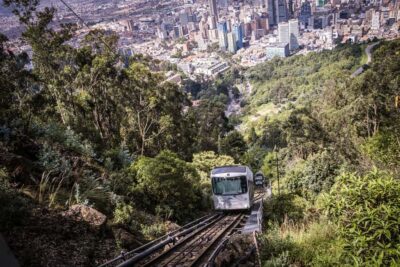
City Tour, Monserrate, Gold Museum, Plaza de Bolivar
Read our review →
City Tour, Monserrate, Gold Museum, Botero Museum, Plaza Bolívar
Read our review →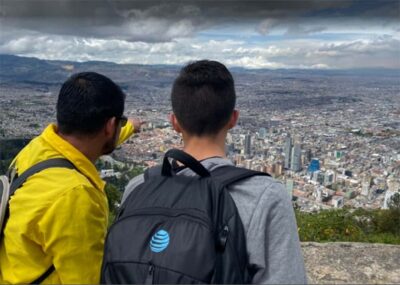
VIP Bogota City Tour: Farmers Market, Monserrate, Candelaria, 9hr
Read our review →
7-hour City Tour of Historic Bogotá with Monserrate
Read our review →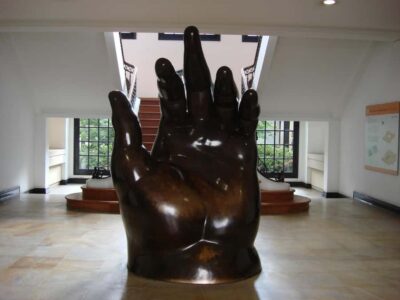
Private Guided Tour with Monserrate & La Candelaria
Read our review →Browse the lists this tour appears in