
Reviewed · COFFEE EXPERIENCES
Explore the Coffee Process_From Tree to Cup & Fun by Jeep
Colombian coffee makes far more sense once you see the whole chain, from flower and fruit to fermented bean and finished cup. This four-hour visit with Arvey and Elizabeth takes you from Pereira into the Andes by traditional coffee-country Jeep, then around their working farm and coffee plantation.
I especially like the personal scale, with no more than 10 people, and the fact that you do more than watch. You help prepare coffee, compare brewing methods, taste farm products, and see composting, vermiculture, and nursery work. The main consideration is simple: this is a real farm, so expect insects, uneven outdoor paths, and a warm, hands-on visit rather than a polished museum tour.
Key points to know
- Ride in a traditional coffee-region Jeep: Hotel pickup and drop-off make the mountain journey easy.
- Follow coffee from tree to cup: See harvesting, processing, fermentation, drying, roasting, and brewing.
- Meet the people behind the farm: Arvey and Elizabeth explain their work and life as neo-peasants.
- Small groups limit the crowd: The tour accepts a maximum of 10 people, allowing plenty of questions.
- Look beyond coffee: Walk among bananas, cacao, avocados, citrus, guava, papaya, mango, and guanabana.
- Pack for a working farm: Mosquito repellent, comfortable shoes, and practical clothing will make the visit better.
Leaving Pereira in a classic coffee-country Jeep
The tour begins with hotel pickup in Pereira, using a traditional Jeep that has become an icon of Colombia’s coffee region. This is more than a convenient transfer. It gives the outing a sense of place before you even reach the farm, as the city gives way to the mountain roads above Pereira.
Private transportation is included, so you do not need to arrange a taxi, rent a car, or work out a route into the hills. The drive to the farm takes roughly 40 minutes, according to the detailed visit description. Arvey uses that time to talk about coffee, the area, and the farm he built with Elizabeth.
I like this start because it puts the farm in context. Coffee is not an isolated product served in a café. It is tied to steep Andean terrain, family work, local food, and careful use of land. The Jeep ride helps you see that connection.
The ride may feel winding, and anyone prone to motion sickness should plan accordingly. Still, having someone else handle the mountain roads is a real benefit, especially when the tour is only about four hours long.
A few more Colombia trips to weigh up
- Medellin: Coffee Tour with Transport, Snacks and Tastings
★ 4.7 · 1,357 reviews - Medellín Coffee Farm Tour with Trolley and Cable Car Ride
★ 4.9 · 277 reviews - Coffee Tour at the Finca del Café
★ 5.0 · 213 reviews
A working farm, not a staged coffee set
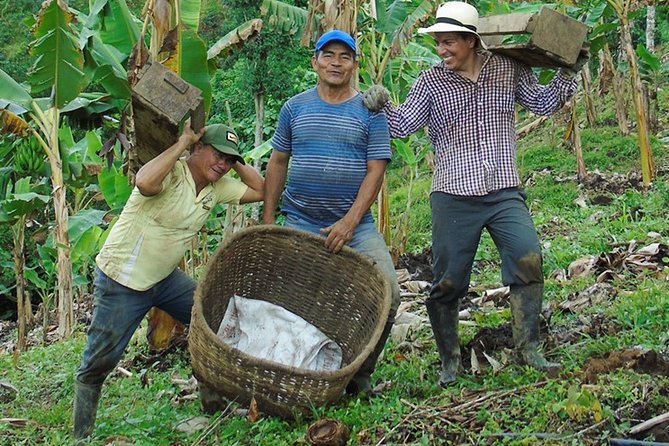
Arvey and Elizabeth run a small farm producing specialty Colombian coffee under strict sustainability standards. Their work also reflects the idea of being neo-peasants, people who have chosen a rural life and shaped it around farming, environmental care, and self-reliance.
That broader purpose is important. You are not simply shown a row of coffee bushes and handed a cup. The farm includes organic waste composting, vermiculture, a plant nursery, fruit trees, animals, and habitat for birds and other wildlife.
The property grows coffee alongside bananas, plantains, cacao, avocado, orange, lemon, tangerine, guava, papaya, mango, guanabana, pineapple, citronella, cotton, and other plants. The crops do not all fruit at the same time, so the details of your walk can vary by season.
That variety gives the visit a useful lesson in small-scale farming. Some plants provide food. Others have medicinal uses, attract birds, offer nesting material, or help support the farm’s natural systems. You might taste fruit directly from a tree, depending on what is ready during your visit.
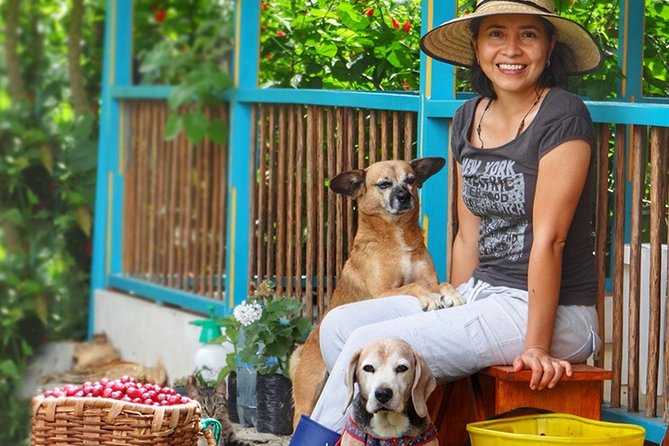
You may also meet the farm animals, including chickens, ducks, dogs, and cats. Toby and Lola, the family dogs, are part of the welcome, while roosters and chickens contribute eggs and add to the everyday farm setting.
Starting with coffee before the farm walk
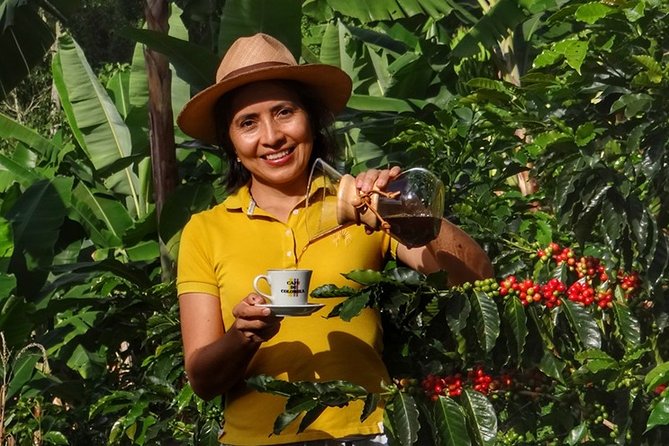
One of the most enjoyable details is that the coffee lesson begins early. After arriving, you make your first cup with Elizabeth’s direction before taking a longer walk around the property.
That order works well. You get an immediate taste of the finished drink, then learn where it came from. By the end, the cup in front of you means more because you have seen the plant, the fruit, the processing work, and the roasting decisions behind it.
Elizabeth guides you through different ways to prepare coffee. The visit can include comparing coffees made with more than one brewing method, and you finish by preparing additional cups under her direction.
This is practical rather than purely academic. You learn methods that are simple enough to repeat at home, along with the basics of the roasting curve. If you already care about coffee, you will have plenty to discuss. If you usually drink coffee without thinking about it, the process gives you a new reason to pay attention.
The supplied details do not specify which brewing devices are used on every departure, so do not expect a fixed tasting menu. The exact coffees and methods may change with the farm’s production and the day’s plan.
Following the coffee process step by step
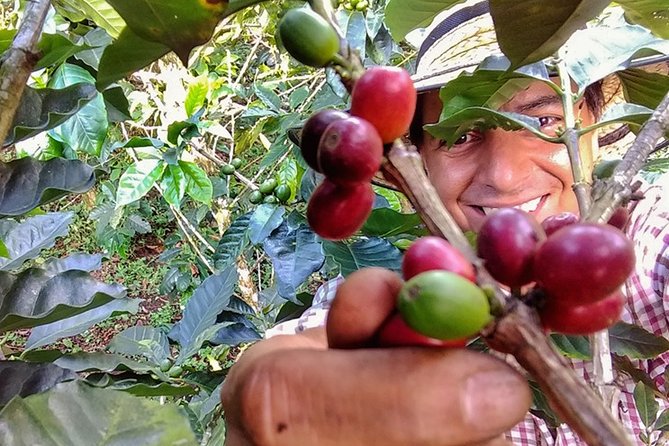
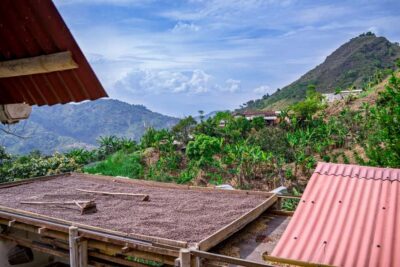
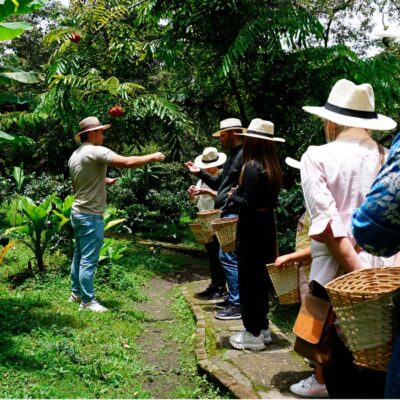
The central part of the tour follows coffee from plant to cup. You walk through the plantation and learn about the life cycle of the coffee tree, including how the fruit is picked and handled after harvest.
The farm explains several processing styles, including washed, honey, and natural coffee. These names refer to different ways of treating the coffee fruit and bean after picking. Seeing those stages on the farm makes it easier to understand why coffees can taste so different even when they come from the same region.
You also see the work connected with quality control, fermentation, washing, and drying. This part is especially valuable because many coffee tours skip the less glamorous steps. Coffee does not simply go from red fruit to roasting pan. Timing, cleanliness, moisture, and careful processing all affect the final result.
The visit then moves toward roasting. Elizabeth explains how the roast develops and how the roasting curve influences the cup. You prepare more coffee and taste the result, making the lesson active instead of leaving you with a list of technical terms.
I appreciate that the hosts connect each stage to what you are drinking. You can ask why one bean was washed, another was honey processed, and how those choices affect flavor. The small group limit matters here. With no more than 10 people, you have a better chance to ask questions without being hurried along.
Same city, a completely different kind of day:
- Medellin: Comuna 13 Graffiti Tour, Cable Car & Street Food
★ 4.8 · 9,046 reviews - Medellín: The Real Pablo Escobar Tour
★ 4.8 · 3,205 reviews - Cartagena: Historic Center and Getsemaní Shared Walking Tour
★ 4.9 · 2,716 reviews - Cartagena: Rosario Islands Catamaran with Lunch and Snorkel
★ 4.5 · 2,479 reviews
Sustainability you can see and touch
The environmental side of the tour is one of its strongest features. Composting and vermiculture show how organic waste can be put back into the farm rather than treated as something to discard.
The nursery gives you another look at the work behind the crops. A coffee farm depends on planting, tending, replacing, and planning for future harvests. It is a long process, and the nursery makes that visible.
The mixed planting also supports more than coffee production. The farm’s trees and plants provide food and shelter for birds and other animals. One account describes the number of bird species seen on the property rising from about 30 to 120 since the farm began, though exact sightings will naturally vary from day to day.
Cotton is grown partly because birds can use it for nesting material. Other trees provide homes for iguanas. These details make the sustainability discussion concrete. You are not hearing a general speech about caring for nature. You are seeing how particular plants serve a purpose.
The farm has received major recognition for its work. It was named a winner of the 2022 National Tourism Awards and received a 2023 WTM Latin American Responsible Tourism Award in Brazil. Awards alone do not replace a good visit, but here they help explain why the sustainability program is part of the tour rather than an afterthought.
Food, fruit, and the final coffee session
Coffee is the focus, but the visit includes refreshments that help make the farm feel like a home as well as a workplace. Included items are coffee or tea and snacks. Depending on the visit, you might receive fresh lemonade made with lemons from the farm, patacones, or empanadas.
The food details can vary, but the point is consistent: you get a small taste of local farm life alongside the coffee. Fresh fruit may also be available when crops are in season.
The final coffee session is the natural close. You prepare two more cups with Elizabeth’s help and learn how roasting choices shape the result. This is where the earlier walk comes together. You have seen the coffee trees, learned about processing, and now handle the last part yourself.
I would not book this solely for a large coffee tasting. The appeal is the complete chain and the chance to talk with the people doing the work. It is also a good choice if someone in your group is interested in plants, birds, food, rural life, or environmental practices but is not a serious coffee drinker.
What the $115 price includes
The cost is $115 per person. That is not the cheapest way to visit a coffee farm, but it covers private transportation, hotel pickup and drop-off, farm entrance, guiding, coffee or tea, and snacks.
The value depends on what you want from a plantation visit. If you only want a quick explanation and a souvenir bag, this may feel expensive. If you want a small-group visit, personal instruction, mountain transport, and a detailed look at coffee processing and sustainable farming, the price is easier to justify.
You are also paying for time with Arvey and Elizabeth rather than a large commercial operation. Their own lives are tied to the farm, and the visit includes conversation about culture, agriculture, and the choice to live as neo-peasants.
The tour is booked an average of 42 days ahead, which suggests you should reserve early if your Pereira dates are fixed. Confirmation is provided when you book, and the activity requires a minimum number of participants. If that minimum is not met, you are offered another date or experience, or a full refund.
Comfort, access, and practical preparation
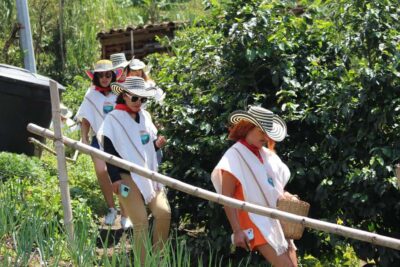
This is an outdoor farm visit, so wear comfortable clothing and shoes suited to walking on rural paths. Bring mosquito repellent or lotion. Bugs are part of the setting, and repellent will make it easier to concentrate on coffee instead of swatting.
A large portion of the farm is wheelchair and blind accessible, according to the experience details. That is useful, but the wording does not promise complete access to every path or activity, so ask for current specifics when booking if access is important for you.
Service animals are allowed. Hotel pickup and drop-off are included from Pereira, while transportation from other cities costs an additional $25. The listed route refers to the Andes and Pereira, so confirm pickup limits before assuming transport from another town is included.
The visit lasts about four hours. That is long enough for a proper farm walk, processing lesson, refreshments, and several cups without taking an entire day from your Pereira plans.
Free cancellation is available if you cancel at least 24 hours before the local start time. Cancellations or changes made inside that window are not refunded or accepted.
Who will get the most from this farm visit?
I would choose this outing for anyone who wants a more personal look at Colombia’s coffee culture. It suits coffee drinkers, food-minded visitors, nature lovers, families, and people who prefer meeting local producers over moving through a large attraction.
It is also a strong choice for a first coffee tour because the process is explained from beginning to end. You do not need previous coffee knowledge. You simply need curiosity and a willingness to walk around a working farm.
The tour may be less suitable if you want a short, highly polished attraction with fixed times and a large tasting flight. It is also not ideal if you dislike rural conditions, insects, mountain roads, or outdoor walking.
The hosts’ passion is a major part of the visit. Arvey and Elizabeth treat the farm as a shared life project, not just a business. That personal connection gives the tour its warmth and explains why the coffee lesson extends into farming, family life, animals, fruit, and care for the land.
Should you book it?
Book this tour if you want to understand Colombian coffee as an agricultural process and a way of life. The traditional Jeep, small group, hotel transfer, fruit trees, composting work, and hands-on brewing make it more useful than a quick plantation photo stop.
I would especially recommend it for visitors based in Pereira who have half a day to spare and want a sincere connection with the region. At $115, it is a considered purchase, but the private transport and personal instruction add real value.
Skip it only if your main goal is a low-cost tasting or a brief stop with little walking. For everyone else, this is a thoughtful, practical way to see how a Colombian coffee farm works and to leave with a better cup-making habit at home.
FAQ
Where does the coffee farm tour take place?
The experience is based in Pereira, Colombia, in the Andean coffee region. The listed itinerary includes Andes and Pereira.
How long does the experience last?
The tour lasts approximately four hours.
Is transportation included?
Private transportation, hotel pickup, and hotel drop-off are included. Transportation from other cities costs an additional $25.
How many people can join the tour?
The activity has a maximum of 10 travelers.
What is included in the price?
The price includes coffee or tea, snacks, private transportation, entrance to the farm, and a guide.
Can I cancel for a full refund?
Yes. You must cancel at least 24 hours before the local start time for a full refund. Cancellations or changes made less than 24 hours before the start are not accepted or refunded.
Just added around Colombia
- Zipaquira: 5 hrs Salt Cathedral Tour★ 4.4 · 9 reviews
- Zipaquirá: Private Salt Cathedral Mine and Walking Tour★ 4.8 · 3 reviews
- Zipaquirá: Private tour to the Salt Cathedral, Colombia’s first wonder★ 4.9 · 33 reviews
- Wonders of Salt: Colombia’s Underground Cathedral★ 5.0 · 18 reviews
- Exotic Yacht – Tour through the bay of Cartagena★ 3.7 · 4 reviews
- Zipaquirá Salt Cathedral & Andrés Carne de Res (Chía)★ 4.6 · 30 reviews
- Volcan del Totumo + Playa + Piscina★ 4.7 · 4 reviews
- White Night Boat Party: Dinner Buffet, Dancing and Open Bar★ 4.6 · 3 reviews
Coffee Experiences, compared.
Coffee Tour with Transport, Snacks and Tastings
Read our review →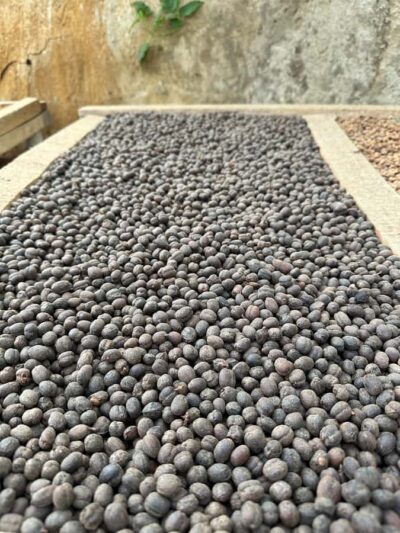
Medellín Coffee Farm Tour with Trolley and Cable Car Ride
Read our review →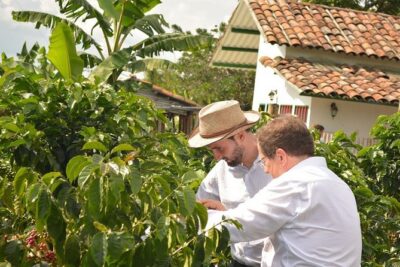
Horseback Riding Coffee Farm Tour with Coffee Spa
Read our review →
Browse the lists this tour appears in