
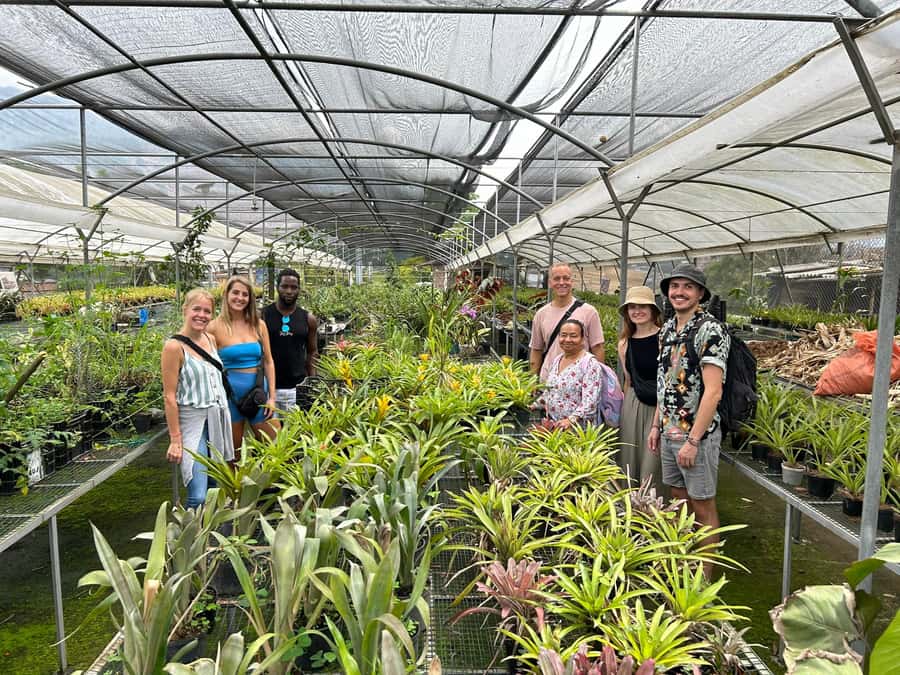
Reviewed · MEDELLIN TOURS
Comuna 4 – Moravia Tour
Moravia is not a polished Medellín attraction. It is a neighborhood formed about six decades ago before the government officially recognized it, and its story is best understood on foot with someone who lives there. The tour brings you into that story through community leaders such as Heroina, Gloria, and Gladis, alongside a professional bilingual guide.
I like the small groups of no more than eight, which make conversations easier and reduce the feeling that a neighborhood has been turned into a stage. I also like the focus on Colombia’s health, education, and welfare systems, not just on architecture and dramatic before-and-after stories. The main consideration is that this is a serious social and civic tour, not a light sightseeing walk, and some visitors may find the subject matter demanding.
Key points to know before you go
- Meet at the south exit of Caribe Metro Station, the one with the pedestrian bridge over the Medellín River.
- Walk with a local community leader who grew up in Moravia and can explain daily life from personal experience.
- Go beyond the usual Medellín story with discussion of public health, schools, welfare, and government recognition.
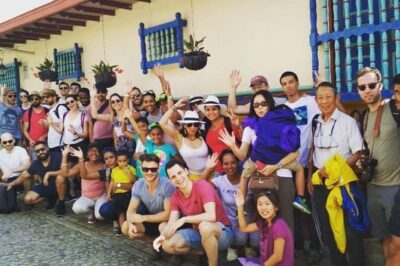
- Expect a small, respectful group, limited to eight people rather than a large procession through the barrio.
- A small snack is included, but hotel transport and other food or drinks are not.
- Allow 3.5 hours, wear comfortable shoes, and bring sunscreen.
Moravia’s story begins outside the usual Medellín route
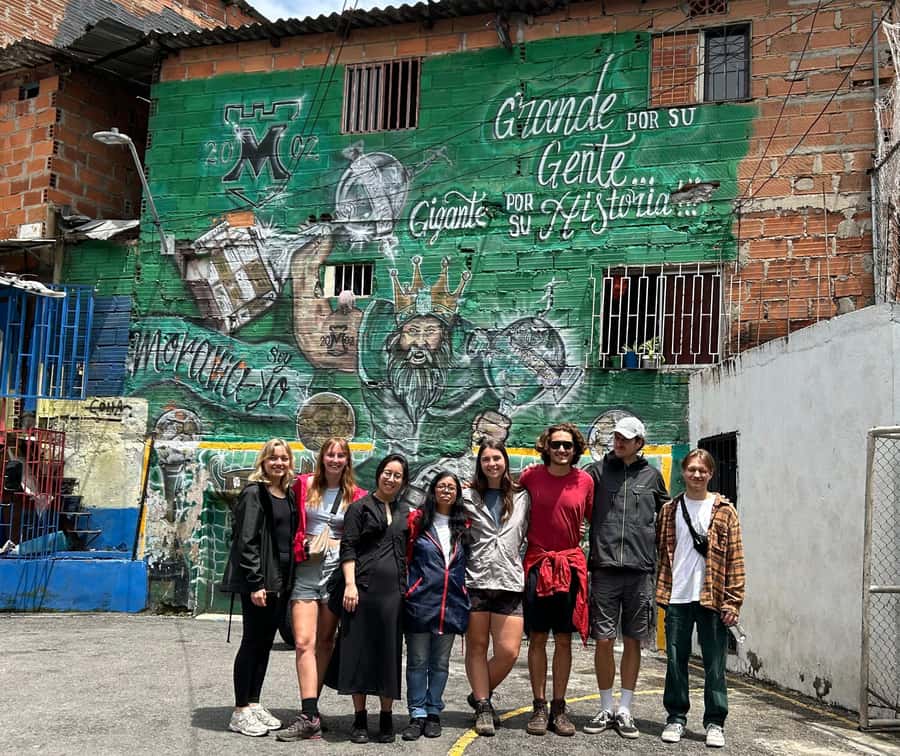
Many visitors meet Medellín through its famous public spaces, cable cars, museums, and renovation projects. Moravia offers a different angle. Here, the central question is not simply how a neighborhood looks today, but how residents organized, adapted, and pushed for recognition over many years.
The barrio was built roughly 60 years ago in a period when the government did not formally recognize it. That detail matters because official recognition affects services, planning, legal status, and a community’s ability to make its needs heard. You are not only looking at streets and buildings. You are learning how a neighborhood can exist long before institutions fully accept it.
The tour presents Medellín’s transformation with some care. It does not reduce the city to a simple success story, and it does not treat Moravia as a backdrop for photographs. The guides explain different, sometimes conflicting sides of change. That makes this a useful choice if you want to understand Colombia beyond the familiar tourist version.
I especially value the presence of a local community leader. A professional guide can provide dates and context, but a resident can explain what those changes mean in ordinary life. Leaders such as Heroina, Gloria, and Gladis bring personal ties to the barrio, and their role gives the walk a more human scale.
Other Medellin days worth booking alongside this:
- Medellin: Comuna 13 Graffiti Tour, Cable Car & Street Food
★ 4.8 · 9,046 reviews - Medellín: The Real Pablo Escobar Tour
★ 4.8 · 3,205 reviews - Medellín: Comuna 13 True Story and Street Food Tour
★ 4.9 · 1,779 reviews
Meeting at Caribe Metro Station
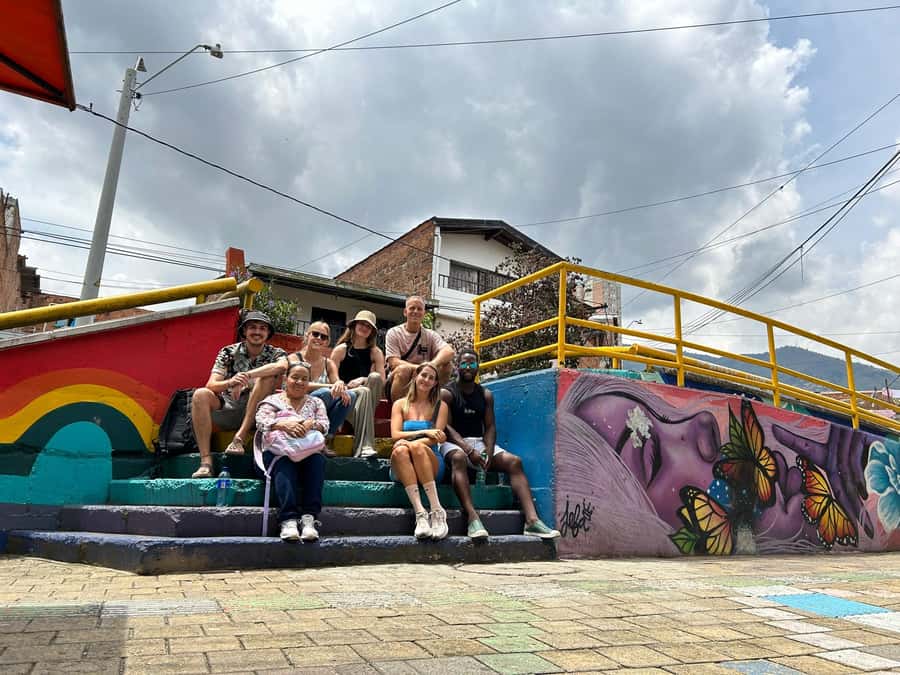
The easiest way to reach the tour is Medellín’s A Line. Get off at Caribe Metro Station and use the exit toward the back of the train, which is the south side. The meeting point is the south ticket booth, at the only exit with a pedestrian bridge crossing the Medellín River.
This is a detail worth taking seriously. Caribe has two exits, and heading out the wrong side can leave you searching around a busy station area. I would arrive with enough time to check the platform signs and identify the bridge before the start time.
The meeting point is listed as Barrio Transformation Tour. The activity finishes at the same place, so you do not need to arrange a second pickup in another part of Medellín.
Uber is not the preferred choice. Drivers may not leave you at the correct entrance, and the final walk to the meeting point can be confusing. If you use Uber anyway, enter Barrio Transformation Tour as the destination, keep mobile data available, and follow the directions supplied for reaching the south-side meeting point.
A guided introduction to the barrio
The first part of the walk sets up the neighborhood’s transformation. You can expect a guided explanation lasting about 30 minutes, giving you the basic framework for what you will see next.
This opening matters because Moravia’s story can be misunderstood if you only look at its present-day appearance. The guide helps connect the physical surroundings with questions of recognition, services, and local organization. You will also begin to hear how community action shaped the barrio’s identity.
The professional guide speaks English, while the tour also brings in a local community leader. That combination is useful. The bilingual guide can explain larger Colombian systems and translate the discussion, while the resident adds experience that no standard city tour can provide.
Group size is limited to eight participants. I see that as an important part of the format. A small group is less intrusive in a residential neighborhood, and you have a better chance to ask questions without turning the walk into a lecture.
Local places and everyday community life
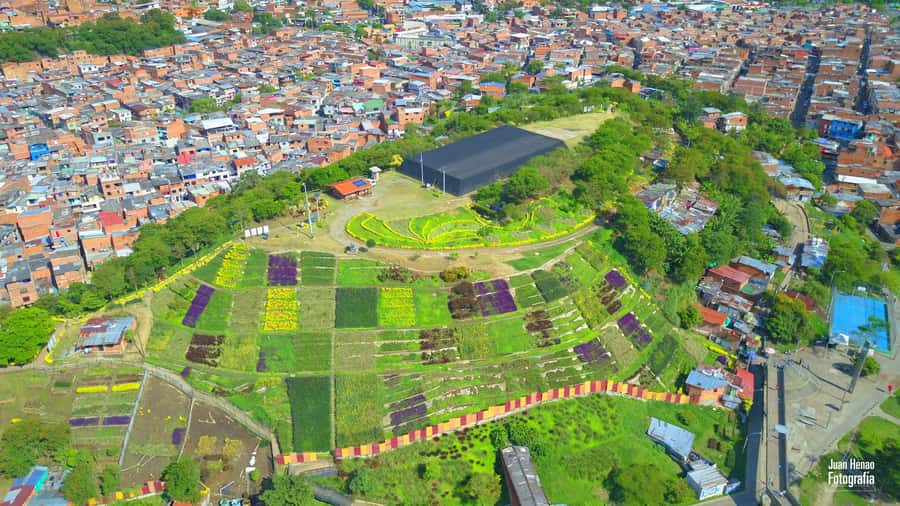
The route includes a visit to a local place described as a hidden part of Moravia, followed by a longer visit and guided tour within the neighborhood. The exact character of each place can vary with the day’s route and local conditions, so you should expect the guide to explain what you are seeing rather than follow a fixed museum-style display.
This is where the tour moves beyond the headline story of transformation. You learn how residents experience public services and community programs, and how the systems work in practice. The discussion includes education, health care, and welfare, subjects that are often missing from city tours but shape daily life far more than a list of landmarks does.
I like this approach because it gives you tools for interpreting what you see. You may notice differences between public promises and local experience, or between formal services and the ways residents support one another. The tour does not present one tidy answer. It gives you a closer look at the institutions and local efforts that affect the barrio.
You should also expect a walking tour rather than a vehicle-based visit. Wear shoes suited to several hours on foot, and bring sunscreen. The information provided does not promise a particular level of accessibility, so anyone with mobility concerns should ask the operator before booking.
Same city, a completely different kind of day:
- Medellín: Comuna 13 District Tour with Cable Car Ride
★ 4.8 · 1,467 reviews - Medellin: Coffee Tour with Transport, Snacks and Tastings
★ 4.7 · 1,357 reviews - From Medellín: Paragliding Tour with GoPro Photos & Videos
★ 4.9 · 1,210 reviews - Tour Guatapé
★ 5.0 · 865 reviews
Meeting Moravia’s grassroots leaders
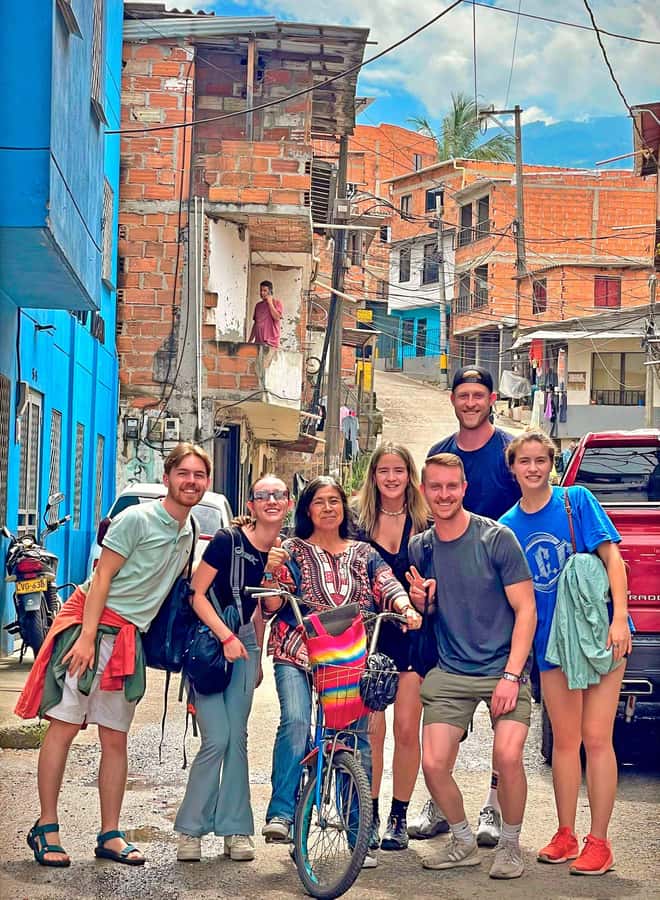
The local leaders are at the heart of this experience. Heroina, Gloria, and Gladis are described as proud residents, and some are founders of the barrio. Their connection to Moravia gives the tour a personal voice that a city historian or outside guide could not reproduce.
The emphasis on women’s empowerment is another notable part of the walk. You will hear how women have taken leadership roles in the community and helped shape its direction. That makes the tour about more than physical redevelopment. It also explores who organizes, who speaks for the neighborhood, and how local power can grow from the ground up.
The operator says these community leaders are paid for their participation, and that part of the tour fee supports community initiatives. That gives the $30 price more weight than a standard sightseeing ticket. You are paying for a small-group guided walk, interpretation in English, and local participation, while some of the money also returns to the neighborhood.
Still, it is sensible to keep your expectations grounded. A portion of one tour fee cannot solve the larger problems faced by a community. The value is in a more respectful exchange, direct payment for local expertise, and a chance to support community work without treating residents as an attraction.
The snack and food-tasting stop
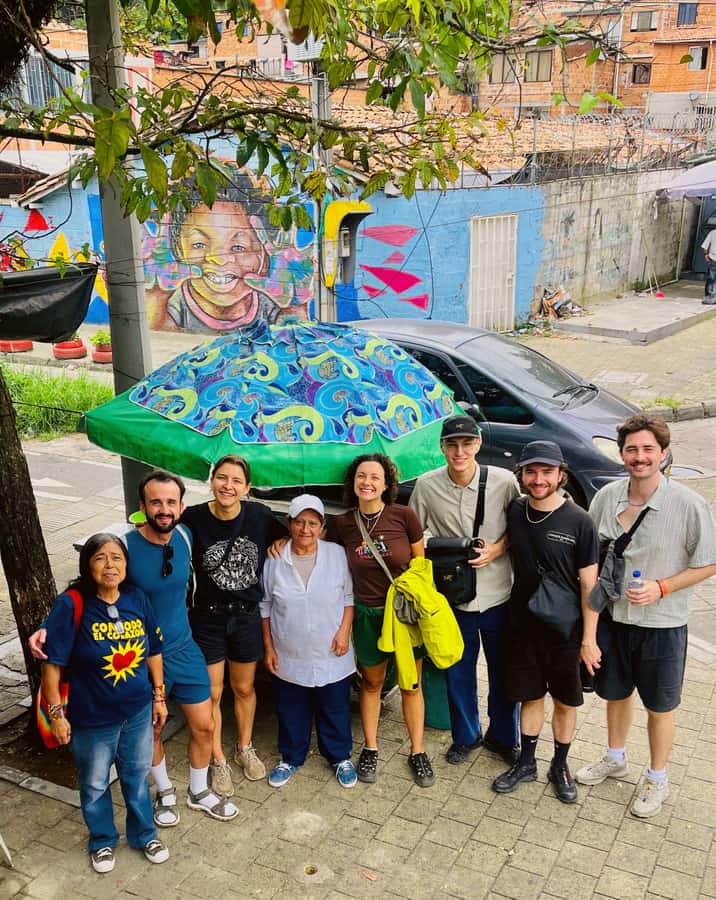
The itinerary includes a food-tasting segment lasting about 30 minutes, and a small snack is included in the price. This is a modest part of the tour, not a full meal, so eat beforehand if you expect to need lunch or dinner afterward.
The food stop adds a social pause to a walk that deals with weighty topics. It gives you time to sit or slow down, ask questions, and connect the neighborhood’s culture with something practical and familiar.
Because the included food is described only as a small snack, you should not book this as a culinary tour. The main value remains the local explanation and community contact. Also remember that additional food and drinks are not listed as included.
The Moravia Cultural Center and the final walk
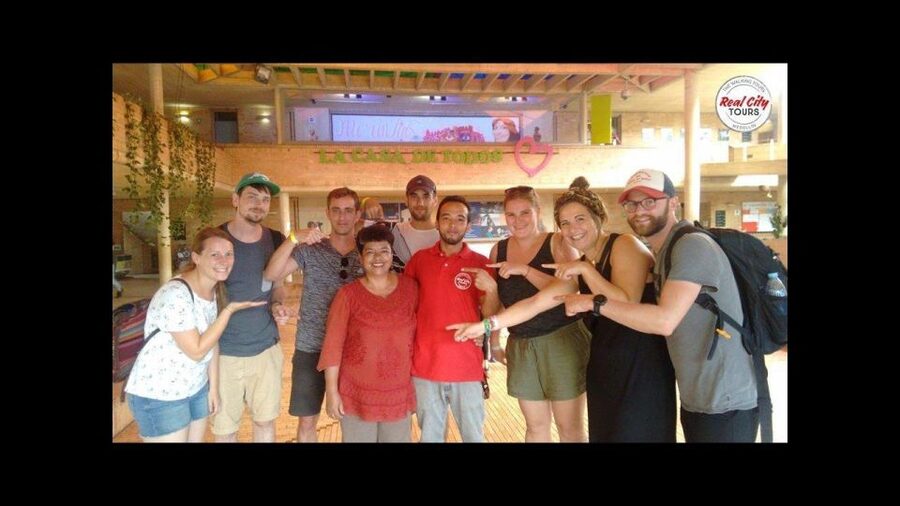
The route ends with sightseeing at the Moravia Cultural Center, followed by a final guided segment before returning to the starting point. The cultural center gives the tour a place to consider how art, education, and public activity can help shape a neighborhood’s future.
I would pay attention here to the contrast between formal cultural space and the grassroots work discussed earlier. The tour’s larger point is not that one building transformed Moravia by itself. Instead, it shows how public spaces and local leadership can work together, sometimes with tension and sometimes with shared goals.
The final 30-minute walk allows the guide to tie the pieces together. By then, you have seen parts of the neighborhood, met people connected to its development, discussed public systems, and heard about women’s leadership. Returning to Caribe Metro Station keeps the logistics simple.
What the $30 price really covers
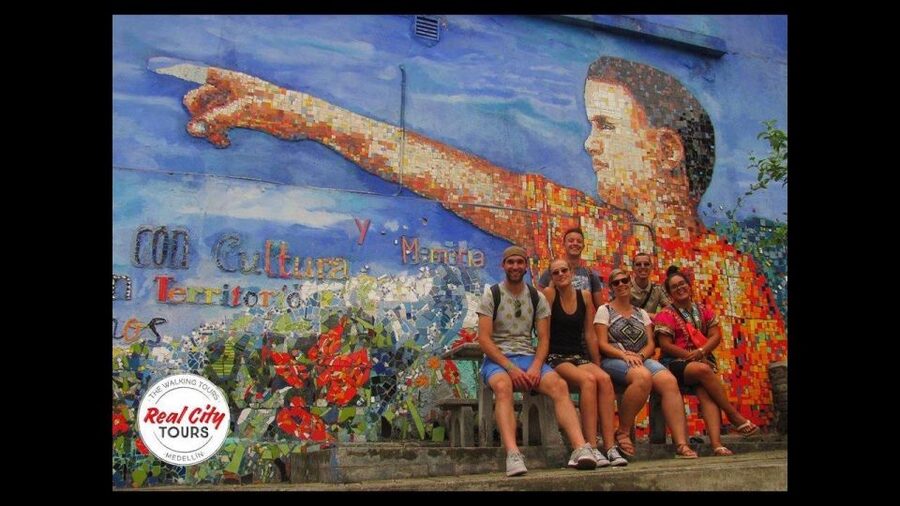
At $30 per person, this is reasonably priced for a 3.5-hour English-language tour with a professional guide, a local community leader, a snack, and a group capped at eight. The small size is especially important here because the tour enters a residential setting. A large group would be cheaper per person for the operator, but less comfortable for the community and less useful for conversation.
The price also includes something less visible: local interpretation. You are not just buying time from a guide. You are paying for a structured conversation about services, recognition, and social change, with local leaders receiving payment and community initiatives receiving a share.
The tour is not the best value if you want a quick list of famous Medellín sights. It spends its time on one neighborhood and its institutions. But if you want context that changes how you understand the city, the cost is fair.
Hotel pickup and drop-off are not included. Since the tour begins and ends at Caribe Metro Station, the metro is the practical choice. Reserve now and pay later if you want to keep your plans flexible, and cancellation is free up to 24 hours before the activity for a full refund.
Who will get the most from this walk
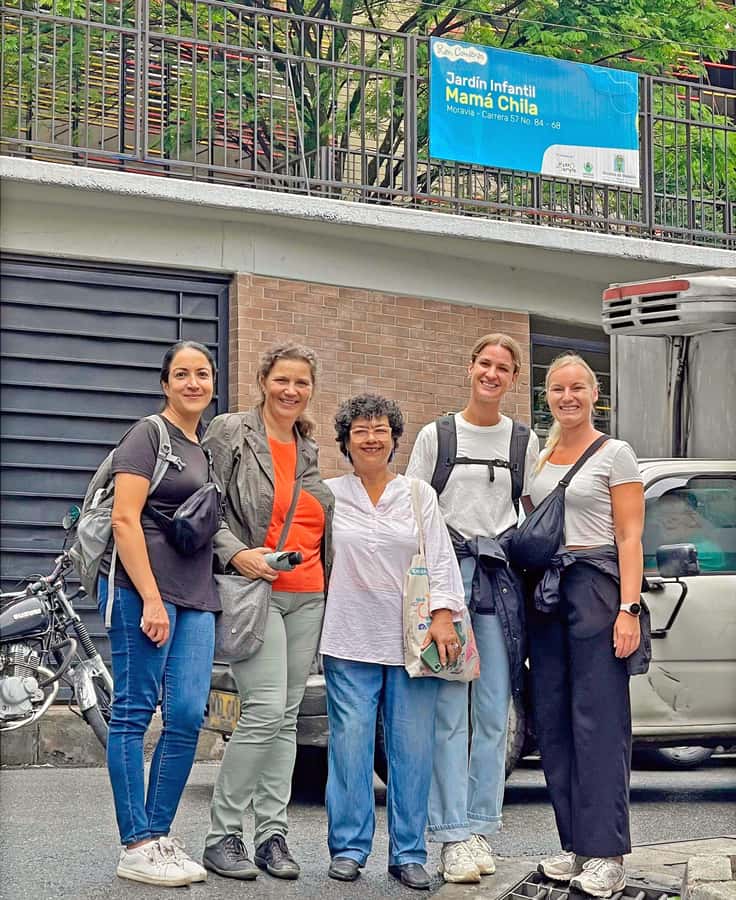
I would recommend Moravia to you if you like local history, social questions, and conversations that continue after the tour ends. It suits visitors who want to understand how Medellín’s public image connects with the experience of people living in its barrios.
It is also a good fit for students, educators, urban planners, and anyone interested in public policy. The explanations of Colombia’s education, health care, and welfare systems give the walk more substance than a standard neighborhood visit.
You may want to choose another activity if you are looking for nightlife, architecture, shopping, or a relaxed photo walk. This tour asks you to listen, think, and sometimes reconsider easy explanations. The subject is not presented as entertainment alone.
The small group is helpful for solo visitors and couples because it makes it easier to ask direct questions. Families with older children may also appreciate it, though the operator does not provide a recommended age range, so you should decide based on your child’s interest in a serious walking discussion.
Practical preparation for a respectful visit
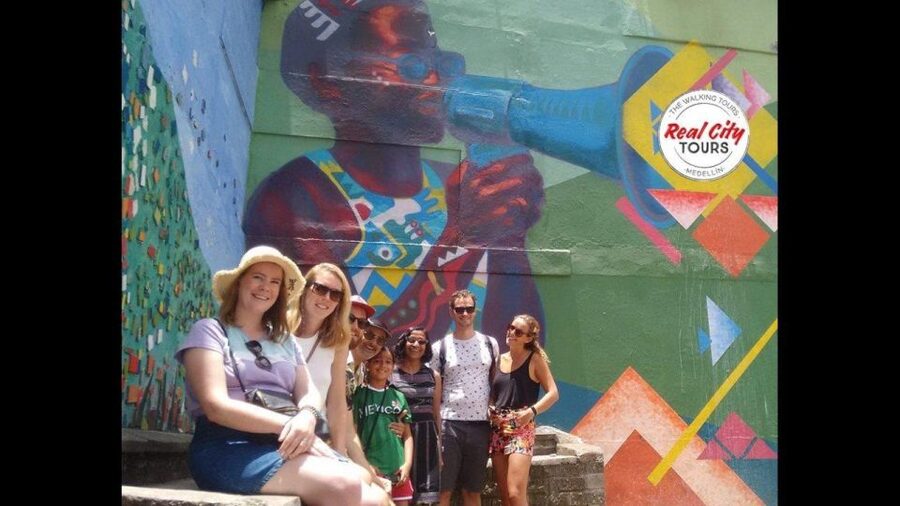
Wear comfortable shoes. The tour lasts several hours and includes multiple walking and guided sections.
Bring sunscreen, and carry only what you need. The available information does not specify a luggage service or hotel storage, so avoid arriving with large bags.
Be ready to listen before taking photographs. The tour is built around respect for residents and does not present Moravia as poverty tourism. That means you should follow the guide’s advice about photography and avoid treating people’s homes or daily routines as scenery.
Arrive at the correct side of Caribe Station. The south exit, not the north exit, is the key detail. The pedestrian bridge over the Medellín River is your best landmark.
The experience is offered in English with a professional bilingual guide. Starting times vary, so check availability before you plan the rest of your day. The activity returns to the meeting point after about 3.5 hours.
Should you book the Moravia Tour?
Book it if you want a small, thoughtful walking tour led by people connected to the neighborhood. The strongest reasons are the local leaders, the focus on women’s community work, and the explanation of Colombia’s public systems. The positive response from the booking information specifically highlights Toto and Heroina, who are described as excellent guides for the experience.
Skip it if you want a short, carefree attraction or a broad tour of Medellín’s main sights. Moravia requires attention, and the experience may challenge simple ideas about urban renewal and government support.
For the right visitor, $30 buys more than a few hours on foot. It gives you a clearer sense of how a barrio can build identity and influence before official recognition catches up. That is a useful way to understand Medellín, provided you arrive with respect and enough curiosity to listen.
FAQ
How long does the Moravia Tour last?
The tour lasts about 3.5 hours. Starting times vary, so check availability when choosing a date.
How much does the tour cost?
The price is $30 per person.
Where does the tour meet?
Meet at the south ticket booth of Caribe Metro Station. Use the exit with the pedestrian bridge over the Medellín River.
What is the best way to reach the meeting point?
The metro is recommended. Take Medellín’s A Line to Caribe Station and leave through the exit toward the back of the train, which is the south side.
Does the tour finish at the meeting point?
Yes. The activity ends back at the Barrio Transformation Tour meeting point near Caribe Metro Station.
Is hotel pickup included?
No. Hotel pickup and drop-off are not included.
What language is the tour offered in?
The live tour guide speaks English. A professional bilingual guide leads the experience along with a local community leader.
What should I bring?
Bring comfortable shoes and sunscreen. A small snack is included, but extra food and drinks are not listed as included.
Just added around Medellin
- Tour Guatapé con visita a Granja de las Llamas y las Alpacas★ 3.5 · 11 reviews
- Medellín: Flower Farm & Silletero History Tour★ 4.3 · 23 reviews
- Shared Tour to Comuna 13 & Aurora Cable Car in Medellin★ 5.0 · 4 reviews
- Shared Tour Medellin’s Violence & Post-conflict after Pablo★ 4.1 · 3 reviews
- Comuna 13 Neighborhood & Street Art Private Tour★ 4.7 · 12 reviews
- From Medellín: El Retiro Private Tour with Food Tastings★ 4.4 · 8 reviews
- Medellin: Private 3-Hour Pablo Escobar Tour★ 4.8 · 37 reviews
- Medellín: Private Pablo Escobar and City Tour★ 4.6 · 24 reviews
Medellin Tours, compared.
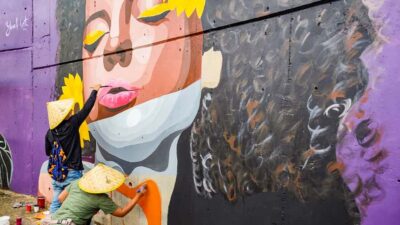
Comuna 13 Graffiti Tour, Cable Car & Street Food
Read our review →
Coffee Tour with Transport, Snacks and Tastings
Read our review →
Browse the lists this tour appears in