
Reviewed · MONSERRATE HILL TOURS
Bogotá City Tour with Monserrate, Gold and Botero Museums
Bogotá reveals its best contrasts on foot: colonial lanes beside political power, ancient gold beside modern Colombian art, and a mountain sanctuary high above a city of millions. This tour connects those pieces in one long day, with a private guide such as Sara, Sergio, Leslie, Rodrigo, or Luis shaping the pace around your interests.
I like the local tastings, especially the chance to try chicha, unusual fruit, juices, and Colombian coffee rather than simply admire buildings. I also like the serious treatment of Colombia’s armed conflict, government, and peace process. The main drawback is stamina: the seven-hour version can mean many hours on cobblestones and steep ground, and lunch is not included.
Key points to know
- Monserrate gives you Bogotá from above: Ride the cable car up to the Basilica and valley views.
- La Candelaria comes with context: Chorro de Quevedo introduces the meeting of Indigenous and Spanish traditions.
- The tastings are genuinely local: Try chicha, Colombian fruits, fresh juice, and coffee with guidance.
- The museums balance one another: The Gold Museum explains pre-Spanish metalwork, while Botero offers Colombian and international art.
- A private guide makes the difference: Guides including Sergio, Sara, Leslie, and Rodrigo have adapted routes to interests, weather, delays, and layovers.
- Plan for a demanding walk: Comfortable shoes are essential, and the experience is not suitable for wheelchair users or people with mobility impairments.
A full Bogotá introduction, from mountain to colonial street
At $65 per person, this is not the cheapest way to see Bogotá. It is a strong value if you want transportation, a private guide, the Monserrate ride, museum admission when selected, tastings, hotel pickup and drop-off, and insurance bundled together.
I see the price as paying for interpretation and time management as much as entry tickets. Bogotá is not a city you understand by collecting photographs alone. A guide can explain why Bolívar Square matters, help you handle the Monserrate queues, select the most useful museum rooms, and connect Colombia’s past with its present.
The private format is especially useful. You can ask for more art, more politics, more food, or less walking through a particular area. Guides have also adjusted the day for solo visitors, airport layovers, weather, religious crowds, and personal interests. Pickup is available from hotels, hostels, Airbnb properties, vacation rentals, and points of interest within Bogotá.
The tour lasts five to seven hours. The longer option includes Monserrate, the Gold Museum, and Botero Museum. The shorter five-hour format keeps Monserrate but leaves out the museum visits. Check the exact option when booking, since the difference changes the pace and amount of walking.
More Monserrate Hill Tours in Bogota:
- Bogotá: Private City Tour, Monserrate, Emerald and Botero
★ 4.9 · 798 reviews - Bogota: Monserrate Entry Ticket
★ 4.4 · 233 reviews - Bogotá: City Tour, Monserrate, Gold Museum, Plaza de Bolivar
★ 4.7 · 168 reviews
Chorro de Quevedo and the first taste of Bogotá
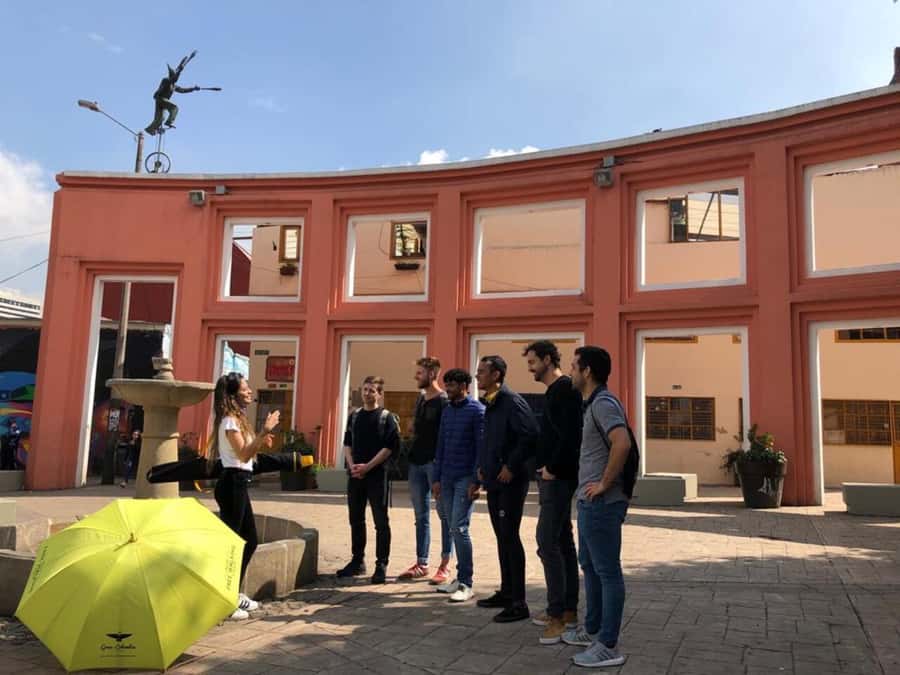
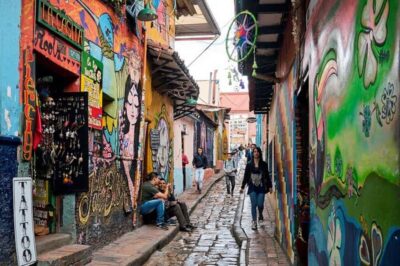
The day begins in La Candelaria, the old center of Bogotá. You walk along cobblestoned streets lined with colonial architecture, where bright paint, old doorways, murals, churches, cafés, and narrow lanes make a much more intimate impression than the city’s broad modern avenues.
Chorro de Quevedo Plaza is an important opening stop. Here, your guide explains the transition from Indigenous societies to Spanish colonization and the competing stories tied to Bogotá’s foundation. It is a small square, but it gives the rest of the walking tour a useful frame.
You also taste chicha, an ancestral fermented corn drink. This is not just a novelty sample. It introduces an older food tradition that existed long before Spanish rule, and it helps you see how food and drink can carry memory, identity, and change.
The fruit stop adds a lighter counterpoint. You may try Colombian fruits and natural juices, with soursop receiving special praise from one visitor who went back for more. The exact selection can vary, but the point is to taste ingredients you might not recognize at a standard café.
Allow yourself time to look around rather than treating Chorro de Quevedo as a quick photo stop. The pleasure here is in the details and in the explanation of how Bogotá’s oldest stories have been told, challenged, and reshaped.
Bolívar Square and Colombia’s difficult present
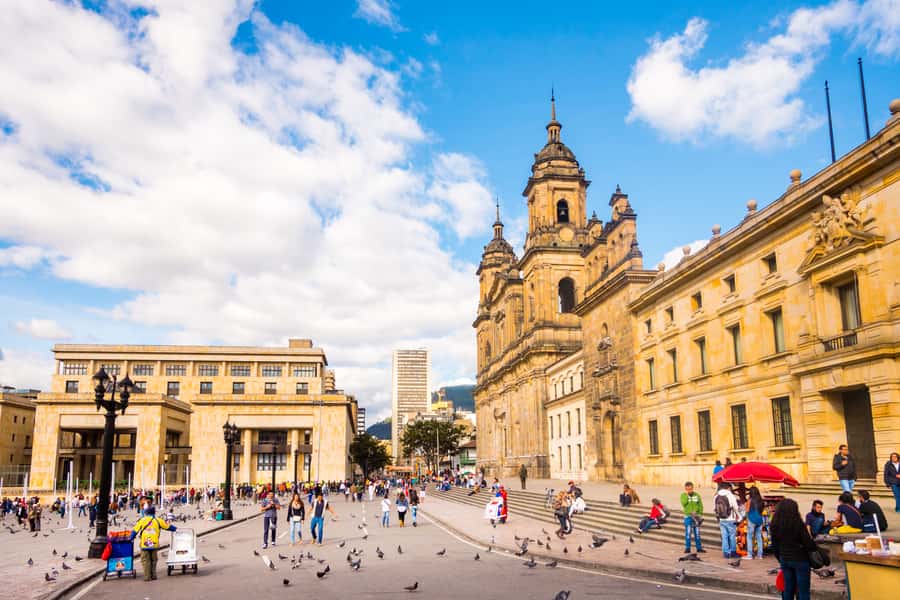
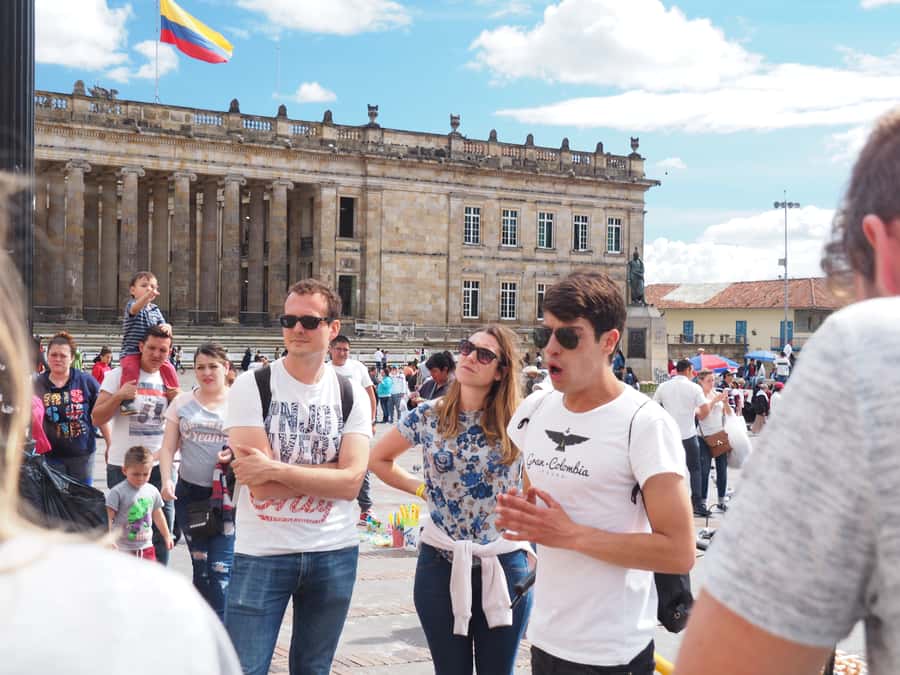
From La Candelaria, the route continues toward Bolívar Square, the political heart of central Bogotá. The square is surrounded by major public buildings, including the Palace of Justice, the National Capitol, the Town Hall, the Presidential Palace, and the city’s Primary Cathedral.
This is where the tour moves beyond architecture. Your guide relates politics to Colombia’s armed conflict and discusses the country’s current challenges after a peace agreement was signed. I consider this one of the most valuable parts of the experience because it gives you a way to understand the headlines, public buildings, and national debates you encounter elsewhere.
Expect a serious conversation rather than a polished patriotic speech. The information provided for this experience specifically includes the relationship between state power, conflict, and peace, and guides such as Cindy, Sergio, and Myra have been praised for explaining cultural and political topics clearly.
The square itself is open and monumental, but the surrounding streets return quickly to the human scale of La Candelaria. That contrast is useful. You see where national decisions are made, then walk back into neighborhoods where those decisions affect ordinary life.
The Botero Museum, with room for interpretation
The Botero Museum offers a different mood. It contains a high-quality selection of Colombian and international art, including the work associated with Fernando Botero. The museum visit lasts about 45 minutes with a guided explanation.
That time is enough for a purposeful introduction, not a complete art course. I prefer this approach to rushing through every room. A guide can help you notice the recurring ideas, visual choices, and connections between Colombian art and the wider collection.
The museum can also be more enjoyable when you have permission to ask simple questions. If modern or contemporary art sometimes leaves you unsure where to begin, a private guide can give you a starting point without turning the visit into a lecture.
One practical warning matters: the Botero Museum is closed on Tuesdays. On that day, your guide provides another museum option. If Botero is high on your list, avoid Tuesday or confirm the replacement before setting your expectations.
The museum is free according to one detailed account, so its inclusion is not the main financial reason to book the tour. Its real value here is the guide’s commentary and its place within a larger day that moves from politics and colonial streets to art.
A few more Bogota trips to weigh up
- BOGOTA: City Tour, Monserrate, Gold Museum, Botero Museum, Plaza Bolívar
★ 4.8 · 146 reviews - Bogotá: Private Candelaria Walking Tour and Gold Museum
★ 5.0 · 17 reviews - BOGOTA: Tour of Jaime Duque Park, Zoo, and Aerospace Museum
★ 4.6 · 15 reviews - Bogotá: Private Candelaria Walking Tour with Gold Museum
★ 5.0 · 11 reviews
The Gold Museum and Colombia before Spain
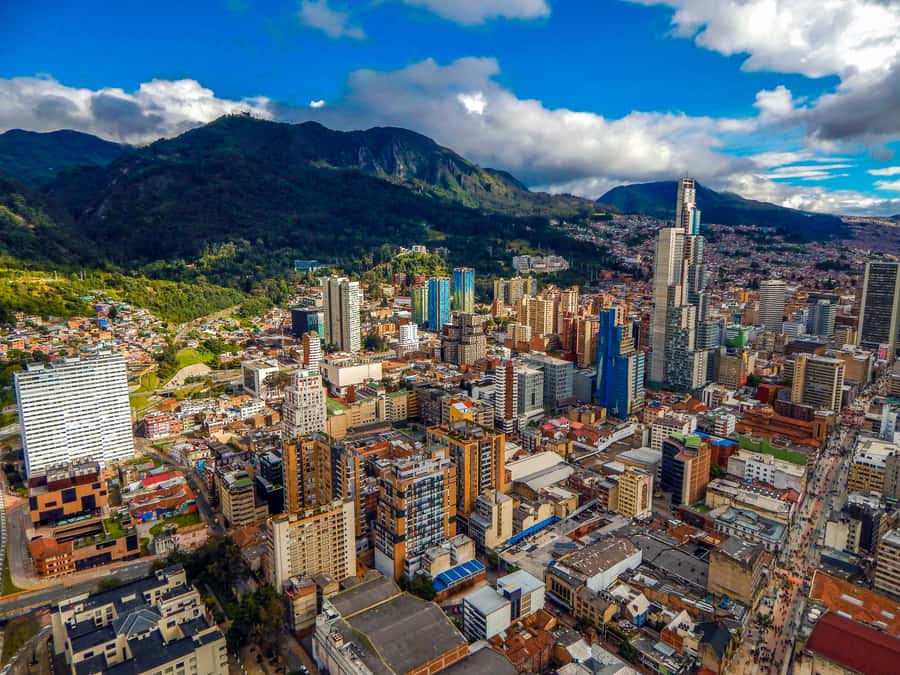
The Gold Museum takes about an hour and presents metalwork made by Indigenous cultures before the arrival of the Spanish. It is one of the tour’s most important stops because the objects are not treated as mere treasure.
Your guide helps explain what the metalwork meant within earlier societies and why these pieces matter to Colombia’s cultural memory. You can look closely at craftsmanship, symbols, and forms while placing them in a broader story about the people who made them.
An hour is enough to see a strong selection without exhausting yourself in every display. This matters on a day that already includes a long walk and a mountain visit. A guide can also help you prioritize instead of wandering through the museum with no sense of what deserves your attention.
The Gold Museum is closed on Mondays. If your tour falls on that day, another museum is offered. This is a small scheduling detail with a large effect, so check the weekday before booking the version that includes both museums.
The Gold Museum and Botero Museum work well together. One looks back to pre-Spanish Colombia and Indigenous metalwork. The other opens onto Colombian and international art. Together, they make the city tour feel less like a string of famous addresses and more like an introduction to how Colombia presents itself.
Colombian coffee, fruit, and a useful lunch pause
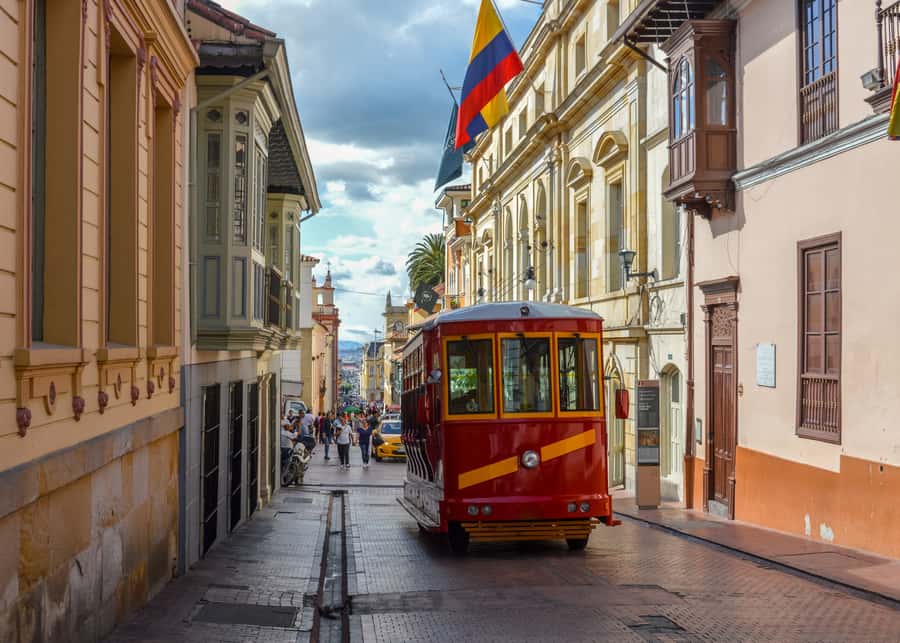
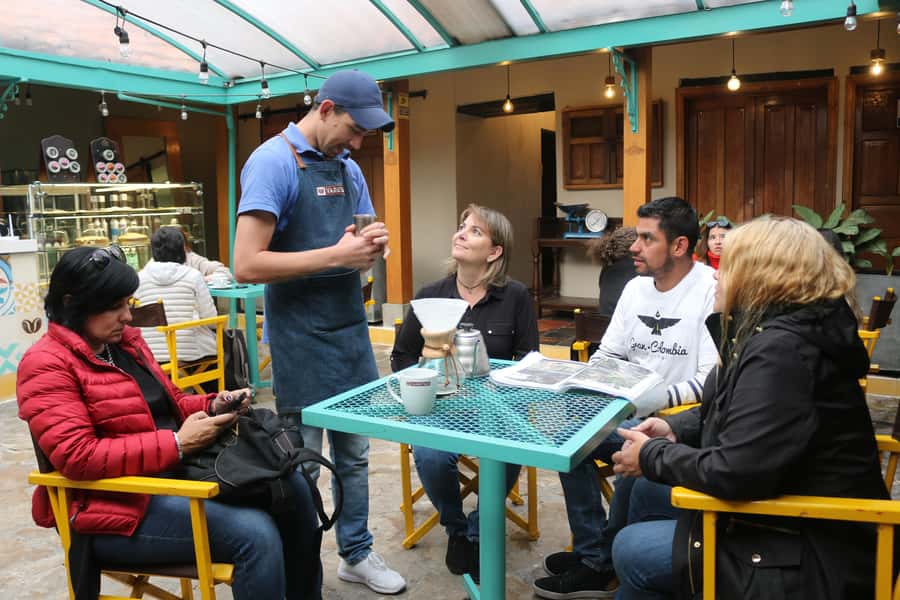
A coffee tasting is built into the day, with local baristas explaining the basics of Colombian coffee while you drink a cup. This is a welcome pause after the streets and museums, and it offers a practical way to think about coffee beyond the export label.
You will also have tasted fruit and juice earlier, along with chicha. These small food experiences help the tour stay connected to daily life. You are not only looking at Bogotá. You are sampling a few of the things people use to describe the country.
Lunch is not included, but the guide provides restaurant recommendations and time to eat. This needs a little planning. One account described a seven-hour version with no proper lunch break, despite the food tastings, so you should tell your guide early if you need a sit-down meal or a slower pace.
The tastings are snacks, not a substitute for lunch. Bring water, eat a proper breakfast, and use the available pause wisely. If you are traveling with children or need regular rest, the five-hour option may be a better fit, though it still includes walking.
Monserrate, the payoff above the city
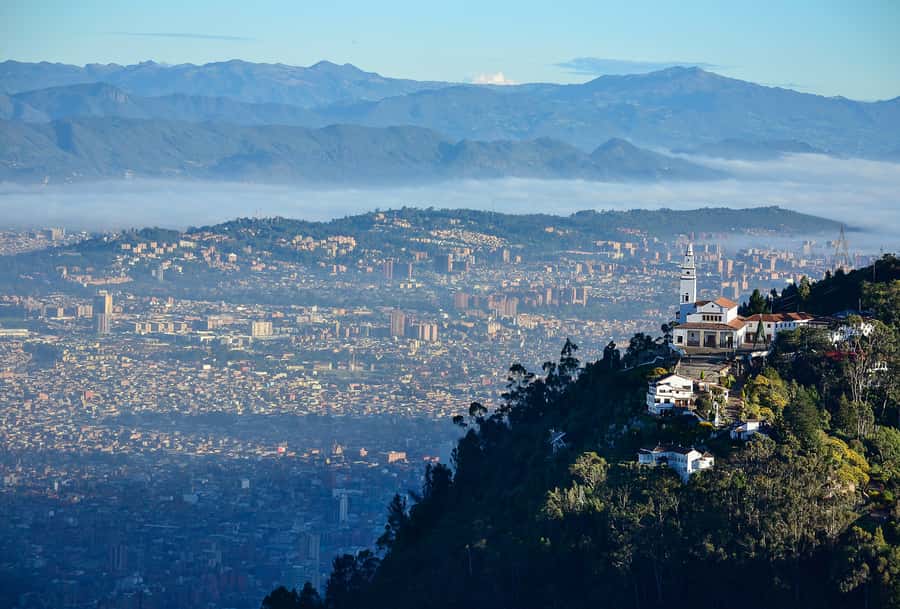
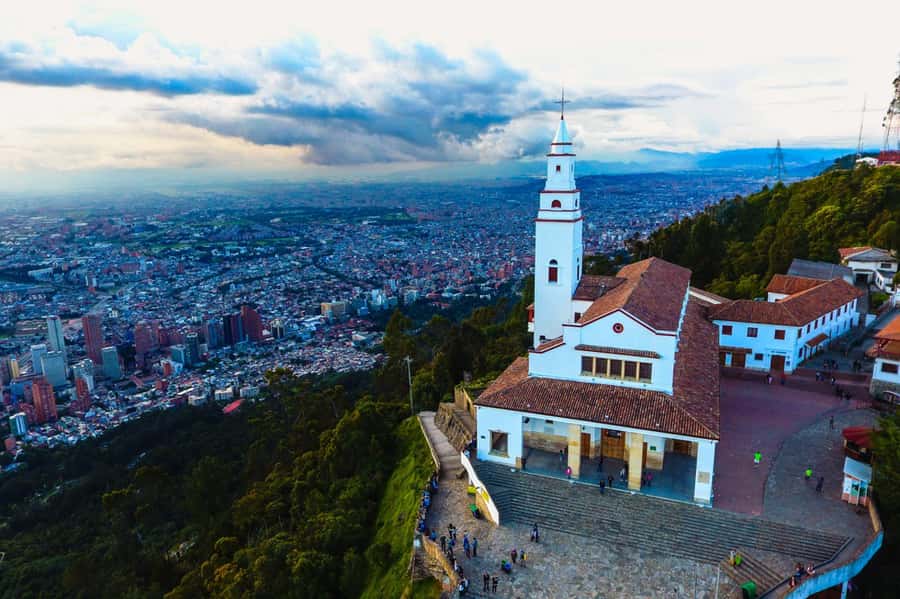
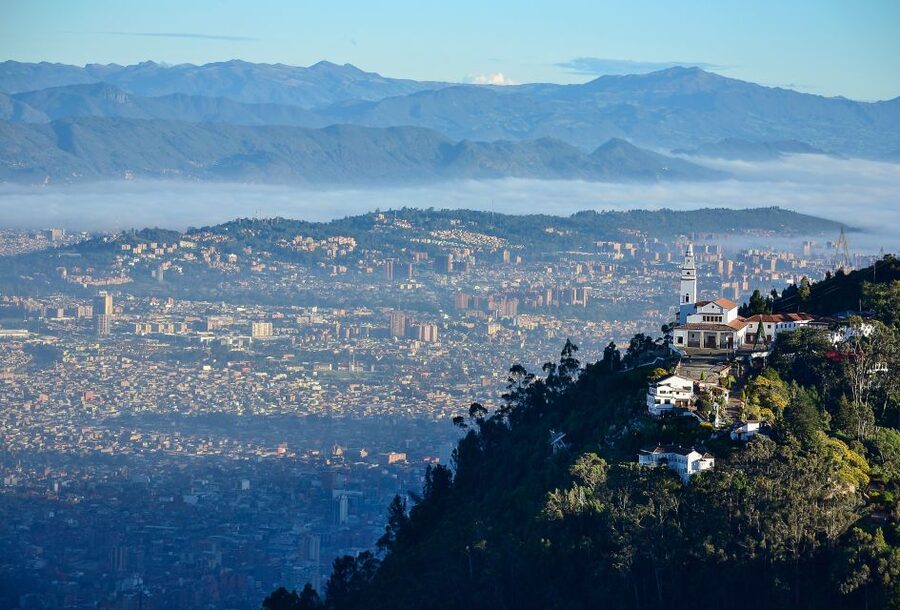
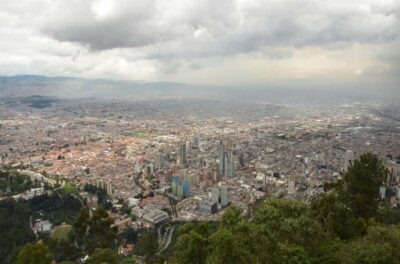
Monserrate is Bogotá’s essential high point, both literally and culturally. The mountain rises above the city, and the ride up gives you a sweeping view along the valley. At the top, you visit the Basilica of Monserrate and learn why the site matters to local people.
The package includes a two-way cable car ticket. Some accounts refer to using the funicular, and the exact mountain transport can depend on the day and operating arrangements. Either way, the important benefit is that you do not need to make the ascent on foot.
The views are the obvious reward, but the guide’s explanation of the Basilica adds meaning. This is a religious and symbolic place, not simply an observation point. Take time to look across Bogotá, then pay attention to the site itself and the role it plays in local life.
Weather can change the experience. The tour runs rain or shine, and cloud or rain may reduce the view. Bring suitable clothing and shoes rather than assuming the mountain will feel like the city below.
Altitude is another real consideration. One guide helped a visitor whose wife developed altitude sickness by offering practical care, a sweater, and medicine. That is a reminder to take symptoms seriously, move slowly, and tell your guide if you feel unwell. The experience provider does not present this as a medical tour, so prepare sensibly and do not push through severe discomfort.
The mountain portion takes around two hours, including sightseeing and walking. It can be the highlight of the day, but it also adds stairs, slopes, crowds, and exposure to changing weather. The view is worth it for most fit visitors, yet Monserrate is not suitable for people with mobility impairments or wheelchair users.
Why the private guide matters here
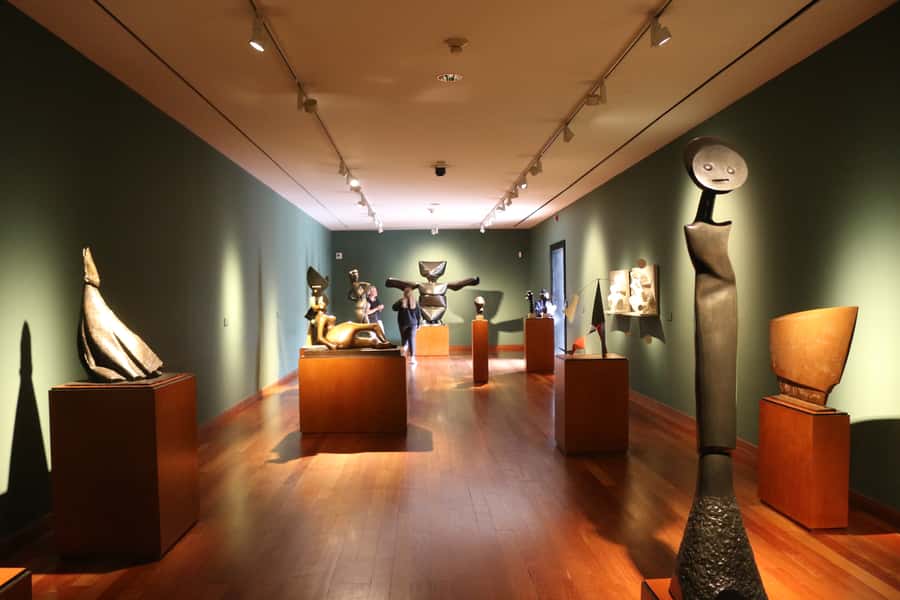
The strongest part of this experience is the guide-led connection between places. A driver can take you from one attraction to another, but this tour is designed around a person who explains, adapts, and keeps the day moving.
Guides named in the supplied accounts include Nataly, Sara, Sergio, Leslie, Rodrigo, Luis, Camilo, Myra, Jorge, Cindy, Gerardo, José, Ivonne, and others. Their strengths vary, but the recurring pattern is clear: the best guides explain Bogotá in plain English or Spanish, answer questions, and adjust the route to the people in front of them.
Some outings become one-to-one experiences, even when you expect a larger private group. That can be excellent if you want flexibility. It also means the quality of the day depends heavily on communication, so tell the guide what interests you, how much walking you can handle, and when you need a meal.
The airport pickup option deserves special attention for a layover. One person used the tour as a seven-hour introduction between flights, with airport pickup and drop-off arranged. You should confirm your timing carefully, but the included transport can remove much of the stress of reaching central Bogotá and returning to the airport.
Walking, timing, and what to bring
This is a walking tour with vehicle transfers for pickup, drop-off, and the broader city connection. The old center includes uneven cobblestones, and the full version combines roughly two hours in La Candelaria, museum visits, Bolívar Square, coffee and food stops, and about two hours at Monserrate.
One outing covered nearly 14 kilometers. That will not be the exact distance for every group, but it shows why comfortable shoes are listed as essential. You should also avoid bringing luggage or large bags, which are not allowed on the experience.
The tour runs in rain or shine. A small day bag is more practical than a suitcase, and you should dress for both Bogotá’s streets and Monserrate’s cooler, changeable conditions. Since lunch is separate, carry enough patience and energy for a full day.
The route is not suited to wheelchair users or people with mobility impairments. If you have a temporary injury, altitude concern, or need frequent breaks, ask about the shorter format and discuss your limits with the guide before departure.
Who should book this Bogotá tour?
I would choose this tour for a first visit, a short stay, or an airport layover when you want a serious introduction without spending several days organizing transport and tickets. It suits curious adults, solo visitors, couples, and small private groups who like asking questions and walking through a city rather than viewing it from a bus.
It is also a good choice if you want Bogotá presented as more than colonial architecture. The combination of Indigenous traditions, Spanish colonization, national politics, conflict and peace, coffee, art, and mountain worship gives you useful context for the rest of Colombia.
I would hesitate if you dislike long walks, want a relaxed lunch, or prefer to visit museums at your own pace for several hours. Families with young children should consider the stamina required, and anyone with limited mobility should choose a different activity.
Should you book it?
Book this experience if you want the city’s major sights tied together by a private guide, and if you can handle a demanding day on foot. At $65, the package is good value for the pickup, Monserrate transport, museum entry when selected, tastings, guide, and insurance.
Choose the seven-hour version when the Gold Museum and Botero Museum are priorities. Choose five hours when you want the city center and Monserrate without adding both museums. Before booking, check the weekday closures, plan your lunch, wear strong walking shoes, and allow extra care at altitude.
The best reason to go is not simply the number of stops. It is the way the day moves from chicha at Chorro de Quevedo to national politics at Bolívar Square, from Indigenous goldwork to Botero’s art, and finally up to a Basilica overlooking Bogotá. That is a lot of city in one outing, but it gives you a clear place to begin.
FAQ
How long does the Bogotá City Tour last?
You can choose a five-hour or seven-hour version. The seven-hour option includes Monserrate, the Gold Museum, and the Botero Museum. The five-hour option includes Monserrate but does not include the two museum visits.
What does the $65 price include?
The price includes hotel pickup and drop-off within Bogotá, a tour guide, a two-way cable car ticket to Monserrate, entry to the Gold Museum and Botero Museum if chosen, chicha and coffee tastings, fruit and juice tasting, and all-risks insurance.
Is lunch included?
No. Lunch is not included, but you receive restaurant recommendations and time to choose a place to eat. Tell your guide if you need a proper lunch break because the day can be tightly scheduled.
Is hotel pickup available?
Yes. Pickup is available from hotels, hostels, Airbnb properties, vacation rentals, and points of interest within Bogotá. Drop-off is also provided in Bogotá.
What languages are available?
The live tour guide is available in English or Spanish.
Are the museums open every day?
The Gold Museum is closed on Mondays, and the Botero Museum is closed on Tuesdays. If one is closed, your guide provides another museum option.
What should I bring?
Bring comfortable shoes. The experience involves substantial walking on cobblestoned streets and at Monserrate. Luggage and large bags are not allowed.
Is the tour suitable for wheelchair users?
No. The experience is not suitable for wheelchair users or people with mobility impairments. It is also important to consider the long walking distances, slopes, and mountain setting.
Just added around Bogota
- Paragliding Activity with Transfers from Bogota★ 4.9 · 21 reviews
- Monserrate Express tour 3 hrs★ 4.6 · 6 reviews
- Nemocón Salt Mine Tour★ 5.0 · 3 reviews
- La Chorrera and Chiflon Waterfalls Private Hike Tour★ 5.0 · 7 reviews
- Layover City Tour or Conexion in Bogota★ 4.5 · 5 reviews
- Bogota: Horseback Riding Tour★ 5.0 · 5 reviews
- Guatavita: Tour to Guatavita Lagoon, the Village and Casa Loca★ 4.8 · 19 reviews
- 7-hour City Tour of Historic Bogotá with Monserrate★ 4.7 · 47 reviews
Monserrate Hill Tours, compared.
Private City Tour, Monserrate, Emerald and Botero
Read our review →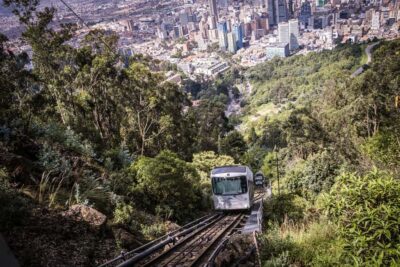
City Tour, Monserrate, Gold Museum, Plaza de Bolivar
Read our review →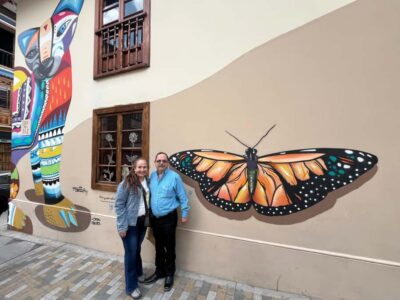
City Tour, Monserrate, Gold Museum, Botero Museum, Plaza Bolívar
Read our review →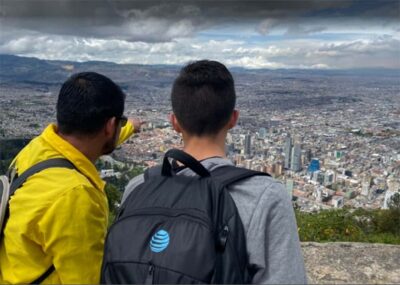
VIP Bogota City Tour: Farmers Market, Monserrate, Candelaria, 9hr
Read our review →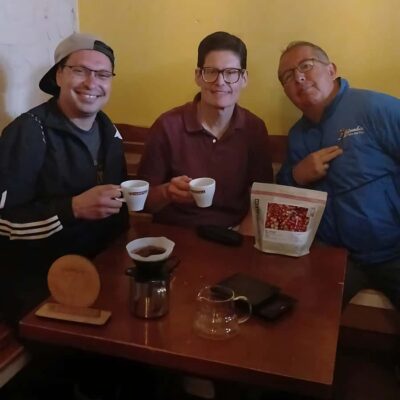
7-hour City Tour of Historic Bogotá with Monserrate
Read our review →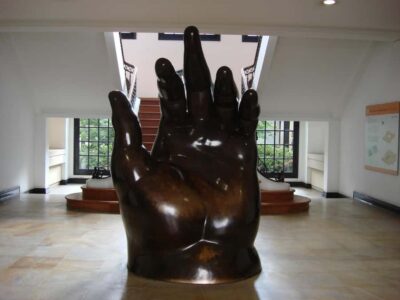
Private Guided Tour with Monserrate & La Candelaria
Read our review →Browse the lists this tour appears in