
Reviewed · MONSERRATE HILL TOURS
7-hour City Tour of Historic Bogotá with Monserrate
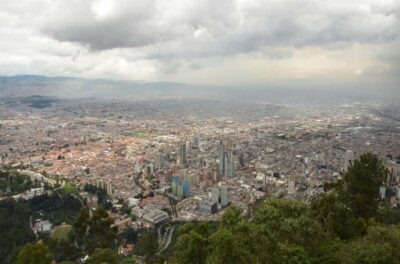
The most memorable part of this Bogotá tour comes early: Monserrate at 3,150 meters, where the city spreads below you from the eastern hills. I like the way the day pairs that big view with a close look at La Candelaria, and I especially like the fruit and coffee stops, which add flavor to what could otherwise be a fast parade of buildings and museums. The main drawback is pace. Seven hours covers a lot, so you will see many sights, but you may not have long at each one.
I also like that this is a private tour with hotel pickup, rather than a fixed group moving to someone else’s schedule. Guides including Juan Carlos, Carlos, Lifred, and Juan have been praised for clear English, patience, and the ability to adjust the day when needed. Plan for steep streets, stairs, and Bogotá’s high altitude, and wear proper walking shoes.
Key points at a glance
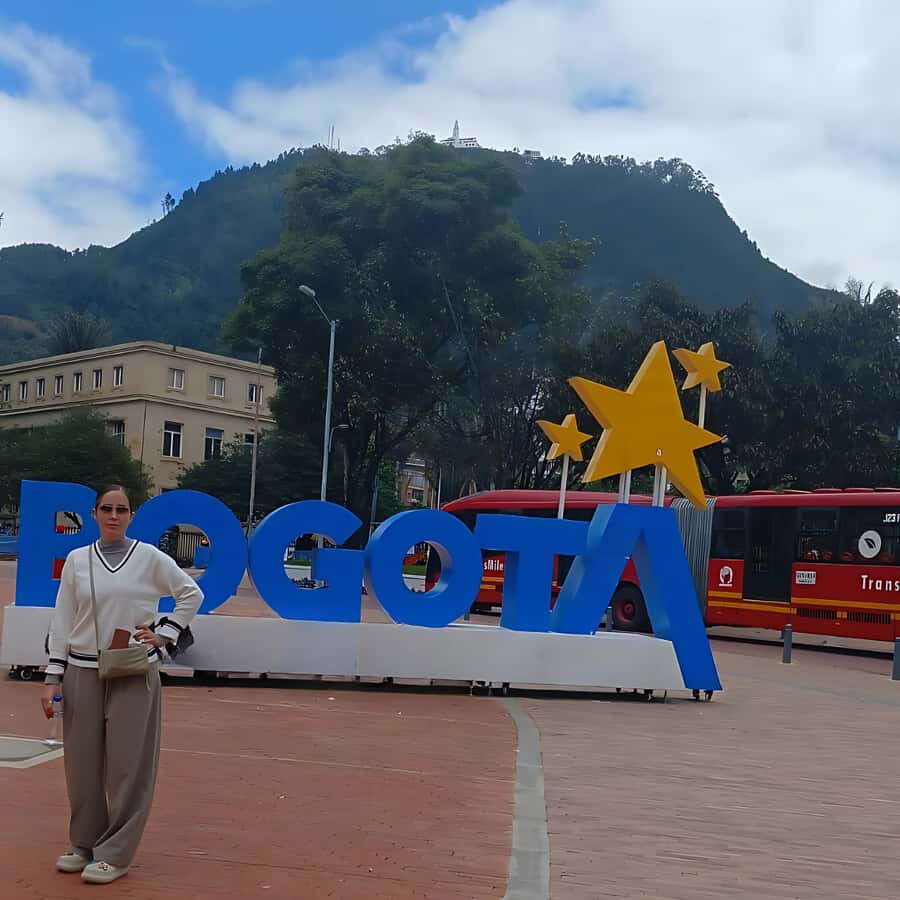
- Monserrate reaches 3,150 meters: Ride the cable car or funicular for wide views over Bogotá and visit the hilltop sanctuary.
- La Candelaria packs in the city’s character: Cobblestone streets, colonial and Republican buildings, murals, churches, libraries, and cultural centers fill the historic core.
- The food stops are more than filler: Taste typical Colombian fruits, try an unusual local juice, and learn about Colombian coffee from a professional barista.
- Two major museums shape the day: The Gold Museum covers pre-Hispanic metalwork, while the Botero Museum brings Colombia’s best-known artist into the route.
- Your guide makes the difference: Juan Carlos, Carlos, Lifred, and Juan are named in the tour feedback as especially strong guides.
- The tour is efficient but full: Private transport and a bilingual guide save time, though souvenir shopping and museum visits may feel brief.
Starting with Monserrate above Bogotá
This seven-hour experience gives you a broad first look at Bogotá rather than a slow study of one neighborhood. You are picked up at your accommodation in Bogotá, travel by private shuttle, and spend the day with a guide who speaks English and Spanish.
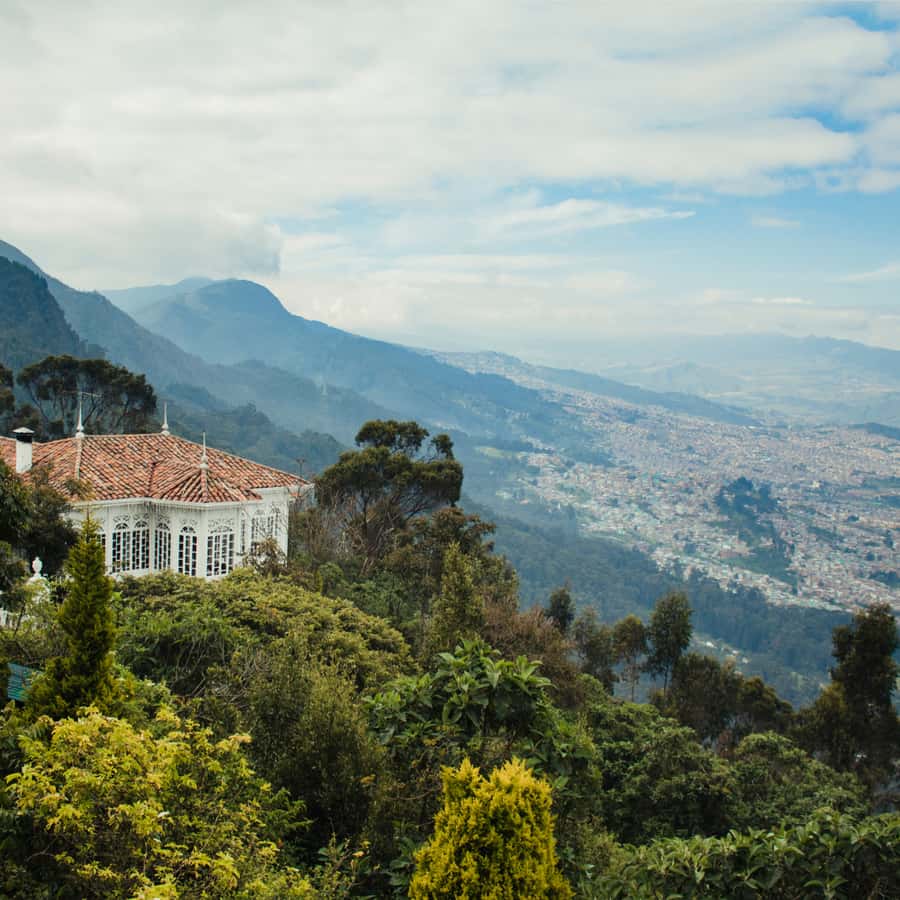
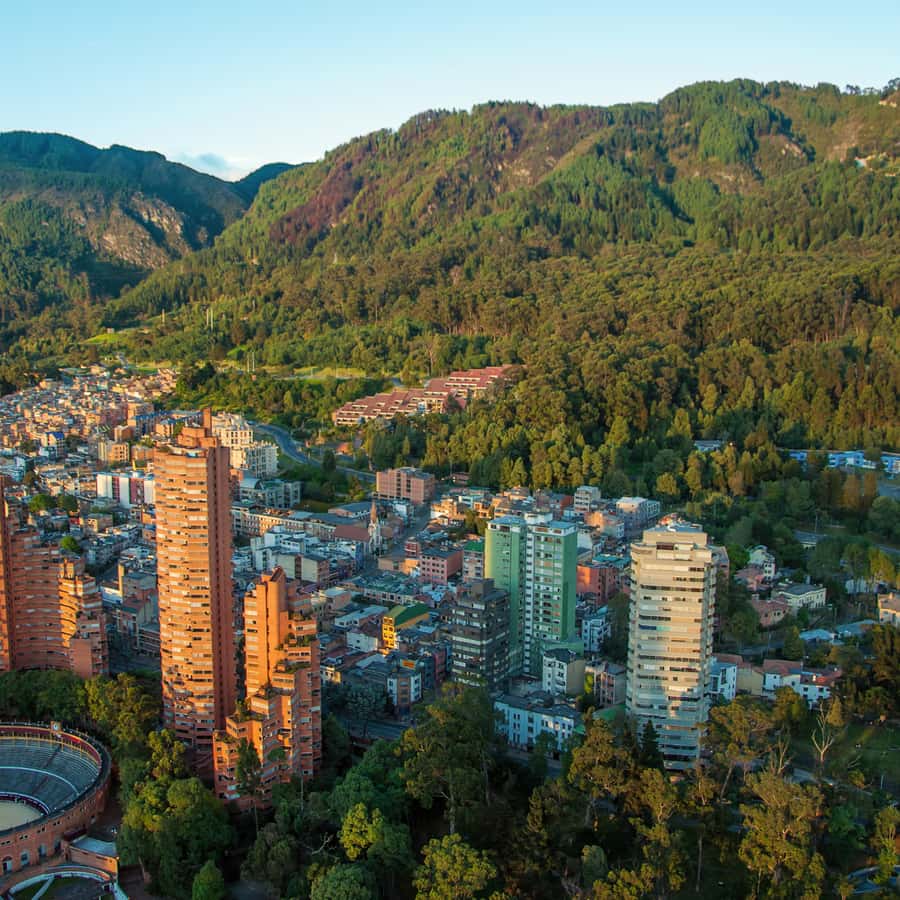
The route begins with Cerro de Monserrate, one of the city’s defining sights. At 3,150 meters, the summit is high enough that altitude is not a minor detail. Take the ascent slowly, especially if you have just arrived in Colombia or have had trouble with altitude sickness before.
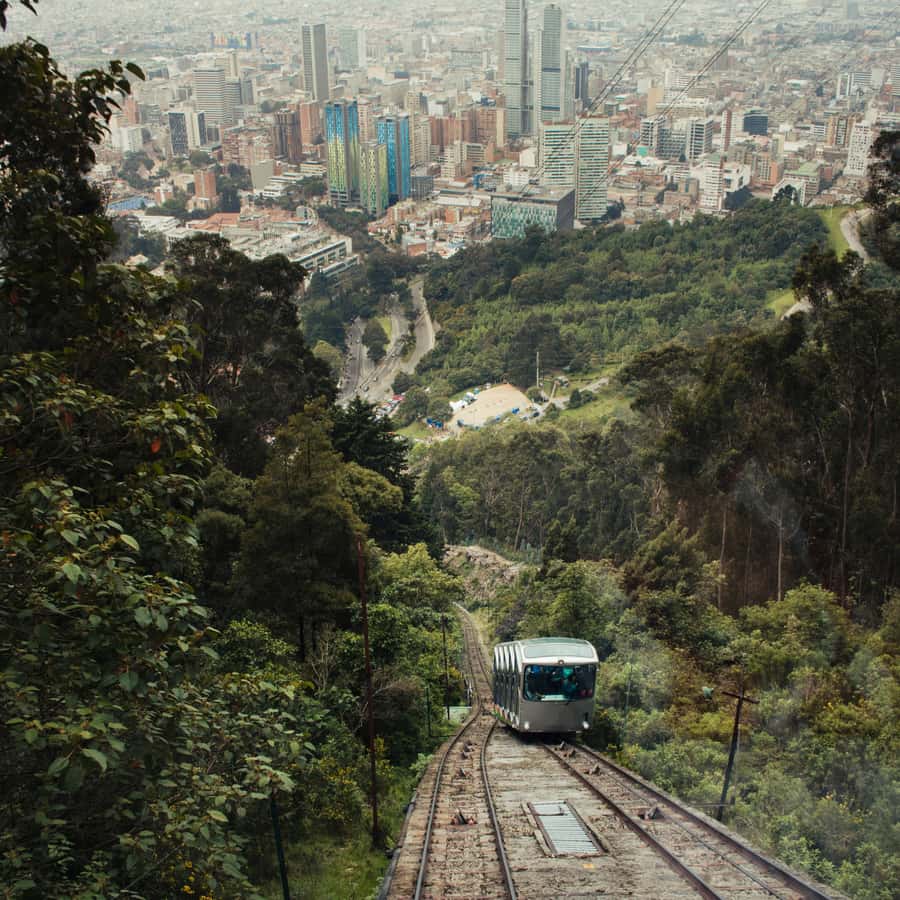
You can go up and down by cable car or funicular. The cable car offers an aerial ride and open views, while the funicular takes you through the mountain. The exact choice can depend on operating conditions and availability, so ask your guide how the visit will be handled that day.
At the top, you can visit the Sanctuary of the Lord of Monserrate, a religious site with long-standing importance in Bogotá. The real reward for many people is the view. You see the capital spread across the high plateau, with the eastern hills rising behind it. Bring a camera, but do not let the photo stop replace a few quiet minutes simply looking out.
Monserrate is also where the tour’s practical side matters. You will want comfortable clothes, a hat, sunscreen, and drinking water. The tour includes medical insurance, but hydration is not included, and drinks beyond the tastings are your responsibility.
More Monserrate Hill Tours in Bogota:
- Bogotá: Private City Tour, Monserrate, Emerald and Botero
★ 4.9 · 798 reviews - Bogotá City Tour with Monserrate, Gold and Botero Museums
★ 4.9 · 584 reviews - Bogota: Monserrate Entry Ticket
★ 4.4 · 233 reviews
Walking through La Candelaria’s old streets
After Monserrate, the route moves into La Candelaria, Bogotá’s historic center. This is the part of the day where you leave the broad view behind and begin reading the city at street level.
The neighborhood’s cobbled lanes and older buildings show a mix of colonial and Republican architecture. Some streets feel compact and steep, so footwear matters. Carlos specifically advised comfortable walking shoes, and that is sound advice. High heels are not suitable, and the tour is not designed around a stroller.
Your first stop may be Chorro de Quevedo, traditionally linked with Bogotá’s founding in 1538. It is a small but important place in the city’s story, and your guide can explain how the founding account fits into Colombia’s broader past.
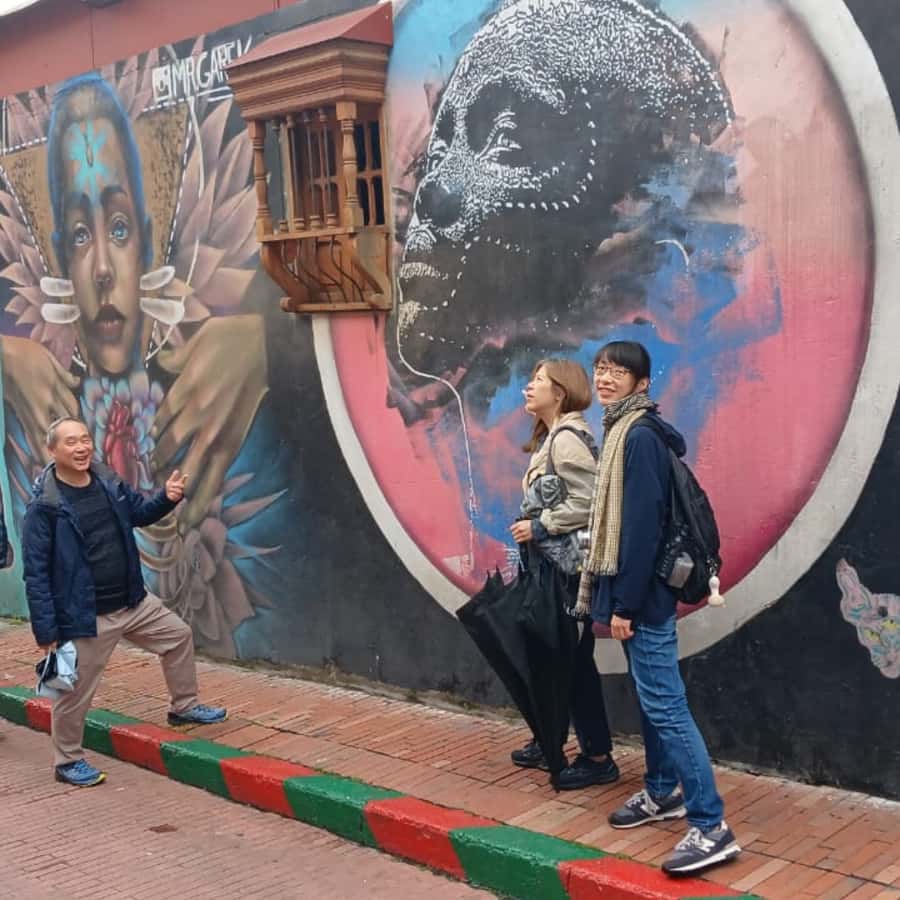
The streets around it are also good for noticing details you might miss on your own: colorful walls, old façades, public art, and the way modern daily life shares space with historic buildings. The tour does not treat La Candelaria as a museum frozen in time. You are moving through a working part of the capital.
The route includes several cultural landmarks:
- La Candelaria Church, an architectural focal point in the neighborhood
- Teatro Colón, one of Latin America’s notable theaters
- Luis Ángel Arango Library, a major center for books, learning, and cultural programs
- Gabriel García Márquez Cultural Center, connected with literature and the Colombian Nobel Prize winner
- Botero Museum, home to works by Fernando Botero and other artists
You may not spend enough time inside every building to examine everything. That is the trade-off for seeing so much in one day. If Botero’s art or Bogotá’s libraries are your main interest, you may want to return later for a longer visit.
Botero Museum and the Gold Museum
The museum portion gives the tour more depth than a simple drive past landmarks. The Botero Museum is closed on Tuesdays, so its place in the schedule depends on the day of your visit.
Fernando Botero is known for figures with exaggerated volume, and the museum also includes works by other recognized artists. Even a short visit gives you a cultural anchor for understanding one of Colombia’s best-known artists.
The Gold Museum is closed on Mondays. On other days, it is one of the day’s strongest stops. Its collection includes more than 50,000 objects, including goldwork, ceramics, precious stones, and textiles from Indigenous cultures across Colombia.
This is not simply a room full of shiny objects. The collection helps explain the skill, symbolism, and ceremony behind pre-Hispanic metalwork. A bilingual guide adds useful context, especially if you are seeing the museum on a tight schedule and need help deciding what deserves your attention.
If the Gold Museum is closed, another attraction is substituted depending on availability. Since the replacement is not fixed, Monday visitors should ask in advance what alternative is planned. If the museum is a priority, schedule the tour on a day other than Monday.
Plaza de Bolívar and the buildings around it
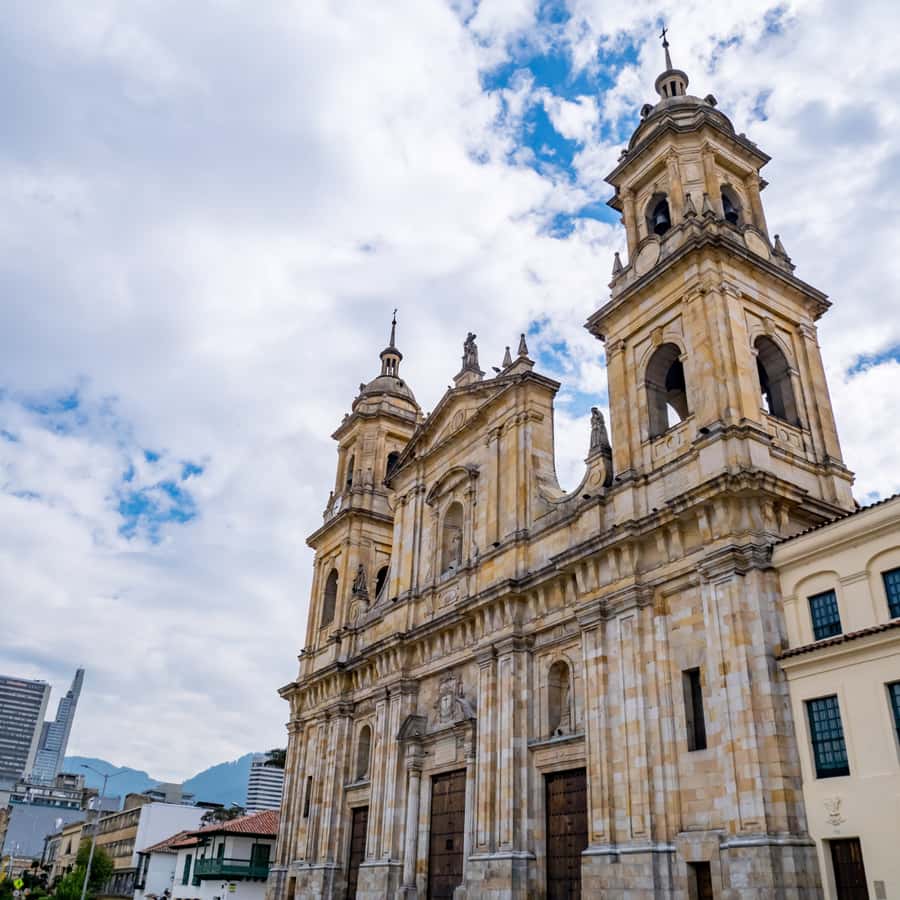
Plaza de Bolívar is Bogotá’s political and civic center. It was declared a National Monument in 1995, and the surrounding buildings make it one of the clearest places to connect architecture with Colombia’s government and public life.
The square is surrounded by:
- The Palace of Justice
- The Capitol Building
- Bogotá Cathedral
- The Chapel of the Sagrario
- The Archbishop’s Palace
- Liévano Palace
The square itself works best with a guide. Without context, it can look like a large open space surrounded by impressive façades. With an explanation of the buildings and their roles, it becomes a useful lesson in Colombia’s political and social development.
Expect time for photos and explanation, but not necessarily an extended architectural study. The whole tour is built for coverage. You will learn where the major pieces fit, then decide what deserves a return visit.
A few more Bogota trips to weigh up
- Shared Tour of Bogota’s Historic Downtown (La Candelaria)
★ 4.7 · 100 reviews - Historical tour Bogota
★ 5.0 · 72 reviews - From bogota: Salt Cathedral tour a Cultural Heritage Tour
★ 4.5 · 23 reviews - Bogota’s Historic Center and Monserrate in one day
★ 4.9 · 8 reviews
Fruit, juice, and a serious coffee lesson
I like the tasting stops because they keep the day connected to everyday Colombia. You will sample typical and endemic fruits and try a Colombian juice, including flavors you may not recognize from home.
This is a useful way to learn about the country through taste rather than through another formal exhibit. Ask your guide about the names and origins of the fruit, and take note of which ones you like. The exact selection is not specified, so treat it as a chance to try something new rather than a promised menu.
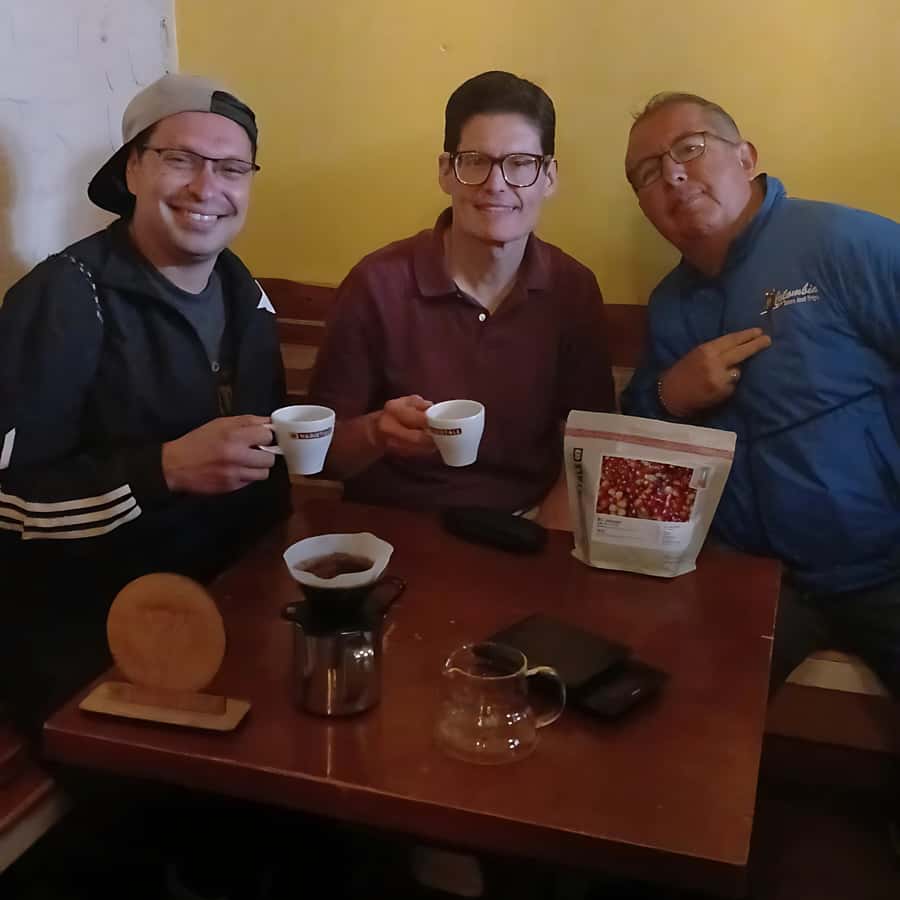
The Colombian coffee tasting is led by a professional barista. That detail matters. You are not simply handed a cup and told it is good coffee. The stop gives you a chance to learn about Colombian coffee in a more focused way, and it breaks up the walking and museum visits.
Lunch is not included, and neither are extra drinks or bottled water. The tastings do not replace lunch, so plan for that gap. You should also carry hydration, especially because Monserrate’s altitude and the walking in La Candelaria can make the day feel more demanding than seven hours sounds.
Why the private format is useful
A private group changes the feel of a city tour. You can ask more questions, move at a pace that suits your party, and raise practical concerns with the guide instead of waiting for a large group to catch up.
The guides named in the tour feedback are a major strength. Juan Carlos is praised for his history and cultural explanations, friendly manner, and ability to adjust to individual needs. Carlos is noted for explaining both Bogotá’s past and the formation of the surrounding mountains. Lifred is described as an engaging English speaker who adapts the tour to personal interests. Juan is praised for patience when one person in the group had mobility problems.
That does not make the tour fully accessible. The route includes steep areas and considerable walking, and the activity is not suitable for people with altitude sickness. Still, the private format gives you a better chance to discuss limitations before the day begins. Tell the provider about mobility needs when booking.
The listed transport time is about 1.5 hours, and private pickup and return to your Bogotá accommodation remove the need to find your way across the city at the start and end. That is valuable if you have only one day in Bogotá or are fitting sightseeing around a business trip.
Is $118 a fair price?
At $118 per person, this is not the cheapest way to see Bogotá. The price makes more sense if you value private transport, a bilingual guide, Monserrate tickets, several cultural stops, tastings, and medical insurance in one package.
You are paying for efficiency as much as entry tickets. Instead of arranging a ride to Monserrate, working out the museum schedule, and navigating La Candelaria alone, you get one person coordinating the day. That is especially useful for a first visit or a short stay.
The value is weaker if you prefer long museum visits, independent wandering, or a leisurely lunch. Souvenir shopping is included as part of the experience through Colombian souvenir and emerald shops, but the schedule may leave only a short time for browsing. One person wanted more time for souvenirs, which is a fair warning if shopping is important to you.
The private arrangement also means the price depends on how many people are in your party. For a couple or small family, compare the total cost with hiring a private guide and transport separately. For a larger private group, the package may look more attractive.
Shopping for Colombian souvenirs and emeralds
The route includes visits to Colombian souvenir and emerald shops. Colombia is well known for emeralds, so this can be a useful introduction if you are interested in buying a stone or simply want to understand the local trade.
Treat this portion as an orientation, not a guarantee that you will find the perfect purchase. Ask questions about certification, quality, and return policies before spending money. You are never obliged to buy, and your schedule may not allow a long shopping session.
The same goes for general souvenirs. If you want gifts, tell your guide early in the day. The tour can cover many sights, and shopping time may otherwise be squeezed between museums, walking, and the return drive.
Who will enjoy this Bogotá tour most?
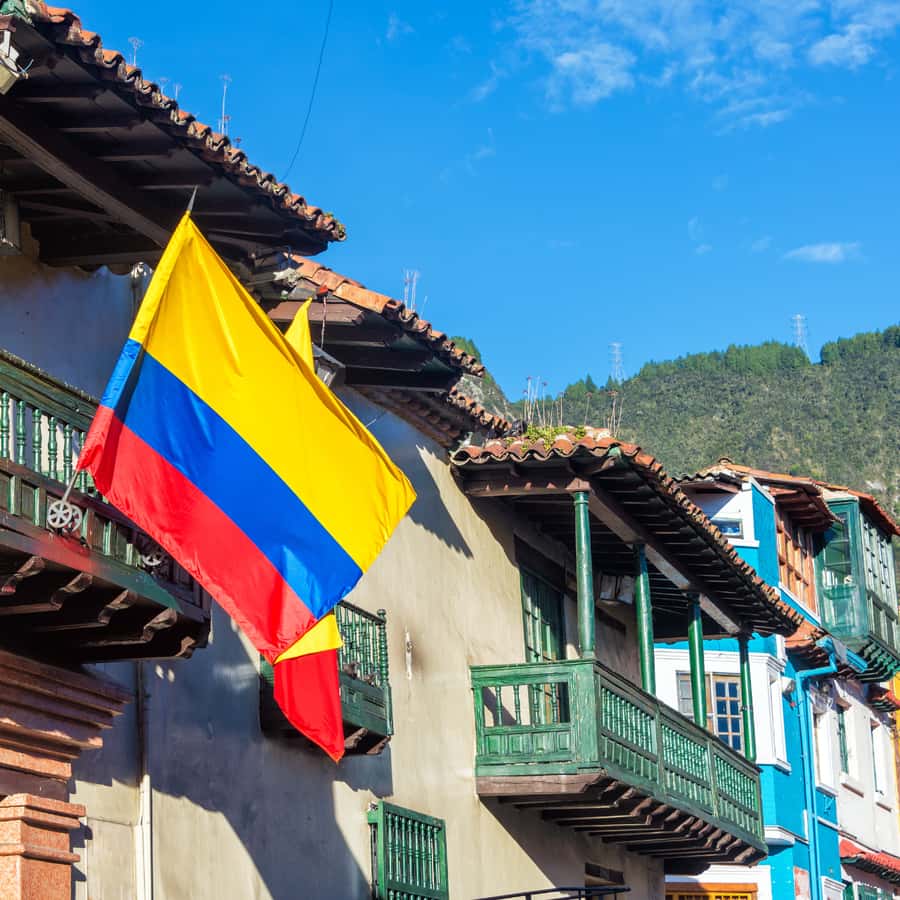
I would choose this tour if you have one day in Bogotá, are stopping in the city during a business trip, or want a strong introduction before exploring on your own. It gives you the major historical center, Monserrate, two important museums when open, food tastings, and a guide who can connect the pieces.
It suits people who prefer a planned day and want English or Spanish support throughout. It also works well for families or private groups that need some flexibility, though babies under one year are not accepted and the route is not suitable for anyone with altitude sickness.
You should think twice if your priority is slow travel. Seven hours is enough to see a lot, but not enough to linger everywhere. You may need to choose between a careful museum visit, extended souvenir shopping, and a relaxed meal.
Book with the museum calendar in mind. Avoid Monday if the Gold Museum is essential, and avoid Tuesday if you specifically want the Botero Museum. Cancellation is free up to 24 hours before the tour, and you can reserve now and pay later, which helps if your Bogotá plans are still changing.
My verdict: a strong first day in Bogotá
I would recommend this tour for a first visit, particularly when time is tight. The combination of Monserrate’s high view, La Candelaria’s streets, Plaza de Bolívar, museum culture, fruit, juice, and coffee gives you a useful sense of Bogotá in one well-packed day.
The best reason to book is the guide. Juan Carlos, Carlos, Lifred, and Juan are all associated with the qualities you want here: clear communication, patience, local context, and a willingness to shape the day around your interests.
The caution is simple: do not expect a slow, unhurried museum tour. Wear walking shoes, bring water and sunscreen, check the Monday and Tuesday closures, and tell the guide about mobility concerns. If you want an efficient and personal introduction to Bogotá, $118 buys a practical package. If you want to wander at your own speed, use this as a starting point and plan extra time in La Candelaria afterward.
FAQ
How long does the Bogotá tour last?
The tour lasts seven hours, including private transport from and back to your accommodation in Bogotá.
Is hotel pickup included?
Yes. Private shuttle service to and from your accommodation in Bogotá is included.
Which languages does the guide speak?
The guide provides the tour in English and Spanish.
Is this a private tour?
Yes. The activity is arranged for a private group.
What happens at Monserrate?
You receive tickets to Cerro de Monserrate, travel up and down by cable car or funicular, enjoy views from 3,150 meters, and can visit the Sanctuary of the Lord of Monserrate.
Is the Gold Museum open every day?
No. The Gold Museum is closed on Mondays. An alternative attraction is offered depending on availability.
Is the Botero Museum open every day?
No. The Botero Museum is closed on Tuesdays.
Is lunch included?
No. Lunch, hydration, and extra drinks are not included. The tour does include tastings of Colombian fruit and juice, plus a Colombian coffee tasting with a professional barista.
Just added around Bogota
- Paragliding Activity with Transfers from Bogota★ 4.9 · 21 reviews
- Monserrate Express tour 3 hrs★ 4.6 · 6 reviews
- Nemocón Salt Mine Tour★ 5.0 · 3 reviews
- La Chorrera and Chiflon Waterfalls Private Hike Tour★ 5.0 · 7 reviews
- Layover City Tour or Conexion in Bogota★ 4.5 · 5 reviews
- Bogota: Horseback Riding Tour★ 5.0 · 5 reviews
- Guatavita: Tour to Guatavita Lagoon, the Village and Casa Loca★ 4.8 · 19 reviews
- Guided Visit to Botero Museum in Bogota★ 4.3 · 4 reviews
Monserrate Hill Tours, compared.
Private City Tour, Monserrate, Emerald and Botero
Read our review →
Bogotá City Tour with Monserrate, Gold and Botero Museums
Read our review →
City Tour, Monserrate, Gold Museum, Plaza de Bolivar
Read our review →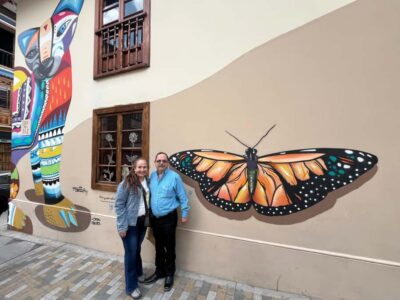
City Tour, Monserrate, Gold Museum, Botero Museum, Plaza Bolívar
Read our review →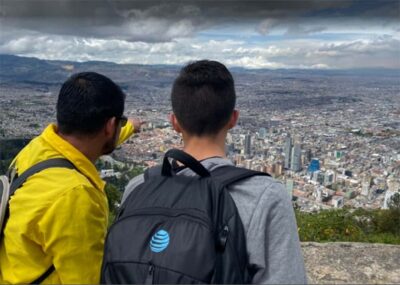
VIP Bogota City Tour: Farmers Market, Monserrate, Candelaria, 9hr
Read our review →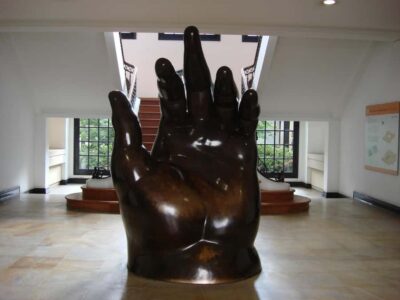
Private Guided Tour with Monserrate & La Candelaria
Read our review →Browse the lists this tour appears in