
Reviewed · HIKING & TREKKING
Bogotá: Sumapaz National Park Hike Tour
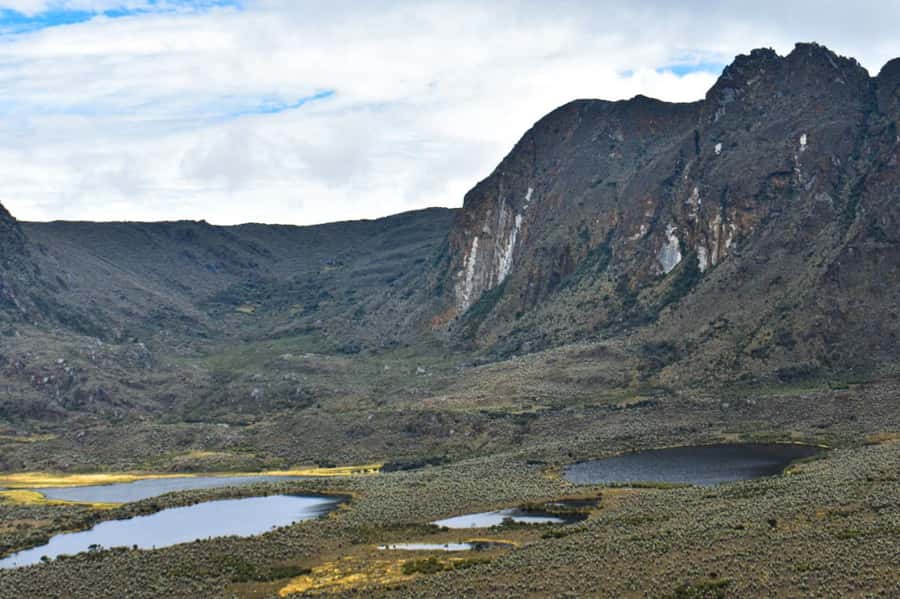
Sumapaz is not a gentle countryside stroll. This is a high, cold, often muddy hike across one of the world’s highest plateaus, with mist sliding over the largest Andean páramo. The rewards are strange and beautiful: tall frailejones, open moorland, water wells, and a sense of being far from Bogotá.
I like two things here. First, the setting is genuinely unusual, not simply another viewpoint outside the capital. Second, the guide adds meaning by explaining Chibcha traditions and why páramos supply and regulate water for the region. The private format also gives you more room to set the pace.
The main caution is altitude. The hike reaches roughly 3,500 to 4,000 meters, or about 13,000 feet, and the trails can be wet and muddy. You need warm, waterproof clothing, sturdy footwear, breakfast before pickup, and enough water and snacks for the day.
Key points to know before you book
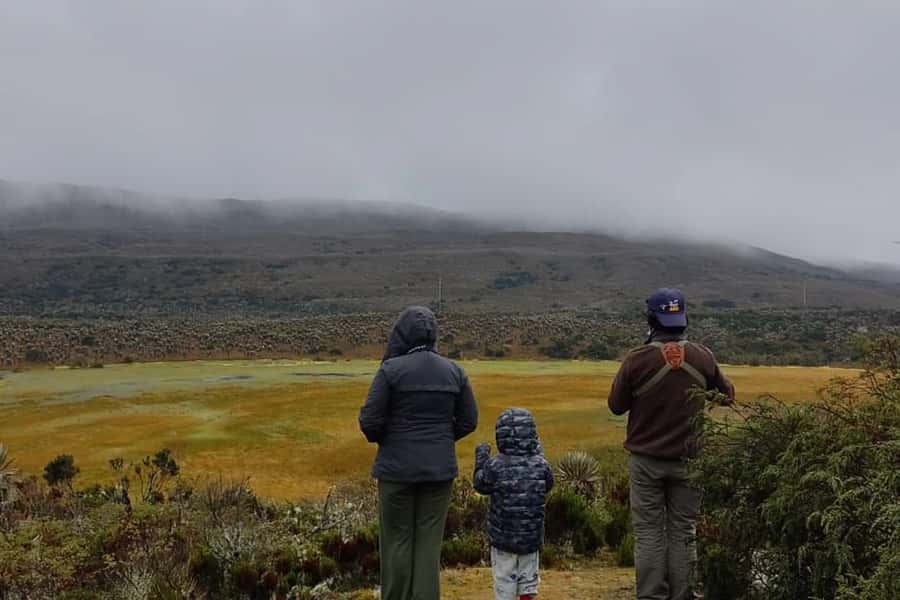
- High-altitude walking: The route reaches about 4,000 meters, so cold, thin air and changing weather are part of the experience.
- A working páramo ecosystem: You see frailejones, mist, water wells and open mountain terrain while learning why this habitat matters to Colombia.
- Private transport and guiding: Hotel, hostel, Airbnb, vacation rental, or point-of-interest pickup in Bogotá is included, along with return transport.
- A cultural layer: Your guide discusses Chibcha myths, pre-colonial traditions, Colombian history and the political pressures facing páramo protection.
- Mud is part of the deal: Waterproof footwear is not included, and the tour operates in all weather conditions.
- Small personal feel: The private-group setup allows a more flexible day than a large coach excursion, though the price is higher than a basic group outing.
Leaving Bogotá for Sumapaz’s high country
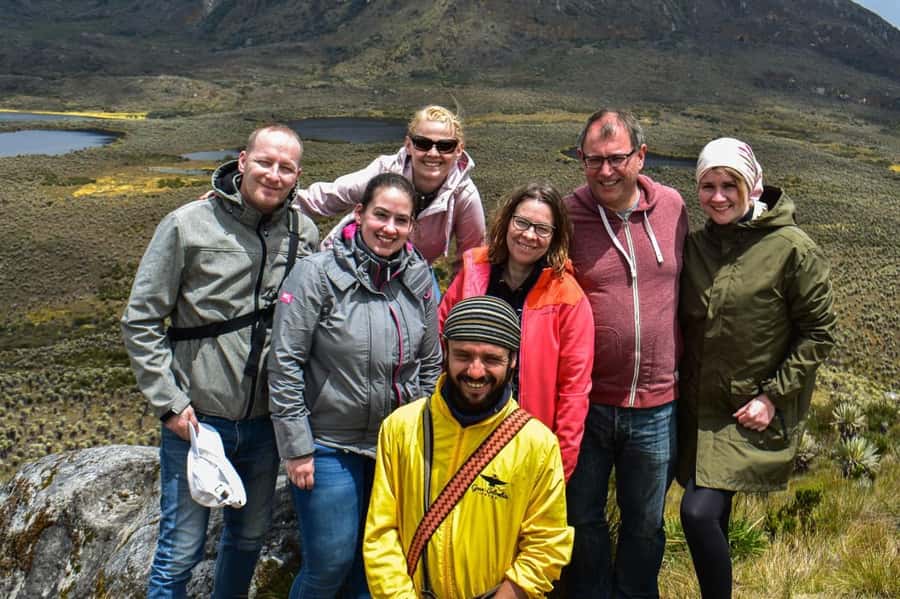
The day begins with pickup at your accommodation or another agreed point in Bogotá. Be ready 10 minutes before the scheduled time. The drive takes you from the city toward the Sumapaz region, where the urban edge gives way to wide mountain country.
The transport matters here. Sumapaz National Park is remote, and this is not an attraction you simply reach by stepping off a city bus. Having pickup and drop-off arranged takes away a major planning chore, especially after several hours of walking at high altitude.
The full experience lasts about eight hours, including transport and the hike. Exact start times depend on availability, so check before booking. Since breakfast and lunch are not included, eat before pickup and pack snacks. That advice is more than a formality. At high altitude, a missed meal can make a demanding walk feel much harder.
The road portion also gives you time to adjust mentally. Bogotá sits at a high elevation already, but Sumapaz takes you much higher, to approximately 3,500 to 4,000 meters above sea level. You should not expect a warm mountain picnic. Think cold air, strong sun, mist, and sudden changes in weather.
A few more Bogota trips to weigh up
- Sumapaz Páramo Private Hike Tour
★ 5.0 · 52 reviews - From Bogota: La Chorrera Waterfall Guided Hike
★ 4.9 · 46 reviews - From Villa de Leyva: La Periquera Hiking Tour
★ 4.5 · 10 reviews
What makes the páramo so unusual
A páramo is a high-altitude ecosystem found in the northern Andes. Sumapaz is especially important because of its size and water systems. The park covers about 178,000 hectares, creating a huge zone of open mountain terrain, wetlands, plants and water sources.
The scenery can look spare at first. There are no dense forests or tropical colors competing for attention. Instead, you get rolling slopes, low vegetation, distant ridges, pools and a veil of cloud that may move across the trail. That simplicity is part of the appeal.
The famous plant here is the frailejón. These tall, woolly-looking plants give the páramo its unmistakable character. They grow in a tough environment and help the ecosystem retain moisture. You may see especially tall specimens along the route, depending on the exact trail and conditions.
Your guide explains why páramos matter beyond their looks. They help store and regulate water, making them important to the stability of the surrounding region. That gives the walk a useful purpose. You are not only looking at unusual plants. You are seeing part of a water system that affects communities, agriculture and city life.
The hike: muddy paths, mist and open views
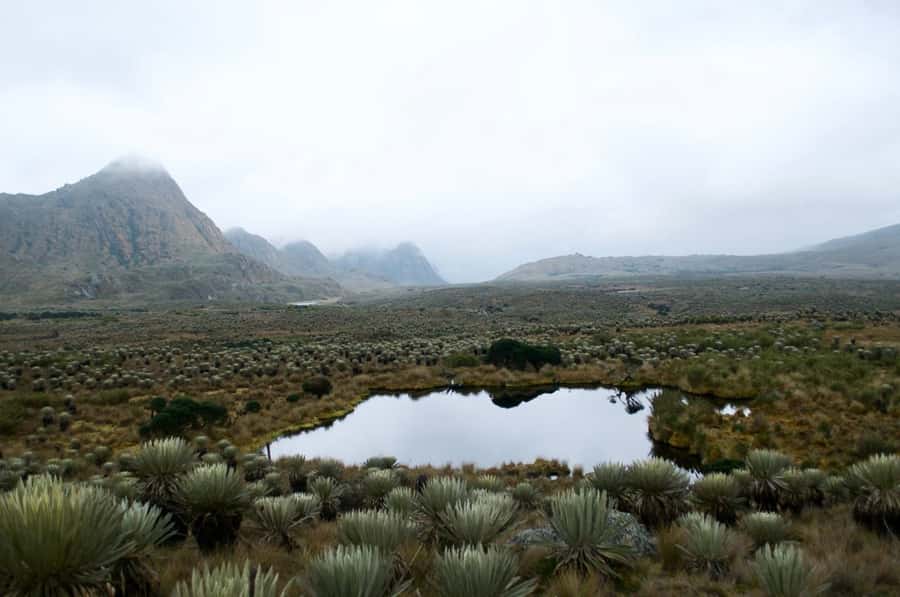
The walking portion begins on the slopes inside the natural park. The supplied description does not promise one fixed mileage or a single named trail, so you should think of this as a guided route shaped by weather, trail conditions and the group’s pace.
Expect mud. This is not a polished park path, and waterproof footwear is specifically excluded. Hiking boots with good grip and water protection are the sensible choice. If your shoes are thin or made for city walking, the trail can quickly become uncomfortable.
The surface is only one challenge. At around 13,000 feet, every uphill section may feel more serious than it would at home. Walk slowly, drink water often, and tell the guide about any health condition during booking. You do not need to prove anything on this outing. A steady pace is better than charging ahead and running out of energy.
The views change with the weather. On a clear stretch, you can look across the Andes and the open slopes. In mist, the scene becomes quieter and more dramatic, with the trail and frailejones appearing and disappearing in the cloud. Both conditions are part of the páramo experience, though clear weather gives you more distant views.
The tour operates in all weather. That means rain gear is not optional. Wear layers that you can adjust, bring a waterproof outer shell, and protect your phone or camera from moisture. Sunscreen is still important. Cold air can make the sun feel weak, but high-altitude exposure can be intense.
Chibcha stories beside a living water source
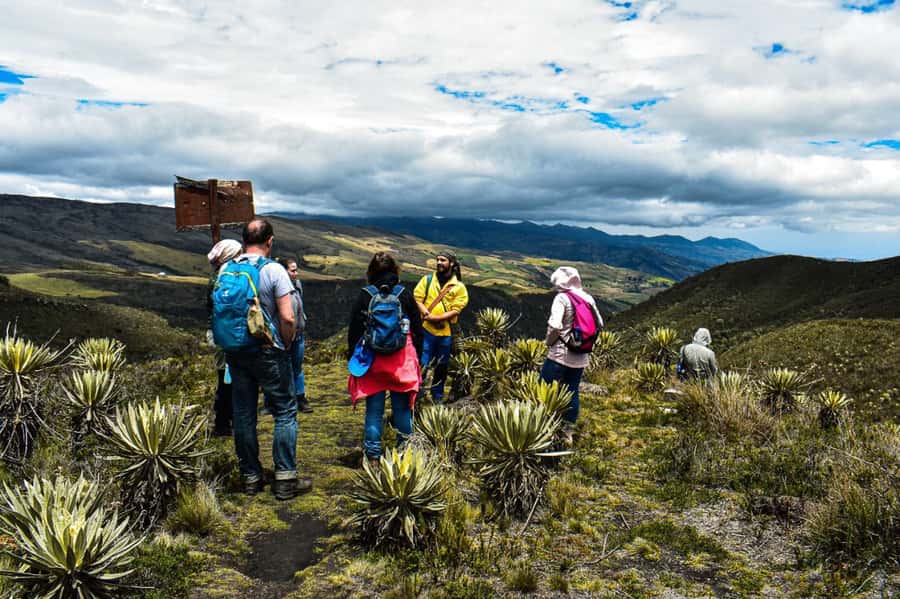
The cultural part gives the hike more depth. Before colonization, Indigenous communities in the region had their own traditions, beliefs and stories connected to the mountains and water. The guide shares Chibcha myths and history as you walk.
This is best understood as an interpretive hike, not simply a nature walk with a few plant names added. The stories help you see the páramo as a place with cultural meaning as well as ecological value. Ask questions as you go, especially if you want more detail about local traditions or Colombian history.
The guide may vary. The English and Spanish service has been led by guides including Liz, Kata, Steven, Emilio, Alexander, Yelitza, Luis and José. You should not book expecting one particular person unless the operator confirms that in advance, but the range of names and languages gives you a useful sense of the guiding setup.
The best guides on this kind of outing do more than point toward a frailejón. They connect the plant, the water and the people who depend on the ecosystem. Emilio, for example, has been praised for explaining Colombian history and the region, while José was noted for staying attentive to the group’s steps and explaining what was in view with patience.
Same city, a completely different kind of day:
- Bogota: Bicycle City Tour
★ 4.9 · 2,156 reviews - Zipaquirá: Salt Cathedral Group Tour with Pickup
★ 4.8 · 1,606 reviews - Bogotá: Guided La Candelaria Walking Tour
★ 4.8 · 1,229 reviews - Bogotá: Private City Tour, Monserrate, Emerald and Botero
★ 4.9 · 798 reviews
Why conservation is part of the route
Sumapaz is not just a scenic stop outside Bogotá. Páramos face social and political pressures because they are valuable for water, farming, mining interests and regional development. The tour introduces those challenges and explains why preservation is important.
You will not get a full university course in environmental policy during an eight-hour outing. What you do get is useful context for understanding the terrain. A muddy slope, a wet hollow and a stand of frailejones become part of a larger question: how can people use mountain regions without damaging the systems that supply water?
That discussion is one of the strongest reasons to choose this tour over an ordinary countryside drive. The guide helps connect the remote setting to daily life in Bogotá and the wider region. The park may feel empty, but its role is very practical.
Some outings to natural areas focus only on photographs. This one asks you to notice why the place exists and what is at stake. That makes the weather and rough trail feel less like inconveniences and more like reminders that this is a functioning ecosystem, not a landscaped attraction.
The private-group advantage
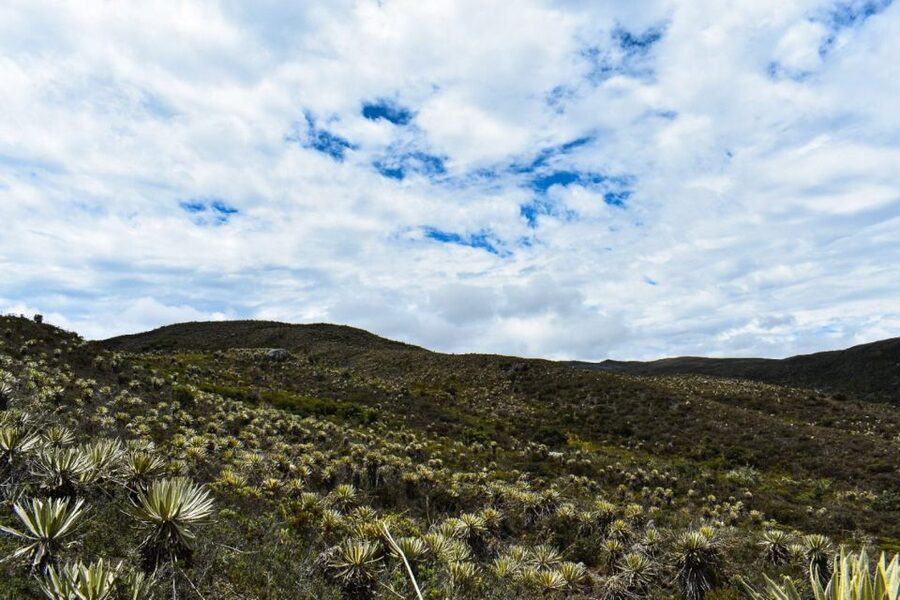
This is a private tour, which changes the feel of the day. You are not tied to the needs of a large mixed group, and the guide can pay closer attention to your pace and questions. That is especially useful at altitude, where people naturally walk at different speeds.
A private group also makes the cultural discussion more worthwhile. You can pause to ask about Chibcha traditions, the plants, the park’s water sources or the political challenges facing páramos. In a big group, those questions often get lost.
The tradeoff is price. At $136 per person, this is not the cheapest way to see mountain scenery near Bogotá. But the fee includes private guiding, hotel pickup and drop-off, park entry, the hike and all-risk insurance. For a remote, full-day outing, those inclusions make the cost easier to justify, particularly if you value a personal guide and door-to-door transport.
You still need to budget for breakfast, lunch, snacks, drinks and waterproof footwear. The price does not cover extra purchases either. If you already have proper hiking gear and are sharing the private booking with companions, the value improves. A solo visitor should compare the convenience and personal attention with less expensive group options.
Food, warmth and the end of the day
After the hike, you return toward Bogotá with tired legs and probably a new appreciation for dry socks. Food is not included, so bring enough for the day. Water and snacks are specifically recommended, and you should keep drinking even when the cold makes you less thirsty.
The local welcome after the walk can vary by guide and route. One outing included a locally made drink and snack, while another ended with arepas and panela tea with guide Bernard and his cat Coco. These touches are not listed as guaranteed inclusions, so treat them as possible extras rather than promises.
They do show the kind of human contact that can make a remote excursion memorable. The mountain walk is the main event, but a warm local drink after mud and wind is a welcome finish. Do not plan your lunch around receiving it, though. Bring your own food.
The return to your hotel is included. That is valuable after eight hours at altitude, when arranging your own transport would be an unnecessary final task. Keep the evening light if possible. The combination of early pickup, high elevation and walking can leave you ready for a quiet night.
Who will enjoy this hike most
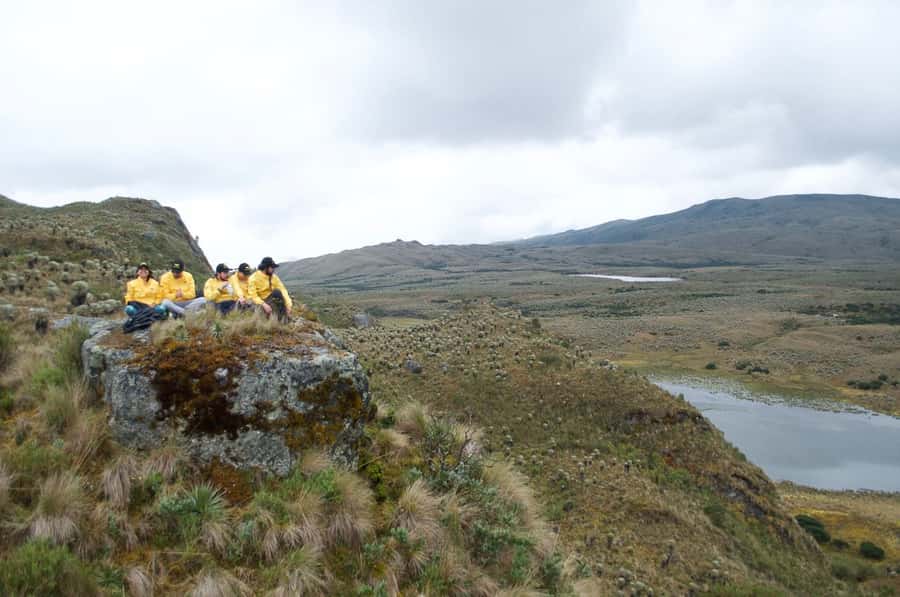
I would choose this tour if you want a serious nature outing rather than a quick photo stop. It suits people who enjoy walking, unusual plant life, wide mountain views and guide-led interpretation. It is also a good match if you want to learn how Colombian environmental issues connect with Indigenous traditions and regional history.
You should be comfortable with basic outdoor conditions. Mud, cold, rain and high elevation are not rare possibilities here. They are central parts of the experience. If you want guaranteed sunshine, paved paths, included meals or a relaxed sightseeing schedule, this is the wrong choice.
Fitness matters, but the tour data does not give a fixed distance or technical difficulty rating. That makes it important to discuss health concerns with the guide when booking. You should also describe any altitude concerns and ask what pace is realistic for the planned route.
The English and Spanish guiding options make the tour workable for many international visitors. The guide names associated with the experience include people praised for humor, patience, regional knowledge and friendly attention. Still, guide assignments can vary, so focus on the service format rather than expecting a specific person.
What to pack for Sumapaz
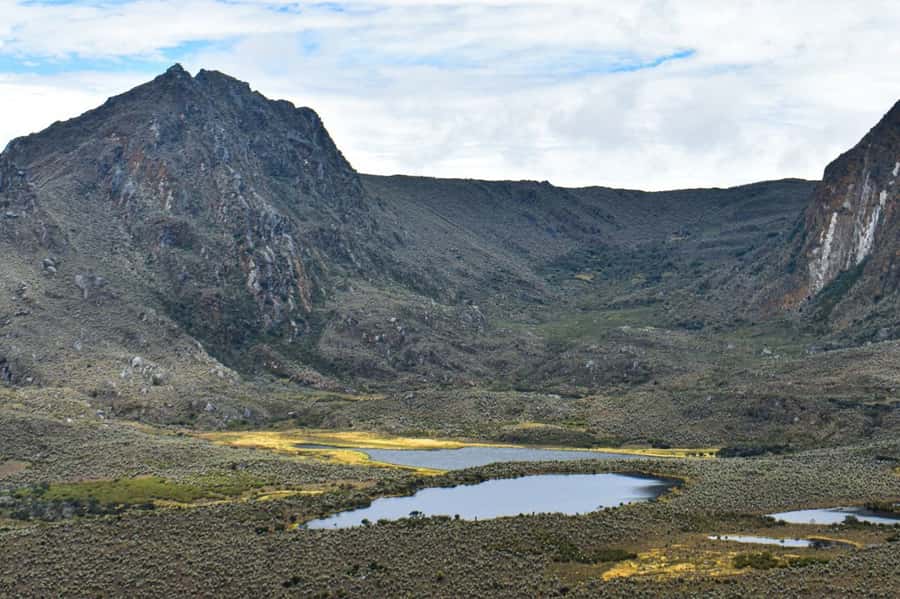
Keep your packing simple but serious:
- Water and snacks for the hike
- Breakfast before pickup
- Warm, weather-appropriate layers
- Waterproof outer clothing
- Waterproof hiking footwear with good grip
- Sunscreen
- A camera protected from rain
- Any personal items you need for high-altitude walking
Do not let the cold fool you into skipping sunscreen. Bring more water than you think you need, and avoid relying on shops or restaurants in this remote area. Since meals and waterproof footwear are not included, those are the two gaps you need to handle yourself.
The guide should be told about health conditions during booking. Be ready 10 minutes before pickup, and dress for rain even if Bogotá begins the morning with clear skies. Weather in the páramo can shift quickly.
Should you book the Sumapaz hike?
Book it if you want one of Bogotá’s more distinctive day trips and you are prepared for real mountain conditions. The combination of frailejones, water wells, mist, Chibcha stories and conservation discussion gives the outing more substance than a standard viewpoint excursion.
The $136 price is fair for a private eight-hour trip with transport, entry, guide and insurance, but it is not a bargain for someone seeking only a short walk. The lack of included meals and waterproof footwear also means you must prepare properly.
My advice is straightforward: choose Sumapaz for its remote páramo setting, not for comfort. Eat first, carry water and snacks, wear proper shoes, and accept that rain and mud may shape the day. If that sounds appealing, this is a strong way to see a rare ecosystem while learning why it matters.
FAQ
How long does the Sumapaz National Park tour last?
The tour lasts about eight hours, including hotel pickup, transportation, the hike and the return to Bogotá.
How high does the hike go?
The route reaches elevations between approximately 3,500 and 4,000 meters above sea level, with the highest point around 13,000 feet.
Is hotel pickup included?
Yes. Pickup and drop-off are included from a hotel, hostel, Airbnb, vacation rental, or point of interest in Bogotá. You should be ready 10 minutes before the scheduled pickup time.
Are meals included?
No. Breakfast and lunch are not included. You should eat breakfast before pickup and bring snacks and water for the remote hike.
What languages are available?
The live guide service is available in English and Spanish.
What happens if the weather is bad?
The tour operates in all weather conditions, so you should bring weather-appropriate clothing and waterproof footwear. You should also use sunscreen and stay hydrated, even when it is cold.
Just added around Bogota
- Paragliding Activity with Transfers from Bogota★ 4.9 · 21 reviews
- Monserrate Express tour 3 hrs★ 4.6 · 6 reviews
- Nemocón Salt Mine Tour★ 5.0 · 3 reviews
- La Chorrera and Chiflon Waterfalls Private Hike Tour★ 5.0 · 7 reviews
- Layover City Tour or Conexion in Bogota★ 4.5 · 5 reviews
- Bogota: Horseback Riding Tour★ 5.0 · 5 reviews
- Guatavita: Tour to Guatavita Lagoon, the Village and Casa Loca★ 4.8 · 19 reviews
- 7-hour City Tour of Historic Bogotá with Monserrate★ 4.7 · 47 reviews
Hiking & Trekking, compared.
Private tour: hiking to the crystalline MELCOCHO river from MEDELLÍN
Read our review →
Salento/Pereira: Cocora Valley & Salento Hiking Private Tour
Read our review →
Guided Hiking through Tayrona National Park and Cabo San Juan
Read our review →
Trekking History and Indigenous Heritage in Minca + Cacao & Coffee + Waterfall
Read our review →
Browse the lists this tour appears in