
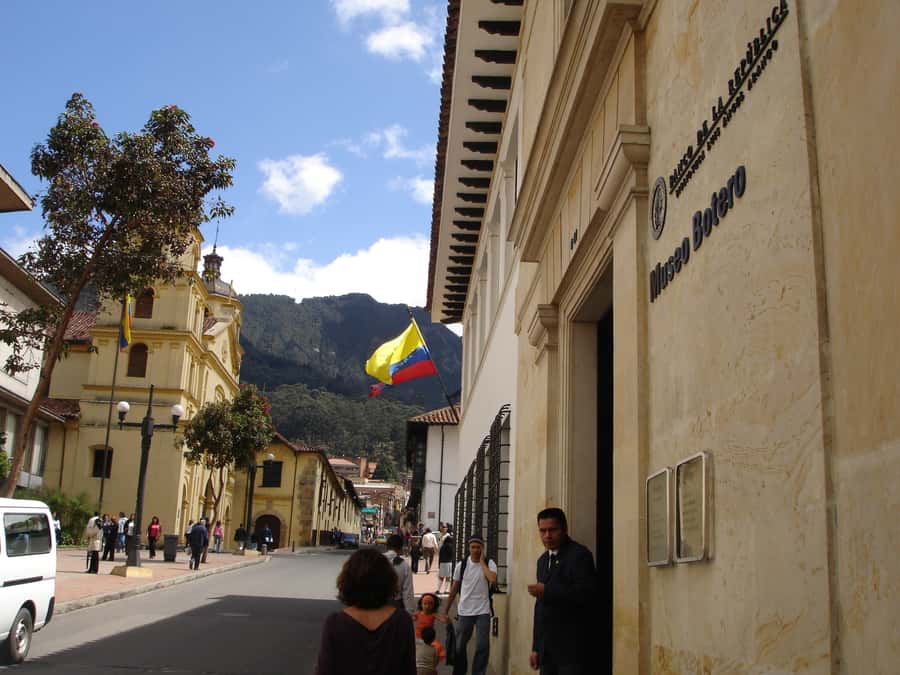
Reviewed · MUSEUMS
Guided Visit to Botero Museum in Bogota
The real draw here is not simply seeing a famous Colombian artist. It is seeing 123 Botero works in one place, then finding out how his plump figures, quiet jokes, and sharp political comments fit together. His private collection adds paintings and sculptures by major European and American artists, so the visit gives you two art experiences for one admission.
I like the private format, since you can ask questions without trying to keep up with a large group. I also like the hotel pickup, which removes one small transport chore in Bogotá. The main catch is the two-hour limit: the collection has 208 pieces in all, and you may need to move at a steady pace if you want to give both Botero and the international artists proper attention.
Key points
- 123 Botero works: See the artist’s rounded figures, still lifes, sculptures, and scenes of Colombian life.
- 208 pieces in total: The museum also holds 85 works from Botero’s personal collection.
- Major names beyond Colombia: Look for works connected with Monet, Renoir, Degas, Pissarro, Picasso, Dalí, Miró, Chagall, Klimt, and others.
- Private two-hour visit: A guide in English or Spanish can shape the tour around your interests.
- Hotel pickup at 10:00: Private transport takes you from your hotel to the museum.
- Plan around Tuesday: The Botero Museum is closed that day.
Why Botero’s rounded figures deserve a closer look
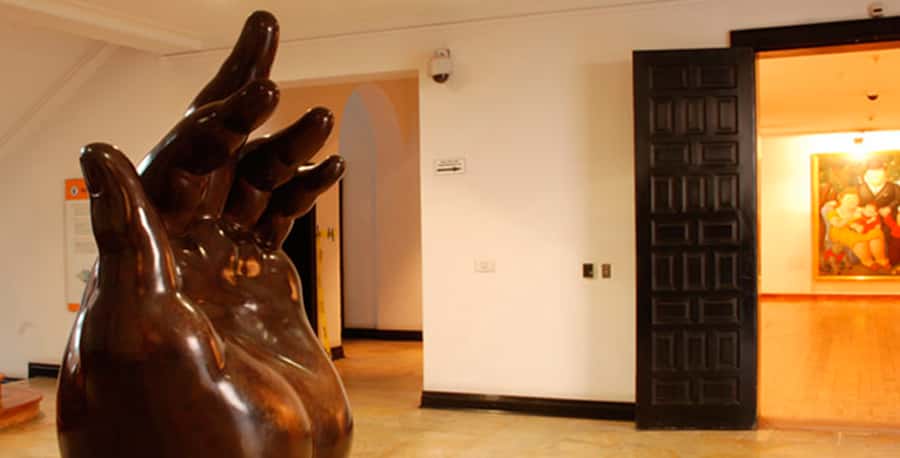
Fernando Botero is best known for people, animals, and objects with exaggerated volume. At first glance, the work can look playful. A broad-faced woman, an oversized fruit bowl, or a rotund military figure may bring a smile before you notice the quieter point underneath.
Botero used this visual language to question power, status, violence, beauty, and everyday life. The large forms are not simply jokes about weight. They create a world with its own scale, where a priest, a soldier, a bullfighter, or a wealthy family can look grand, comic, vulnerable, or absurd.
That is why a guide adds real value here. You can look at a painting for ten seconds and see only the famous style. With context, you may notice the social criticism and the refined humor built into the scene. The private format gives you room to stop and ask why a particular figure looks calm, stiff, proud, or ridiculous.
Botero was born in Medellín and first exhibited his work in 1948. He became a national figure after winning an award at the Salón de Artistas Colombianos in 1958. From 1966 to 1975, he divided his time between Europe, New York, and Colombia, and those years helped shape the international reach of his work.
A few more Bogota trips to weigh up
- Bogotá City Tour with Monserrate, Gold and Botero Museums
★ 4.9 · 584 reviews - Bogotá: City Tour, Monserrate, Gold Museum, Plaza de Bolivar
★ 4.7 · 168 reviews - BOGOTA: City Tour, Monserrate, Gold Museum, Botero Museum, Plaza Bolívar
★ 4.8 · 146 reviews
Entering a collection built as a gift to Colombia
The museum exists because Botero donated a major collection to the Banco de la República in 2000. That donation included 208 works: 123 by Botero and 85 from his own collection of international art.
This matters because the museum is not just a single-artist display. You can follow Botero’s style while also seeing the artists he valued. The layout lets you place his bold, rounded forms beside different approaches to color, composition, portraiture, and sculpture.
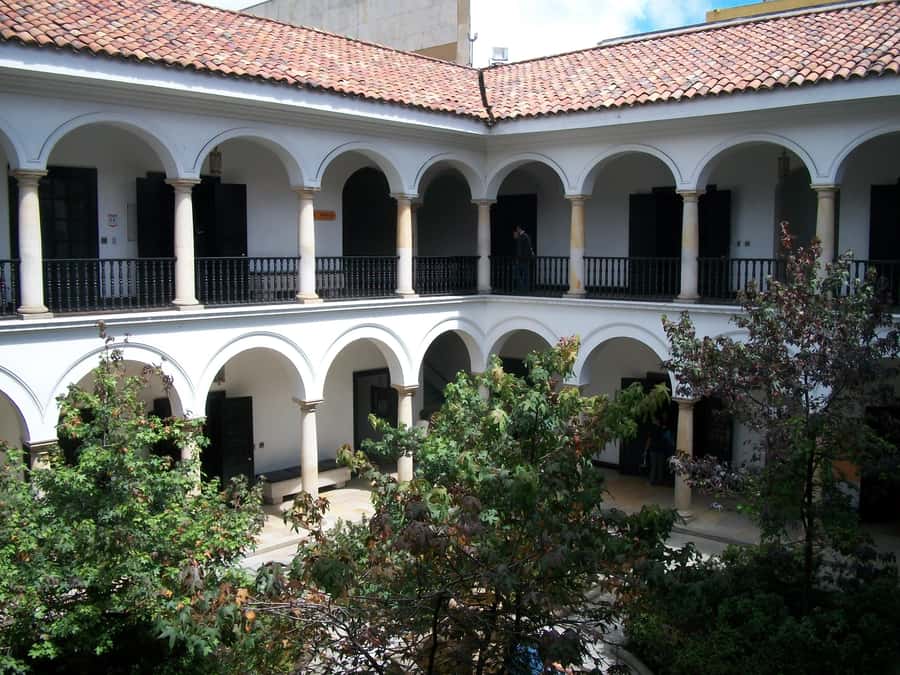
You should allow your guide to explain the museum’s history and architecture as well as the art. The building itself is part of the visit, and understanding why the collection came together makes the rooms feel less like a random group of famous names.
The collection includes 14 Impressionist paintings, with works by Monet, Renoir, Degas, and Pissarro. It also includes four Picassos and pieces by Dalí, Miró, Chagall, Max Ernst, Willem de Kooning, Gustav Klimt, Robert Rauschenberg, Alberto Giacometti, and Alexander Calder.
You should not book this visit expecting a full survey of every one of those artists. Two hours is enough for a clear introduction, but not for a slow study of 208 works. The guide’s job is to choose a useful route and help you understand why the works belong together.
The 10:00 hotel pickup keeps the morning simple
The experience begins with pickup at your hotel at 10:00 in the morning. Private transport is included from the hotel to the museum, which is especially useful if you prefer not to work out the route through Bogotá before your first museum visit.
The pickup is optional in the booking details, so check exactly what arrangement applies to your reservation. If you use the included private transport, you have a direct start rather than meeting a large group at an unfamiliar city address.
The tour lasts two hours. That includes the museum visit, so treat it as a focused introduction rather than a whole morning devoted to the collection. Wear something comfortable and arrive ready to begin on time. The schedule is short enough to fit well into a day of sightseeing, but long enough to cover the central Botero rooms and several international works.
A private group also changes the pace. You can spend longer with a painting that catches your eye, or ask the guide to explain Botero’s political subjects. If your group has mixed art experience, the guide can explain the basics without turning the visit into a lecture aimed at specialists.
The listed guide languages are English and Spanish. When booking, ask about the guide assigned to your visit. Gigio is specifically identified in the booking information, along with a friendly and informative driver, so you may wish to request Gigio if that option is available.
Following Botero from charm to political criticism
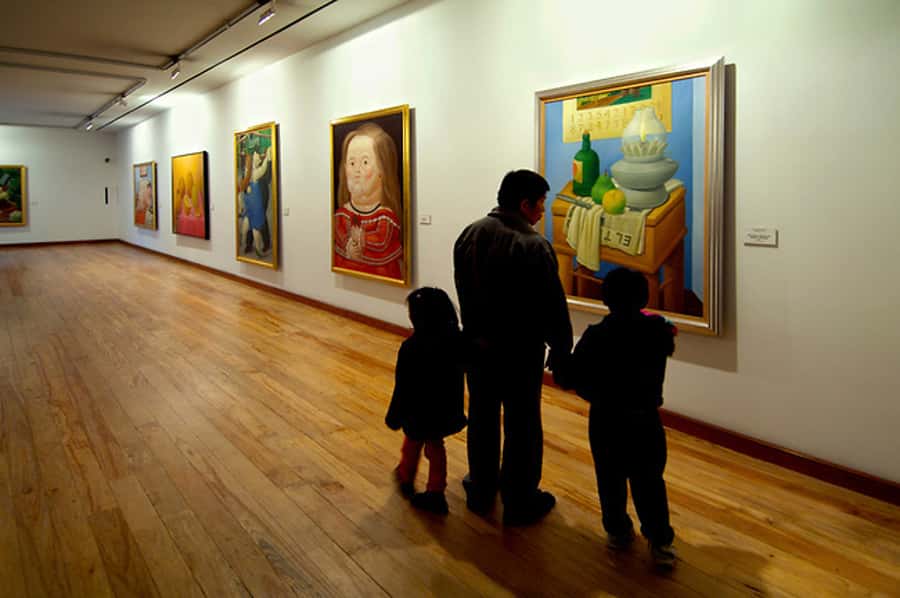
A good visit should move beyond the word chubby. Botero’s characters are immediately recognizable, but the point is not only their shape.
Look at the mood of each scene. A large figure may seem relaxed, but the setting can suggest control or tension. A group portrait may look formal and funny at the same time. A still life can make ordinary objects feel monumental. This contrast between calm presentation and serious subject matter is one of the best things to discuss with the guide.
Botero also used art to address violence and political power. One important story concerns a sculpture called The Bird, which he donated to the city. In 1995, a guerrilla group destroyed it during a street festival, calling Botero a symbol of oppression.
Botero cast a new dove for the plaza but insisted that the remains of the original sculpture stay in place. Together, the damaged and replacement works could represent violence and peace. This story gives you a useful way to understand Botero’s public role in Colombia. He was not just an artist with a popular style. His work could become part of the country’s public debate.
Your guide may connect this story to the political edge in the museum’s collection. The tour does not take you to that plaza, so do not expect to see the original site as part of this activity. Still, knowing the story before you enter helps you read the art with more care.
Same city, a completely different kind of day:
- Bogota: Bicycle City Tour
★ 4.9 · 2,156 reviews - Zipaquirá: Salt Cathedral Group Tour with Pickup
★ 4.8 · 1,606 reviews - Bogotá: Guided La Candelaria Walking Tour
★ 4.8 · 1,229 reviews - Bogotá: Private City Tour, Monserrate, Emerald and Botero
★ 4.9 · 798 reviews
The international collection changes the pace
After seeing several Botero works, the international collection gives your eyes a break. The move from his rounded figures to Impressionist brushwork, Picasso’s changing forms, or Calder’s sculpture can make you notice Botero’s choices more clearly.
The 14 Impressionist works are a particular strength. Monet, Renoir, Degas, and Pissarro each offer a different way to handle light, movement, people, and everyday scenes. You can use these rooms to think about what Botero adopted and what he rejected.
The four Picassos add another useful comparison. Both artists developed instantly recognizable styles, yet their ways of changing the human figure are very different. A guide can help you see those differences without turning the stop into an art-school lesson.
The list also includes Dalí, Miró, Chagall, Ernst, de Kooning, Klimt, Rauschenberg, Giacometti, and Calder. That range is impressive, but it also creates a practical issue. If you stop at every name, two hours will pass quickly.
I would ask the guide at the start to identify the most important works for your group. You can then enjoy a selected route rather than rushing through each room. If you already know Botero well, request more time with the international collection. If Botero is new to you, give his work priority and treat the other artists as a valuable second chapter.
What the private guide adds to a two-hour visit
The strongest part of a private tour is the chance to turn the museum into a conversation. You can ask why Botero’s figures are so large, how his style developed, or how his art relates to Colombia.
The guide can also explain the museum’s architecture and institutional story. That is easy to skip when you visit alone, yet it helps you understand how a national bank became responsible for a major public art collection.
The booking information describes the guides as available in English or Spanish. If language matters to you, select your preference clearly. A private group is especially useful if one person in your party is new to art, since you can ask for plain explanations without worrying about holding up strangers.
Past booking notes specifically praise the guide and driver for being informative and friendly. Another describes the visit as leisurely, informative, and pleasurable. Those comments fit the format: you get a calm museum visit with personal transport rather than a crowded, fixed lecture.
Still, the guide cannot create extra time. Two hours is the firm shape of the activity. If you like to read every label, sketch, or study each painting from several angles, you may prefer to return independently after the tour, if your day allows.
Is $46 a fair price for this museum visit?
The price is $46 per person. That includes entrance fees, a private guide in English or Spanish, and private transport from your hotel to the museum.
For a solo visitor, the cost is not a cheap museum ticket. You are paying for the guide and transport as much as for entry. The value improves for a couple or small private group, especially if you want a clear introduction to Botero without arranging taxis or learning the museum layout on your own.
I would compare this price with your interests. Art lovers who already know Bogotá and feel comfortable reaching the museum themselves may find a self-guided visit more economical. First-time visitors, families, and people with only a short morning may find the added explanation worth the extra cost.
Meals, drinks, personal expenses, and optional activities are not included. The visit ends with time to browse the souvenir shop, but anything you buy there is your responsibility. That small stop can be useful if you want a book, print, or gift linked to the museum, though it should not be treated as a major part of the tour.
The flexible booking terms also help. You can reserve now and pay later, and cancellation is free up to 24 hours in advance for a full refund. Check the exact terms at booking, especially if your Bogotá schedule is still shifting.
Who will get the most from this experience?
This tour suits you if Botero is new to you and you want someone to explain more than the obvious visual joke. It also works well if you have a limited morning and want transport, admission, and interpretation handled together.
Families may appreciate the bold figures and humor, while the guide can add enough context to keep the art from becoming a quick parade of funny shapes. People who enjoy modern and contemporary art will like the international collection, especially the chance to compare Botero with Impressionists, Picasso, and Calder.
It is less suitable if you want a full-day art program or a slow, scholarly examination of every piece. The two-hour format favors a well-chosen overview. You should also avoid Tuesday, when the Botero Museum is closed.
The museum’s subject matter includes political criticism and violence, so the visit is not only light entertainment. That mixture of humor, public debate, and international art is part of its appeal.
Should you book the Botero Museum tour?
Book it if you want a focused private introduction to Botero, especially with hotel pickup and an English or Spanish guide. The 123 Botero works give you plenty to see, while the 85 international pieces add serious artistic context.
Skip it if you are comfortable visiting museums alone, already know Botero’s work well, or want more than two hours inside the collection. In that case, you may prefer to arrange your own visit and set your own pace.
For most first-time visitors with a spare morning in Bogotá, $46 is a reasonable price for private transport, admission, and a guided look at one of Colombia’s most important art collections. Confirm the pickup details, request your preferred language, ask whether Gigio is available, and do not schedule it on Tuesday.
FAQ
How long does the guided Botero Museum visit last?
The tour lasts two hours.
What time does the tour begin?
Hotel pickup is scheduled for 10:00 in the morning.
Where is the meeting point?
The meeting point is your hotel when hotel pickup is arranged.
Is hotel transportation included?
Private transport from your hotel to the museum is included when the pickup service applies. Pickup is listed as optional, so confirm the arrangement when booking.
What languages are available for the guide?
The live guide is available in English or Spanish.
Is this a private tour?
Yes. The experience is offered for a private group.
How many Botero works are in the museum collection?
The collection includes 123 works by Fernando Botero.
Are there works by other artists?
Yes. The full collection includes 85 works from Botero’s private collection, including pieces by Monet, Renoir, Degas, Pissarro, Picasso, Dalí, Miró, Chagall, Ernst, de Kooning, Klimt, Rauschenberg, Giacometti, and Calder.
Is the museum open on Tuesday?
No. The Botero Museum is closed on Tuesdays.
What is included in the $46 price?
The price includes entrance fees, an expert guide in your chosen language, and private transport from your hotel to the museum. Meals, drinks, personal expenses, and optional activities are not included.
Just added around Bogota
- Paragliding Activity with Transfers from Bogota★ 4.9 · 21 reviews
- Monserrate Express tour 3 hrs★ 4.6 · 6 reviews
- Nemocón Salt Mine Tour★ 5.0 · 3 reviews
- La Chorrera and Chiflon Waterfalls Private Hike Tour★ 5.0 · 7 reviews
- Layover City Tour or Conexion in Bogota★ 4.5 · 5 reviews
- Bogota: Horseback Riding Tour★ 5.0 · 5 reviews
- Guatavita: Tour to Guatavita Lagoon, the Village and Casa Loca★ 4.8 · 19 reviews
- 7-hour City Tour of Historic Bogotá with Monserrate★ 4.7 · 47 reviews
Museums, compared.
Bogotá City Tour with Monserrate, Gold and Botero Museums
Read our review →
City Tour, Monserrate, Gold Museum, Plaza de Bolivar
Read our review →
City Tour, Monserrate, Gold Museum, Botero Museum, Plaza Bolívar
Read our review →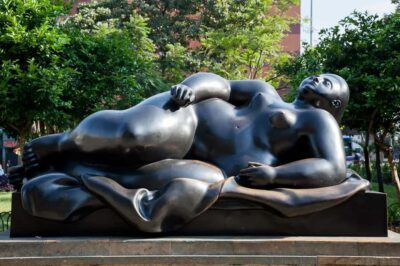
Walking Tour Cartagena Old City with Gold Museum and Plaza de Bolivar
Read our review →
Pablo Escobar Tour incl. museum & transportation
Read our review →
Cristo Rey, Tertulia Museum & Downtown Cali City Tour
Read our review →Browse the lists this tour appears in