
Reviewed · MEDELLIN TOURS
Medellin: Learn to make Colombian empanadas from scratch
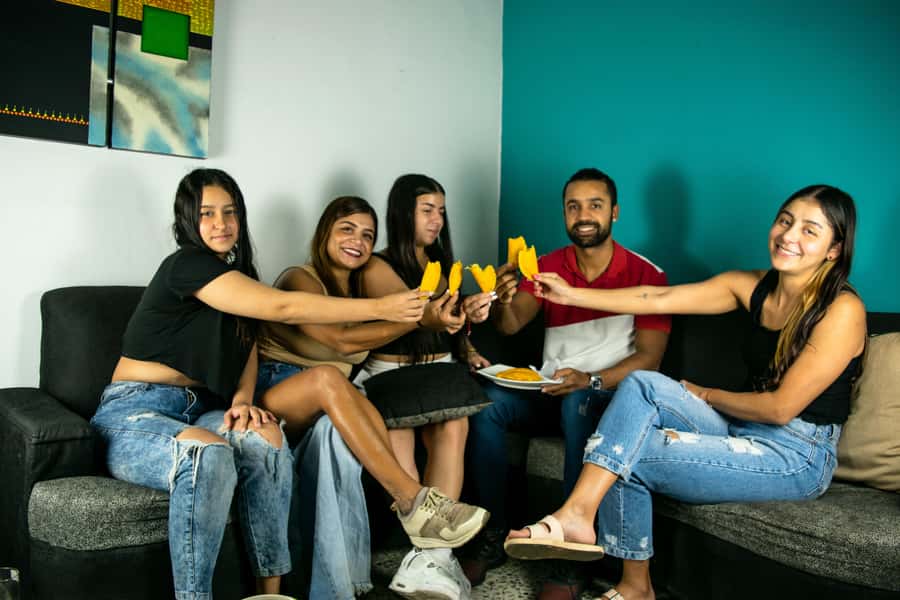
The most rewarding part of this Medellín food experience is not simply eating a hot empanada. It is working in a Colombian family home, learning the practical steps by hand, and seeing how a familiar everyday food comes together. The two sisters who lead the class cook as a team, with one described as the empanada genius, and their easygoing approach helps beginners relax quickly.
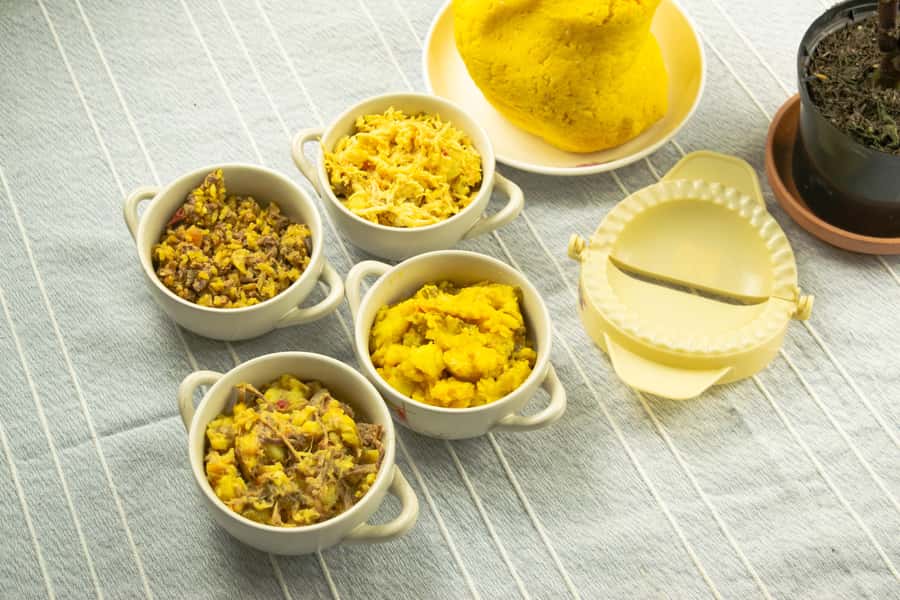
I like the small group limit of nine, which gives you room to practice rather than watch from the back. I also like the choice of fillings: meat, chicken, a monthly special, or vegetarian options such as mushrooms, corn, cheese, and potato with hogao. The main consideration is that this is a home-based lesson, not a polished restaurant class, so you should come ready for a friendly, informal setting.
Key points to know before you book
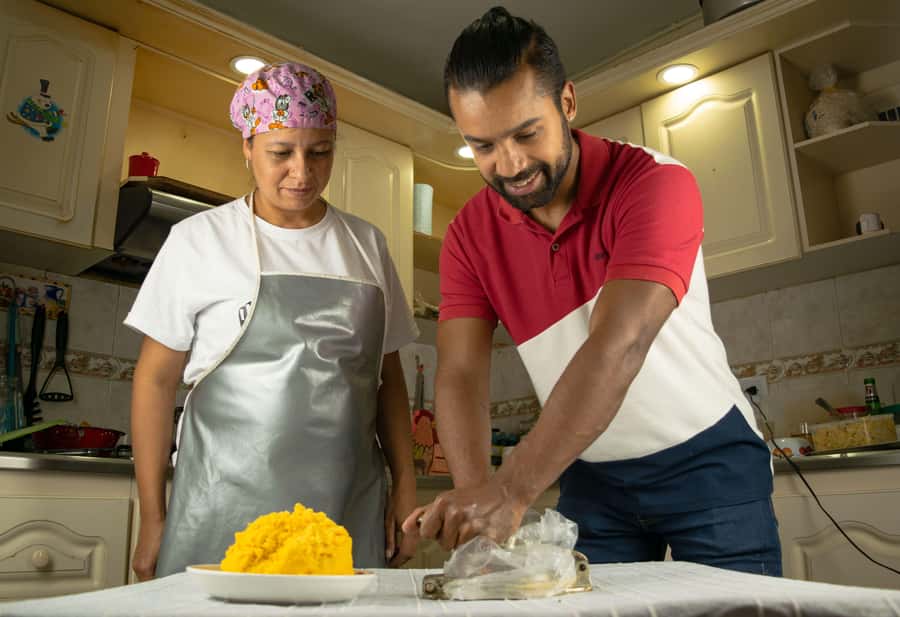
- You make the empanadas yourself: The class is hands-on from preparation through cooking, not a demonstration followed by a prepared meal.
- The setting is a Colombian home: Meeting at Casa 201 gives the meal a personal, local feel that a commercial kitchen cannot easily match.
- Fillings can suit different diets: Meat, chicken, a changing special, mushrooms, corn, cheese, and potato with hogao are listed choices, with vegan options available.
- The class lasts 150 minutes: You have enough time to hear the background, prepare food, practice shaping, cook, and eat without rushing.
- Instruction is in English: The hosts also speak some Portuguese, which may help some participants in the group.
- The group stays small: With no more than nine participants, you should get useful guidance and plenty of time at the work surface.
Why a simple empanada makes a good Medellín class
Empanadas are an excellent way to get a feel for Colombian home cooking because they combine basic ingredients with a few techniques that are easy to remember. You work with dough, filling, folding, and cooking, then eat the result while the process is still fresh in your mind.
That matters more than a long talk about food. When you shape your own empanada, you notice the texture of the dough and the amount of filling that fits inside. You also learn that the best result comes from balance. Too much filling can make the pastry difficult to close, while too little leaves you with more dough than flavor.
The class begins with a local welcome drink, followed by a short history of empanadas. This opening gives the food a place in Colombian daily life without turning the session into a lecture. You then move into preparation, cooking, and the best part for most people, sitting down to eat what you made.
I would not book this expecting an advanced chef’s course. The value is in meeting local hosts, handling the food yourself, and sharing a meal in a family setting. If you want technical training at a professional culinary school, this may feel too relaxed. If you want a personal introduction to Colombian food, it fits well.
Other Medellin days worth booking alongside this:
- Medellin: Comuna 13 Graffiti Tour, Cable Car & Street Food
★ 4.8 · 9,046 reviews - Medellín: The Real Pablo Escobar Tour
★ 4.8 · 3,205 reviews - Medellín: Comuna 13 True Story and Street Food Tour
★ 4.9 · 1,779 reviews
Arriving at Casa 201
The meeting point is Casa 201. The provided details do not include hotel pickup or transportation, so you should plan to make your own way there and confirm the exact meeting instructions when booking.
The setting is part of the appeal. You are welcomed into a family home rather than brought into a large cooking venue built mainly for tour groups. That makes the class feel closer to an invitation to cook with local people than a standard scheduled attraction.
A home setting also means you should keep your expectations practical. The kitchen is described as well equipped, and the group is limited to nine, but this is still a working home. You may find the atmosphere more relaxed and personal than perfectly staged. For many people, that is exactly the point.
The hosts are sisters who cook together. One handles the empanada craft, while the other helps create a friendly, organized class. Their teamwork is a useful part of the experience because you get both instruction and encouragement as you work.
The welcome drink and first taste of Colombian hospitality
Your first step is a local welcome drink. It is a small detail, but it sets the tone for the two and a half hours ahead. You are not simply arriving at a counter, receiving instructions, and leaving with food. The class starts with a social welcome.
The hosts place emphasis on sharing with people from different backgrounds. That makes this a good choice if you are curious about daily life in Medellín and want more than a quick food stop. Conversation is part of the experience, although the formal instruction is in English.
The class information says the hosts speak some Portuguese as well. English is the listed activity language, so English-speaking participants should be able to follow the lesson. If you speak Portuguese, you may find an extra point of connection, but you should not assume full Portuguese instruction.
This part may be especially useful for solo participants. A small cooking group gives you a natural reason to talk with other people, and the shared meal at the end keeps the mood relaxed. Families and couples can also take part together without needing previous cooking skills.
A short history before you start cooking
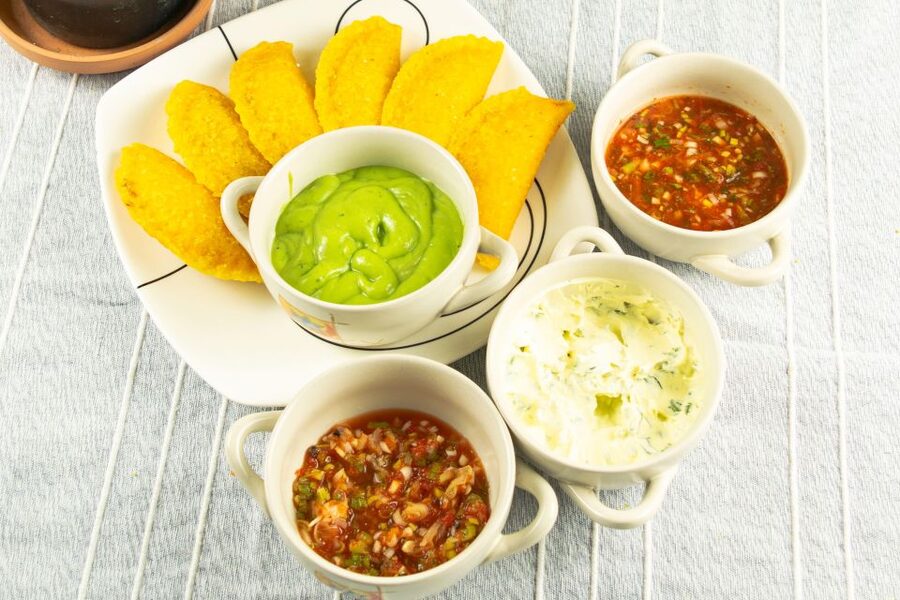
The empanada introduction is brief, which is the right choice for this format. You learn where the dish fits into Colombian food culture before moving on to the practical work.
The useful part is the link between the background and the food in front of you. Instead of hearing a general story and then walking away, you immediately use the ingredients and methods that have just been explained. This helps the information stick.
Do not expect a detailed academic account of every version of the empanada found across Colombia. The activity promises a brief history, not a full regional food seminar. Its purpose is to give context to the cooking and make the meal feel connected to local habits.
I like this balance. Two and a half hours can pass quickly when a group is preparing food, and too much explanation would cut into the hands-on time. Here, the history works as an introduction rather than the main event.
Same city, a completely different kind of day:
- Medellín: Comuna 13 District Tour with Cable Car Ride
★ 4.8 · 1,467 reviews - Medellin: Coffee Tour with Transport, Snacks and Tastings
★ 4.7 · 1,357 reviews - From Medellín: Paragliding Tour with GoPro Photos & Videos
★ 4.9 · 1,210 reviews - Tour Guatapé
★ 5.0 · 865 reviews
Choosing your filling at the worktable
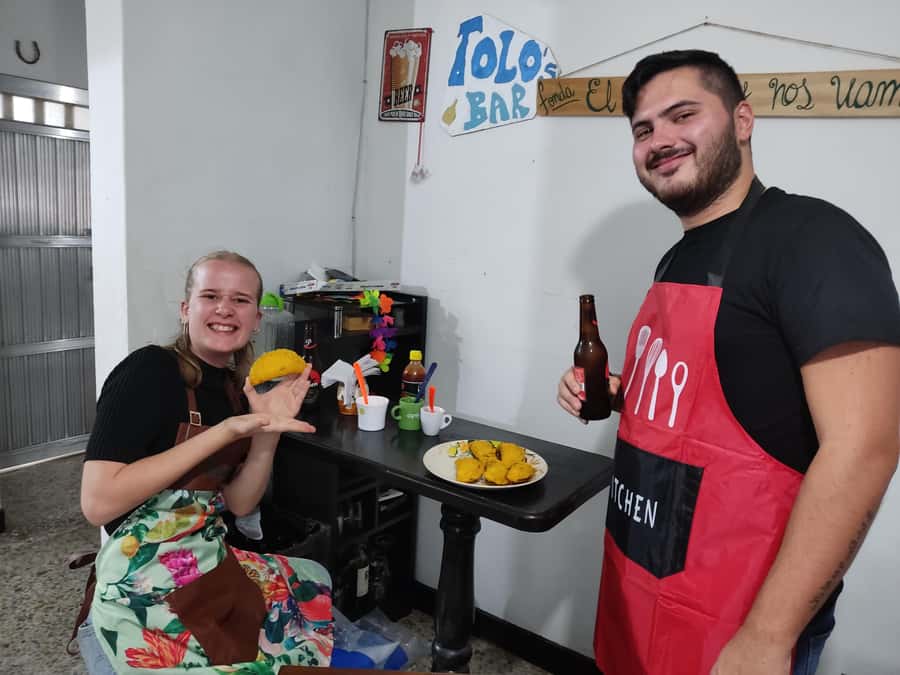
The filling choice is one of the strongest practical features of the class. You can select from meat, chicken, and a special filling that changes each month. That changing option gives repeat visitors a reason to come back, although the exact monthly choice is not specified in advance.
Vegetarians have mushrooms, corn, cheese, and potato with hogao. Hogao is a Colombian-style tomato and onion sauce, and the potato version gives you a chance to try a filling with a more traditional home-cooking feel. Vegan options are also available, though you should explain your dietary needs before you begin so the hosts can guide you toward suitable ingredients.
This variety makes the class work for mixed groups. One person can choose meat, another can select cheese or mushrooms, and everyone can still cook side by side. You do not have to settle for a single fixed menu chosen by the host.
The listing says ingredients are used according to your preference. Still, food sensitivities and strict dietary requirements deserve clear communication before the activity. The information confirms vegetarian and vegan choices, but it does not provide a full allergen policy.
Making the dough, filling, and folded shape
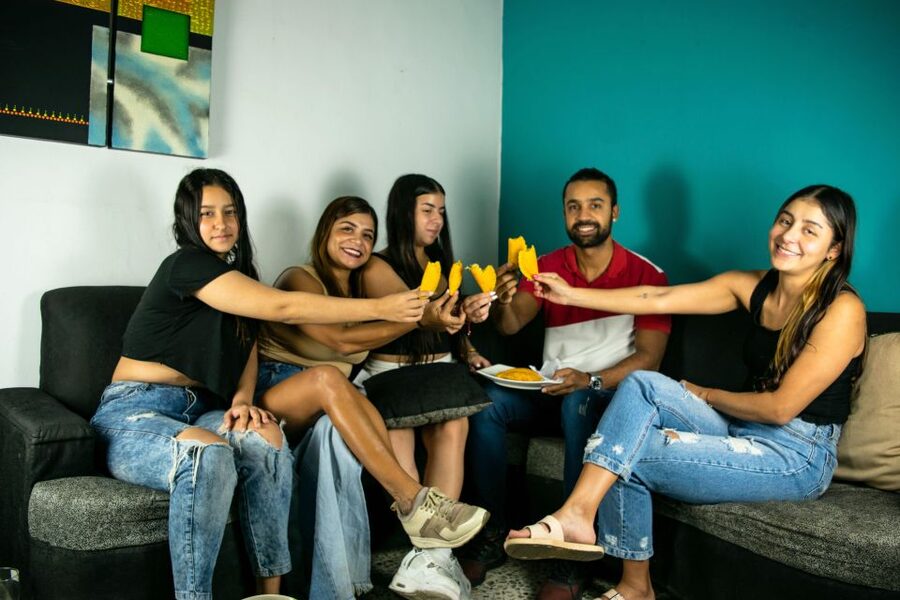
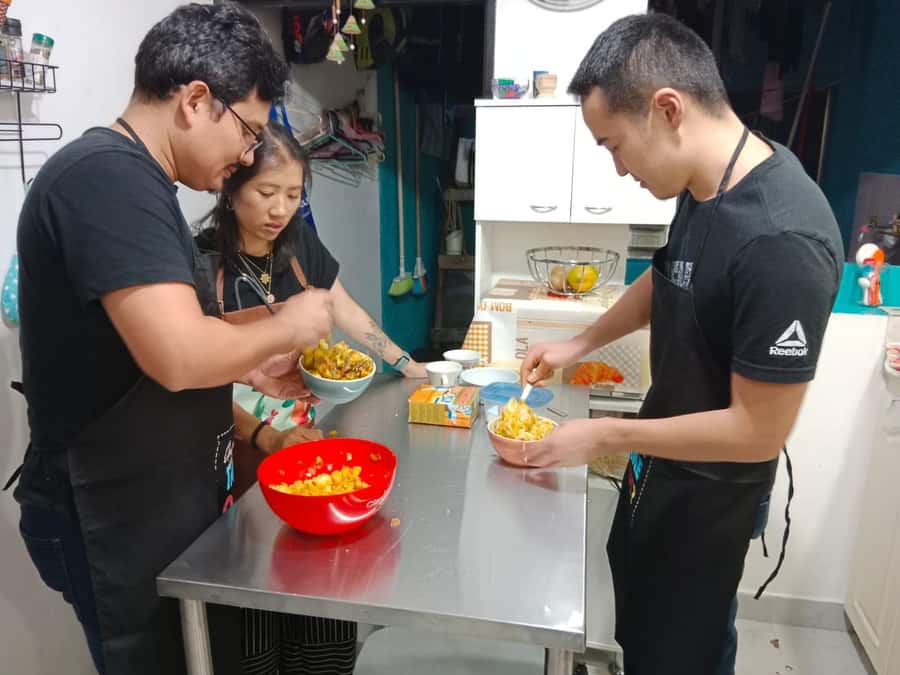
The heart of the class is preparation. You make the empanadas with your own hands, working alongside the host rather than watching her do everything. That distinction matters. A demonstration can be entertaining, but it does not teach you much about how the dough feels or how much filling to use.
The class is designed for ordinary people, not experienced cooks. A family of four took part alongside one other participant and everyone stayed involved, which suggests the format works well for different group sizes and skill levels. The hosts are there to explain each step and help you correct mistakes.
You should expect some practice. Folding a neat empanada may take a few attempts, and the first one may not look like the last. That is part of the fun, not a sign that you are doing badly. The hosts are described as kind and encouraging, with enough time to practice and improve.
The activity does not list a recipe booklet or take-home instructions. If you want to repeat the dish later, pay attention to the order of the steps and ask questions while you cook. This is a useful class to remember through technique rather than printed material.
Cooking your own empanadas
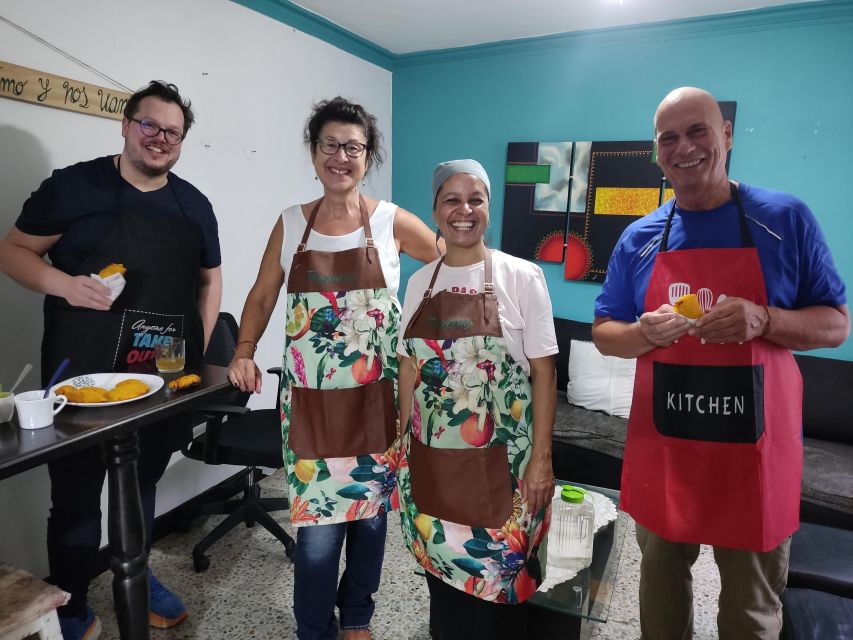
Once the empanadas are prepared, you move to cooking. The precise cooking method is not stated in the available details, so I would not promise a particular style of stove, pan, or fryer. What is clear is that the class includes the cooking stage, not just preparation.
This is where the lesson becomes a meal. You see how your folded dough changes during cooking, then get to taste the result while it is fresh. For first-time cooks, that immediate payoff makes the session feel satisfying.
The hosts guide the process, which is important in a small home kitchen. You can focus on learning instead of guessing when a piece is ready. The class is also long enough to allow some experimentation with different flavors, and one participant was able to make enough extra empanadas to take some home.
That possibility may depend on how much the group prepares and how the session unfolds, so do not book it expecting a guaranteed takeaway box. The confirmed promise is that you prepare, cook, and eat empanadas during the class.
Sitting down to eat what you made
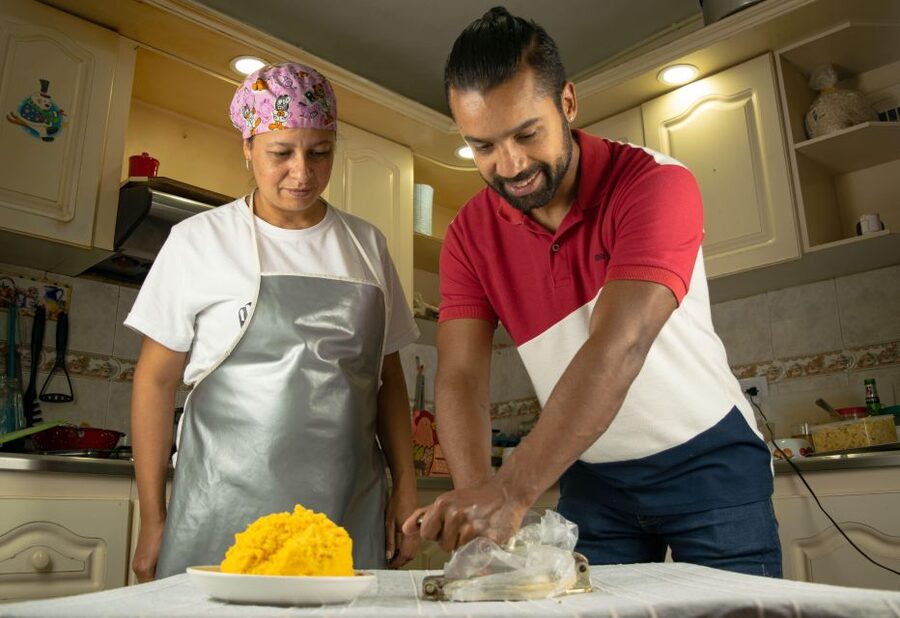
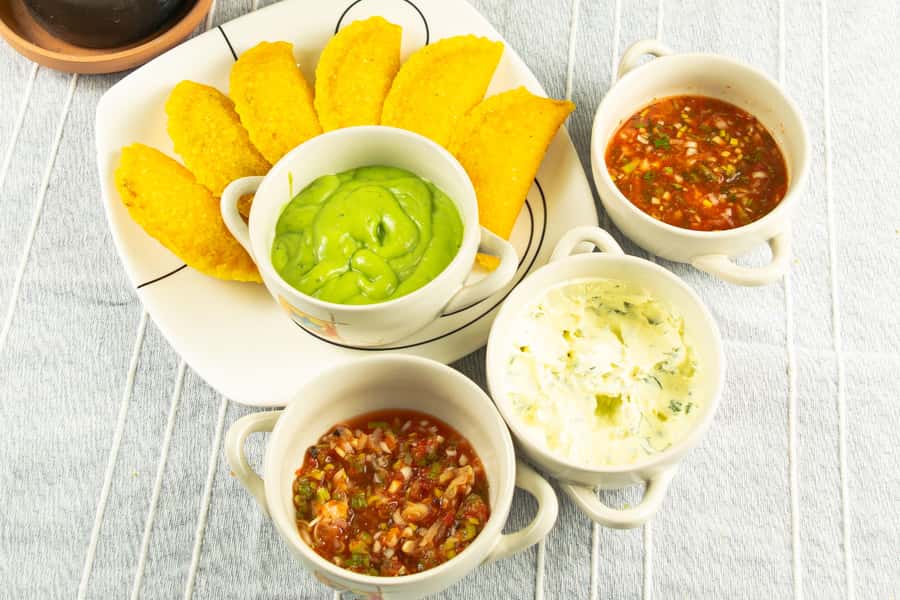
The final stage includes another drink and time to enjoy the empanadas. This is more than a reward for finishing the work. Sitting down together gives you a chance to compare fillings, talk with the sisters, and let the cooking lesson turn into a shared meal.
I especially like this part for visitors who want a human connection in Medellín. A restaurant can serve you a good empanada, but it cannot offer the same insight into how a local family prepares and shares the food at home.
The food itself is likely to taste better because you were involved in making it. That is not just sentiment. You have handled the ingredients, made choices about the filling, and watched the pieces cook. You understand the work behind the snack, which changes how you notice the texture and seasoning.
Portions are not specified, so I would view this as a substantial tasting and meal experience rather than a guarantee of a large dinner. Come with a good appetite, as the hosts recommend, but do not assume the class replaces every other meal plan that day.
What the $56 price means
At $56 per person, this class costs more than buying a few empanadas from a street vendor. That comparison is fair, but incomplete. You are paying for 150 minutes of instruction, a welcome drink, the ingredients, cooking guidance, another drink, and the chance to spend time in a local home.
The price makes the most sense if you value participation. If you only want to taste Colombian empanadas, you can do that more cheaply elsewhere. If you want to learn how they are prepared and share the process with local hosts, the fee covers a much fuller afternoon.
The small group helps support the value. A nine-person maximum means the class is not built around moving a large crowd through a kitchen. You have a better chance to ask questions, get help with folding, and stay involved from start to finish.
I would also consider the cultural side of the price. You are supporting a family-run activity led by sisters who cook at home and enjoy sharing their food with people from different backgrounds. That makes the cost reasonable for visitors who place a high value on personal contact.
Who will enjoy this class most
This is a good pick for first-time cooks. The instruction is described as clear, and the hosts make the work easy to follow. You do not need to arrive with professional skills or a strong knowledge of Colombian cuisine.
It also suits families. A family of four took part successfully, and the small group allowed everyone to stay active. Children’s ages are not specified, so parents should confirm suitability for younger children before booking.
Vegetarians and vegans have more flexibility here than in many fixed-menu food activities. You can choose mushrooms, corn, cheese, or potato with hogao, and vegan options are stated to be available. Be direct about your needs ahead of time.
Solo participants and couples should also find the setting welcoming. You will share the cooking space with a small number of people and have a natural way to meet others. Portuguese speakers may appreciate that the hosts speak some Portuguese, but English is the formal language listed for the class.
This is less suitable if you dislike home-based activities, prefer a tightly timed professional kitchen, or want a long cultural lecture. It is also not the right choice if your main goal is a broad tour of Medellín, since the focus stays on empanadas, food preparation, and conversation.
Timing, cancellation, and practical planning
The activity lasts 150 minutes, so set aside a full two and a half hours. Starting times depend on availability, and you should check the schedule before choosing a day.
You can cancel up to 24 hours in advance for a full refund. The reserve-now-and-pay-later option also gives you some flexibility while your Medellín plans are still changing.
Bring good spirits, a smile, and an appetite. The activity information does not list transport, hotel pickup, special equipment to bring, or a dress code. Since you are cooking in a home, comfortable clothing is a sensible choice, but that is practical advice rather than a stated rule.
The meeting point is Casa 201. Make sure you have the exact address and arrival instructions before setting out, since no further location detail is provided.
Should you book the Medellín empanada class?
Book it if you want a hands-on food lesson with real local contact, especially if you are traveling with family, enjoy cooking, or want a relaxed way to meet people in Medellín. The sisters’ teamwork, the small group, and the choice of fillings give the class a personal feel.
Think twice if you only want a quick snack, need a highly formal culinary course, or prefer an activity with a packed sightseeing schedule. The appeal here is the time spent in the kitchen and around the table, not the number of attractions checked off.
At $56, the class is good value for someone who wants to make Colombian food rather than simply buy it. You leave with a better sense of the dish, new cooking practice, and an afternoon spent with welcoming local hosts. For many visitors, that is a more lasting memory than another meal eaten anonymously.
FAQ
How long does the Colombian empanada class last?
The activity lasts 150 minutes, or two and a half hours.
Where does the activity meet?
The meeting point is Casa 201.
How much does the experience cost?
The price is $56 per person.
Is the class taught in English?
Yes. English is the listed instructor language.
Do the hosts speak any other languages?
The hosts speak some Portuguese in addition to English.
What fillings are available?
The choices include meat, chicken, and a special filling that changes each month. Vegetarian options include mushrooms, corn, cheese, and potato with hogao.
Can vegans take part?
Yes. Vegan options are available. Explain your dietary needs before the class so the hosts can guide you to suitable ingredients.
Is this a small-group activity?
Yes. The group is limited to nine participants.
Can I cancel the booking?
Yes. You can cancel up to 24 hours in advance for a full refund. You can also reserve now and pay later.
Just added around Medellin
- Tour Guatapé con visita a Granja de las Llamas y las Alpacas★ 3.5 · 11 reviews
- Medellín: Flower Farm & Silletero History Tour★ 4.3 · 23 reviews
- Shared Tour to Comuna 13 & Aurora Cable Car in Medellin★ 5.0 · 4 reviews
- Shared Tour Medellin’s Violence & Post-conflict after Pablo★ 4.1 · 3 reviews
- Comuna 13 Neighborhood & Street Art Private Tour★ 4.7 · 12 reviews
- From Medellín: El Retiro Private Tour with Food Tastings★ 4.4 · 8 reviews
- Medellin: Private 3-Hour Pablo Escobar Tour★ 4.8 · 37 reviews
- Medellín: Private Pablo Escobar and City Tour★ 4.6 · 24 reviews
Medellin Tours, compared.
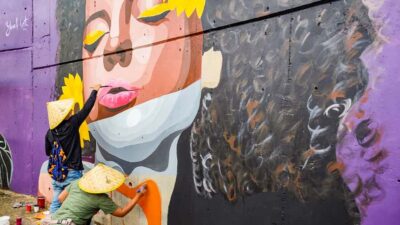
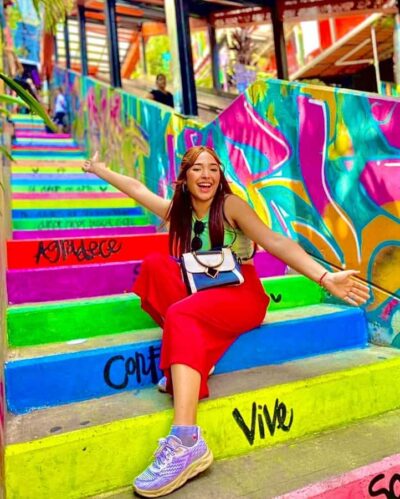
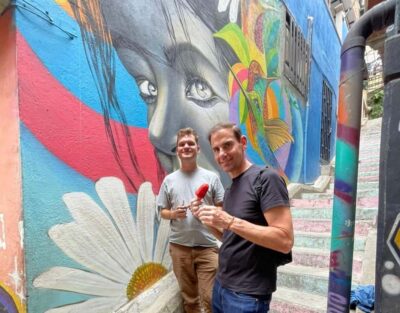
Comuna 13 Graffiti Tour, Cable Car & Street Food
Read our review →
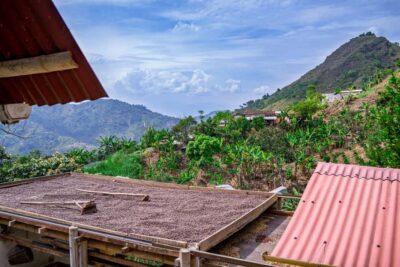
Coffee Tour with Transport, Snacks and Tastings
Read our review →
Browse the lists this tour appears in