
Reviewed · CALI SALSA TOURS
The Cali Salsa Tour
Cali’s salsa story comes alive through music, food, and movement on this half-day tour. You start beneath the golden trumpets at Plazoleta Jairo Varela, learn why Grupo Niche matters, taste local snacks, and finish with a serious dance class at La Topa Tolondra.
I like the way the tour connects polished city sights with the neighborhood where Cuban music helped shape Cali’s own salsa style. I also like the personal touch: guides such as Juan Camilo and Vivi have been praised for making the day feel flexible and friendly.
The one caution is time. At 330 minutes, with two museums and a two-hour class, this is not a quick introduction. If you do not speak Spanish, some of the Museo de la Salsa talk may feel long, even with an English-speaking guide.
Key points to know before you book
- The golden trumpets are your starting landmark: Meet at Plazoleta Jairo Varela, where the large Niche trumpet monument is easy to spot.
- You visit two very different museums: Museo Jairo Varela focuses on Grupo Niche, while Museo de la Salsa traces Cali’s wider musical story.
- The food stop is part of the experience: Try fritanga, lulada, champús, or cholado rather than treating the break as an afterthought.
- The final class is substantial: La Topa Tolondra provides two hours of salsa instruction, not just a short demonstration.
- The tour works for all dance levels: The opening class welcomes beginners through advanced dancers.
- Bring dance-ready clothes: Comfortable shoes matter, especially once the museum dancing and nightclub class begin.
Why this tour works for first-time visitors to Cali
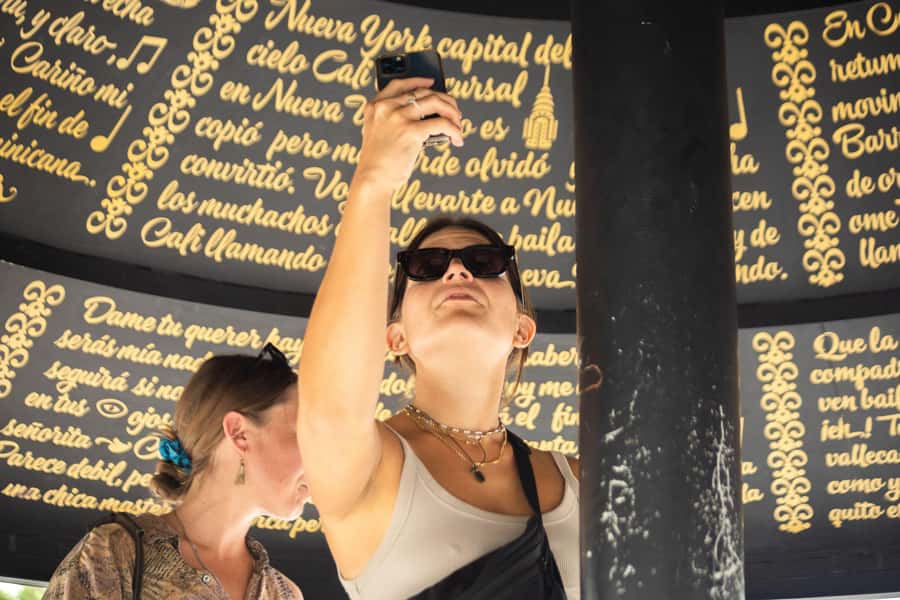
Cali can be hard to understand if you only visit its landmarks. Salsa is not simply evening entertainment here. It connects music, migration, neighborhood identity, local food, and the city’s distinctive dance style.
This tour gives you a useful sequence. First, you learn the public story of Cali salsa at the trumpet monument. Then you see the career of Grupo Niche through the Museo Jairo Varela. After a taste of local food, you move into Barrio Obrero, where the older salsa tradition feels more rooted in community life. The day ends with practice, so you are not only hearing about the dance. You are trying it.
I especially like that the experience includes both a museum class and a nightclub class. The first helps you understand the music and setting. The second gives you more time to work on steps with teachers at La Topa Tolondra.
This is also a good choice if you want company during your first salsa outing. It brings you to a known club with a guide, and the tour is designed as a social experience where you can meet local people and other visitors.
More Cali Salsa Tours in Cali:
- Historical Shared Tour Salsa, Graffiti & Resistance in Cali
★ 5.0 · 107 reviews - Shared Tour Cali’s Salsa, Graffiti & Resistance Experience
★ 4.8 · 53 reviews - Friday Salsa Pub Crawl in Cali
★ 4.9 · 23 reviews
Meeting beneath the Niche trumpets
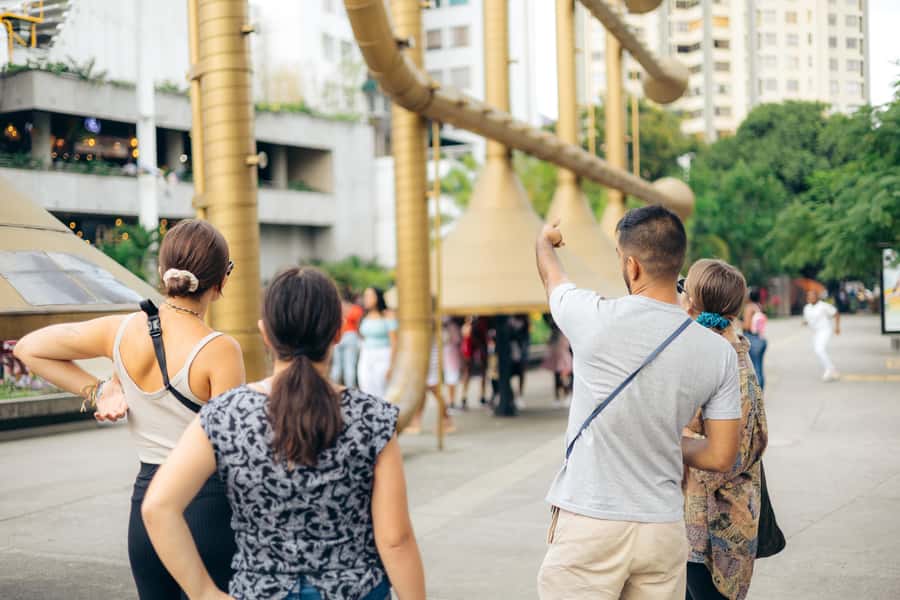
The meeting point is Plazoleta Jairo Varela, also called the Salsa Plaza or Trumpet Plaza. Look for the large golden trumpet monument. It is the clearest landmark in the square and removes much of the usual first-day confusion about where to meet.
The opening stop combines a short salsa workshop with sightseeing. You get about 15 minutes for the class and another 15 minutes at the Trumpet of Niche monument. That is enough time to learn the basic feel of the rhythm and take in the sculpture before the museum visits begin.
The monument has a detail worth watching for. Your guide points out its hidden secrets, including a second instrument painted across the street. This turns a simple photo stop into a small city puzzle.
The location also sets up the music lesson. You are not being asked to dance without context. You first hear an introduction to salsa and its place in Cali, then try a few steps. The opening class is suitable for beginners, but advanced dancers can use it as a warm-up rather than expecting a technical workshop.
Grupo Niche at Museo Jairo Varela
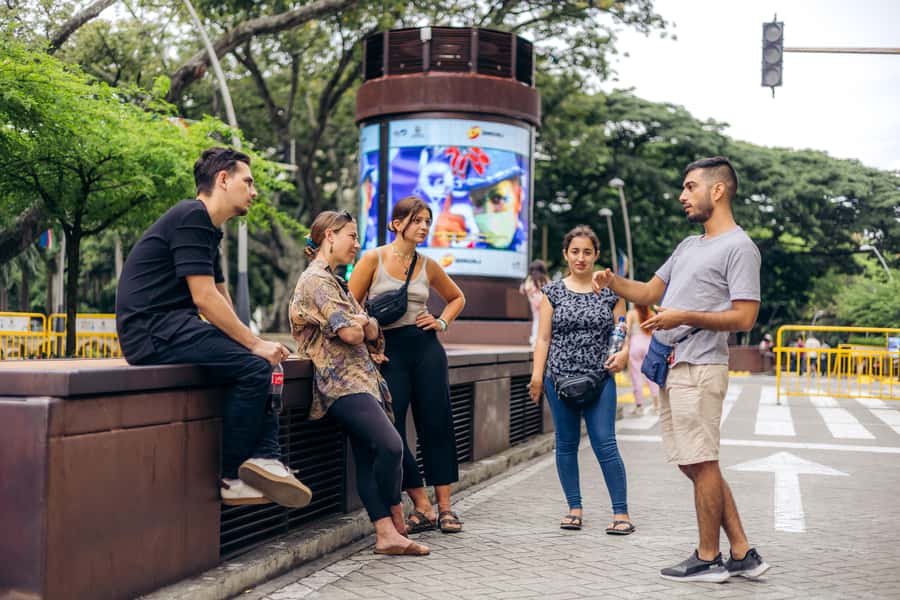
The Museo Jairo Varela is a focused tribute to Grupo Niche and the group’s effect on Colombian music and Cali salsa. The visit lasts about 30 minutes, so expect a compact guided tour rather than a long museum session.
The collection includes original recording equipment, awards, and other Grupo Niche memorabilia. Those objects help explain the work behind the sound. Instead of hearing only famous song titles, you get a look at the tools and honors connected with the band’s career.
This stop is particularly useful if you know little about Colombian salsa. Grupo Niche is central to Cali’s musical identity, and the museum gives your guide a clear place to explain why. If you already know the band well, the equipment and awards may be the main attraction.
You should have time for pictures at this first museum. One participant specifically enjoyed taking photos there. Do not assume the same freedom applies at the second museum, though. Photography of the photos inside Museo de la Salsa is forbidden.
A proper taste of Cali between museums
The food break gives the tour a needed pause before the longer museum visit and dance class. The tasting can include fritanga, with items such as empanadas, marranitas, and aborrajado. These are filling, savory snacks, so this is more than a quick sip of water.
You may also try lulada, champús, or cholado. Lulada and champús are refreshing fruit-based drinks, while cholado is a cold, sweet treat suited to a hot afternoon. The exact balance between food and drinks can vary, but the purpose is clear: you get a taste of everyday Cali flavors without arranging a separate food tour.
I like this part because it gives the music a local setting. You are not spending the full afternoon inside cultural buildings. You are also stopping to eat what people in Cali actually enjoy.
If you are hungry, the fritanga makes the break more substantial. If you mainly need relief from the afternoon heat, one of the cold drinks or cholado may be enough. Personal expenses beyond the included tasting are not covered, so carry some money if you want extra food or drinks.
Same city, a completely different kind of day:
- Shared Tour Cali’s Historical Downtown
★ 4.8 · 143 reviews - The Cali Street Food Walking Tour
★ 5.0 · 81 reviews - San Cipriano Rainforest – River, Waterfalls and Adventure Day
★ 5.0 · 73 reviews - Cali: Street Food Tour
★ 4.8 · 71 reviews
Barrio Obrero and the oldest salsa museum
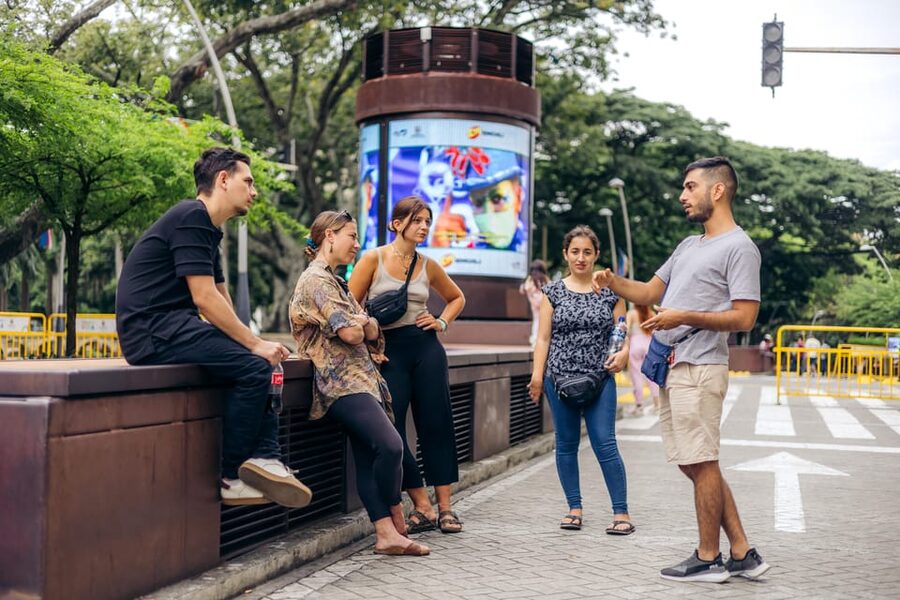
The longest cultural stop is Museo de la Salsa in Barrio Obrero. The tour allows about two hours here, including a guided visit and time connected with dancing. This is where the experience shifts from a short museum visit into a fuller look at Cali’s salsa culture.
The museum is described as the oldest salsa museum in the world. Its setting matters. Barrio Obrero is identified as the part of Cali where Cuban music first reached the city and helped give rise to the local salsa dancing style.
The collection presents the development of salsa in Cali through photographs, musical objects, and stories tied to the neighborhood. A local photographer founded the museum, and it is now led by younger people from the area. That connection gives the place a community feel rather than the polished, formal atmosphere of a major national museum.
You should expect plenty of explanation here. If you speak Spanish, the longer talk may be a highlight because you have time to connect musicians, instruments, neighborhoods, and dance styles. If you rely on English, ask your guide to keep the pace comfortable and explain the key points clearly. One person found the museum lecture a little long without Spanish, so this is the main part of the day where language can affect your enjoyment.
Photography inside the museum’s photo displays is not permitted. Treat this as a place for listening and looking rather than collecting pictures. The experience is family-friendly, and there are souvenirs available.
The museum also includes dancing, according to the tour format. That matters because the day does not leave all the movement until the final stop. You can hear the story, see the cultural material, and start using your body to understand the rhythm before reaching the nightclub.
Two hours of salsa at La Topa Tolondra
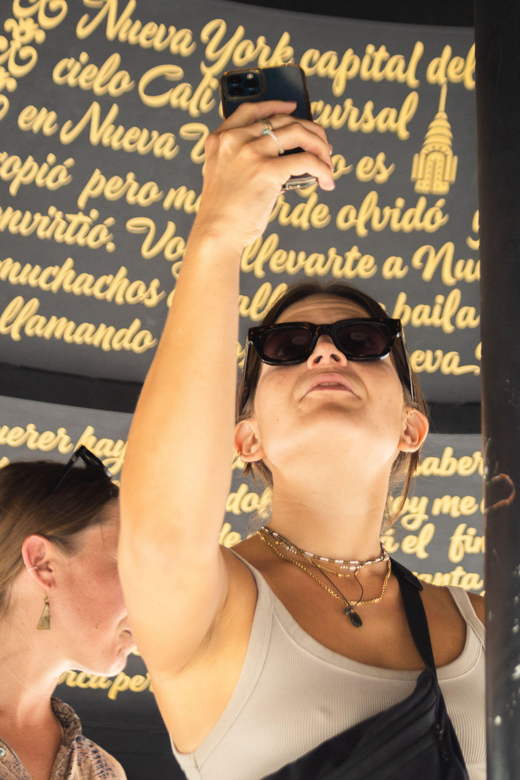
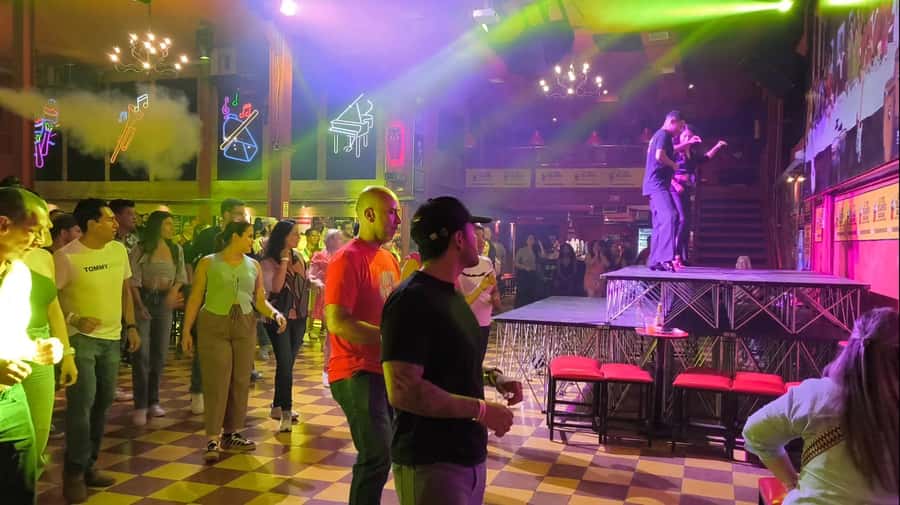
La Topa Tolondra Nightclub is the final major stop and the most active one. The class lasts two hours, making it the best part of the tour for anyone who wants real instruction rather than a photo opportunity.
The teachers are described as some of the best in town, and the class is intended for all levels. Beginners can work through basic steps and timing. Experienced dancers can use the session to sharpen technique and adjust to Cali’s style.
Wear comfortable clothing and proper shoes if you have them. You do not need formal clothes for this part of the day. A stiff outfit or uncomfortable footwear will make two hours of dancing much harder than it needs to be.
The nightclub setting also helps you meet people. You are learning in a place where local salsa culture and the social side of dancing come together. The class is not presented as a quiet private lesson, so expect energy and interaction.
This is where guides such as Juan Camilo seem to add the most value. One detailed account described him as personalizing the day, adjusting the order of activities, and helping connect the group with local people. Another praised Vivi’s warm approach. Those names are worth noting when booking or confirming your guide, although the available guide may vary.
After the class, you return to Plazoleta Jairo Varela. One account also described ending the day with a beer and a view toward San Antonio at sunset, but that should not be treated as a guaranteed part of every departure. Beer and a bottle of water are included as hydration, while additional personal spending is not.
What the $77 price means
The listed price is $77 per group up to one person, an unusual way to display the cost. Check the final booking screen carefully to confirm how the price applies to your party, especially if more than one person is joining.
The value is strongest if you plan to pay separately for museums, food, transport, and a class. This one experience brings together the Jairo Varela monument, Museo Jairo Varela, the oldest salsa museum, a local tasting, transport between the two museums, and a two-hour class.
The included transport is limited. It covers the ride from Museo Jairo Varela to Museo de la Salsa. Hotel pickup and drop-off are not included, so you need to make your own way to the trumpet plaza and arrange your return from there.
For a person who wants only a short dance lesson, this may feel like too much. For you, if the goal is to understand Cali salsa and then practice it, the price makes more sense because the day combines several separate activities.
The strongest value comes from the guide. The museums and club are the fixed attractions, but the guide connects them. Juan Camilo has been singled out for personal attention and for making the experience feel like time spent with a local friend. That kind of help can matter in a city where the cultural context is as important as the sightseeing.
Languages, access, and practical limits
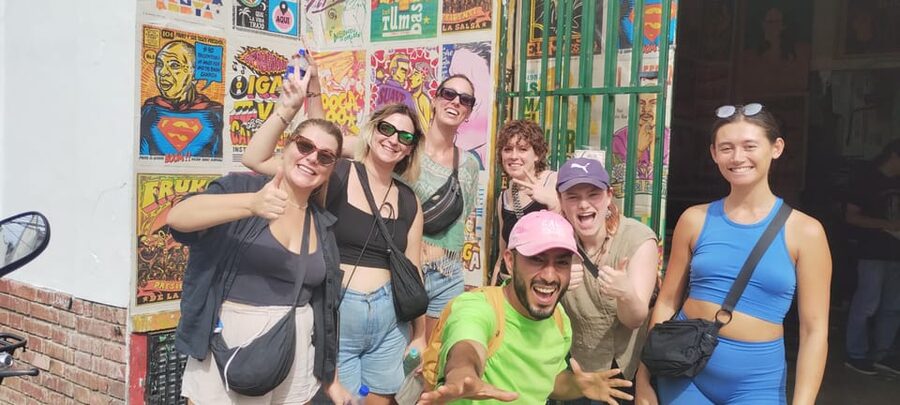
The tour is offered in English and Spanish, with a live guide. If you want the fullest explanation at Museo de la Salsa, Spanish ability will help, but an English-language tour is available.
The experience is wheelchair accessible. Still, the day includes a dance workshop, a museum with movement, and a two-hour nightclub class. If you use a wheelchair or have mobility concerns, confirm how each activity will be adapted before booking.
Free cancellation is available up to 24 hours before the start time, and you can reserve now and pay later. Starting times vary, so check availability for your date.
The main rules are simple. Wear clothes and shoes that allow you to dance, and do not photograph the photos inside Museo de la Salsa. Keep water with you, even though a bottle is included.
The tour lasts 330 minutes, or five and a half hours. Leave enough space in your day for the full experience. Trying to squeeze in another major attraction immediately afterward would make the schedule needlessly tight.
Who should choose this Cali salsa experience?
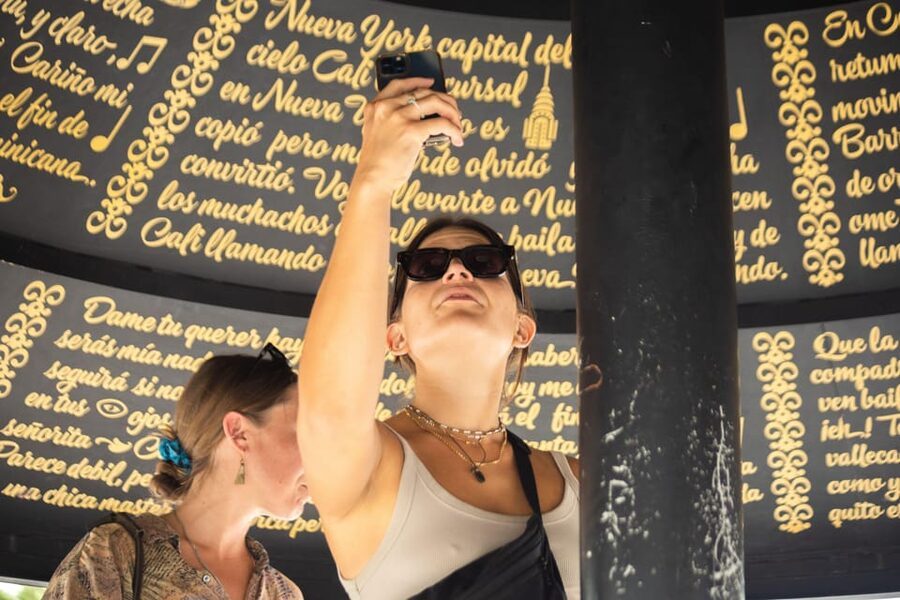
I would choose this tour if you want a cultural introduction with plenty of action. It suits first-time visitors who want a clear explanation of Cali’s music scene, solo visitors looking for a social activity, couples who want to dance together, and families interested in a friendly cultural outing.
It is also a strong fit for people who already enjoy salsa but want to understand the Cali connection. The class is not reserved for experts, and the museum stops give experienced dancers more context for the style.
You may want a different plan if you dislike long guided talks, cannot spend much time standing or dancing, or want a quiet museum afternoon. The two-hour class is a real commitment, and the Museo de la Salsa portion can feel lengthy if you are listening through translation.
If you are unsure about your ability, do not let that stop you. The opening class accepts all levels, and the final class is designed to teach rather than test you. Just arrive ready to move.
Should you book the Cali Salsa Tour?
Book it if you want more than a nightclub lesson. The best feature is the full arc: golden trumpets, Grupo Niche, local food, Barrio Obrero, museum dancing, and a serious class at La Topa Tolondra.
I would be especially happy to book with Juan Camilo if he is available, based on the personal approach associated with his tours. Vivi has also received strong praise, so the quality of the guide may be a real strength.
Skip it if you want a short, tightly edited tour or if Spanish-language museum talks are likely to test your patience. For everyone else, this is a practical way to meet Cali through its music, not just look at it from the outside.
FAQ
Where does the Cali Salsa Tour begin?
It begins at Plazoleta Jairo Varela, also called Salsa Plaza or Trumpet Plaza. Look for the large golden trumpet monument.
How long does the tour last?
The experience lasts 330 minutes, or five and a half hours.
What languages are available?
Live guiding is available in English and Spanish.
Is the tour suitable for beginners?
Yes. The introductory class caters to all levels, from beginners to advanced dancers.
Where does the final salsa class take place?
The final two-hour class takes place at La Topa Tolondra Nightclub.
What museums are included?
You visit Museo Jairo Varela and Museo de la Salsa in Barrio Obrero, described as the oldest salsa museum in the world.
What food is included?
The tasting may include fritanga with empanadas, marranitas, and aborrajado, plus local drinks or treats such as lulada, champús, and cholado.
Is transportation included?
Transportation is included only from Museo Jairo Varela to Museo de la Salsa. Hotel pickup and drop-off are not included.
Can I take photographs inside the salsa museum?
You cannot photograph the photos inside Museo de la Salsa. Photography is allowed at the first museum according to the supplied tour information, but follow your guide’s instructions.
Is the tour wheelchair accessible?
Yes, the activity is listed as wheelchair accessible. Because it includes dance sessions, confirm any specific access needs before booking.
Just added around Cali
- Shared Tour Cali’s Local Food at Alameda Market★ 4.8 · 12 reviews
- Friday Salsa Pub Crawl in Cali★ 4.9 · 23 reviews
- Private Tour on a 1100cc Cruiser Motorcycle★ 5.0 · 4 reviews
- Flavors of Cali: Food tour at the local market★ 5.0 · 5 reviews
- Coffee Tasting Experience in Cali★ 5.0 · 13 reviews
- From Cali: Whale Watching Day Trip in Buenaventura★ 4.6 · 3 reviews
- Cali: Walking tour of the historic center★ 4.9 · 18 reviews
- Cali: Two hours walking Cali City discovery tour★ 5.0 · 3 reviews
Cali Salsa Tours, compared.
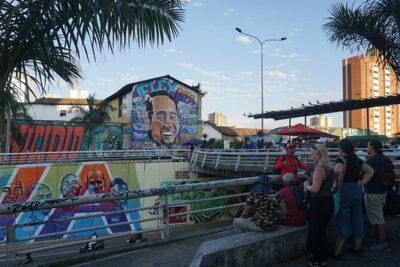
Historical Shared Tour Salsa, Graffiti & Resistance in Cali
Read our review →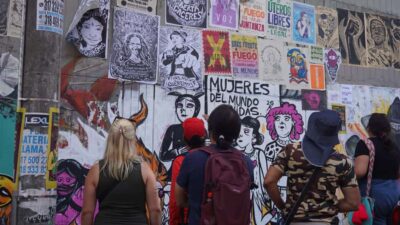
Shared Tour Cali’s Salsa, Graffiti & Resistance Experience
Read our review →
Browse the lists this tour appears in