
Reviewed · HISTORICAL TOURS
Shared Tour Cali’s Historical Downtown
Cali’s story is not kept behind museum glass. It plays in salsa rhythms, appears in Pacific flavors, and lives in the city’s arguments about inequality, soccer, drug trafficking, and social change. This walking tour gives you that broader picture while moving through the old center, from La Merced Church to the Río Boulevard and Jairo Varela Square.
I like the honest range of subjects, from African heritage and gastronomy to the difficult years of cartel power. I also like the chance to see major landmarks while hearing how literature, cinema, theater, salsa, and public protest shaped modern Cali. The main drawback is the pace: you may walk about 7 kilometers in 150 minutes, or close to three hours, so this is not a gentle stroll for anyone who needs frequent rest.
Key points to know before you go
- Cali’s history comes through culture: Learn how African, Indigenous, and European influences shaped food, music, slang, and dance.
- The route covers major central sights: Expect La Merced, the Calima Gold Museum area, the Río Boulevard, San Francisco Square, Cayzedo Square, Puente Ortiz, and Jairo Varela Square.
- Salsa gets proper context: The tour connects Cali’s music scene and Feria de Cali with the social and economic forces around it.
- Difficult subjects are part of the walk: Drug trafficking, discrimination, civil wars, pandemic-era protests, and resistance movements are discussed directly.
- You may taste chontaduro: This local fruit is included when available, but food and drinks are not otherwise part of the price.
- The guide makes a major difference: Guides such as Cristian, Fernando, Juliana, Lem, Adriana Alvarez, and Chris have led this route, with English-speaking delivery and plenty of local perspective.
Why Cali’s old center is more than a sightseeing route
I like this tour because it does not treat Cali’s historic center as a string of pretty façades. The buildings matter, but they are used as doorways into larger questions: Who built the city? Who was excluded? How did music become a source of identity? Why do local celebrations, soccer loyalties, and protests carry so much emotional weight?
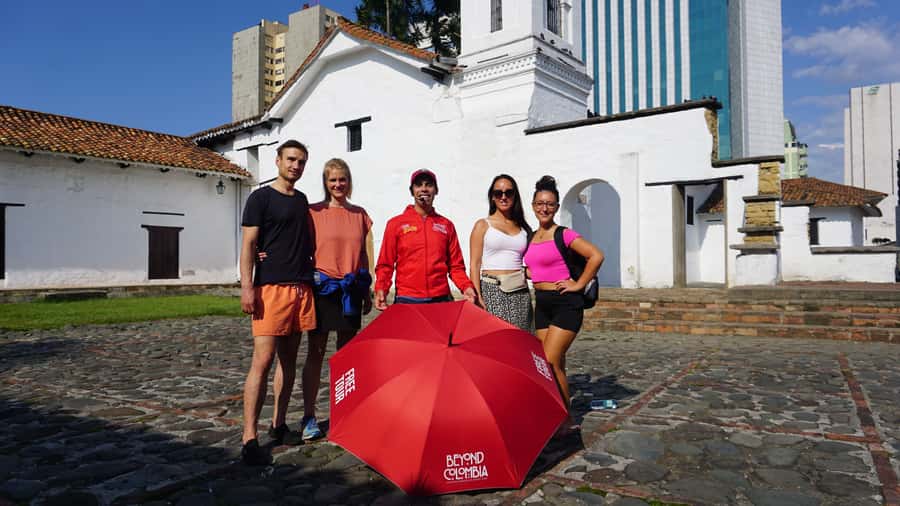
You meet the group in front of the Museo Arqueológico La Merced, where Beyond Colombia guides carry red umbrellas. The starting point is easy to identify, and La Merced gives the walk a useful beginning. Cali’s origins and early development are introduced here, with attention to the region known as El Valle and the economic growth that shaped the city from the 17th century onward.
The route is shared, not private. That keeps the price at about $13 per person and gives the walk a social feel, but it also means the guide must balance different interests and walking speeds. If you want a private conversation at every stop, this is not the right format. If you enjoy meeting people while learning a city, it works well.
A few more Cali trips to weigh up
- Historical Shared Tour Salsa, Graffiti & Resistance in Cali
★ 5.0 · 107 reviews - Cali: Walking tour of the historic center
★ 5.0 · 69 reviews - Cali: Walking tour of the historic center
★ 4.9 · 18 reviews
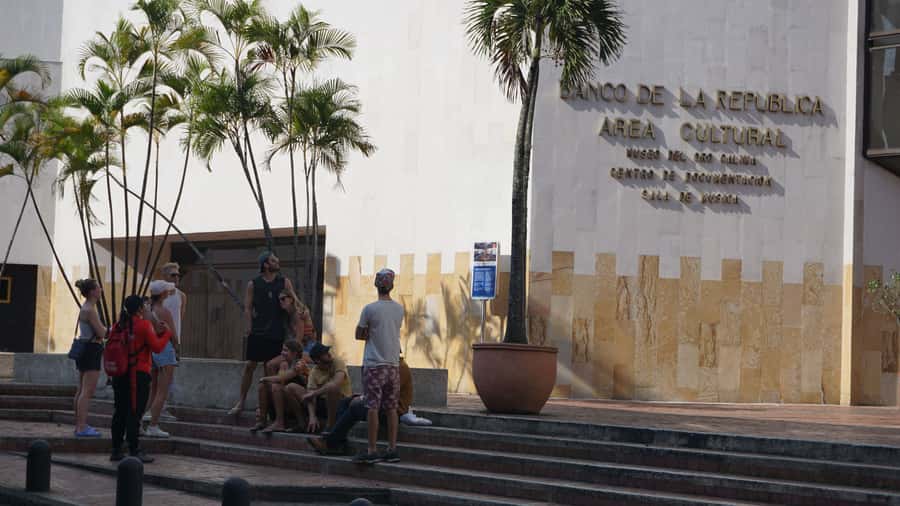
La Merced and the Calima Gold Museum area
Starting near La Merced helps place Cali in time. The city did not appear fully formed as a salsa capital. Its identity grew from regional trade, migration, conflict, faith, labor, and the meeting of several ethnic traditions.
The nearby Calima Gold Museum adds an important early chapter. Even if the tour does not include a ticketed museum visit, the setting helps your guide explain the Indigenous cultures connected to the region and the long human story before modern Cali. The tour’s strength is the link between these older roots and the city you see today.
You should think of this part as orientation rather than a full museum tour. Since entrance tickets are not included and the walk does not promise interior visits, you will get historical explanation and exterior sightseeing instead. If the museum interests you, save time to return on your own.
San Francisco Square and the city’s built form
From La Merced, the walk continues through central streets and toward important public spaces such as San Francisco Square. Here, the guide can connect religious and civic buildings with the city’s changing social life.
The architecture is only half the story. Public squares reveal how a city presents itself, who gathers there, and how official symbols compete with everyday use. This is where a strong guide matters. Cristian, Fernando, Juliana, Lem, Chris, and Adriana Alvarez have all been singled out for energy, local insight, clear English, or an engaging way of speaking. Your guide may differ, but the route is designed to make the city’s public places readable.
Expect stops for explanation rather than long periods inside buildings. You will be standing, listening, crossing busy streets, and moving on. Wear shoes you can trust, and do not plan this immediately after a long day of sightseeing unless you are comfortable walking several kilometers.
Cayzedo Square and the city’s central stage
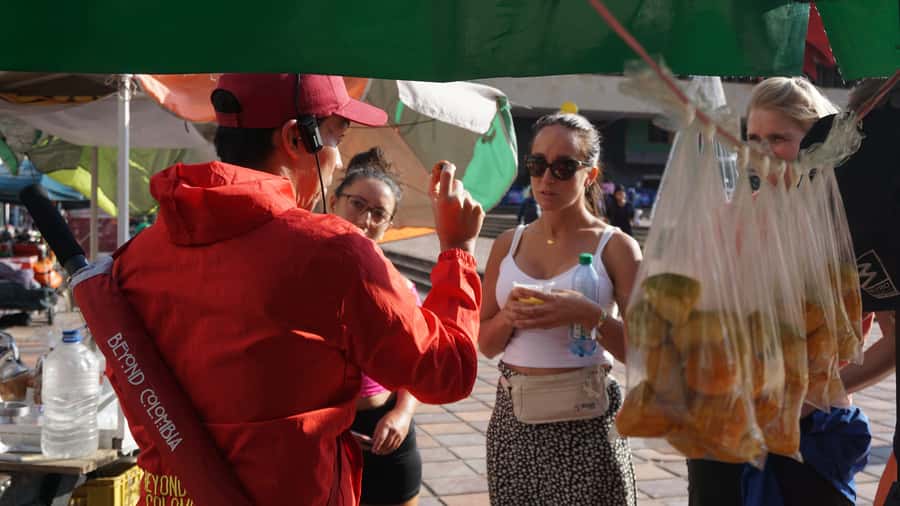
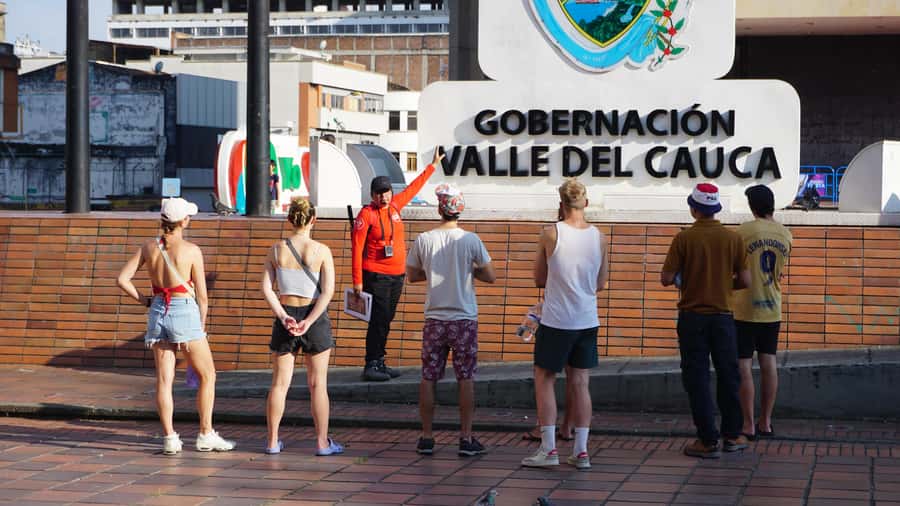
Cayzedo Square is one of the route’s key stops. It offers a central view of Cali’s civic heart and helps explain how the city grew around institutions, commerce, religion, and public life.
This is also a useful place to notice the difference between a tourist postcard and a working city center. You may find crowds, traffic, vendors, and people moving through their daily routines. Keep your bag close. The tour’s own advice is practical: keep your friends close and your belongings even closer, especially in crowded areas.
The guide’s job here is not just to point at buildings. You will hear how historical events affected ordinary life and how discrimination and conflict shaped social relations. The promise of an objective account is valuable, but no history of Cali is emotionally neutral. Listen for the facts, ask questions, and remember that local identity can hold pride, pain, humor, and disagreement at the same time.
Same city, a completely different kind of day:
- The Cali Street Food Walking Tour
★ 5.0 · 81 reviews - San Cipriano Rainforest – River, Waterfalls and Adventure Day
★ 5.0 · 73 reviews - Cali: Street Food Tour
★ 4.8 · 71 reviews - Afro Walking Tour. The colors of Cali.
★ 5.0 · 61 reviews
The Hermitage, theaters, and Puente Ortiz
The route includes several architectural landmarks: the Hermitage, the Municipal Theater, St. Peter’s Cathedral, the Jorge Isaacs Theater, and Puente Ortiz. You may not enter each one, but seeing them together gives you a compact lesson in Cali’s architecture and cultural institutions.
The theaters are especially important to the tour’s larger argument. Cali’s culture is not only salsa and nightlife. Literature, cinema, and theater also helped people describe the city, question authority, and shape how Cali sees itself. The guide connects those artistic forms with poems and songs about the mountains, the city, and its people.
Puente Ortiz helps tie the old center to the Río Boulevard. It is one of the places where the city’s public spaces feel more open and modern. The route gives you a sense of how Cali has reused central areas and made movement through the center part of the urban experience.
The drawback is time. There are many landmarks in a short window. You will see more than you can study in detail, so mark down the places you want to revisit later. This tour is best for building a mental map and choosing where to spend a second look.
Río Boulevard and the changing face of Cali
The Río Boulevard is one of the walk’s most useful sections because it shows Cali in transition. Historic buildings, public design, street movement, and the river corridor come together here.
Your guide also uses this part of the route to explain modern social tensions. The discussion includes revolts during and after the pandemic, along with the resistance movements that have become part of Cali’s public identity. That subject gives the tour more weight than a standard old-town walk.
You should expect a serious conversation, not only cheerful stories and photo stops. The tour aims to show both sides of the city: its love of salsa and soccer, and the effects of drug trafficking on daily life. That balance is one reason the experience earns a high current score of 4.8 from 143 ratings.
Some of the strongest guide feedback centers on delivery. Cristian is repeatedly praised for energy and clear explanations. Fernando is described as friendly, interactive, and good at adapting the route when city events affect movement. Juliana brings the perspective of someone born in Cali, while Lem is especially associated with salsa and local passion. Those differences can shape your experience, but each guide is expected to lead in English.
Jairo Varela Square and Cali’s salsa identity
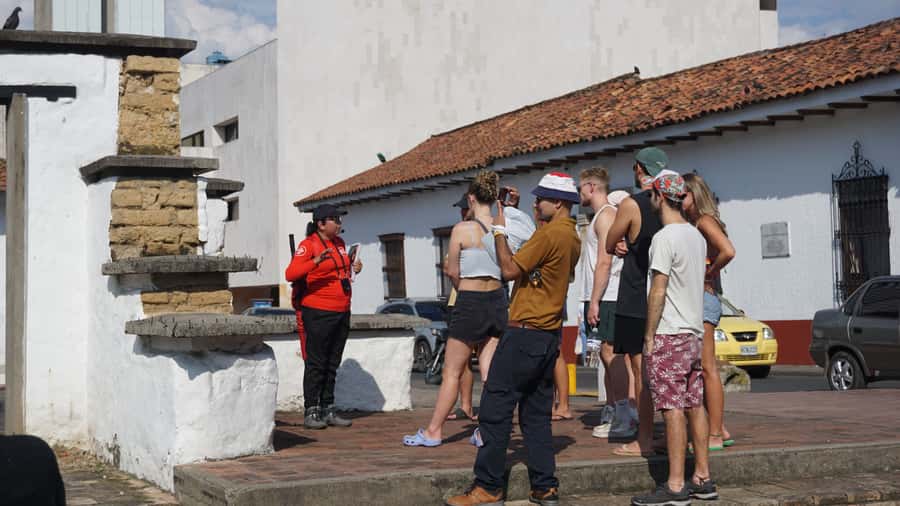
Jairo Varela Square brings the discussion back to music. Cali is widely known as the world capital of salsa, but the tour avoids presenting salsa as a simple export or party soundtrack.
You will hear how the salsa movement grew during the years of cartel power and how La Feria de Cali helped turn music and dance into a major public expression of local identity. The point is not to excuse criminal influence. It is to understand the complicated setting in which cultural movements grew, gained money and attention, and became part of Cali’s image.
This section should appeal to anyone who plans to attend a salsa club or dance show later. I would take notes on the names, places, and social connections your guide mentions, then use the recommendations at the end of the walk to choose where to continue your evening.
The tour also looks at soccer. In Cali, soccer and salsa both carry strong local meaning. They bring people together, but they can also reflect rivalry, class, neighborhood identity, and political feeling. That wider explanation helps you see why a song, a team, or a festival can matter far beyond entertainment.
African heritage, Pacific food, and chontaduro
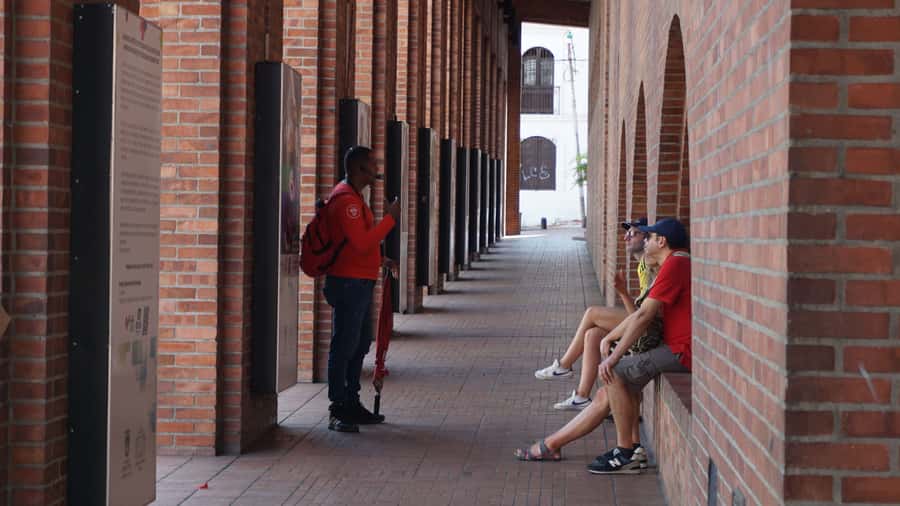
One of the most valuable parts of the walk is its attention to African heritage. The tour explains how enslaved Africans and their descendants helped shape Cali and Valle del Cauca through gastronomy, music, dance, and language.
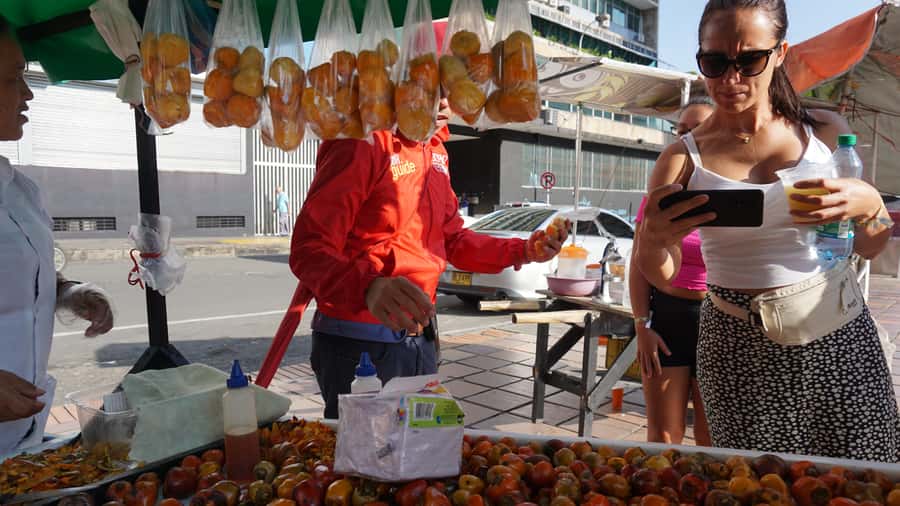
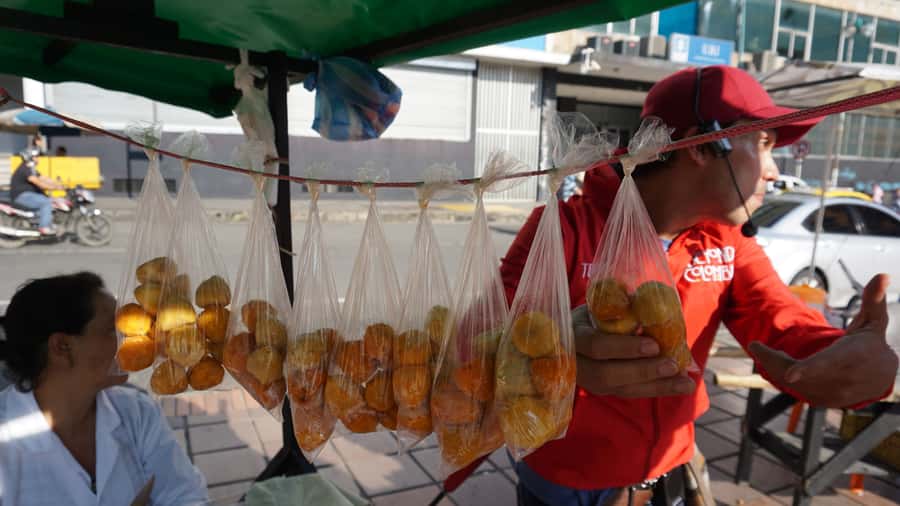
This is not a side note. It is central to understanding the city. The sounds associated with the Pacific, the movement of dancers, local slang, and ingredients such as chontaduro all point to cultural survival and creative change.
When available, you receive a chontaduro tasting. Do not expect a full food tour. Drinks, meals, and souvenirs cost extra, but the small tasting gives you a direct connection to local food culture. The guide also recommends places where you can eat lunch, buy coffee, and shop for souvenirs after the walk.
I appreciate that the food element is modest and honest. You are not paying for a meal disguised as a cultural lesson. You are getting one possible taste, useful local suggestions, and the context needed to understand why food matters.
What the $13 price really gets you
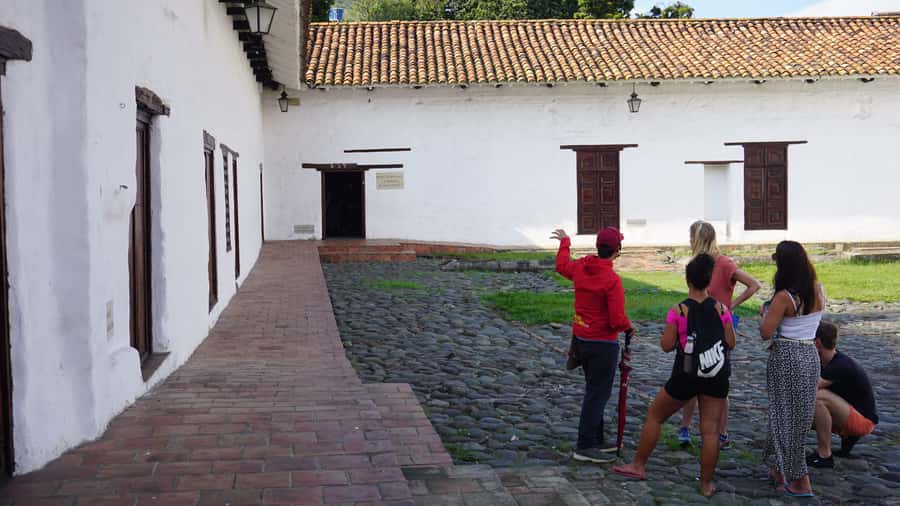
At roughly $13, this is strong value if you want a broad introduction to Cali in one morning or afternoon. You get an English-speaking professional guide, a route through the essential historic center, historical interpretation, a possible chontaduro sample, and practical suggestions for continuing your visit.
The value is not in the number of buildings alone. It comes from the connections between them. A church leads to colonial origins. A square leads to civic life. A theater leads to artistic expression. Jairo Varela Square leads to salsa, Feria de Cali, and the city’s complicated modern identity.
You do not pay for transportation, entrance tickets, a meal, or a private guide. That keeps the cost low, but you need to reach the meeting point yourself and remain on foot. There are resting stops, yet the stated distance is about 7 kilometers. Bring water, and carry a rainproof coat or umbrella because Cali’s weather may change.
Free cancellation up to 24 hours before the start and the option to reserve now and pay later make the booking less rigid. The tour is not suitable for people over 70, according to the activity conditions, and party groups, alcohol, drugs, and audio recording are not allowed.
Who will enjoy this walk most
I would recommend it to first-time visitors who want more than a list of monuments. It suits you if you are curious about how migration, African heritage, art, music, conflict, and public protest fit together.
It is also a good choice if you have limited time in Cali. In two and a half to three hours, you see many central landmarks and receive enough background to plan the rest of your stay. Several people have found the tour longer than expected, so allow the full time rather than scheduling a tight appointment afterward.
Salsa fans should take special note. The walk will not replace a dance class or evening performance, but it explains why salsa carries such force in Cali. Food-focused visitors also benefit from the local shop and restaurant suggestions, though this is not a market tour.
I would hesitate to recommend it if you dislike group walks, serious political discussion, or long distances on foot. It is also not ideal if your main goal is to enter every church, museum, or theater. The route favors context and movement over long indoor visits.
Should you book Shared Tour Cali’s Historical Downtown?
Book it if you want a thoughtful first look at Cali, especially if you care about the people and forces behind the city’s music, food, and public life. The combination of historic sights, Afro-Colombian culture, salsa, social conflict, and local recommendations gives you much more than a photo route.
Go prepared for heat, rain, crowds, and a brisk 7-kilometer walk. Meet the red umbrellas in front of La Merced, wear comfortable shoes, bring water, and keep your belongings secure. At $13, the tour offers a lot, provided you want a serious, active introduction rather than a slow architectural stroll.
FAQ
How long does the tour last?
The stated duration is 150 minutes, although the experience is also described as lasting approximately three hours. Allow about two and a half to three hours.
Where is the meeting point?
Meet in front of the Museo Arqueológico La Merced. Look for the red umbrellas marked Beyond Colombia.
What language is the tour conducted in?
The live tour guide speaks English.
How far will I walk?
You will walk about 7 kilometers, with resting stops along the way.
Is transportation included?
No. You must arrange transportation to and from your hotel, and the tour itself is conducted on foot.
Is food included?
A chontaduro tasting is offered when available. Meals, drinks, and souvenirs are not included.
Can I cancel or pay later?
You can cancel up to 24 hours in advance for a full refund. You can also reserve now and pay later.
Just added around Cali
- Friday Salsa Pub Crawl in Cali★ 4.9 · 23 reviews
- Private Tour on a 1100cc Cruiser Motorcycle★ 5.0 · 4 reviews
- Flavors of Cali: Food tour at the local market★ 5.0 · 5 reviews
- Coffee Tasting Experience in Cali★ 5.0 · 13 reviews
- From Cali: Whale Watching Day Trip in Buenaventura★ 4.6 · 3 reviews
- Cali: Walking tour of the historic center★ 4.9 · 18 reviews
- Cali: Two hours walking Cali City discovery tour★ 5.0 · 3 reviews
- Cali: Hiking to the Pance waterfalls★ 4.9 · 15 reviews
Historical Tours, compared.
Historic Center and Getsemaní Shared Walking Tour
Read our review →
History & Local Life Essentials Tour on an E-Bike
Read our review →
Historical Shared Tour Salsa, Graffiti & Resistance in Cali
Read our review →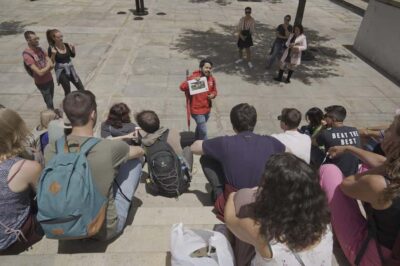
Shared Tour of Bogota’s Historic Downtown (La Candelaria)
Read our review →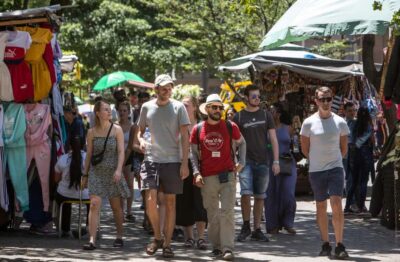
Browse the lists this tour appears in