
Reviewed · SALT CATHEDRAL TOURS
Zipaquirá Salt Cathedral Private Tour + Walking Tour
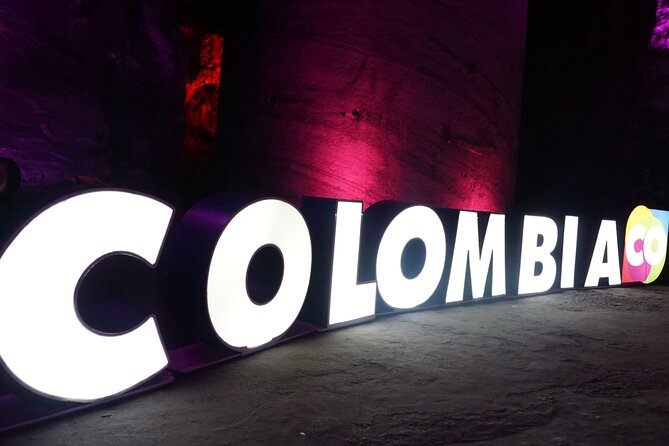
Zipaquirá’s Salt Cathedral is a church carved deep inside an old salt mine, where miners turned underground chambers into a solemn route of crosses, chapels, and shadows. The largest salt-cut cross in the world is the day’s big moment, but the colonial town above ground gives the outing useful context.
I like the private car and flexible pace, especially when you want pickup in Bogotá and a drop-off somewhere different, such as La Candelaria. I also like the mix of faith, mining, Colombian independence, Gabriel García Márquez, and railway history. The main caution is simple: the walking tour can feel short, and the cathedral’s main route relies heavily on audio guides unless you specifically arrange a strong bilingual guide.
Key points at a glance
- The salt cathedral sits inside an ancient working mine, with 14 underground stations along the Viacrucis route.
- A private vehicle removes the transport headache, with pickup and drop-off arrangements suited to your group.
- Multilingual audio guides are provided inside the cathedral, including Portuguese, English, and other languages.
- Zipaquirá’s colonial center adds more than a quick photo stop, with Plaza de los Comuneros, Plaza de la Independencia, and important civic buildings.
- Lunch is not included, but you receive free time at a recommended restaurant and can add a meal to the day.
- The price is easier to justify for small groups, families, and visitors who value door-to-door service over the lowest-cost trip.
Why the Salt Cathedral is worth the drive
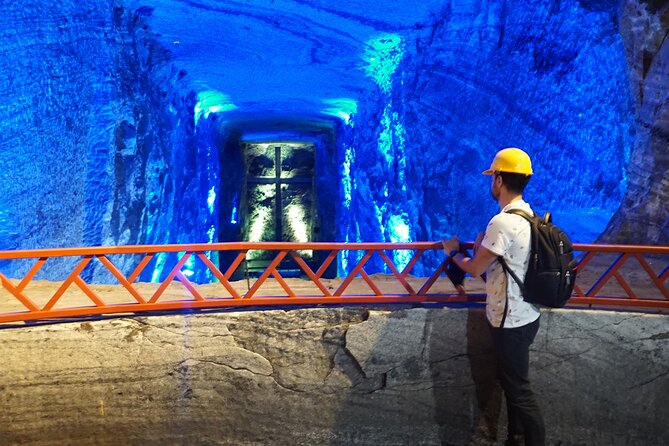
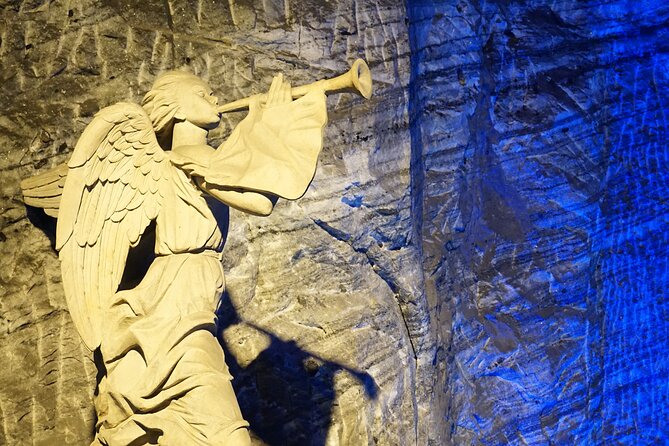
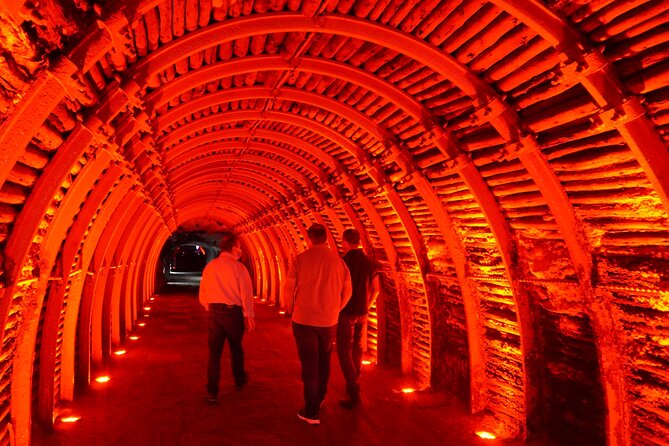
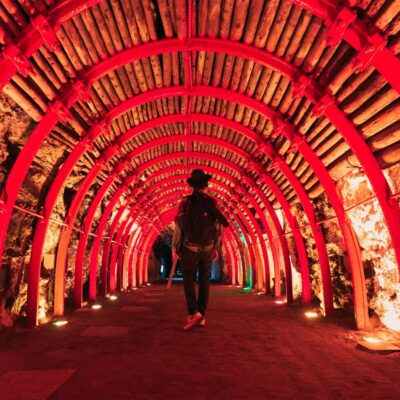
The Salt Cathedral is not a conventional church. It is an underground religious complex cut into salt rock, in a mine worked since pre-Columbian times. As you walk below ground, the stone changes the mood: the rooms are dark, cool, and quiet, with light placed to bring out crosses and carved forms.
The first major section is the Viacrucis, or Way of the Cross. Fourteen stations represent Jesus’ path to crucifixion. The sculptures were made from the mine’s salt rock, and the symbolism matters as much as the workmanship. If you are Christian, the combination of the audio text and the stations can be particularly moving. If you are not religious, the place still works as an unusual piece of industrial art and devotional architecture.
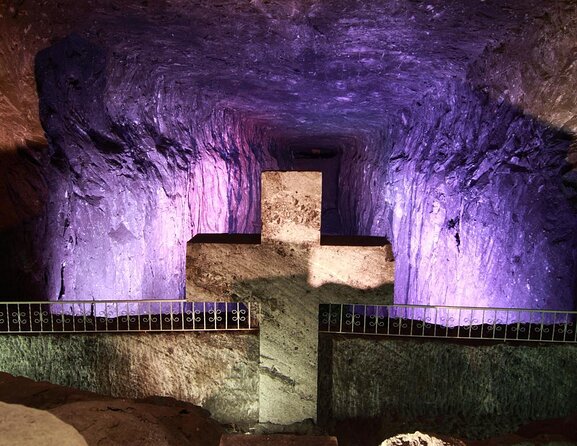
The route ends at the Dome, where you see the enormous salt-cut cross. This is the image that stays with you. The cathedral has been recognized as the First Wonder of Colombia, and it is easy to understand why the setting gives the familiar form of a church an entirely different force.
The included cathedral visit lasts about two hours, though some people have spent closer to three hours in the complex. The extra time can give you room for photographs, the museum, food areas, and salt handicrafts, but the exact pace depends on your group and the mine’s operating arrangements.
One useful detail: a small train can bring you back to the starting point after the underground walk. It is a welcome touch if your legs are tired. Do not count on every facility being equally convenient, though. One account described difficulty getting permission to use a bathroom at the end of the route, so plan ahead when you have the chance.
More Salt Cathedral Tours in Bogota:
- Zipaquirá: Salt Cathedral Group Tour with Pickup
★ 4.8 · 1,606 reviews - Bogota: Guatavita and Salt Cathedral Daily Group Tour
★ 4.7 · 615 reviews - Bogota: Zipaquirá Salt Cathedral and Lake Guatavita Day Tour
★ 4.8 · 551 reviews
Audio guide or personal guide?
The cathedral supplies audio guides in several languages. English is available, and Portuguese has been praised for its clear text. This makes the experience workable even if your driver is not providing a full explanation inside the mine.
Still, the audio system changes the feel of the visit. You move from station to station at your own speed, listening to information rather than following a guide who can answer questions on the spot. That is fine for independent sightseeing, but it can feel thin if you expected a fully guided cathedral visit.
The booking includes a professional local bilingual guide if you choose that option. Confirm this choice before you go, especially if detailed interpretation is important to you. Guides named Katy, Ludwyn, Jose, Jorge, Angel, Pierre, and Leonardo have been praised for friendly service, local stories, and help with the day’s timing. Leonardo was especially useful for Portuguese speakers.
Language is worth taking seriously. One English-speaking couple enjoyed the guide’s energy but felt they missed some of his Spanish commentary inside the cathedral, even with the English audio device. The practical answer is to request a guide who can explain the mine and town in your preferred language, then use the cathedral audio for the formal route.
The drive from Bogotá to Zipaquirá
The trip takes about six to seven hours overall, including the cathedral and town stops. One account describes the drive to Zipaquirá as roughly 45 minutes when traffic is good, but Bogotá traffic can change the timetable. A private car makes this much less tiring than organizing several public transport connections.
Pickup from your accommodation is part of the appeal. You can also ask about a different drop-off point in Bogotá, and one couple arranged to finish in La Candelaria. That sort of flexibility is hard to get on a fixed group excursion.
The drivers have often been as important to the day as the formal guides. Jorge, Jose, Luisa, and Angel are all singled out for calm driving, patience, conversation, and help with local details. Some drivers act as guides themselves, while others focus mainly on transport. If you want history and culture during the drive, state that clearly when booking.
The package lists bottled water, onboard Wi-Fi, medical insurance, a Colombian snack, and a small souvenir. The practical experience may vary, so check that these items are available when you meet your driver. The snack could be a welcome introduction to Colombian food, while the souvenir is a modest but pleasant reminder of the mine.
Plaza de los Comuneros and colonial Zipaquirá
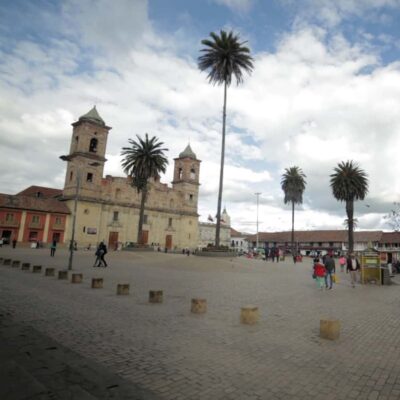
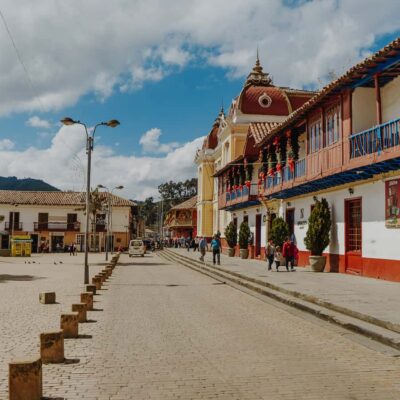
After the mine, the town helps bring the underground experience back into a wider story. Plaza de los Comuneros is the historic heart of Zipaquirá. Its cobbled streets and preserved colonial buildings give you a more human sense of the place than the cathedral alone.
The square takes its name from the first revolution of America, according to the tour’s historical account. Around it are the Diocesan Cathedral, Government House, and Municipal Palace. These buildings show how religion, local government, and public life were arranged in the colonial town.
The stop is listed at about 10 minutes, but the wider walking portion can be longer depending on the guide. This is one area where expectations matter. You should expect an introduction to the square and key buildings, not a long architectural lecture or a full museum visit.
I would ask for extra walking time if colonial streets are a priority. If your main goal is the Salt Cathedral, the short town visit may be enough. The private format gives you a better chance of adjusting the pace, but it does not guarantee that every stop will receive equal attention.
A few more Bogota trips to weigh up
- Bogotá: Guided La Candelaria Walking Tour
★ 4.8 · 1,229 reviews - Bogota Walking Tour Teusaquillo a different part of the city
★ 4.2 · 26 reviews - Bogotá: Private Candelaria Walking Tour and Gold Museum
★ 5.0 · 17 reviews - Bogotá: Private Candelaria Walking Tour with Gold Museum
★ 5.0 · 11 reviews
Plaza de la Independencia and Antonio Nariño
Plaza de la Independencia is another brief stop, listed at around 10 minutes. It was once the town’s market square and was inaugurated in 2010 as a tribute to independence and Antonio Nariño.
Nariño’s statue sits at the center, holding a book that represents human rights. Around the square, national flags honor countries that gained freedom under Simón Bolívar’s leadership. This is a compact lesson in how public squares carry political memory.
You may find this stop more interesting if your guide explains the figures and symbols rather than simply pointing them out. It is not a major attraction on the scale of the cathedral, but it gives the day a Colombian national frame instead of leaving the mine as an isolated curiosity.
García Márquez’s school and the old railway station
The tour also passes the school where Gabriel García Márquez studied as a boarder until graduating in 1946. The site is now the Casa del Nobel Cultural Center, dedicated to art and the writer’s memory.
This is a nice literary link, especially if you have read One Hundred Years of Solitude or Love in the Time of Cholera. The information provided does not promise a full interior visit or a long program at the cultural center, so treat it as a point of interest on the walking route unless your guide confirms otherwise.
The old railway station adds a different layer. Built in 1926 during the presidency of General Pedro Nel Ospina, the station was known as Tres Esquinas and formed part of the Savannah Railway. Its French neoclassical design reflects the period when rail connections helped trade and industry in the region.
The station was declared a national architectural heritage site. Even if you are not a railway enthusiast, it helps explain how Zipaquirá developed beyond its salt mine. The cathedral shows the town’s underground resource; the station shows how that resource and the surrounding region connected to wider commerce.
Lunch, snacks, and the shape of the day
Lunch is not included in the $185 price. You receive free time at a recommended restaurant, so you can decide how much to spend. One stop has been praised for Colombian food, live music, and meat cooked over a fire. Another account mentions delicious empanadas as a thoughtful food stop.
That flexibility is useful, but ask where you will eat and how long you have before settling on the tour. A meal can turn the outing into a relaxed full-day experience, while skipping lunch keeps the schedule closer to six hours.
The snack included in the package gives you a small taste of Colombia without replacing lunch. Water is also listed as included, along with medical insurance and Wi-Fi in the vehicle. These extras sound minor, but they matter on a long road day. I would still carry personal water and a little cash for food or souvenirs, since availability can vary.
Is $185 a good value?
At $185 per person, this is not the budget way to visit Zipaquirá. You are paying for a private vehicle, hotel pickup, the Salt Cathedral admission, a private group format, insurance, water, Wi-Fi, a snack, a souvenir, and the option of a bilingual guide.
The value improves when two or more people share the experience and want comfort. Families also gain from not having to coordinate transport, and couples can ask for a quieter pace or a different return point. Solo visitors need to think harder about the price because the private-car cost falls on one person.
You are also paying for time. A public option may cost less, but it can require more planning and leave less room for a stop in the old center. The private tour lets you focus on the cathedral without worrying about the ride back.
Still, the price does not automatically guarantee a deeply guided cultural day. One dissatisfied customer felt the service was mainly transportation with cathedral admission. That criticism is important. If you want detailed history at every stop, confirm the guide arrangement and tell the company what kind of tour you expect.
Who should book this private tour?
I would choose this experience if you want the Salt Cathedral but do not want to handle the journey from Bogotá yourself. It suits families, couples, solo visitors who value ease, and anyone with limited time in the capital.
It also works well for people who want more than a mine visit. The plazas, García Márquez connection, railway station, Colombian snack, and lunch break give the day several distinct themes.
You may prefer another option if you want a long, formal walking tour of Zipaquirá, a low-cost group excursion, or complete control over every minute. The cathedral audio guide is solid support, but it is not the same as having a guide explain every detail in your language.
At booking, state three things clearly: your preferred language, whether you want a full guide or mainly private transport, and how much time you want in the town center. Those requests can make the difference between a good transfer and a satisfying cultural day.
Cancellation and practical details
You receive confirmation when booking. Most people can take part, and service animals are allowed. This is a private activity, so only your group participates.
Free cancellation is available up to 24 hours before the start time for a full refund. Changes or cancellations inside that 24-hour window are not accepted for a refund. Poor weather or failure to meet the minimum number of participants may lead to a new date, a different experience, or a full refund.
FAQ
How long does the Zipaquirá Salt Cathedral tour last?
The full experience takes approximately six to seven hours, including travel from Bogotá, the cathedral visit, the town walk, and free time for lunch.
Is admission to the Salt Cathedral included?
Yes. Your Salt Cathedral ticket is included in the tour price.
Is lunch included?
No. Lunch is not included, but you receive free time to eat at a recommended restaurant. A Colombian snack is included.
Are audio guides available in English and other languages?
Yes. The Salt Cathedral provides audio guides in different languages. English and Portuguese are specifically supported by the information provided.
Is this a private tour?
Yes. Only your group participates in the private activity.
Can I cancel for a full refund?
Yes, if you cancel at least 24 hours before the experience begins. Cancellations or changes made less than 24 hours before the start time are not eligible for a refund.
Should you book it?
Book this tour if the Salt Cathedral is a priority and you value a private car, simple logistics, and the freedom to shape the day. The mine is genuinely unusual, and the added town stops give you a better sense of Zipaquirá than a cathedral-only transfer.
I would be more cautious if you are paying alone, expect a long guided walk, or assume every listed extra will be delivered without confirmation. Ask for your preferred language, confirm the guide option, and request enough time in the colonial center. With those points settled, this is a practical and memorable day trip from Bogotá.
Just added around Bogota
- Paragliding Activity with Transfers from Bogota★ 4.9 · 21 reviews
- Monserrate Express tour 3 hrs★ 4.6 · 6 reviews
- Nemocón Salt Mine Tour★ 5.0 · 3 reviews
- La Chorrera and Chiflon Waterfalls Private Hike Tour★ 5.0 · 7 reviews
- Layover City Tour or Conexion in Bogota★ 4.5 · 5 reviews
- Bogota: Horseback Riding Tour★ 5.0 · 5 reviews
- Guatavita: Tour to Guatavita Lagoon, the Village and Casa Loca★ 4.8 · 19 reviews
- 7-hour City Tour of Historic Bogotá with Monserrate★ 4.7 · 47 reviews
Salt Cathedral Tours, compared.
Zipaquirá Salt Cathedral and Lake Guatavita Day Tour
Read our review →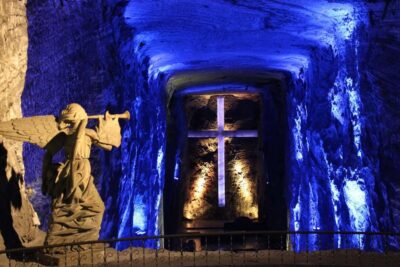
Zipaquirá Salt Cathedral & Guatavita Trip with Pickup
Read our review →
New & Cheapest ZIPAQUIRA & GUATAVITA LAKE Visit 5 Sites/PICKUP
Read our review →
Shared Tour Zipaquirá Salt Cathedral and Guatavita Lagoon
Read our review →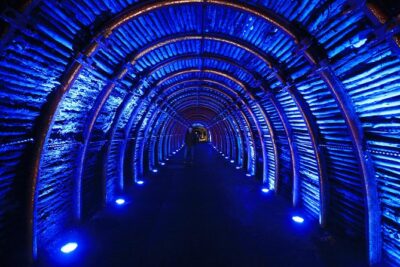
Salt Cathedral of Zipaquirá & Lake Guatavita: Private or Shared
Read our review →Browse the lists this tour appears in