
Reviewed · CALI SALSA TOURS
Shared Tour Cali’s Salsa, Graffiti & Resistance Experience
Cali’s salsa is more than a dance style. It is a record of migration, African emancipation, working people, romance, protest, and local pride. This 150-minute walking tour follows those threads through murals, plazas, music, and the streets where Cali’s identity took shape.
I like the way the tour connects salsa to social movements instead of treating it as nightlife alone. I also like the mix of street art and music, especially the murals honoring salsa figures alongside works about victims, protest, and resistance.
The main drawback is the distance. You may walk about 8 kilometers, often in warm weather, so this is not a gentle stroll or a good fit for wheelchair users. Bring water and wear shoes made for real pavement.
Key points at a glance
- Salsa with a social history: Learn how music developed from Caribbean and African influences and became part of Cali’s popular culture.
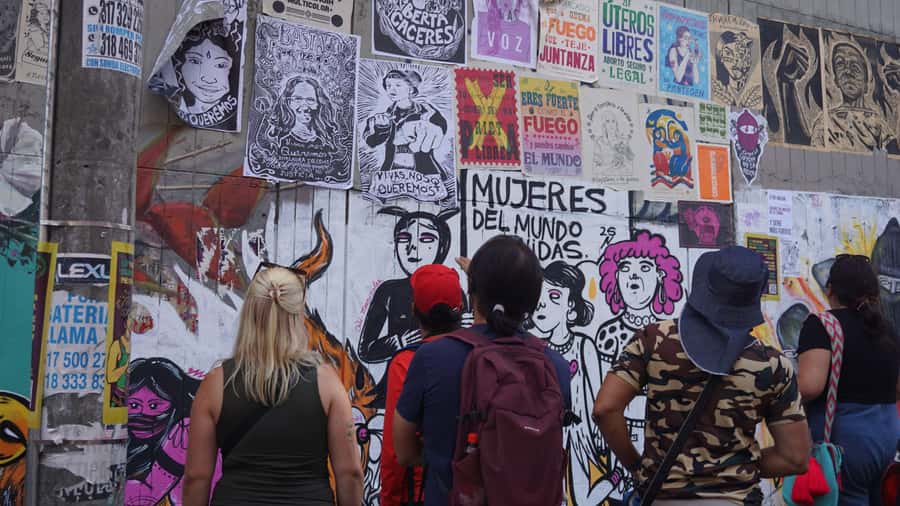
- Murals with a message: See salsa tributes beside graffiti linked to victims, activism, protest, and popular struggles.
- A long central-city walk: The route covers about 8 km over roughly 2 to 2.5 hours, with stops to hear stories.
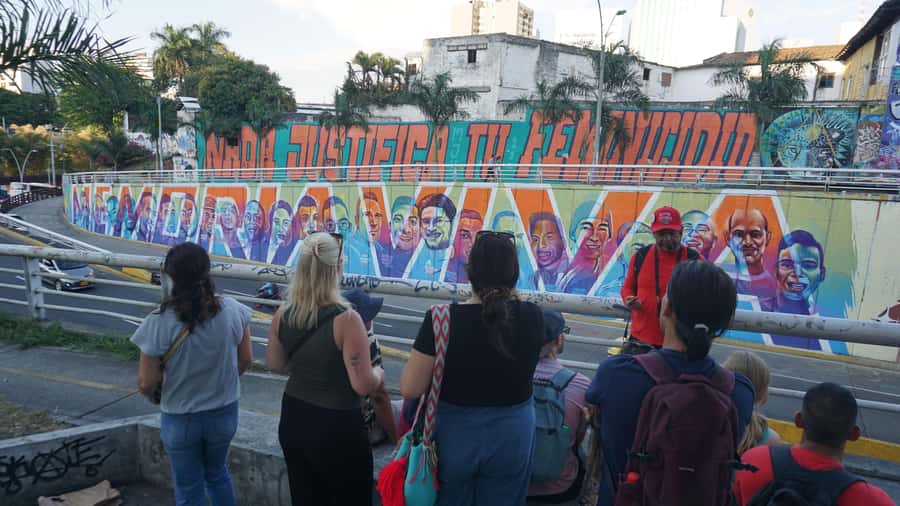
- Cali landmarks included: Expect the Plazoleta de la Caleñidad, Calle del Pecado, River Boulevard, World Cup Tunnel, 5th Avenue, and the N21 victims mural.
- Useful nightlife advice: The guide points you toward cult salsa bars and can help you choose where to dance later.
- Strong guide energy: Cristian, also referred to as Chris, is praised for his enthusiasm, storytelling, and clear love of Cali and salsa.
Why this Cali tour is different from a basic salsa walk
Many city tours present salsa as a dance to watch or copy. This one asks you to listen to the music as a form of popular expression. The lyrics can speak about love and celebration, but they can also recall political events, social conflict, and the daily struggles of ordinary people.
That wider view matters in Cali. Salsa became part of local identity during decades of cultural change, especially from the 1960s through the 1980s. Its story passes through the Caribbean Antilles, musical mixing in the Americas, and its later definition in New York before taking on a strong local form in Cali.
You will not simply hear that salsa is important. You will see how it appears in public art, neighborhood memory, nightlife, and political expression. The result is a tour about music as a way of living, not just a lesson in dance steps.
I especially like this approach if you have already seen a salsa performance or plan to take a dance class. It gives you a better reason for the music’s speed, style, pride, and emotional force. You leave with more context, even if you never set foot on a dance floor.
More Cali Salsa Tours in Cali:
- Historical Shared Tour Salsa, Graffiti & Resistance in Cali
★ 5.0 · 107 reviews - Friday Salsa Pub Crawl in Cali
★ 4.9 · 23 reviews - Salsa Tour in Cartagena with admission Ticket to Café Havana
★ 4.5 · 76 reviews
Starting beneath Cali’s red umbrellas
The meeting point is Plazoleta Jairo Varela, where you look for the red umbrellas. This is a practical central meeting place and a fitting beginning, since Jairo Varela is closely associated with Cali’s salsa culture through the musical identity celebrated around the plaza.
From here, the guide sets up the main idea: salsa is tied to the people who made, carried, and reshaped it. The emphasis is on cultura popular, meaning the culture created and shared by ordinary communities rather than only by official institutions.
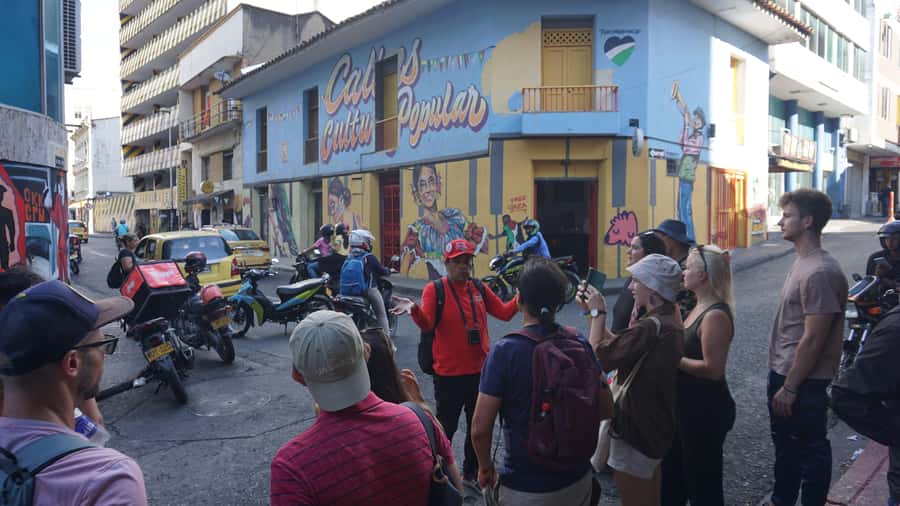
You should expect an energetic guide-led walk rather than a formal lecture. Cristian, also called Chris in the booking information, has a lively style and uses music, stories, and questions to keep the group involved. His enthusiasm is a real part of the experience, especially when the group reaches a song, mural, or story he clearly cares about.
The tour is offered in English and Spanish. An optional Spanish audio guide is also listed. Since the walk covers a lot of ground, listen for the practical pauses where the guide stops to explain rather than trying to keep moving and take in every detail at once.
Plazoleta de la Caleñidad and the meaning of local pride
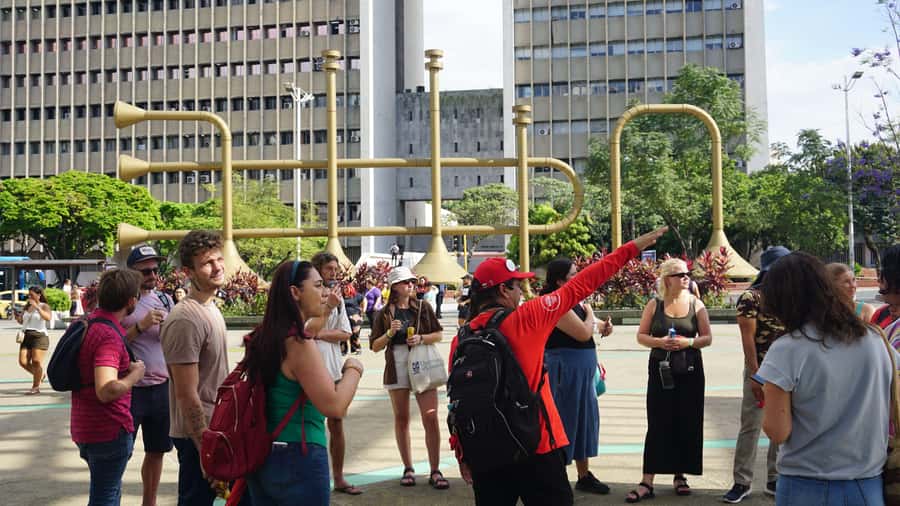
The Plazoleta de la Caleñidad gives the tour a place to discuss what it means to be caleño, or from Cali. The city’s self-image is tied to energy, musical skill, nightlife, style, and a strong sense of local belonging.
This is where the tour’s emotional center begins to take shape. Cali’s salsa is not presented as an imported product that the city simply adopted. Instead, the music became part of local life through a long process of migration, musical exchange, African heritage, and community expression.
I like this stop because it helps explain why salsa appears everywhere in the city’s public identity. It is not only found inside dance clubs. It is displayed in plazas, painted on walls, heard in social spaces, and used to express joy as well as hardship.
Do not expect a long visit at one fixed attraction. The value comes from the guide’s explanation and the way the stop connects to the rest of the walk. If you want a museum-style display with labels and indoor comfort, this will feel more informal.
Calle del Pecado and Cali’s street-level flavor
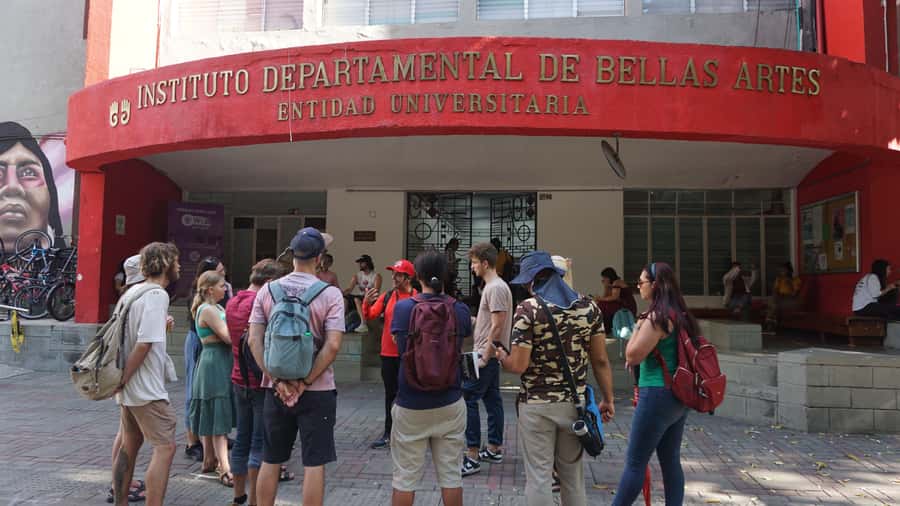
The route continues to Calle del Pecado, also called the street of flavor. The name points toward the playful, sensual, and social side of Cali’s public life. Salsa here is connected to rhythm, flirtation, movement, and the pleasure of being together.
This part helps balance the tour’s political material. Salsa can carry messages about injustice, but it can also be romantic, funny, dramatic, and celebratory. A good understanding of Cali needs both sides.
The guide’s job here is not to reduce salsa to a list of famous singers or dance techniques. Instead, you get a sense of how music works in daily social life. You might find the conversation especially useful if you are planning to go dancing later, since the tour includes recommendations for salsa bars.
The stop also shows why comfortable clothing is sensible. This is a walking experience in warm conditions, and you may be tempted to keep moving after the tour. Wear what lets you walk and stay comfortable rather than dressing for a formal evening out.
Same city, a completely different kind of day:
- Shared Tour Cali’s Historical Downtown
★ 4.8 · 143 reviews - The Cali Street Food Walking Tour
★ 5.0 · 81 reviews - San Cipriano Rainforest – River, Waterfalls and Adventure Day
★ 5.0 · 73 reviews - Cali: Street Food Tour
★ 4.8 · 71 reviews
River Boulevard and the curve that links music to the city
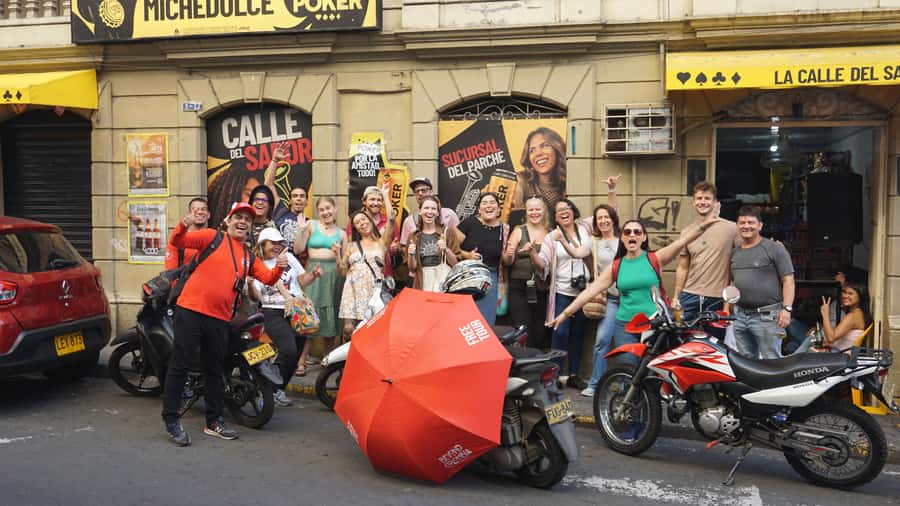
At the curve of the River Boulevard, the urban setting becomes part of the story. The route uses public space to show how Cali’s cultural life is not confined to one neighborhood or one club.
The boulevard section is also a good reminder that this tour is about seeing the city on foot. You are not being taken between attractions in a vehicle. You move through the streets, stop for explanations, and watch the surroundings change as the story moves from public celebration toward protest and remembrance.
The pace can vary by group. The full walk is listed as about 8 km, while the tour lasts approximately 2 hours or 150 minutes. That is a substantial distance in a short period, even with rest stops. If you have mobility concerns, a hot-weather limitation, or simply prefer slow sightseeing, ask yourself if you are ready for a brisk urban walk.
For most people, the walking is part of the point. Salsa grew through contact between people and communities, and the route lets you see the city as a lived-in setting rather than a string of isolated sights.
World Cup Tunnel, 5th Avenue, and public memory
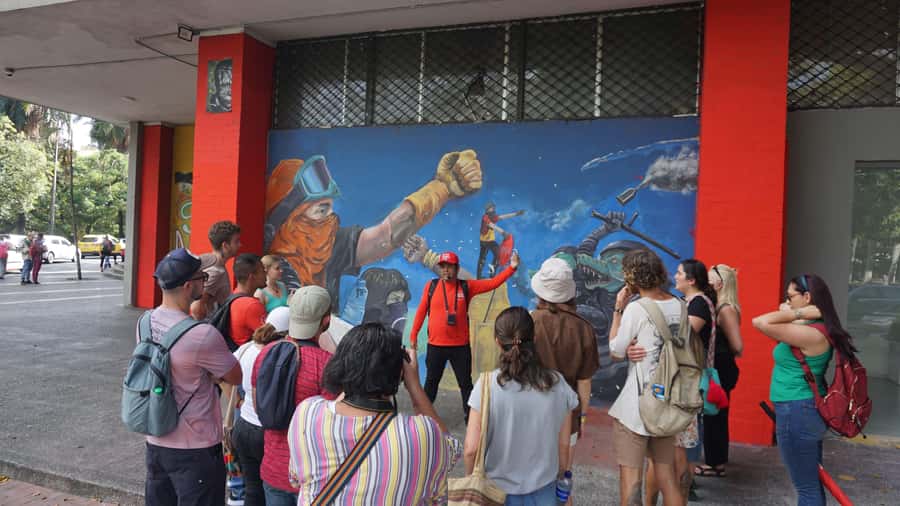
The World Cup Tunnel and 5th Avenue bring the tour into another section of central Cali. These are not treated as random photo stops. They help show how major public spaces carry layers of civic pride, music, and social memory.
The route’s graffiti is especially important here. Cali’s street art does not only decorate blank walls. Some murals honor musicians and salsa figures, while others speak about violence, victims, social movements, and the causes that have brought people into the streets.
That contrast is one of the strongest parts of the experience. You may see a cheerful salsa image close to a more serious activist message. The guide uses that proximity to explain how celebration and resistance can exist side by side.
This is also where you should keep your phone and wallet secure. The tour warns that parts of the route can be crowded. The local saying no dar papaya means not making yourself an easy target, so avoid displaying valuables and keep your friends close.
The N21 victims mural and salsa as resistance
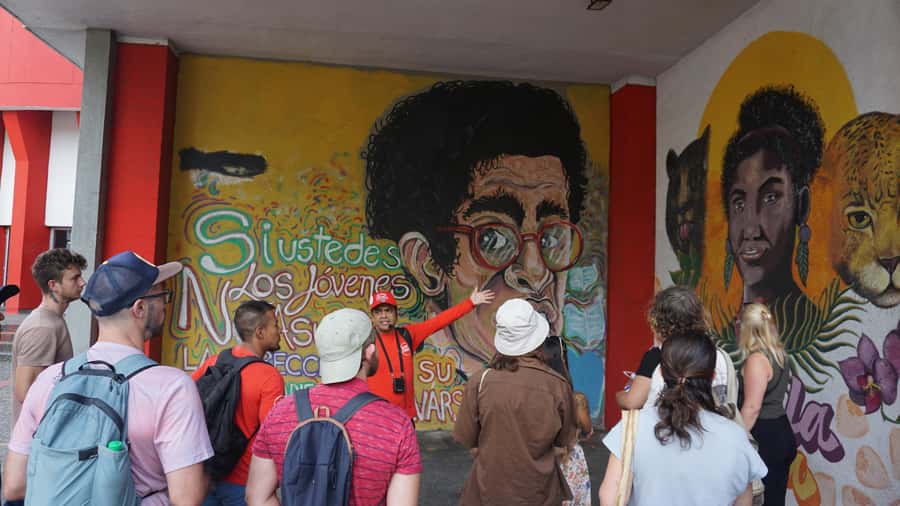
The graffiti monument to victims N21 gives the tour its clearest connection to recent social struggle. The stop shifts the focus from salsa as entertainment toward art and music as tools for public memory.
You will hear how songs and murals can preserve stories that might otherwise be ignored. Salsa’s lyrics have addressed historical events, difficult relationships, political ideas, and collective anger. Graffiti can carry similar messages in a visual form, especially when communities want to honor victims or call attention to injustice.
This material may feel heavier than the opening discussion of dance and nightlife. That change is intentional. The tour argues that the same city known for its parties also has a history of protest, solidarity, and conflict.
I value this part because it gives the experience a clear purpose. You are not just collecting colorful photographs. You are being asked to consider who gets remembered, how public art speaks, and why music can matter during periods of social tension.
Come with an open mind. The tour deals with resistance and social outbreaks, and it will make less sense if you only want a light introduction to salsa clubs.
Cult salsa bars and advice for your evening
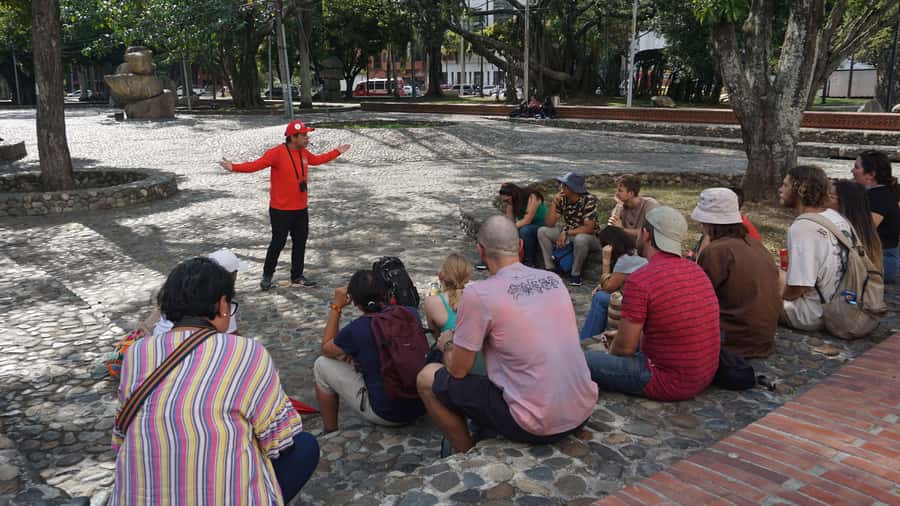
The tour includes recommendations for cult salsa bars. It does not include drinks, food, or admission to venues, so think of the advice as a useful next step rather than part of the ticket price.
This is one of the most practical benefits for a first visit to Cali. You can learn about the city’s salsa culture in daylight, then use the guide’s suggestions when deciding where to go at night. One booking experience also included a food recommendation that proved useful, but meals are not part of the tour itself.
Do not confuse the bar recommendations with a dance lesson. The experience is focused on history, public art, resistance, and cultural meaning. You may hear music and be encouraged to respond to it, but the stated purpose is understanding Cali’s salsa movement rather than learning a complete routine.
If you want a night out afterward, bring enough energy for it. The route is long, and walking 8 km before dancing may be more tiring than expected.
What the $13 price really gives you
At $13 per person, this is a strong-value way to spend an afternoon or morning in Cali. You are paying for a live guide, a prepared historical theme, a substantial walking route, and access to local recommendations. There are no added attraction tickets on the route, and the tour does not take you to places with sudden entrance charges.
The best value comes from the interpretation. You could walk past the plazas, murals, tunnel, and boulevard on your own, but you would miss the links between salsa, African emancipation, popular culture, and social activism.
The price does not cover transportation, food, drinks, souvenirs, or a private guide. It is a shared tour, so you will be part of a group and may need to adjust to its pace and interests. That keeps the cost low, but it also means this is not the choice for a private, highly flexible itinerary.
Showing the Beyond Colombia Free Walking Tour Map through its Linktree can also bring benefits or discounts with recommended partners. Check the current details before relying on a particular offer.
Practical details before you set out
Plan on 150 minutes, though the tour is also described as approximately 2 hours. The route covers about 8 km and includes pauses, so the exact finish time can depend on the walking pace and stops.
Bring:
- Comfortable walking shoes
- Water or another preferred drink
- Comfortable clothes
- A camera
- A secure way to carry your valuables
Smoking is not allowed. Wheelchair users should choose another activity because this tour is not considered suitable for wheelchairs.
The experience is available in English and Spanish, with an optional Spanish audio guide. Free cancellation is available up to 24 hours before the start, and you can reserve now and pay later, which helps if your Cali plans are still changing.
The tour provider, Beyond Colombia, has operated since 2013 and offers several original walking tours across Colombia. Its stated awards and recognition may reassure you, but the more useful question is whether this particular subject fits your interests. Here, the central theme is clear: salsa, graffiti, social history, and resistance.
Who will get the most from this experience
I would choose this tour if you want to understand why salsa matters to Cali rather than simply watch people dance. It suits first-time visitors who want an introduction to local culture, music fans interested in the story behind the songs, and anyone curious about the link between public art and social movements.
It is also a good fit if you plan to go dancing later. The guide’s recommendations can help you make a better evening plan, and the tour gives you a clearer sense of what makes Cali salsa different from a generic Latin music night.
You may want to skip it if you dislike long walks, need step-free access, or want a quiet sightseeing tour with little discussion of politics and protest. It is also not a substitute for a dedicated dance class.
The guide’s energy matters here. Cristian, known as Chris in some booking details, is described as animated, interactive, and strongly committed to Cali and salsa. That style can make the history easier to follow, but if you prefer a restrained guide and a slow pace, the experience may feel lively for the wrong reasons.
Should you book the Salsa, Graffiti and Resistance Experience?
Book it if you want context before nightlife. For $13, you get a long guided walk through central Cali, a useful introduction to salsa’s social roots, several important public-art stops, and advice for continuing your evening.
The best reason to go is the combination of subjects. Salsa, graffiti, and resistance are not treated as separate attractions. They are shown as connected forms of public expression in a city shaped by music, pride, conflict, and solidarity.
Just prepare for the distance. Drink water, wear proper shoes, secure your belongings, and arrive ready for serious stories as well as musical energy. If that sounds like your kind of city introduction, this is an inexpensive and thoughtful choice.
FAQ
Where does the tour meet?
Meet at Plazoleta Jairo Varela, near the red umbrellas.
How long does the tour last?
The tour lasts 150 minutes and is also described as approximately 2 hours.
How far will I walk?
You will walk about 8 km, with rest stops where the guide explains the sites and history.
What languages are available?
The tour is available in English and Spanish. An optional Spanish audio guide is also listed.
Is transportation included?
No. You walk the route, and transportation to and from your hotel is not included.
Are food and drinks included?
No. Food, drinks, and souvenirs are not included. Bring water, and the guide can recommend places for food and salsa afterward.
Is this a private tour?
No. This is a shared tour, so you join a group rather than booking an exclusive guide.
Can wheelchair users join?
No. The tour is not suitable for wheelchair users.
Just added around Cali
- Friday Salsa Pub Crawl in Cali★ 4.9 · 23 reviews
- Private Tour on a 1100cc Cruiser Motorcycle★ 5.0 · 4 reviews
- Flavors of Cali: Food tour at the local market★ 5.0 · 5 reviews
- Coffee Tasting Experience in Cali★ 5.0 · 13 reviews
- From Cali: Whale Watching Day Trip in Buenaventura★ 4.6 · 3 reviews
- Cali: Walking tour of the historic center★ 4.9 · 18 reviews
- Cali: Two hours walking Cali City discovery tour★ 5.0 · 3 reviews
- Cali: Hiking to the Pance waterfalls★ 4.9 · 15 reviews
Cali Salsa Tours, compared.
Historical Shared Tour Salsa, Graffiti & Resistance in Cali
Read our review →
Browse the lists this tour appears in