
Reviewed · FOOD & DRINK
Bogota´s Gastronomic Wonders – Experience the best traditional food
Bogotá’s food story makes most sense one bite at a time. This four-hour walk links La Perseverancia market, La Macarena, the Septimazo, La Florida Bakery, and La Candelaria, with fruit, pastries, hot chocolate, cheese, regional dishes, and Amazonian ice cream along the way. I like the route’s mix of food and city life, and I like that a private group lets you ask questions at your own pace.
I also appreciate the cultural side of the final stop, where an Embera woman explains coca’s role as a sacred food plant and why coca is not cocaine. The main caution is consistency: some departures have included many tastings, while others have offered far less food than expected, especially when markets or vendors were closed.
Key points before you book
- La Perseverancia market: Sample Colombian fruits and speak with traditional cooks in a working-class market founded in the early 20th century.
- Bogotá classics: Try hot santafereño chocolate with cheese, aguapanela, pastries, tamales, empanadas, and other regional foods when available.
- A city walk with the food: Move through La Macarena, the Septimazo, downtown, and La Candelaria rather than sitting in one restaurant.
- A meaningful final stop: Learn from an Embera woman about coca, indigenous nutrition, and the pressure faced by indigenous communities.
- Private attention: Only your group takes part, and guides such as Sandra, Emilio, Jorge, Luis Suarez, and Jaime have led highly praised departures.
- Timing matters: Morning visits give you the best chance of finding the market fully open and its vendors ready to serve food.
Why this Bogotá food walk is different
Many city food tours focus on a table, a tasting menu, or a single market. This one is more like a moving introduction to central Bogotá. You walk between neighborhoods, sample food in several settings, and watch the city change from an old market district to art-filled La Macarena, commercial downtown, and colonial La Candelaria.
That range is the tour’s strongest idea. Food becomes a way to understand Bogotá’s regions and social layers. Fresh fruit shows Colombia’s tropical variety. A bakery stop brings in local café culture. A savory dish served in a restored colonial house points toward the country’s many regional cooking traditions.
You pay $93 per person for about four hours. That is not a cheap snack crawl, so the value depends on how much your guide actually arranges for you. At its best, the route provides a full meal’s worth of small portions, a private guide, neighborhood context, and help with foods you might not recognize on your own.
At its weakest, you may simply be shown where to order and then left to choose for yourself. If you book, make your expectations clear at the start: you want active recommendations, explanations of each dish, and enough tastings to replace lunch. Lunch itself is listed as not included, despite the tour’s planned savory meal and substantial snacks.
A few more Bogota trips to weigh up
- Bogota Food Tour with over 12 Tastings & Tejo
★ 4.9 · 454 reviews - Bogotá: Craft Beer Tour with Tasting
★ 4.9 · 120 reviews - Bogota: Colombian Coffee Tasting
★ 4.8 · 92 reviews
Starting at Origen Bistro and reaching La Perseverancia
You meet at Origen Bistro, at Cra. 4 #12 C 88 in Bogotá’s Centro Histórico. The opening meeting is brief, then you head toward La Perseverancia food market. The tour does not include hotel pickup, drop-off, or transport between sites, so plan to reach the starting point yourself and expect to walk for most of the experience.
La Perseverancia was created by working-class residents at the beginning of the 20th century. That background matters. This is not simply a polished market arranged for sightseeing. It is tied to the daily food habits of local people, and the best part of the visit comes from speaking with cooks, vendors, and residents.
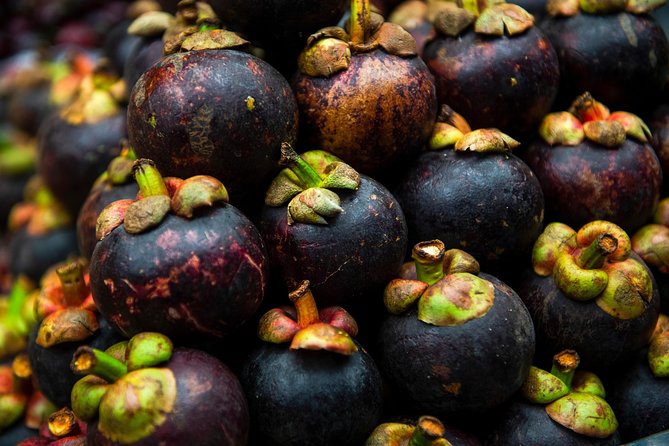
The market stop lasts about an hour. You may sample fresh fruits and juices, and your guide can help you make sense of produce that looks unfamiliar. One particularly useful part of a market visit is learning how to taste fruit without ordering a full serving of something you may not like.
The food here can vary with the day and time. Monday afternoons have been a poor choice for the main market activity because many stalls may be closed. Several departures have also found vendors winding down later in the day. I would choose a morning start if you have that option.
This is also where the guide makes or breaks the tour. A good guide does more than ask you to pick a fruit. Guides such as Sandra, Jorge, or Juan Frederick have been praised for staying involved, explaining what you are eating, and adjusting the route when conditions change. Ask questions early, especially if you want to try empanadas, arepas, tamales, fish, or other traditional dishes.
La Macarena, a short walk with a changed identity
From the market, you walk through La Macarena. The stop is listed at about 10 minutes, so do not expect a long neighborhood tour. Still, it gives you a useful contrast with La Perseverancia.
La Macarena was once known as a bohemian part of Bogotá. Today it is associated with international restaurants and art galleries. The short walk shows how central districts can shift in character, with older local life sitting close to newer dining and cultural spaces.
This part is more about orientation than eating. It breaks up the market visit and helps you understand the route’s geography. If you are hoping for a long food stop at every stage, the 10-minute timing is worth noting.
The Septimazo and La Florida Bakery
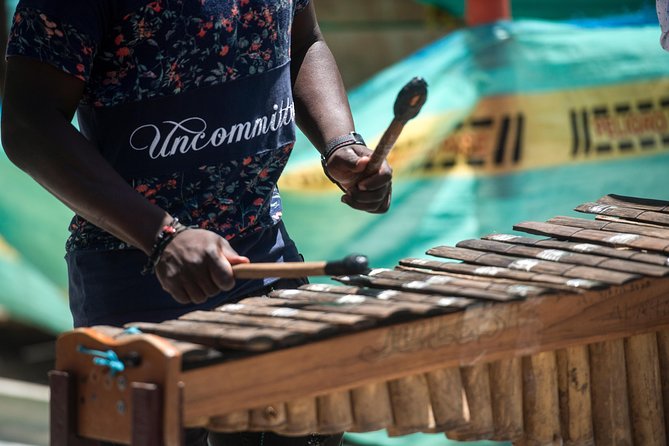
Next comes a walk along 7th Street, known here as the Septimazo. You pass street artists, singers, food carts, handicraft sellers, and landmark buildings. The road gives the tour some energy, but it also means you are walking through an active central corridor rather than moving between quiet tasting rooms.
The main food stop is La Florida Bakery, a traditional Bogotá bakery. Here you taste pastries with a hot drink. Depending on the planned serving, that may be aguapanela or hot santafereño chocolate with cheese.
The chocolate-and-cheese combination is one of Bogotá’s memorable food customs. You receive hot chocolate with pieces of cheese, which soften in the drink. It is sweet, salty, creamy, and pleasantly odd if you have never tried it. Aguapanela, made from panela, offers another classic Colombian drink with a simpler sweetness.
Past departures have also included tamales, coffee, churros, and other bakery foods. These items are not guaranteed in every departure, so ask your guide what is available that day. One of the most common complaints about this experience is not the quality of the food, but the lack of direction. If your guide leaves you to order whatever you want, you may miss the dishes that make the stop worthwhile.
From the bakery, the route heads southeast through downtown. You see newer cultural, commercial, and student buildings alongside colonial and republican structures. That contrast gives you a quick look at Bogotá’s changing center without turning the tour into a formal architecture walk.
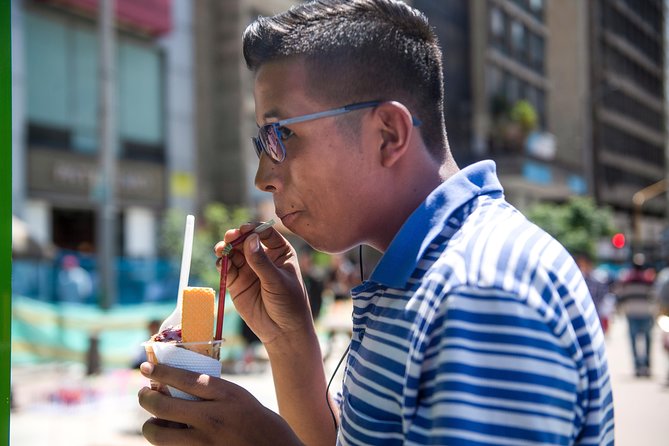
The sweet finish to this section is an artisanal ice cream made with exotic Amazonian fruits. This is one of the more unusual tastes on the route. You may recognize the basic ice cream format, but the fruit flavor gives it a clear Colombian and Amazonian connection.
Same city, a completely different kind of day:
- Bogota: Bicycle City Tour
★ 4.9 · 2,156 reviews - Zipaquirá: Salt Cathedral Group Tour with Pickup
★ 4.8 · 1,606 reviews - Bogotá: Guided La Candelaria Walking Tour
★ 4.8 · 1,229 reviews - Bogotá: Private City Tour, Monserrate, Emerald and Botero
★ 4.9 · 798 reviews
La Candelaria and a regional meal
The walk continues into La Candelaria, Bogotá’s historic district. Streets here bring together colonial houses, republican buildings, shops, cafés, and cultural sites. The tour uses the neighborhood as more than a backdrop. You stop at a restored colonial house for a savory meal featuring recipes from different parts of Colombia.
This is where the tour can begin to feel like a full meal rather than a sequence of isolated samples. You get a chance to sit, eat something substantial, and compare cooking traditions from outside Bogotá. Past departures have included food such as chicken soup, lechón, pork and rice, catfish, and tamales, though the exact dishes depend on the day and the chosen venue.
The description lists lunch as not included, which is confusing beside this planned savory serving. Treat the meal as a designated tasting rather than a guaranteed restaurant lunch. If you have a large appetite, bring that expectation into the tour. You may leave comfortably full, but you should not assume a formal multi-course lunch.
The walking route gives this meal more meaning. You are not only sampling a dish, but also seeing the buildings and streets where Bogotá’s central districts meet. Guides who add geographic and historical context make this section much stronger. Emilio, for example, has been praised for using the food route to explain the city and offer useful suggestions for the rest of a stay.
The Embera stop and the meaning of coca
The final stop is an indigenous store in La Candelaria. You taste some coca leaf products and speak with an Embera woman about the plant. This is an important part of the experience because it moves beyond novelty food.
Coca is a sacred plant and a source of nutrition for some indigenous communities. The conversation explains the difference between coca leaf and cocaine, a distinction that is often lost in casual discussion. You also hear about efforts to preserve indigenous culture, economic life, and traditions while facing pressure from narcos, industry, and government policy.
This stop lasts about an hour and 25 minutes, making it the longest portion after the market. That time allows for conversation rather than a quick sample. You should approach it with respect and curiosity. The point is not simply to taste a product that sounds unusual. It is to understand why the plant matters and how food, identity, and political conflict can overlap.
For me, this is the route’s most thoughtful feature. It gives the tour a human story that a standard food crawl may miss. If you prefer a tour focused only on eating, this extended conversation may feel like a change of subject. If you want food connected to culture, it adds real substance.
How much food will you actually get?
The tour promises enough designated meals and snacks to make up a full meal. That can mean fruit, juices, pastries, hot drinks, ice cream, a savory regional dish, and coca products, with extra items such as empanadas or tamales depending on the guide and the day.
The important word is designated. Not every possible food named in the route is guaranteed. Market schedules, vendor availability, group preferences, and guide choices affect what you taste. One departure included only a few fruits and the bakery stop, with little food afterward. Another included fruit, coffee, breads, lechón, soup, and several other traditional servings.
I would ask three direct questions when you meet your guide:
- What are we tasting today?
- Which Colombian foods do you recommend I do not miss?
- Is there a full savory serving later, or should I plan another meal?
That small conversation can turn a passive walk into a proper food tour. You should also state dietary requirements when booking. The minimum age is 10, and the route is best for anyone comfortable walking in comfortable shoes and clothes for about four hours.
Guide quality and the private format
This is a private activity, so only your group participates. That is a real advantage in a market. You can stop at a stall, ask for a translation, or spend more time on a food without waiting for a large group to gather.
The guide language can be Spanish or English. Past guides have included Sandra, Emilio, Jorge, Luis Suarez, Jaime, and Juan Frederick. Their styles have varied, but the strongest departures share the same traits: they explain the food, offer clear recommendations, answer questions, and adjust when a stop does not go as planned.
Private does not automatically mean better. It gives you the chance to shape the experience, but you need to speak up. Tell the guide if you want more street food, more history, more time at the market, or a faster pace. A quiet guide may otherwise lead you through the planned route without adding enough detail.
The tour ends back at the meeting point. Since no transport between sites is included, this is a walking experience with nearby public transportation available. Give yourself extra time to reach Origen Bistro, and wear shoes that can handle city streets.
Is $93 a fair price?
At $93, this tour is priced above a simple market walk or self-guided bakery crawl. You are paying for a private guide, language support, a four-hour route, planned tastings, and access to conversations that may be harder to arrange alone.
The value is good if your guide is active and the food stops are fully operating. A private tour can be especially useful on a first day in Bogotá, when you want orientation as well as food. It can also suit solo visitors who prefer personal attention and families with older children who are curious about unfamiliar tastes.
The value is weaker if you expect every food named in the description, a traditional lunch, or a steady stream of street food. The itinerary includes significant walking and cultural explanation, not four hours of continuous eating.
Free cancellation is available until 24 hours before the start time. Changes or cancellations inside that window are not accepted for a refund. Tips, personal expenses, and hotel transport are extra.
Who should book this experience?
I would book this tour if you want a broad first look at Bogotá’s food culture and prefer a private route to a large group. It works well for adventurous eaters, solo visitors, couples, and families with children aged 10 or older. It is also a good fit if you want food paired with neighborhood context rather than a restaurant-only outing.
Choose a morning departure, especially if the market is a priority. Go hungry, but not with the expectation of a guaranteed restaurant lunch. Ask for specific dishes, and tell your guide that you want explanations, not just directions to a counter.
I would skip it if you want a tightly controlled tasting menu, guaranteed quantities, or a tour devoted entirely to street food. In that case, the walking and indigenous culture section may feel like time taken away from eating.
FAQ
How long does the Bogotá food tour last?
The experience lasts approximately four hours.
Where does the tour start?
You meet at Origen Bistro in Bogotá’s Centro Histórico, at Cra. 4 #12 C 88.
Where does the tour end?
The activity ends back at the meeting point.
Is transportation included?
No. Hotel pickup, hotel drop-off, transportation between sites, and personal expenses are not included.
What languages are available?
You can request an expert guide in English or Spanish.
Is lunch included?
Lunch is listed as not included. The tour does include designated meals and snacks, including planned tastings at the market, bakery, colonial house, and indigenous store.
What is the minimum age?
The minimum age is 10 years. Specific dietary requirements should be provided when booking.
Should I choose a morning departure?
A morning departure is recommended if you want the best chance of finding La Perseverancia market fully open, since some vendors may be closed later in the day or on Monday afternoons.
Should you book Bogota’s Gastronomic Wonders?
Book it for the route, the private attention, and the chance to connect Bogotá’s food with its neighborhoods and indigenous culture. Choose a morning time, arrive hungry, and clearly ask your guide to recommend and explain the food.
The experience earns its price when the guide takes an active role and the market is open. If those details matter to you, confirm them before starting. With the right timing and an engaged guide, this can be a flavorful introduction to Bogotá rather than just a walk with occasional snacks.
Just added around Bogota
- Zipaquira: 5 hrs Salt Cathedral Tour★ 4.4 · 9 reviews
- Zipaquirá: Private Salt Cathedral Mine and Walking Tour★ 4.8 · 3 reviews
- Zipaquirá: Private tour to the Salt Cathedral, Colombia’s first wonder★ 4.9 · 33 reviews
- Wonders of Salt: Colombia’s Underground Cathedral★ 5.0 · 18 reviews
- Zipaquirá Salt Cathedral & Andrés Carne de Res (Chía)★ 4.6 · 30 reviews
- Private Zipaquira Salt Cathedral and Guatavita Lagoon Tour from Bogota★ 4.5 · 44 reviews
- La Candelaria Walking Private Tour (3 Hrs.)★ 5.0 · 51 reviews
- Hiking to the largest paramo on earth : Sumapaz★ 5.0 · 49 reviews
Food & Drink, compared.
Comuna 13 Graffiti Tour, Cable Car & Street Food
Read our review →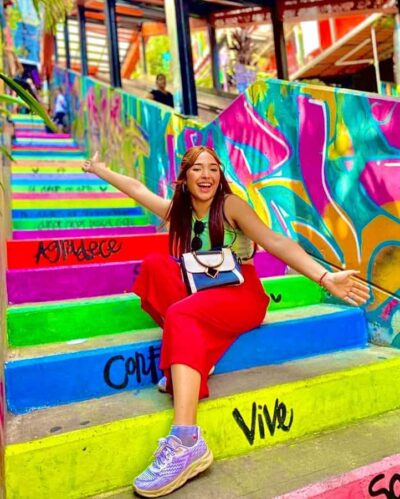

Street Food and Poblado Rooftop Tour with a Local
Read our review →
Boutique Rum and Chocolate Tasting at Lunático
Read our review →Browse the lists this tour appears in