
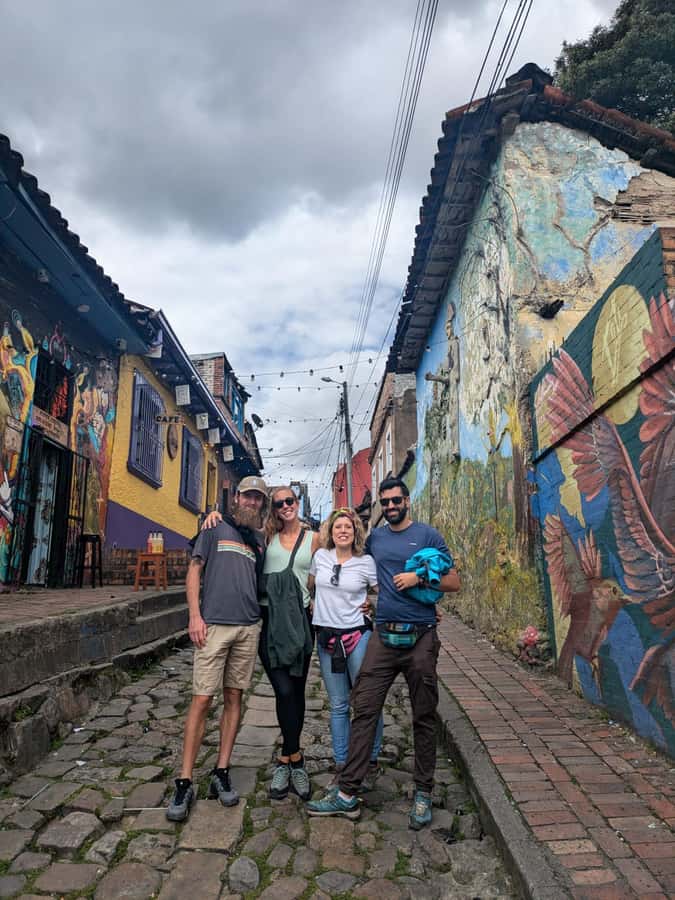
Reviewed · LA CANDELARIA WALKING TOURS
Candelaria Unveiled: Cool-tural Heritage Walking Tour
La most interesting part of this La Candelaria walking tour is its route through Bogotá’s oldest streets, where a market, a narrow cobbled lane, a colonial church, grand government buildings, and modern cultural spaces all sit within a short walk. You get a quick lesson in how Bogotá grew from a 1538 Spanish settlement into Colombia’s capital.
I like the mix of street life and serious history, especially at La Concordia Market and Chorro de Quevedo. I also like that the walk ends at the Botero Museum, with entrance to some museums and churches included. The main caution is guide reliability: one verified booking recorded a no-show, so confirm the meeting details close to departure.
- A 150-minute route through Bogotá’s historic core, beginning at the Policarpa Salavarrieta monument and ending at the Botero Museum.
- Chorro de Quevedo and Callejón del Embudo, two places that connect Bogotá’s colonial streets with its earliest Spanish history.
- La Concordia Market, where craft shops, local produce, art, and daily neighborhood life meet.
- Plaza de Bolívar and Palacio San Carlos, giving you a close look at Colombia’s political and religious center.
- A practical city briefing, with recommendations for restaurants, clubs, and things to do after the walk.
- English or Spanish guiding, with guides including Jorge and Sharik praised for clear explanations and friendly service.
Why This La Candelaria Walk Works So Well
La Candelaria is the part of Bogotá where the city’s layers are easiest to read. You can move from colorful colonial façades to major public buildings, then into museums and cultural centers, all without needing a taxi between stops.
That makes this tour useful early in your Bogotá stay. In two and a half hours, you get a basic map of the historic center and a list of places to return to. You also get restaurant, club, and activity suggestions from a local guide, which can save you from spending your first evening guessing where to go.
The price is $16 per person. That is a reasonable rate for a guided walk of this length, especially since entrance to some museums and churches is included. It is not a full-day sightseeing program, and you should not expect every building on the route to receive a long interior visit. Still, the combination of guiding, cultural context, and museum access gives the tour useful value.
The route is offered in English and Spanish. Previous guides named Jorge and Sharik received especially strong praise for their explanations, city knowledge, friendly manner, and ability to answer questions. That matters in La Candelaria, where a good guide can explain why a plain-looking street corner has importance that is not obvious at first glance.
Starting at the Policarpa Salavarrieta Monument
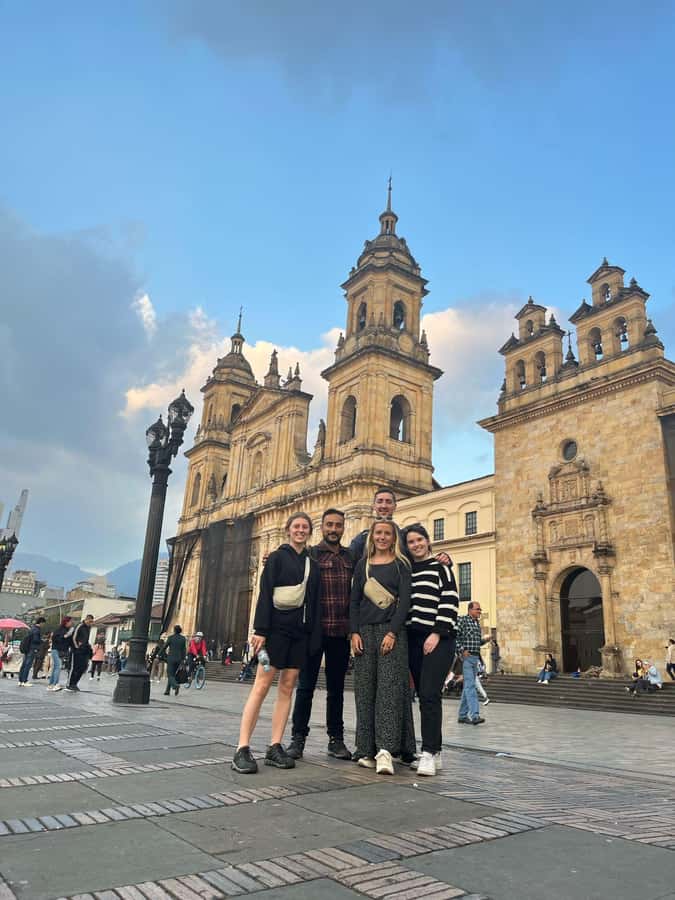
The meeting point is in front of the monument to Policarpa Salavarrieta, known as La Pola, a heroine of Colombia’s liberation campaign. This is a fitting place to begin because her story brings Colombia’s struggle for independence into the tour from the first minutes.
You should arrive with the monument clearly identified before the starting time. The tour information does not specify a group size, so the number of people on your departure may vary. One past participant had a very small group of just two people, which allowed the guide to answer many questions. A larger group may feel less personal, but the route remains manageable on foot.
This is also a good moment to tell your guide what interests you most. If you care about architecture, political history, food, art, or nightlife, say so early. The tour includes general recommendations, and a short conversation at the beginning may help make those suggestions more useful to you.
More La Candelaria Walking Tours in Bogota:
- Bogotá: Guided La Candelaria Walking Tour
★ 4.8 · 1,229 reviews - Bogotá: La Candelaria Graffiti & Urban Art Guided Tour
★ 4.7 · 250 reviews - Shared Tour of Bogota’s Historic Downtown (La Candelaria)
★ 4.7 · 100 reviews
La Concordia Market and Everyday Bogotá
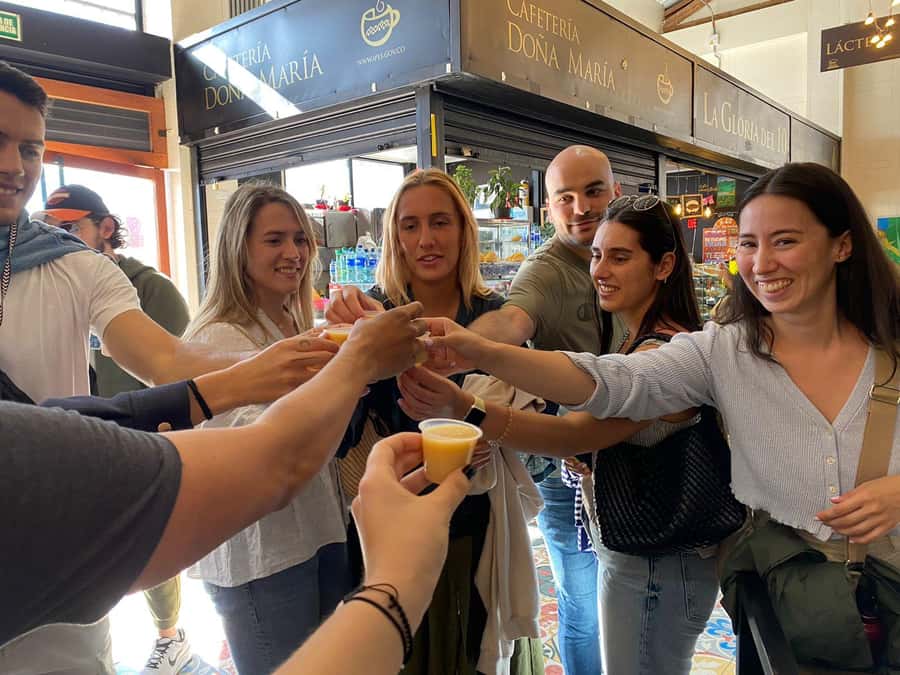
The first major stop is La Concordia Market, a place where art, food, craft shops, and local tradition come together. This is more than a scenic pause. It helps you see La Candelaria as a living neighborhood rather than an open-air museum.
You can expect the guide to explain the market and point out its cultural role. A farmer’s market gives the stop a practical, everyday feel, while the craft shops add a look at local creative work. The information provided does not promise tastings or purchases, so treat this as a guided cultural stop rather than a dedicated food tour.
I like this early section because it gives the walk some texture before the formal monuments begin. You see places where people shop and work, not just buildings preserved for visitors. If you want to buy something, keep in mind that the tour continues on foot and lasts 150 minutes, so small items are easier to manage than large purchases.
Callejón del Embudo and the Story Beneath the Street
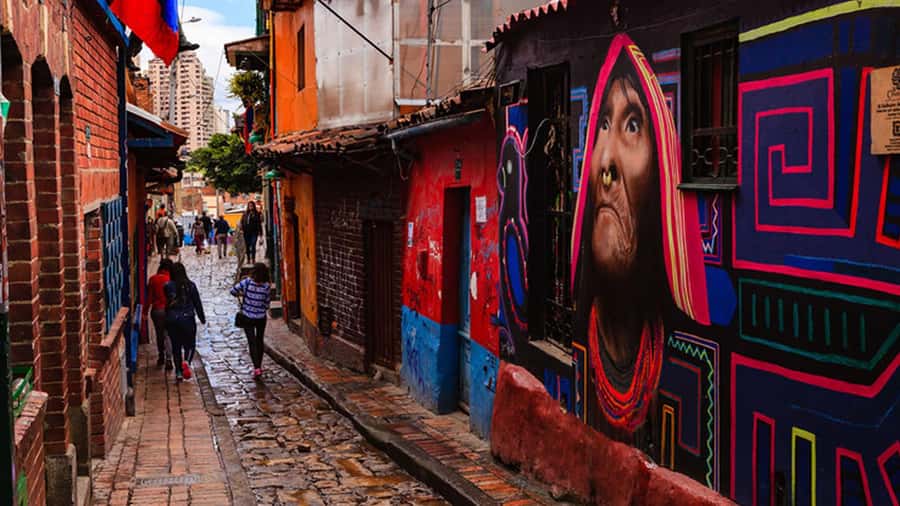
The route includes Callejón del Embudo, a narrow cobbled street shaped like a funnel. Its unusual form is linked to the edge of the old Quebrada de San Bruno, so the street itself carries a clue to the older terrain beneath modern Bogotá.
This is the type of stop that benefits from a guide. On your own, you may notice the shape and the stone surface but miss the connection to the former waterway. The guide turns a quick passage into a piece of urban history.
Cobblestones can be uneven, so wear shoes that feel secure. The tour is listed as wheelchair accessible, but you should still consider the practical effect of narrow, historic streets and changing surfaces. The official accessibility information supports wheelchair access, yet the specific ease of every section is not explained.
Chorro de Quevedo, Bogotá’s Founding Point
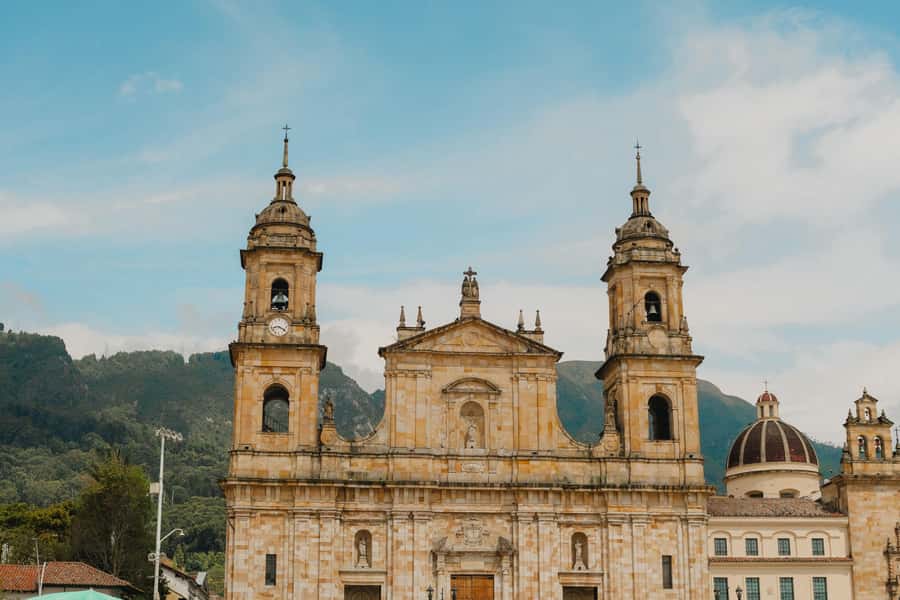
At Chorro de Quevedo Plaza, the guide explains the traditional account of Bogotá’s founding in 1538 by Spanish conquistador Gonzalo Jiménez de Quesada. This is one of the route’s key history stops and gives you a reference point for the city’s Spanish colonial beginning.
The plaza also helps connect several themes running through the walk: settlement, religion, architecture, and the growth of a capital. You are not simply looking at an old square. You are considering why this area became central to Bogotá’s story.
The stop is especially useful if this is your first introduction to Colombian history. The tour promises historical and cultural context rather than a simple list of dates, and that broader approach can help you understand later stops such as Casa de La Pola, Palacio San Carlos, and Plaza de Bolívar.
A few more Bogota trips to weigh up
- Historical tour Bogota
★ 5.0 · 72 reviews - 7-hour City Tour of Historic Bogotá with Monserrate
★ 4.7 · 47 reviews - From bogota: Salt Cathedral tour a Cultural Heritage Tour
★ 4.5 · 23 reviews - Bogota’s Historic Center and Monserrate in one day
★ 4.9 · 8 reviews
Teatro Colón and the Cultural Side of the Old City
The itinerary includes a guided stop at Teatro Colón. The supplied details do not specify an interior performance or backstage visit, so you should think of this as a cultural and architectural explanation rather than a theater show.
Including the theater gives the walk a broader range. La Candelaria is often associated with churches and colonial houses, but its cultural identity also includes formal arts institutions. Your guide can place the theater within the wider story of Bogotá’s public life and creative scene.
This is one reason the route feels more useful than a simple monument circuit. It moves between markets, historic streets, government buildings, religious sites, museums, and cultural institutions. You get several ways to understand the neighborhood.
Plaza de Bolívar and Colombia’s Political Center
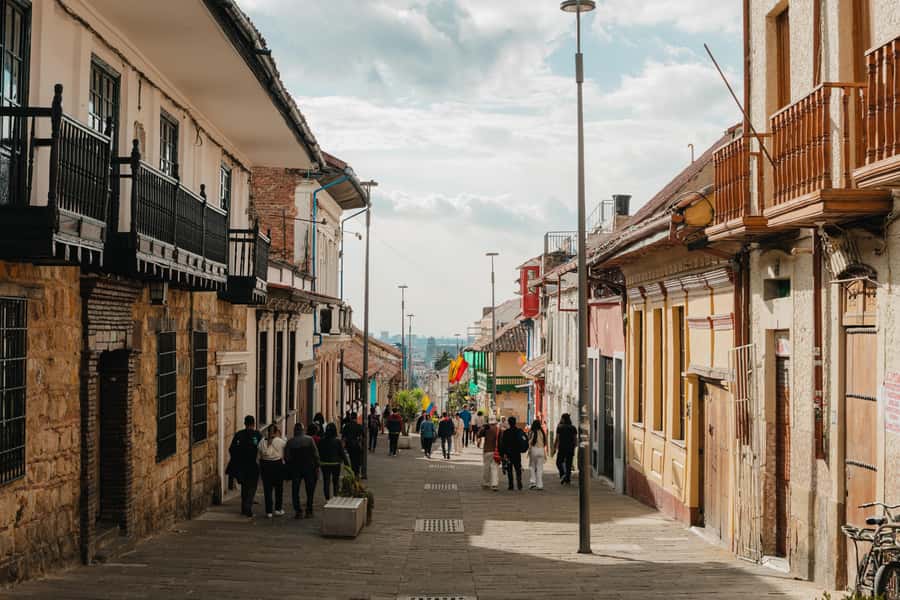
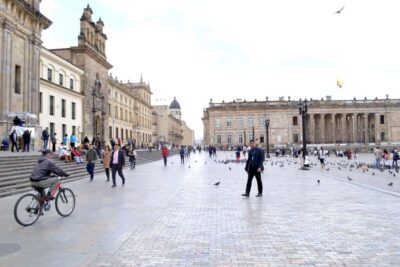
Plaza de Bolívar is the heart of the historic center. It is surrounded by major buildings, including the Palace of Justice and the National Capitol, and it gives you the clearest sense of Bogotá’s political importance.
Allow yourself time to look around rather than treating this as just another photo stop. The scale of the square contrasts with the tighter lanes of La Candelaria, and the surrounding buildings show how the district shifts from local neighborhood streets to national institutions.
The guide’s role here is important. A square filled with official buildings can seem formal and distant, but a good explanation connects the architecture to Colombia’s government and public history. Guides Jorge and Sharik were particularly well regarded for making history clear and keeping the walk engaging.
Plaza de Bolívar is also a useful orientation point. After the tour, you will know where the central government buildings are and how they relate to the museums and cultural sites nearby. That basic map can make independent exploring easier.
Palacio San Carlos and Iglesia San Ignacio
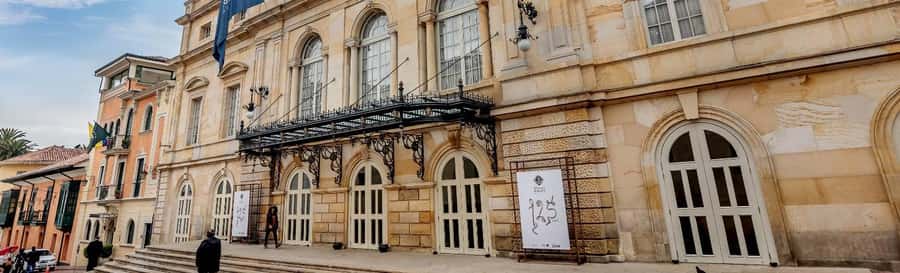
The route also brings in Palacio San Carlos, formerly the official residence of the President of Colombia. This stop adds a residential and political dimension to the tour, showing how important figures once lived and worked within the historic center.
Nearby, Iglesia San Ignacio represents the religious architecture of the area. It was built in the 17th century and is one of the tour’s notable church stops. Entrance to some churches is included, although the exact access arrangement may vary by departure.
I appreciate having both political and religious buildings on the route. Together, they show how power was organized in colonial and early national Bogotá. The tour does not present La Candelaria as only a pretty collection of old façades. It explains the institutions that shaped the city.
Because the walk is limited to 150 minutes, do not expect a long architectural lecture at every building. The advantage is range. You see more types of places, while the guide provides enough context to help you decide where to return for a longer visit.
Gabriel García Márquez Cultural Center and the Manzana Cultural
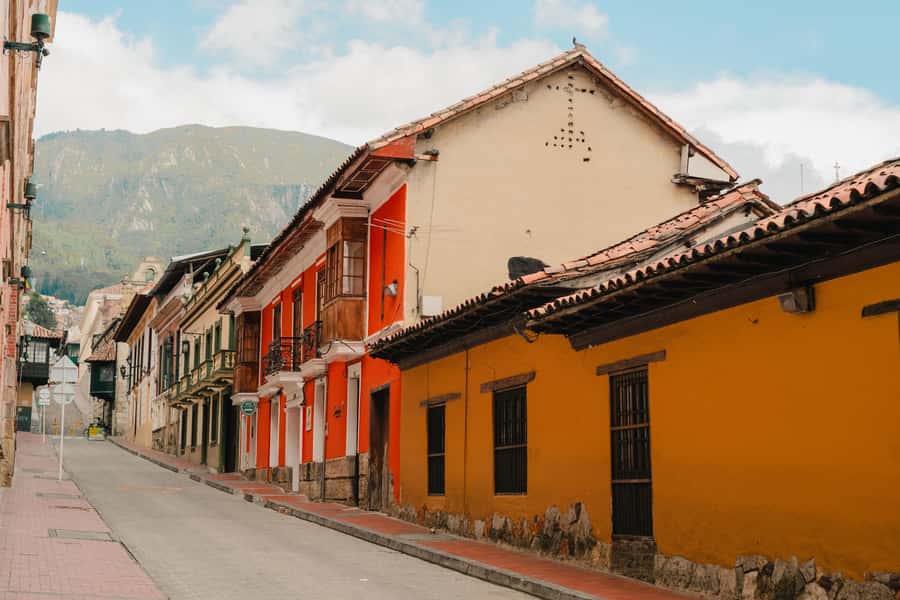
The Gabriel García Márquez Cultural Center is another guided stop, bringing the route into Bogotá’s modern cultural life. Its inclusion helps balance the older colonial sites and shows that La Candelaria remains a place for literature, public culture, and the arts.
The itinerary also refers to the Manzana Cultural, an area associated with three important museums, including the Botero Museum. This cluster matters because you can continue your cultural afternoon after the walking tour without crossing the city.
The tour is not only about looking backward. Its strongest idea is the connection between old and new: colonial streets alongside museums, churches beside cultural institutions, and political history alongside contemporary city advice. That blend suits first-time visitors who want an overview before choosing their longer visits.
Ending at the Botero Museum
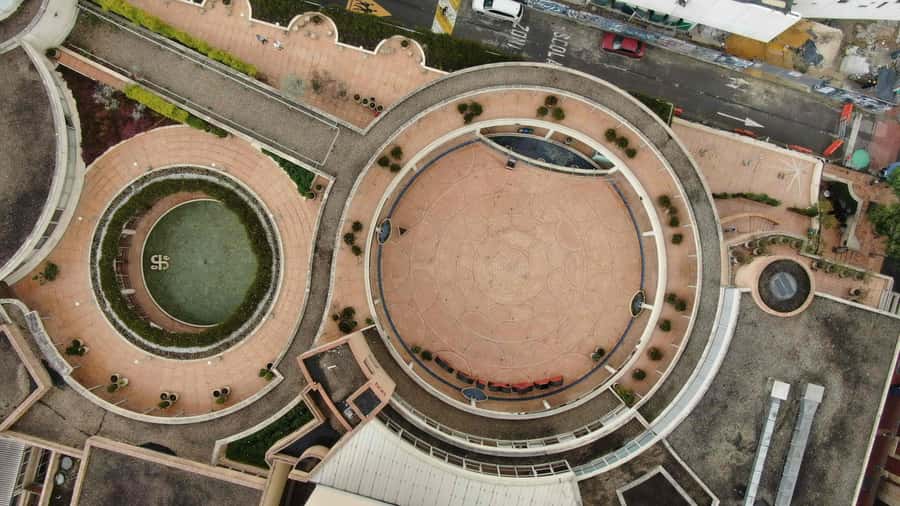
The walk ends at the Botero Museum, where a museum visit is included. This is a strong finish because you move from outdoor interpretation into a focused art collection.
The provided information does not state how much time you receive inside the museum or whether the guide accompanies you throughout the visit. Plan for the tour to finish there, then check the museum’s displays at your own pace if time and access allow.
Ending here also gives you a practical next step. If you enjoy the collection, the Manzana Cultural area contains other important museums nearby. If art is not your main interest, you can still use the location as a convenient point from which to continue exploring central Bogotá.
The museum stop adds value to the $16 price, but do not book this tour solely for museum access. The main product is the guided neighborhood walk. The museum is an added cultural component, not a substitute for a dedicated museum tour.
Guides, Language, and the Feel of the Experience
The tour operates in English and Spanish. That makes it accessible to a broad range of visitors, and the feedback attached to the experience gives two guide names worth noting: Jorge and Sharik.
Jorge was praised for explaining the city and its history through a well-planned neighborhood route. Sharik was praised for answering many questions and making the walk enjoyable, even with a very small group. Those details suggest that the guide can shape the experience more than the basic route does.
You should bring questions. The walk includes recommendations for restaurants, clubs, and activities, so asking about your interests can make the final advice more relevant. The tour is especially helpful if you want more than dates and building names.
There is one serious point to keep in mind. One verified booking recorded that the guide never arrived. Most available ratings were positive, including several top marks, but this isolated failure is still worth treating seriously. Confirm your meeting point, time, and operator contact information before setting out, and avoid building an important timed connection around this walk.
Who Will Get the Most From This Tour
I would choose this tour for a first or second day in Bogotá. You get an efficient introduction to La Candelaria, a useful list of places to revisit, and basic advice for the rest of your stay.
It suits you best if you:
- Want history explained in plain language rather than only a photo walk.
- Enjoy mixing markets, architecture, churches, museums, and public squares.
- Prefer a short city tour instead of a full-day commitment.
- Want English or Spanish guiding.
- Plan to explore restaurants, clubs, and other city activities after the walk.
- Like asking questions and adapting the conversation to your interests.
It may be less suitable if you want an in-depth museum tour, extended time inside every church, or a slow photography walk. The route covers many locations in 150 minutes, so the pace needs to keep moving.
The tour is listed as wheelchair accessible. People over 95 are specifically excluded from the activity. Other than that, the information does not list additional restrictions.
Is the $16 Price Worth It?
At $16, I see this as a good-value orientation walk. A guide gives you context at several historic locations, and some museum and church entrances are included. The route also ends at the Botero Museum, which makes it easy to continue your afternoon in the cultural center.
The value is strongest when you use the tour as a starting point. Take notes on places you want to revisit, ask for practical recommendations, and pay attention to how the streets connect. You will get more from the experience than if you simply follow the guide and leave without a plan.
The price does not guarantee a private tour, a fixed group size, or long visits at every stop. You are paying for a compact introduction, not a specialist seminar. For most first-time visitors, that tradeoff makes sense.
Final Call: Book It If You Want a Smart First Look at Bogotá
I would book Candelaria Unveiled if you want a short, affordable introduction to Bogotá’s historic center, with enough history to make the streets meaningful and enough practical advice to shape the rest of your stay.
Book it early in your visit, wear comfortable shoes, and arrive ready to walk over cobblestones and ask questions. The route is broad rather than exhaustive, and the guide may be the biggest variable. The strong experiences with Jorge and Sharik are encouraging, while the reported no-show means you should confirm the departure before you go.
For $16, the mix of Chorro de Quevedo, La Concordia Market, Plaza de Bolívar, colonial buildings, cultural centers, and the Botero Museum is a sensible choice for curious first-time visitors.
FAQ
Where does the tour begin?
The meeting point is in front of the Monumento a Policarpa Salavarrieta.
Where does the tour finish?
The tour finishes at the Botero Museum.
How long does the experience last?
The tour lasts 150 minutes, or two and a half hours.
What languages are available?
Live guiding is available in English and Spanish.
Is the Botero Museum included?
The itinerary includes a visit to the Botero Museum, and entrance to some museums and churches is included. The exact amount of time inside the museum is not specified.
What places are visited?
The route includes La Concordia Market, Chorro de Quevedo Plaza, Teatro Colón, Plaza de Bolívar, the Gabriel García Márquez Cultural Center, and the Botero Museum. It also covers sites such as Callejón del Embudo, Casa de La Pola, Palacio San Carlos, and Iglesia San Ignacio.
Is the tour wheelchair accessible?
Yes. The activity is listed as wheelchair accessible.
Can I cancel for a full refund?
Yes. You can cancel up to 24 hours in advance for a full refund.
Do I have to pay when I reserve?
No. The reserve now and pay later option lets you book your place without paying anything at the time of reservation.
More Walking Tours in Bogota
- Zipaquirá Salt Cathedral Private Tour + Walking Tour
★ 5.0 · 66 reviews - Bogota Walking Tour Teusaquillo a different part of the city
★ 4.2 · 26 reviews - Bogotá: Private Candelaria Walking Tour and Gold Museum
★ 5.0 · 17 reviews - Bogotá: Private Candelaria Walking Tour with Gold Museum
★ 5.0 · 11 reviews
Just added around Bogota
- Paragliding Activity with Transfers from Bogota★ 4.9 · 21 reviews
- Monserrate Express tour 3 hrs★ 4.6 · 6 reviews
- Nemocón Salt Mine Tour★ 5.0 · 3 reviews
- La Chorrera and Chiflon Waterfalls Private Hike Tour★ 5.0 · 7 reviews
- Layover City Tour or Conexion in Bogota★ 4.5 · 5 reviews
- Bogota: Horseback Riding Tour★ 5.0 · 5 reviews
- Guatavita: Tour to Guatavita Lagoon, the Village and Casa Loca★ 4.8 · 19 reviews
- 7-hour City Tour of Historic Bogotá with Monserrate★ 4.7 · 47 reviews
La Candelaria Walking Tours, compared.
Shared Tour of Bogota’s Historic Downtown (La Candelaria)
Read our review →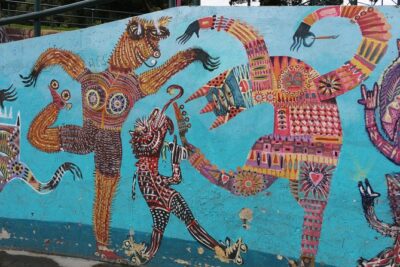
Graffiti Tour in La Candelaria Bogotá with Transportation
Read our review →
VIP Bogota City Tour: Farmers Market, Monserrate, Candelaria, 9hr
Read our review →
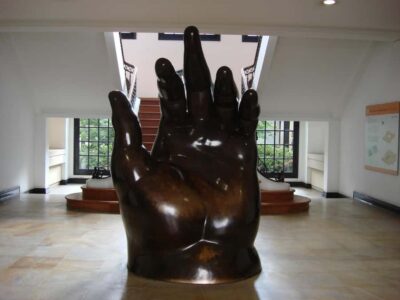
Private Guided Tour with Monserrate & La Candelaria
Read our review →
La Candelaria, Mount Monserrate and Museo del Oro in One Day in Bogota
Read our review →Browse the lists this tour appears in