
Reviewed · COFFEE EXPERIENCES
Coffee, Cocoa and Trekking Tour in Minca: Nature, Crops and Production
Minca’s best flavors begin in the soil, and this half-day outing lets you follow coffee and cacao from plant to finished product. You walk from the village into the Sierra Nevada, visit a small family farm, and taste handmade products where they are grown. The farm visit feels personal, not like a polished factory tour.
I like the mix of food and forest: one moment you are learning how cacao is processed by hand, and the next you are on a tropical trail beside clear water. I also like that the fee supports a local farm and community-based tourism. The catch is the uphill hiking, which can feel hearty in warm, humid weather, and food, drinks, and transportation are not included.
Key points to know before booking
- The walk starts at Minca Park: Meet beside the church or small chapel in the village center, then return there at the end.
- Coffee and cacao are treated as working crops: You learn about planting, harvesting, and production, including more sustainable farming methods.
- The farm visit is family-run: Finca San Rafael offers a closer look at manual cacao production and local coffee cultivation.
- The route includes nature, not just tasting: Expect tropical forest, native plants, old trees, rivers, and mountain viewpoints.
- A waterfall stop may include a swim: Bring a swimsuit or clothes that can get wet and dirty if you want to use the natural water.
- The hike is not for everyone: Children under eight, pregnant women, wheelchair users, and people with respiratory issues are advised not to join.
Why this Minca tour works
Minca is known for its cool mountain setting above Santa Marta, but the real story is agricultural. Coffee and cacao are not simply products placed on a tasting table here. They are part of the local economy, family life, and identity of the Sierra Nevada.
This tour gives you a useful look at that connection. You visit a sustainable farm, hear how crops are grown, and follow the stages that turn them into something you can drink or eat. The result is more satisfying than a quick sample because you understand the work behind each taste.
I especially like the balance. Some farm visits can feel too technical, while some nature walks barely explain what you are seeing. Here, the guide links the crops to the forest, water, soil, and communities that depend on them.
The tour costs $41 per person and lasts about four and a half hours. That is fair value if you want several experiences in one outing: a guided hike, a farm visit, coffee and cacao tastings, cultural context, and access to natural water sources. You will need to buy your own food and drinks, and no transportation is included, so budget for those separately.
A few more Santa Marta trips to weigh up
- Tayrona Park Hike And Beach Day
★ 5.0 · 91 reviews - Guided Hiking through Tayrona National Park and Cabo San Juan
★ 4.5 · 73 reviews - Trekking History and Indigenous Heritage in Minca + Cacao & Coffee + Waterfall
★ 4.9 · 63 reviews
Starting at Minca Park and crossing the village
The meeting point is central Minca Park, beside the church or small chapel. This is a sensible place to begin because it is easy to identify and puts you directly in the village rather than at a distant farm.
The first part of the outing helps you move from town life into the countryside. The route includes a stop at the Puente de Minca, where the guide provides about an hour of explanation and orientation. You can expect local stories, an introduction to Minca, and context about how the community relates to its surroundings.
This stop matters because the tour is not only about coffee and cacao. You are also learning how a mountain community uses its water, farmland, forests, and roads. The bridge provides a natural transition from the built-up center to the trails beyond it.
Wear shoes with a good grip from the start. The instructions list both comfortable walking shoes and hiking shoes, which tells you what sort of outing this is: not technical mountaineering, but more demanding than a flat stroll through town.
Walking into the Sierra Nevada
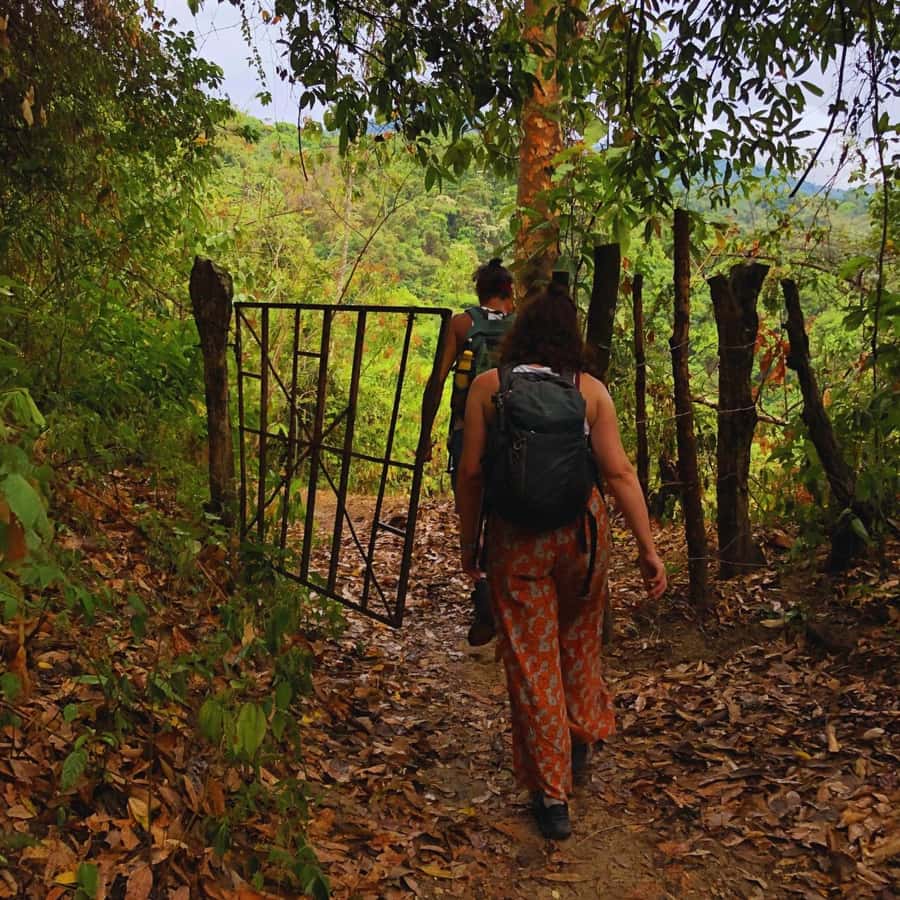
The hiking section leads through natural trails in the Sierra Nevada de Santa Marta. The region has several climate zones because of its changing elevation, and that helps explain the range of plants and crops found around Minca.
You may see native plants, old trees, and tropical forest along the route. The guide also points out how rivers and natural water sources support the ecosystem and local agriculture. The scenery changes as you walk, with green forest, misty mountain areas, and distant views toward the Caribbean Sea.
This is where the tour earns its trekking label. One booking described the route as a hearty uphill hike, and you should take that seriously. The walk is not presented as a gentle garden path. Bring water, wear proper footwear, and plan for heat, mud, uneven ground, and clothing that may get dirty.
The physical effort is part of the point. You see the farms in their real setting rather than arriving at a neat roadside display. Still, anyone with limited mobility or breathing problems should choose another activity. The experience is not suitable for wheelchair users or people with respiratory issues, and it is not recommended for pregnant women.
Finca San Rafael and the work behind each crop
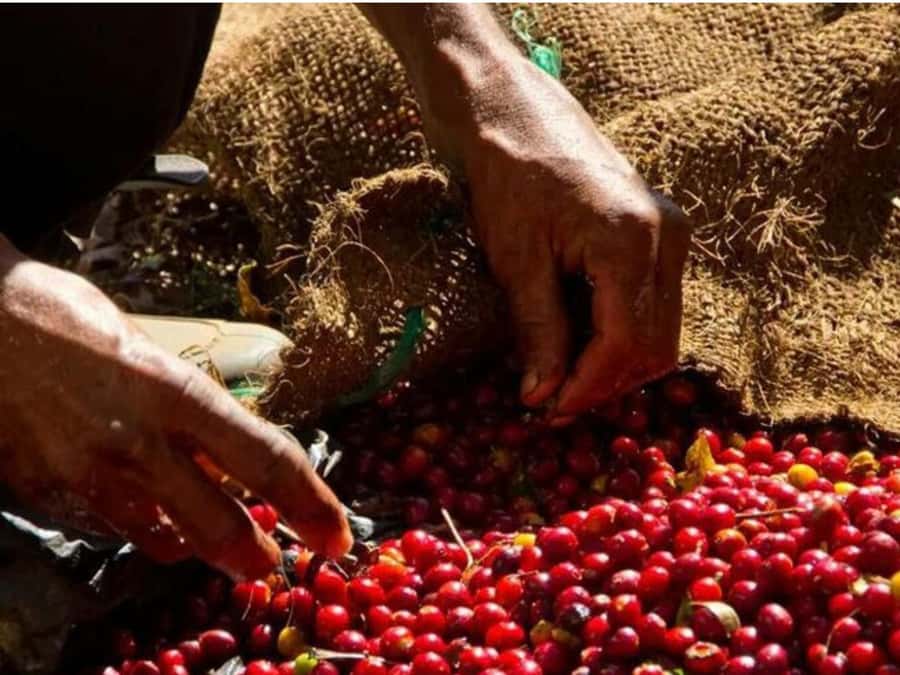
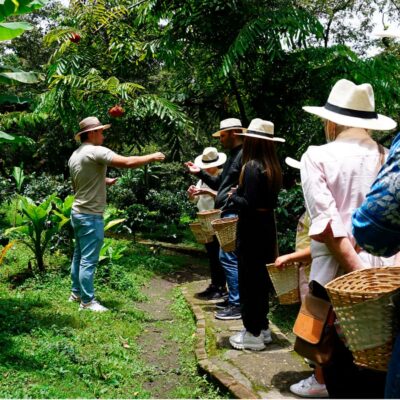
The farm visit is the heart of the experience. At Finca San Rafael, local farmers explain how coffee and cacao are cultivated, harvested, and transformed. The tour focuses on sustainable agriculture and the shift from older methods toward more agroecological practices.
You will not simply hear that a farm is sustainable and move on. The intended format is a start-to-finish explanation, connecting the plant in the field with the handmade product in your cup or tasting portion. That makes the visit useful even if you already know something about coffee.
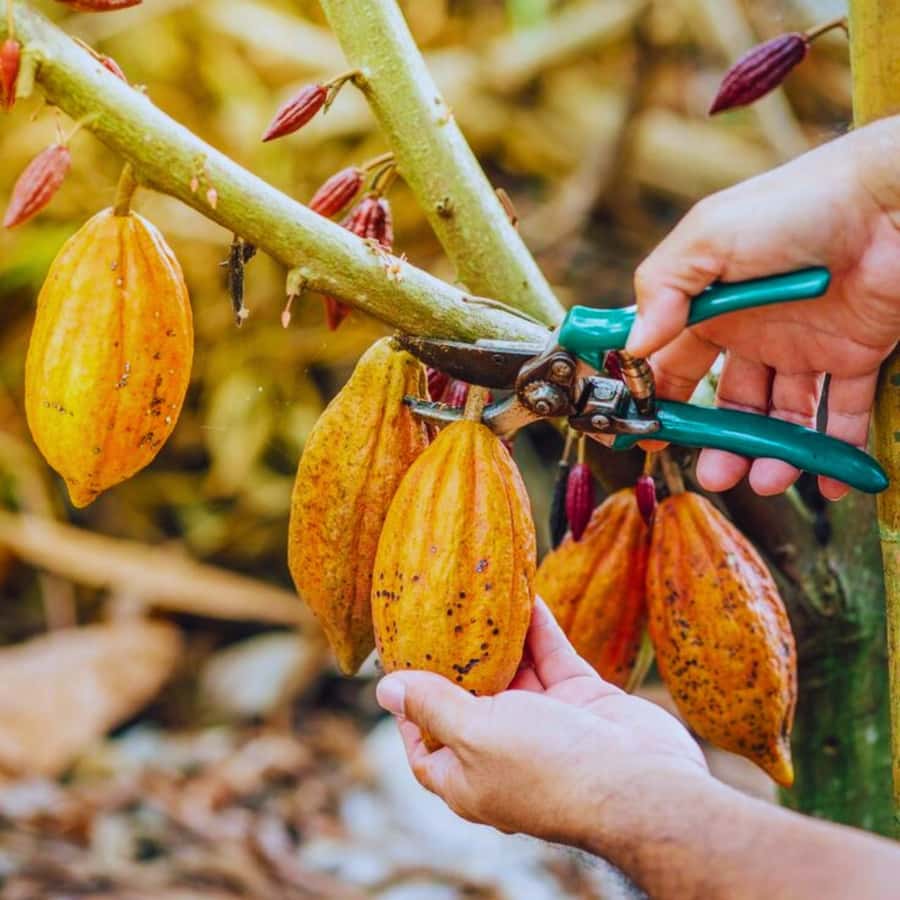
Cacao receives particular attention. The production process is shown manually, giving you a clearer sense of the labor involved. This is a small family operation, so the experience has a direct connection to the people doing the work. The family at the plantation is described as welcoming and willing to explain the process, which suits visitors who prefer local contact over a large commercial attraction.
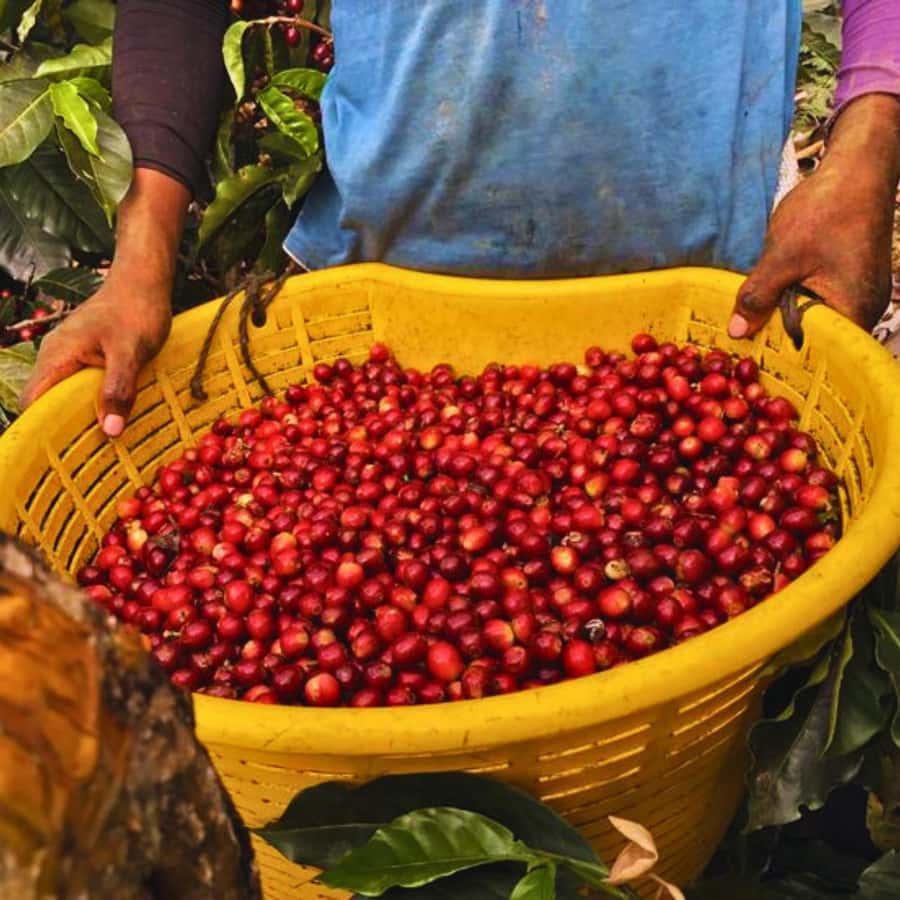
The coffee side is just as important. You learn how the crop is grown and prepared, then taste organic coffee close to where it was produced. Fresh coffee and cacao in the middle of the growing area is a simple pleasure, but it also changes how you think about the price and effort behind the finished product.
Do not expect a museum-style production hall or a long list of industrial machines. The appeal is manual work, family farming, and a practical explanation in the place where the crops grow.
Same city, a completely different kind of day:
- Santa Marta: Sailboat day tour to Tayrona Park
★ 4.5 · 352 reviews - From Santa Marta: Tayrona National Park Guided Tour
★ 3.8 · 131 reviews - Tayrona Bay Sailboat trip
★ 4.5 · 107 reviews - Santa Marta: Minca Coffee, Cocoa, & Waterfall Full-Day Trip
★ 4.6 · 102 reviews
Tasting coffee, cacao, and the place itself
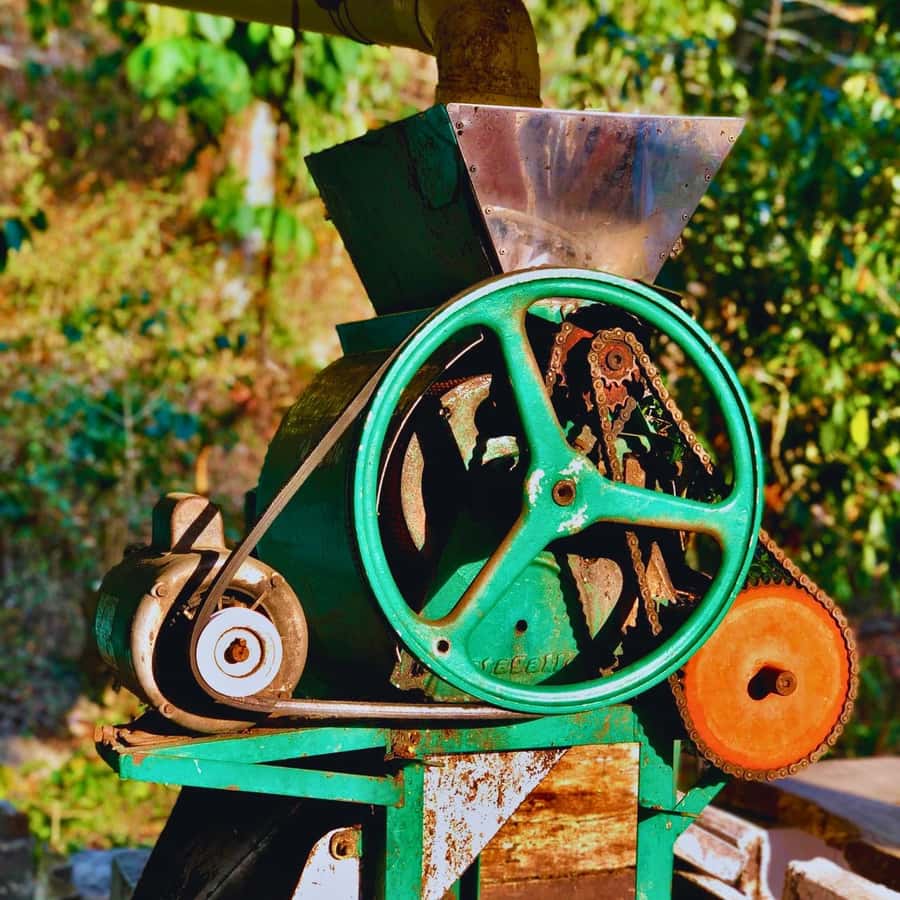
The tasting is included, with organic coffee and handmade cacao products. This is one reason the tour works well for food-minded visitors who also want exercise and scenery.
The tasting should be approached as part of the lesson rather than as a full meal. Food is not included, and the outing lasts four and a half hours. Have breakfast beforehand or plan to eat after returning to Minca. Bring your own reusable water bottle, since hydration is essential on the trail.
I like that the tasting comes after the farm explanation. You can connect the aroma and flavor with the plants, harvest, and preparation you have just seen. It is a small detail, but it gives the experience more meaning than tasting a product without knowing its source.
If you are sensitive to caffeine or simply prefer cacao, the tour still offers enough variety to make the visit worthwhile. The supplied details do not specify the exact products or portion sizes, so you should not book this expecting a large meal or a formal coffee cupping.
Waterfall time and a natural break
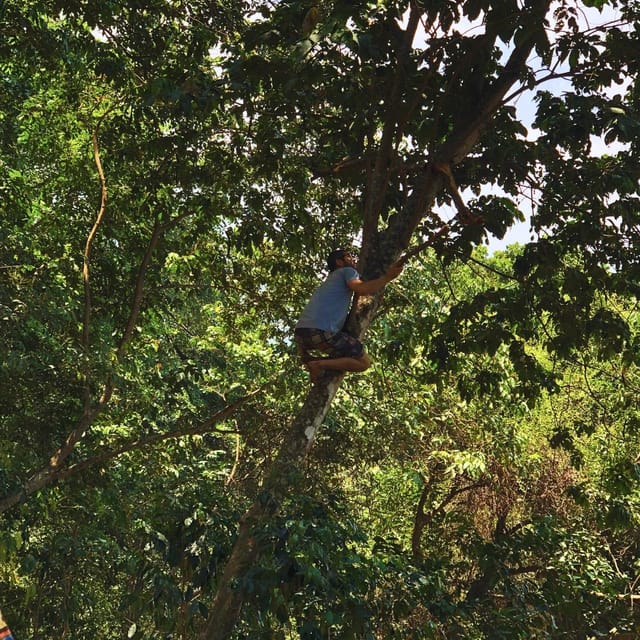
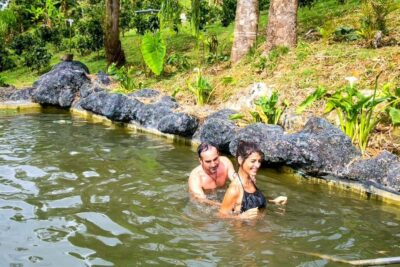
The route includes access to natural water sources, and one version of the outing includes a short swim in a small natural pool at a waterfall. This is a welcome break after the uphill sections.
Bring a swimsuit if you want to swim, or wear clothing that can get wet. The general packing advice also calls for waterproof clothing, since mountain weather can change and trails may be damp. Biodegradable sunscreen and insect repellent are sensible choices in this setting.
The waterfall stop is not described as the main attraction, so keep your expectations in check. It is a refreshing pause within a broader coffee, cacao, and nature outing. The length of the swimming stop may depend on the guide and conditions.
Natural water also means you should follow the guide’s instructions. The provided information confirms access to water sources, but it does not promise a particular water level, swimming duration, or waterfall condition on every departure.
Views, farms, and the local story
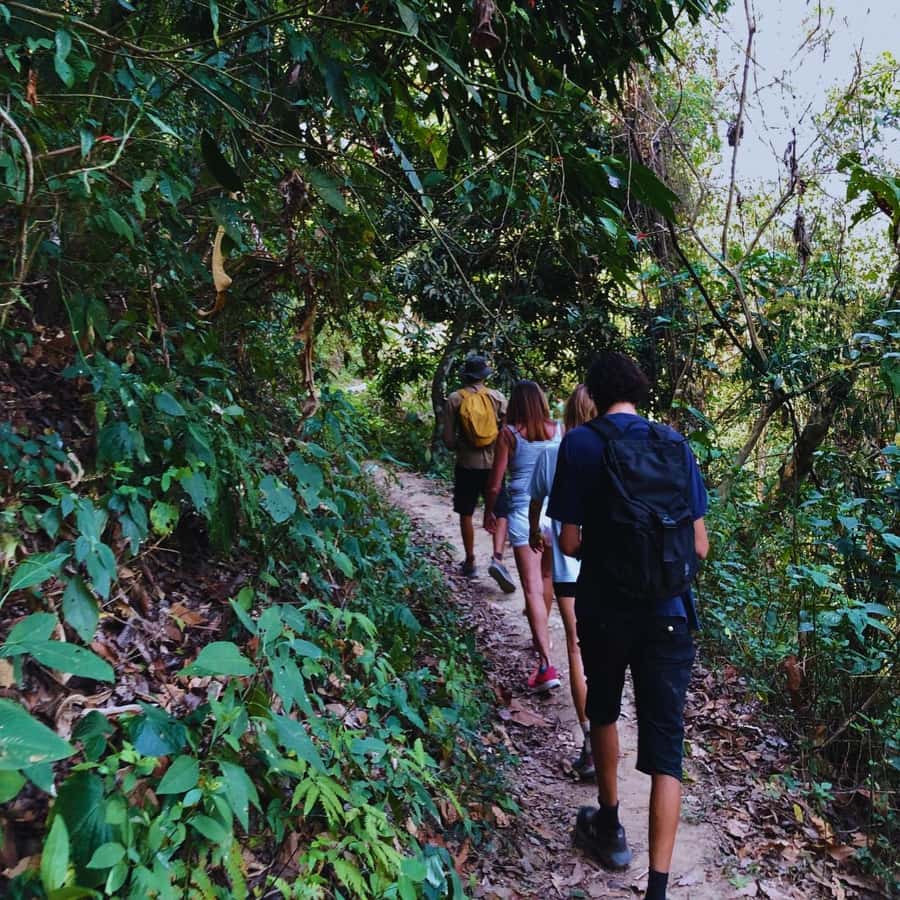
The best viewpoints show the contrast that makes Minca special. You may look across misty mountains and jungle, with the Caribbean Sea visible in the distance. These views help explain why crops can grow here and why the area has such varied plant life.
The guide also discusses how coffee and cacao have shaped Minca’s economy and culture. That context is valuable because it turns a pretty hike into a lesson about place. You see that agriculture is not separate from the forest. It depends on water, soil, shade, elevation, and careful use of the land.
The tour’s environmental contribution is part of the price. A direct share supports local communities and conservation. That does not mean every part of the outing will feel perfectly polished. Community-based tourism often has a more relaxed rhythm and fewer fixed comforts than a large commercial operation. For many people, that is precisely the appeal.
English and Spanish guiding is available. Guides who have led this experience include Albert, John, and Jorge. The guide makes a real difference here because the tour depends on explanation, not just following a path. Jorge, John, and Albert are names to look for when confirming your booking, though a specific guide should not be assumed unless the operator confirms it.
How hard is the four-and-a-half-hour route?
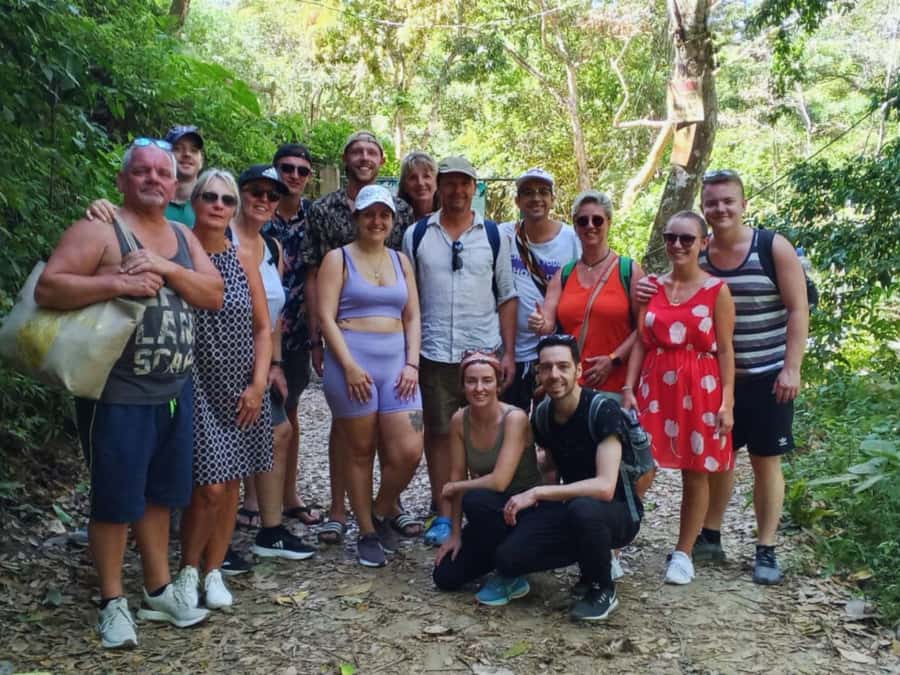
The time commitment is manageable for most active adults, but the route is not effortless. You should be comfortable walking on natural trails and handling uphill sections in warm conditions.
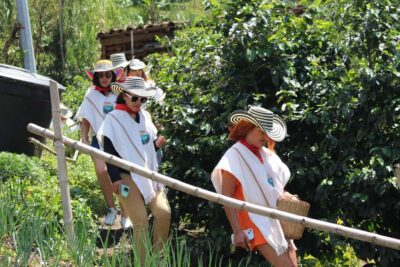
The instructions recommend hiking shoes, sportswear, hiking pants, a hat, water, insect repellent, sunscreen, and waterproof clothing. Clothes that can get dirty are not optional advice dressed up as a suggestion. Farm paths and forest trails can be muddy or wet.
The experience is not suitable for children under eight or people over 80. The information also lists restrictions for people over 70 and over 95, which overlap and are not perfectly consistent. If age or health is a concern, contact the operator before paying rather than relying on a general age label.
No special trekking equipment is supplied in the details, so bring what you personally need. A reusable bottle is better than disposable plastic, especially on an activity that emphasizes conservation.
Timing, meeting point, and value
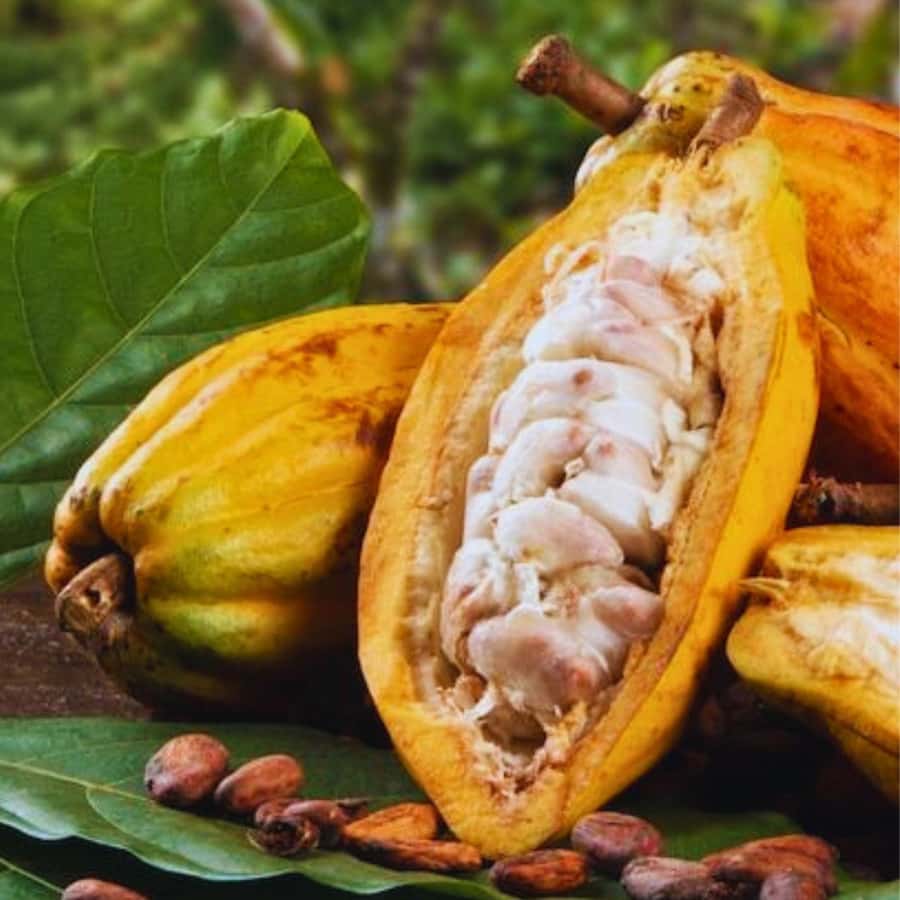
The listed duration is four and a half hours, with start times available when you check the date. The route begins and ends at Minca Park, so you do not need to arrange a separate pickup from the farm.
There is one confusing timing detail in the stop breakdown: Finca San Rafael is shown with a duration of 30.5 hours, which cannot fit a four-and-a-half-hour tour. Treat that as a likely formatting error and confirm the exact farm-visit timing when booking. The overall activity is clearly advertised as a half-day outing.
Transportation is not included. You need to reach central Minca on your own, and the activity finishes at that same meeting point. Food and drinks are also extra, so the $41 price covers the guide, farm visit, tastings, hike, water access, assistance insurance, and local conservation contribution, not a full day of expenses.
Free cancellation is available up to 24 hours before the activity for a full refund. You can also reserve now and pay later, which helps if your Santa Marta plans are still shifting.
Who should book this outing?
I would choose this tour if you want an active morning or afternoon with a clear local focus. It suits people who enjoy walking, small farms, food production, and direct contact with a community rather than a highly staged attraction.
It is especially good for:
- Coffee and cacao fans who want to understand production
- Visitors looking for a short nature hike from Minca
- People interested in sustainable agriculture
- Families with older children who are used to uphill walks
- Anyone who wants a waterfall break and mountain views
- English or Spanish speakers who value a live guide
I would think twice if you want a flat route, a long swim, a full meal, or a guaranteed private experience. The group size is not specified, and the exact balance between walking, farm instruction, tasting, and swimming may vary.
Should you book the Coffee, Cocoa and Trekking Tour?
Book it if you want Minca in one compact package: working farms, forest trails, coffee, cacao, water, and views. The strongest part is the family-run farm and the chance to see cacao production by hand, followed by fresh products where they are grown.
The main warning is simple: prepare for an uphill hike. Bring water, proper shoes, sun and insect protection, and clothing that can take mud or rain. If you do that, $41 is a solid price for a locally focused half-day experience that supports farming families and conservation.
FAQ
Where does the tour begin?
It begins at the Central Park of Minca, beside the church or small chapel.
Where does the activity end?
The tour ends back at Parque de Minca, the same general meeting point.
How long does the tour last?
The advertised duration is four and a half hours.
What languages are available?
A live guide is available in Spanish and English.
What is included in the price?
The price includes a local guide, a sustainable farm visit, explanations of coffee and cacao production, organic coffee and handmade cacao tastings, a guided hike, native flora and fauna observation, rest areas with views, access to natural water sources, assistance insurance, and a contribution to the local community and environmental conservation.
Is transportation included?
No. Transportation is not included, so you must arrange your own way to and from Minca Park.
Is food included?
No. Food and beverages are not included.
Can I swim during the tour?
The route provides access to natural water sources, and the outing may include a short swim in a small natural pool at a waterfall. Bring clothing that can get wet if you want to swim.
What should I bring?
Bring water, a reusable bottle, comfortable or hiking shoes, sportswear, hiking pants, clothes that can get dirty, sunscreen, a hat, waterproof clothing, biodegradable insect repellent, and suitable trekking gear.
Who should not take this tour?
The activity is not suitable for children under eight, pregnant women, wheelchair users, people with respiratory issues, or older participants within the age restrictions provided. Contact the operator if you are unsure about your fitness for the hike.
Just added around Santa Marta
- Tour en Velero a Bahía Concha Parque Tayrona★ 3.5 · 4 reviews
- TOUR DE 2 DIAS AL CABO DE LA VELA, LA GUAJIRA★ 4.4 · 14 reviews
- Tour to Punta Gallinas with Cabo de la Vela 3 Days★ 3.3 · 4 reviews
- Tayrona Park & Cabo San Juan★ 3.5 · 20 reviews
- Tayrona Park & Playa Cristal★ 3.8 · 4 reviews
- SPEEDBOAT TOUR TO TAYRONA CRISTAL BEACH★ 3.7 · 7 reviews
- Sierra Minca Day Tour★ 5.0 · 10 reviews
- SANTAMARTA: TOUR Remanso, Taganga, Playa Grande Lunch and Snorkeling Included★ 3.5 · 4 reviews
Coffee Experiences, compared.
Coffee Tour with Transport, Snacks and Tastings
Read our review →
Medellín Coffee Farm Tour with Trolley and Cable Car Ride
Read our review →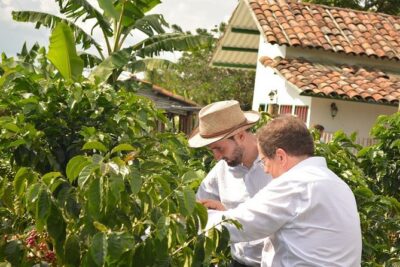
Horseback Riding Coffee Farm Tour with Coffee Spa
Read our review →
Browse the lists this tour appears in