
Reviewed · COLOMBIAN COFFEE FARM TOURS
Coffee Tour Salento-Ocaso Farm- English Tour
Coffee makes more sense when you see the whole chain, from a red cherry on the plant to a brewed cup. At Finca El Ocaso, you walk through the plantations, try harvesting and sowing, then follow the beans through pulping, drying, storage, threshing, roasting, and preparation.
I like the hands-on farm work, which gives the visit more purpose than a simple tasting. I also like the clear English guidance from people such as Nicolas and Johnathan, plus the chance to see both mechanical and traditional drying methods. The main consideration is the access road: the farm is 4 kilometers from Salento on a partly unpaved tertiary road, and transport costs extra.
Key points about the Finca El Ocaso coffee tour
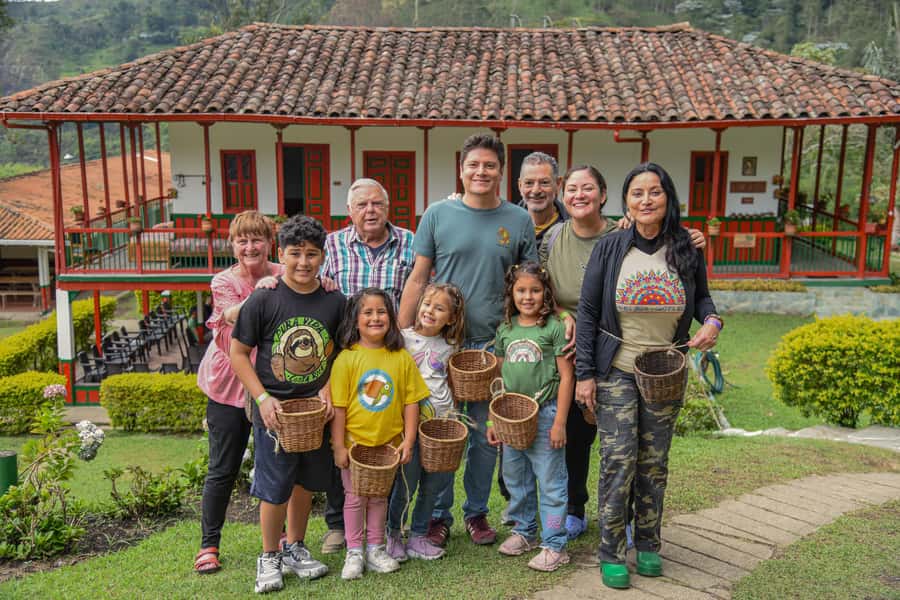
- Harvest coffee cherries yourself and see how planting, growth, and picking fit together.
- Follow the bean from fruit to cup, including pulping, drying, storage, threshing, roasting, and brewing.
- Learn about composting and sustainable production at a working traditional farm with sustainability certifications.
- Expect strong English-language guiding, with Nicolas and Johnathan praised for clear explanations, humor, and patience with questions.
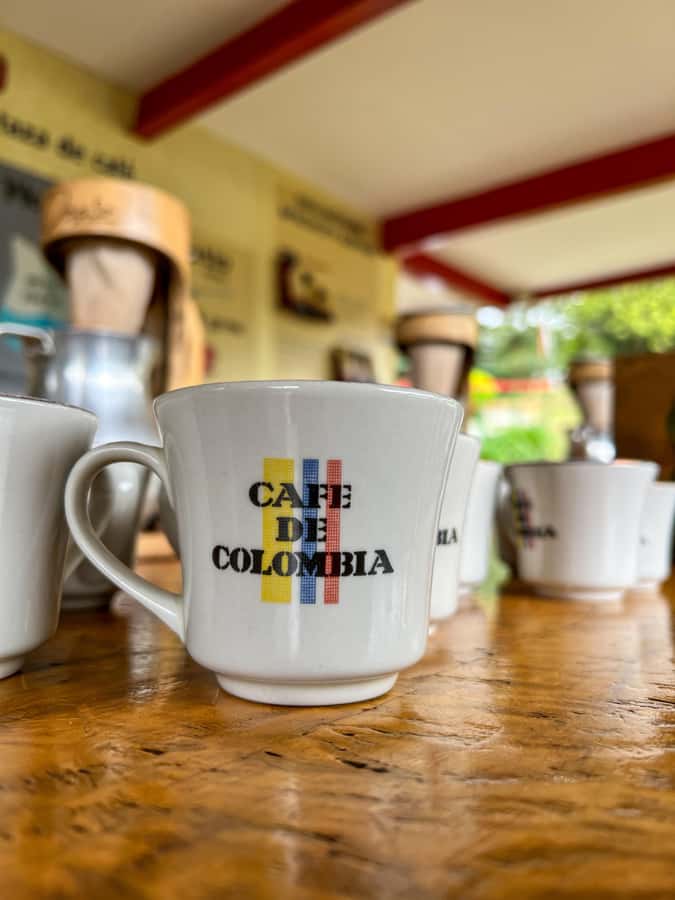
- Enjoy a traditional Colombian brew made with a cloth strainer and pot at the end of the visit.
- Plan the ride from Salento carefully, since a Willys Jeep is available but not included in the $14 price.
Why this short coffee tour works so well
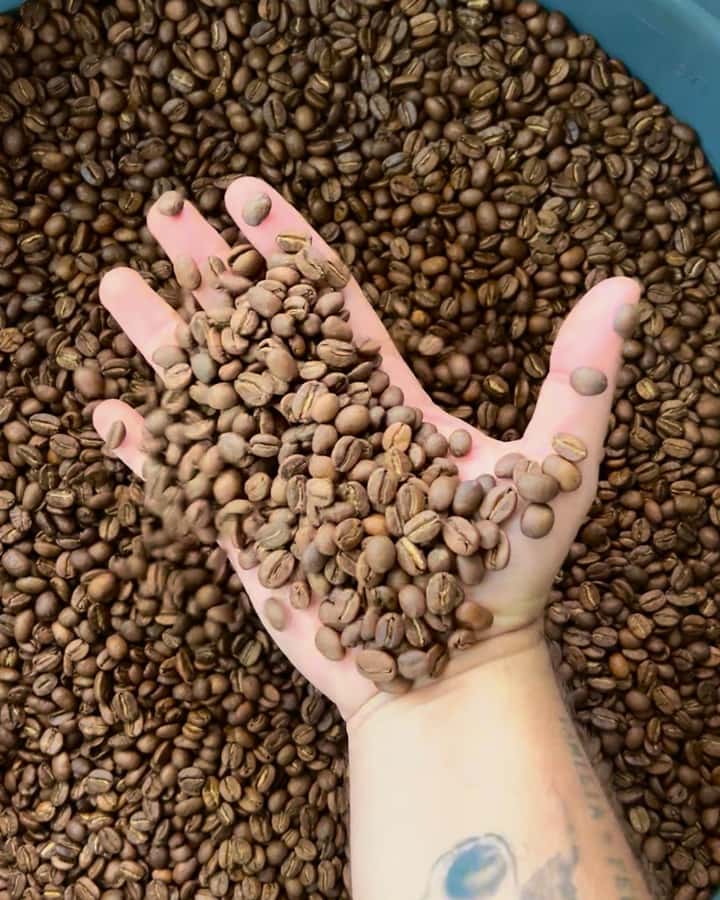
The best coffee tours explain more than the taste in your cup. This one gives you a working view of the crop and the decisions behind it. In 1.5 hours, you move from the growing plants to the finished drink, so the tour feels compact but full.
I like that Finca El Ocaso is presented as a traditional farm rather than a polished tasting room with a few plants placed nearby. You see gardens and coffee plantations, visit the processing areas, and learn how the farm handles composting, fertilization, drying, storage, and marketing.
That matters because coffee quality begins long before roasting. The species of coffee tree, the way it grows, the condition of the cherries at harvest, and the drying method all affect the final cup. You do not need technical coffee knowledge to follow the tour, but you leave with a better sense of why two coffees can taste so different.
The setting adds to the experience. The farm offers broad rural scenery, coffee plants, gardens, and an opportunity to learn about local fauna and flora. The view is not a separate sightseeing stop. It is part of the working farm, which gives the scenery a useful connection to the land and the crop.
More Colombian Coffee Farm Tours in Salento
- Salento: Private Cocora Valley, Salento & Coffee Farm Tour
★ 4.9 · 202 reviews - Coffee Tour at Finca El Ocaso Salento: Traditional Spanish Farm
★ 4.8 · 89 reviews - Coffee Farm and Salento Walking Tour
★ 5.0 · 47 reviews
Getting from Salento to the farm
Finca El Ocaso is 4 kilometers from Salento. The usual public option is a Willys Jeep from the square in Salento. This ride is not part of the $14 tour price, so budget for transport in addition to the admission.
The road is classed as tertiary and is not fully paved. That is important when you plan your day. You are not heading to a city attraction with a smooth urban approach. The rougher road is part of reaching a rural coffee farm, but it may take more time and care than the short distance suggests.
A normal taxi can also reach the farm, according to the practical information provided for the tour. One useful money-saving tip is to check the Jeep option for the return to Salento. A reported fare was 4,000 Colombian pesos per person for the Jeep ride back, though prices can change.
Because transportation is separate, check the starting time before arranging your ride. Leave enough room for the road and for finding the farm. The activity begins and ends at the farm, not in Salento, so you are responsible for getting there and back.
Starting with coffee history and tree basics
The visit begins with the story of coffee and an introduction to its main species. You then learn how a coffee tree is planted and how it grows. This opening gives you the vocabulary needed for the rest of the visit.
I find this part useful because it puts the farm work into context. Coffee is often treated as a finished product in cafés, but here you start with the plant itself. You can connect the tree’s growth to the work that follows, especially harvesting, fertilization, and processing.
The explanations are designed for a general audience. You do not have to arrive knowing the difference between coffee varieties or processing stages. Guides such as Nicolas and Johnathan have been praised for their English, humor, and willingness to answer questions. Nicolas was also noted for speaking a little fast at times, so ask him to slow down if you need more time with the technical points.
Walking through the gardens and coffee plantations
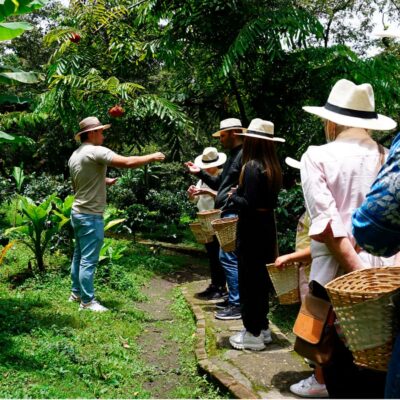
The farm walk takes you into the gardens and coffee-growing areas. This is where the tour becomes more physical and less like a classroom lesson. You see the plants in their growing environment and take part in harvesting and sowing.
The chance to harvest like a Colombian coffee picker is one of the most appealing parts of the visit. You handle the coffee cherries and gain a simple understanding of the labor involved. Even a short picking activity makes the final cup feel less distant from the people and land that produce it.
You also learn about planting and crop growth, rather than focusing only on the ripe fruit. That broader view helps explain why coffee production takes planning throughout the year. The tour is interactive, but it is still short, so expect an introduction to the work rather than a full day of farm labor.
Same city, a completely different kind of day:
- From Salento: Cocora Valley Shared Tour
★ 4.8 · 246 reviews - Salento/Pereira: Cocora Valley & Salento Hiking Private Tour
★ 4.8 · 78 reviews - Cocora Valley and Salento Hike Tour
★ 5.0 · 76 reviews - Salento: Coffee Farm Tour with Tasting
★ 4.9 · 41 reviews
Composting, fertilization, and sustainable production
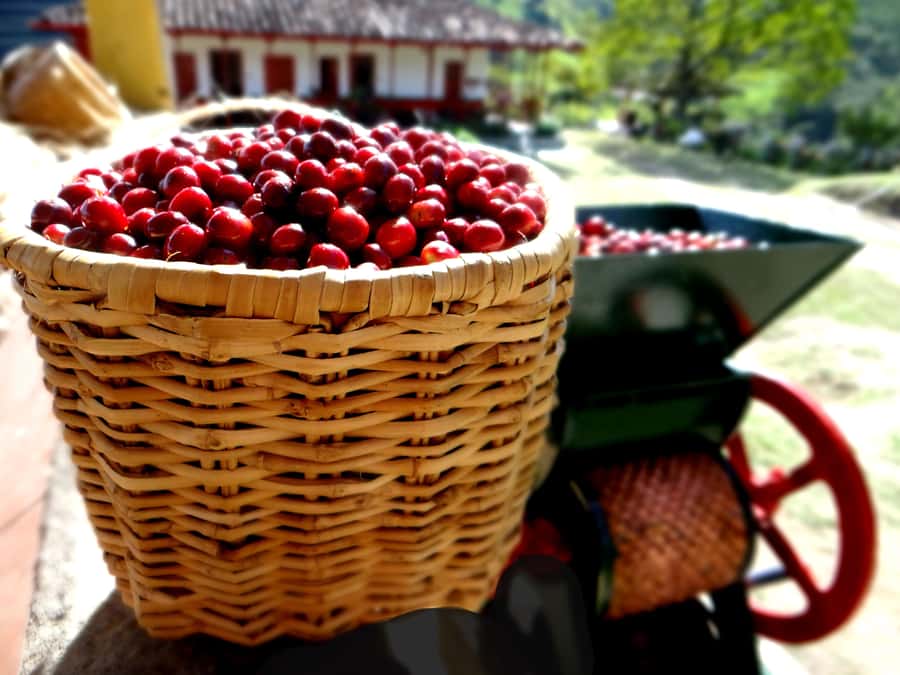
A composting and crop fertilization station shows how the farm supports its coffee plants. The tour also covers sustainability and the relationship between coffee growing, fauna, and flora.
This is a strong feature for anyone who wants more than a basic farm photo. Sustainable production can sound vague when it is used only as a label. Here, you get a specific station connected to composting and fertilization, along with an explanation of how the farm approaches production.
The farm has certifications in sustainable production, but the available details do not name the certification programs or list their standards. I would treat that as a useful sign of the farm’s approach, not as a reason to assume every environmental question is answered during a short visit.
The section on plants and animals also helps you read the setting as a living farm system. You are not only looking at rows of coffee trees. You are learning how agriculture relates to the surrounding natural life.
Following the coffee through the processing plant
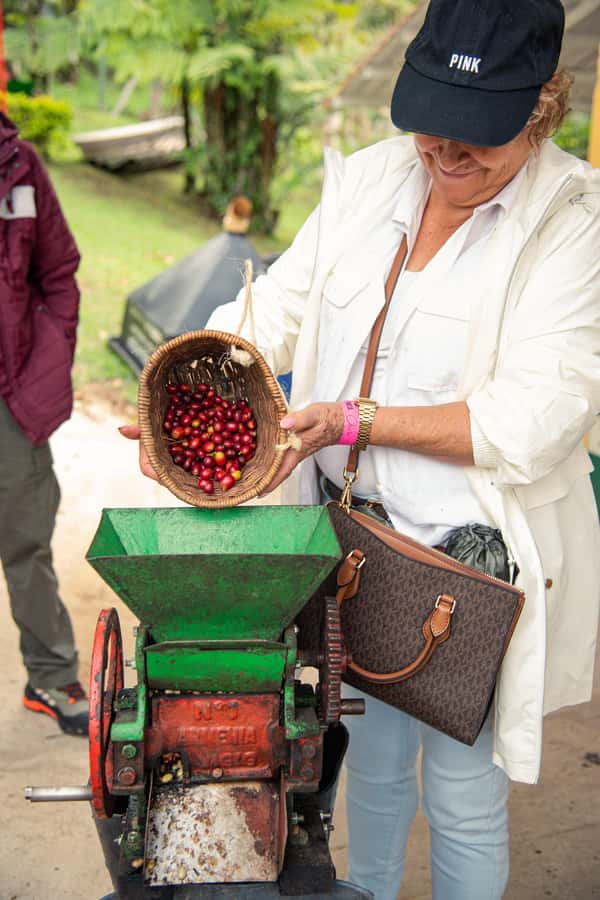
The processing plant is the heart of the tour. You see the hopper, pulper, mechanical drying equipment, and traditional drying areas. Each stage answers a practical question: how does the coffee fruit become a stable bean ready for storage?
The hopper receives the harvested coffee. The pulper removes the outer fruit, while drying reduces moisture so the beans can be stored properly. Seeing mechanical and traditional drying side by side is especially useful because it shows that there is more than one way to manage this stage.
This part can be more technical than the plantation walk, but it is also where the tour explains quality in a direct way. The condition of the beans after harvest and the care taken during drying can affect what happens later during roasting and brewing.
The tour continues to the storage warehouse, threshing, and coffee marketing. Storage helps you understand that the product is not finished as soon as it dries. Threshing removes the remaining outer layer, and marketing connects farm production with the coffee you eventually buy.
Roasting, quality, and the final cup
The roasting section explains different types of roasting and why the choice matters. Roasting changes the character of the coffee, so this is where the earlier farm and processing lessons begin to come together.
You also receive the basics of correct coffee extraction. That means the tour is not limited to production. It gives you a simple guide to getting more from the beans once they reach your kitchen or café.
The final preparation uses a traditional cloth strainer and pot. This is a nice close to the visit because it connects the farm’s methods with a familiar daily ritual. The coffee is not presented as an abstract product. You have seen the plant, handled the harvest, followed the bean through processing, and then watched it become a drink.
The tour information describes a traditional preparation, and the experience details indicate a tasting at the end. Food and other drinks are not included, so do not treat the $14 price as a meal stop. The coffee preparation is the central refreshment connected to the tour.
How much value do you get for $14?
At $14 per person, this is a good-value activity if you want a clear introduction to Colombian coffee without giving up half a day. The price covers a guided English tour lasting about 1.5 hours, with access to the plantations, farm stations, processing areas, and coffee preparation.
The value comes from the range of subjects covered. You are not paying only for a walk among the plants or only for a cup at the end. The visit includes coffee history, species, planting, harvesting, composting, sustainability, processing, storage, roasting, extraction, and traditional brewing.
The short duration also works well in a Salento itinerary. You can fit the visit around other plans, though you need to add the transport time and cost. If you prefer a slow agricultural visit with long quiet stretches in the fields, this may feel brisk. If you want a well-packed introduction, the length is an advantage.
The English guide is another part of the value. A good explanation makes the machinery and terminology easier to understand. Nicolas and Johnathan have been singled out for strong English, humor, and useful answers, though Nicolas may speak quickly for some listeners.
What the guide adds to the experience
The guide makes a real difference here because the farm has several stages that could otherwise blur together. A pulper, drying machine, warehouse, and threshing area are much easier to understand when someone explains what each does and why it matters.
The guiding style appears friendly and interactive. You can expect questions to be answered during the process, rather than being asked to simply follow a fixed talk. That suits people who want to understand the details of coffee production.
The available ratings are strong at 4.6 from 88 reviews, and the most consistent praise centers on the guides. The repeated compliments focus on clear English, humor, useful information, and an interactive approach. That is the kind of praise I consider most relevant for a tour like this, since communication shapes nearly every part of the visit.
Still, guide assignments can change. Nicolas and Johnathan are names connected with the experience, but you should not assume one particular person will lead your scheduled tour.
Who should book this coffee farm visit?
I would recommend the tour to first-time visitors who want a practical introduction to Colombian coffee. It suits curious drinkers, couples, families, and anyone who likes seeing how a local product is made rather than buying it only in a shop.
It is also a good pick for visitors who value sustainability and traditional farming. The composting, fertilization, fauna, flora, and certification topics give the visit more substance than a simple plantation photo stop.
You should think twice if you dislike uneven rural roads, short walking tours, or explanations that move from one stage to the next at a steady pace. The route from Salento is not fully paved, transportation is extra, and the activity ends where it starts at the farm.
Bring insect repellent. Alcohol and drugs are not allowed. Wear something suitable for a farm setting, though the only specifically required item listed for the activity is insect repellent.
Booking, cancellation, and timing tips
The tour lasts 1.5 hours, but you should plan more time for the return journey to Salento. Starting times depend on availability, so check the schedule before booking your Jeep or taxi.
You can reserve now and pay later, which is helpful if your Salento plans are still shifting. Free cancellation is available up to 24 hours in advance for a full refund, according to the activity terms.
Since no food or drinks are included, eat beforehand if you need a full meal. The coffee preparation at the end is part of the tour, but it should not replace lunch or breakfast planning.
Should you book Finca El Ocaso?
Book this tour if you want good information in a short visit, a working farm setting, and an English-speaking guide who can explain the full coffee process. The $14 price is fair for the number of stages included, especially if coffee is one of the reasons you are visiting Colombia.
The best reason to go is the complete sequence: plant, harvest, pulp, dry, store, thresh, roast, and brew. Add the composting station, sustainability discussion, rural scenery, and traditional cloth-strainer preparation, and you get a useful picture of coffee from field to cup.
Skip it only if the extra transport and rough road make the outing inconvenient, or if you want a longer, slower farm stay. For most visitors based in Salento, Finca El Ocaso offers an approachable and worthwhile look at Colombian coffee production without taking over the day.
FAQ
How long does the Coffee Tour Salento at Ocaso Farm last?
The guided tour lasts 1.5 hours. Check availability for the current starting times, and allow extra time for transportation to and from the farm.
Is transportation from Salento included?
No. The farm is 4 kilometers from Salento, and transportation is not included in the ticket price. You can take a Willys Jeep from the square or arrange a taxi.
Is the tour conducted in English?
Yes. The activity includes a live English-speaking guide. Guides including Nicolas and Johnathan have been praised for their English and for answering questions.
What will I see during the coffee tour?
You will visit coffee gardens and plantations, learn about planting and growth, take part in harvesting and sowing, and see composting, fertilization, processing, drying, storage, threshing, roasting, and traditional brewing.
Is coffee or food included?
The tour includes a traditional coffee preparation using a cloth strainer and pot. Food and other drinks are not included.
What should I bring to the farm?
Bring insect repellent. Alcohol and drugs are not allowed. The farm road is tertiary and partly unpaved, and the activity begins and ends at the farm.
More Farms in Salento
- Medellín Coffee Farm Tour with Trolley and Cable Car Ride
★ 4.9 · 277 reviews - Medellin: Horseback Riding Coffee Farm Tour with Coffee Spa
★ 4.8 · 151 reviews - From Bogotá: Coffee Farm and Tequendama Falls Tour
★ 4.5 · 130 reviews - Coffee Farm Experience Private Day Tour
★ 5.0 · 81 reviews
More Coffee Experiences in Salento
- Salento and Cócora Tour + Coffee Farm from Pereira/Armenia
★ 5.0 · 33 reviews - Coffee Farm Tour at Finca El Ocaso from Salento
★ 4.5 · 19 reviews - Salento: Coffee Master Roasting, Brewing and Tasting Tour
★ 4.8 · 6 reviews - Medellin: Coffee Tour with Transport, Snacks and Tastings
★ 4.7 · 1,357 reviews
Just added around Salento
- Santa Rita Waterfall and Salento Private Tour★ 5.0 · 9 reviews
- Salento: hike to learn about Birds★ 4.9 · 6 reviews
- Salento: Coffee Master Roasting, Brewing and Tasting Tour★ 4.8 · 6 reviews
- Salento, Cocora and Filandia Full Plan from Pereira/Armenia★ 5.0 · 11 reviews
- Salento: Coffee Farm Tour with Tasting★ 4.9 · 41 reviews
- Salento: Salento & Cocora Valley Tour★ 5.0 · 11 reviews
- Salento and Cócora Tour + Coffee Farm from Pereira/Armenia★ 5.0 · 33 reviews
- Santa Rosa de Cabal Thermal Hot Springs★ 4.0 · 16 reviews
Colombian Coffee Farm Tours, compared.
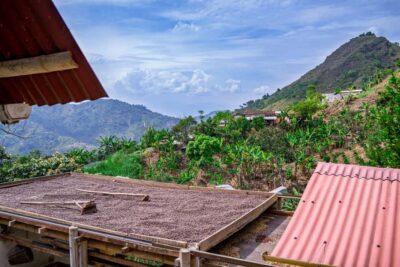
Coffee Tour with Transport, Snacks and Tastings
Read our review →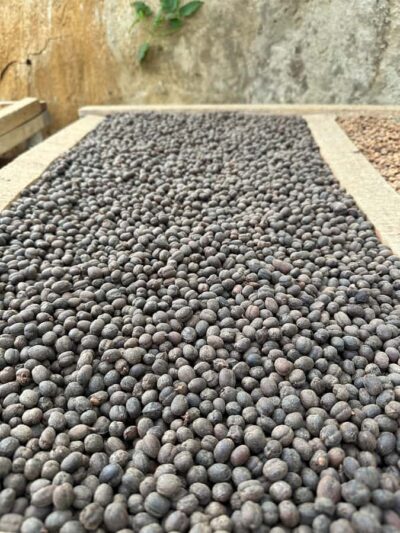
Medellín Coffee Farm Tour with Trolley and Cable Car Ride
Read our review →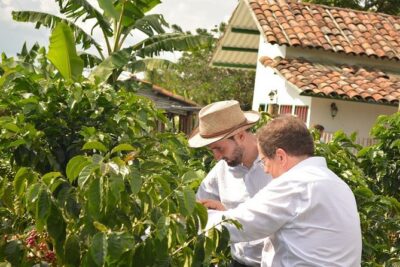
Horseback Riding Coffee Farm Tour with Coffee Spa
Read our review →
Browse the lists this tour appears in