
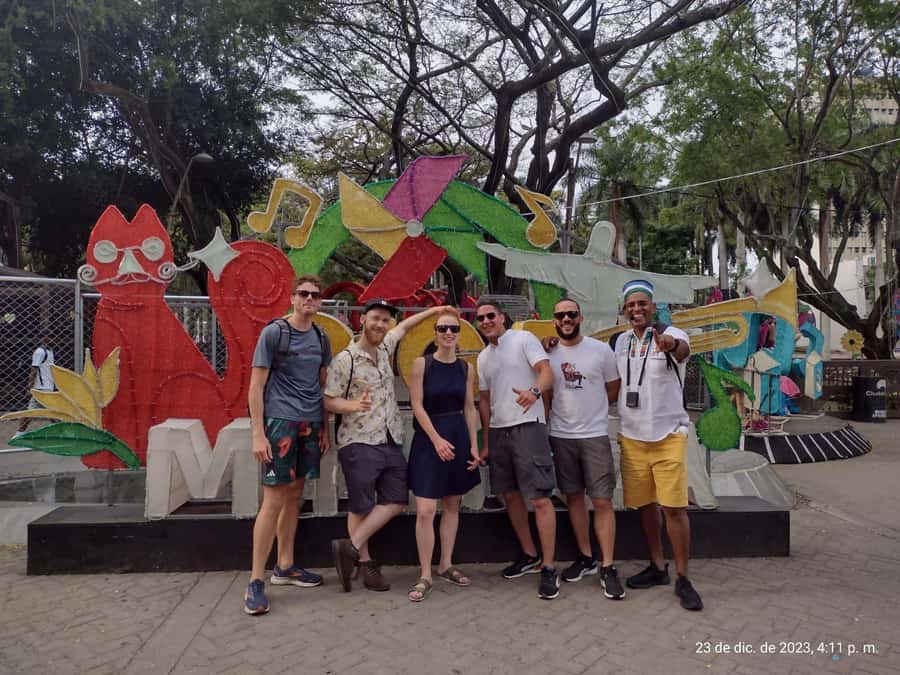
Reviewed · WALKING TOURS
Afro Walking Tour. The colors of Cali.
Cali’s story changes when you follow its Afro-Colombian heartbeat. In 150 minutes, guide Andrés Jiménez connects downtown streets, murals, food stalls, music, dance, and cultural centers with the people who shaped this city. You do not just look at Cali. You talk about it, taste it, and question it.
I like two things right away: Andrés makes the walk feel like a conversation, and he takes you beyond the usual postcard stops. I also like the range of the experience, which can bring together slavery and emancipation, salsa, street art, local snacks, beauty products, small businesses, and cultural education.
The main consideration is pace. You will spend much of the tour on foot through central Cali and an Afro-Colombian area, with street vendors, beggars, traffic, and the everyday disorder of city life around you. The tour is wheelchair accessible, but you should still ask about the exact route before booking if mobility is a concern.
Key points to know before you book
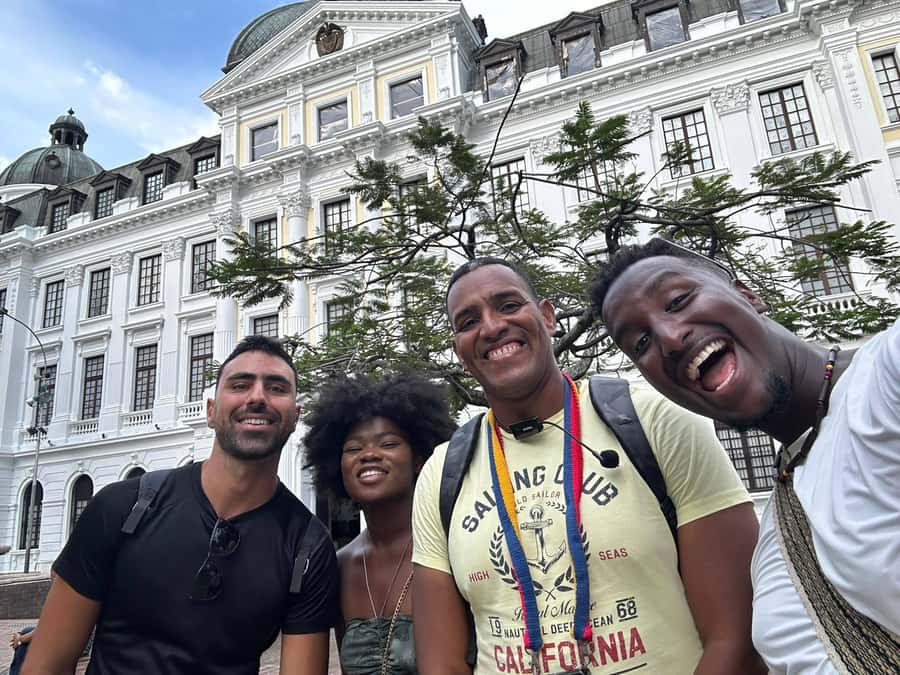
- Andrés Jiménez leads the tour in English and Spanish, with a warm, highly interactive style.
- The route links central Cali with an Afro-Colombian neighborhood, showing both familiar sights and places many first-time visitors miss.
- Three cultural institutions are included, along with murals, community spaces, local shops, and Black-owned businesses.
- Food is part of the lesson, with a chance to taste Afro-Colombian snacks and local delicacies.
- Salsa is not just background music here: the tour explains why Cali is known as the world capital of salsa, and some departures may include a short dance lesson.
- You pay $42 per person for 150 minutes, a fair price if you want history, food, art, and local orientation in one outing.
Why this tour matters in Cali
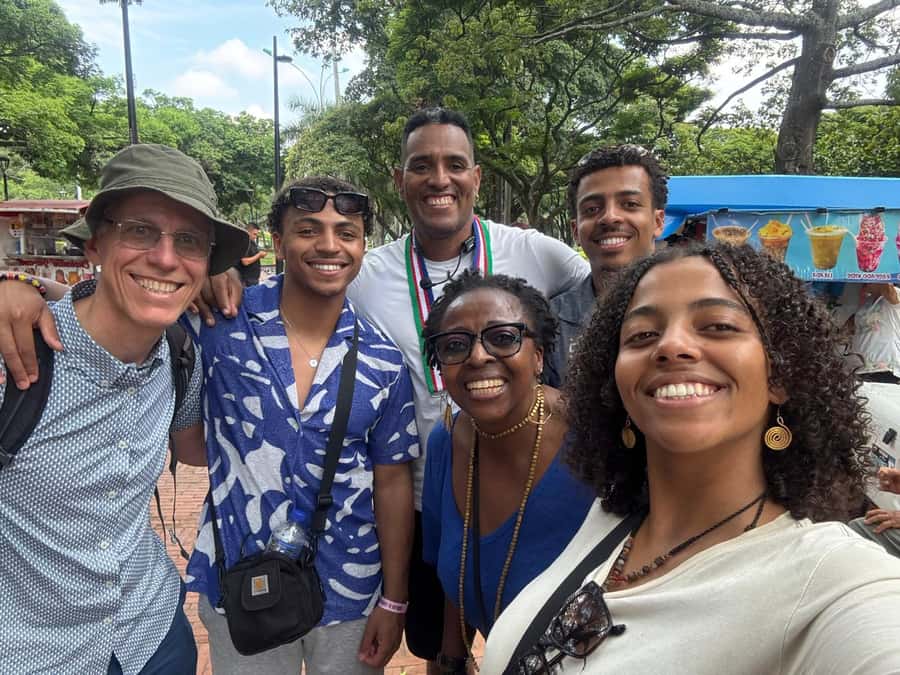
Cali is often sold through salsa. That is fair, but incomplete. The city’s music, dance, food, language, neighborhoods, and public art also reflect the movement and creativity of Afro-Colombian communities.
This tour gives that story a human scale. Instead of treating African heritage as a museum subject, Andrés links it to the streets you are walking through now. He discusses the arrival of African culture, enslavement, emancipation, the role of Afro-Colombian communities, and the different experiences of Afro and Indigenous people in Colombia.
That context matters because Cali can look easy to read at first glance. You see colorful walls, colonial and modern buildings, food carts, shops, and people moving through the center. Andrés helps you notice the forces beneath those surfaces: power, law, leadership, race, migration, work, and cultural survival.
I also appreciate that the tour does not present Afro-Colombian culture as frozen in the past. You see present-day businesses, cultural programs, street art, music, dance, and spaces that teach skills to people of different generations. The point is not only what happened. It is how communities preserve and reshape culture today.
A few more Cali trips to weigh up
- The Cali Street Food Walking Tour
★ 5.0 · 81 reviews - Cali: Walking tour of the historic center
★ 5.0 · 69 reviews - Cali: Walking tour of the historic center
★ 4.9 · 18 reviews
Meeting Andrés near the Subway
The meeting point is in front of the Subway sandwich restaurant. That is a practical place to begin, but do not expect a grand tour office or a formal check-in desk. You are meeting your guide on a city street, so arrive with the meeting details saved on your phone and give yourself a few minutes to find the exact spot.
Andrés is the person who gives this experience its shape. He speaks English and Spanish and is comfortable moving between explanation, questions, jokes, and personal conversation. If you want to practice Spanish comprehension, this can be a useful setting because the tour is bilingual.
His approach is personal without being forced. He may ask about your background and use your answers to connect Cali’s experience with the wider African diaspora. One particularly thoughtful feature is the way he takes interest in where you come from, rather than delivering the same speech without adjustment.
That style suits you if you enjoy asking questions. If you prefer to walk quietly while a guide gives a fixed historical talk, you may find the interaction more demanding. This is a discussion-based experience, not a simple procession from one monument to the next.
Downtown Cali, read through murals and daily life
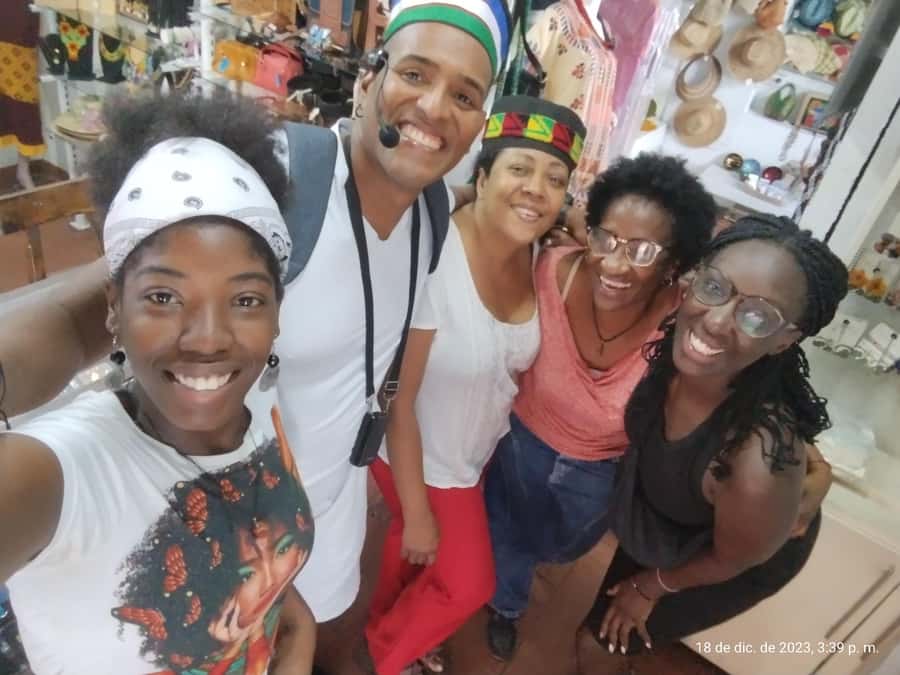
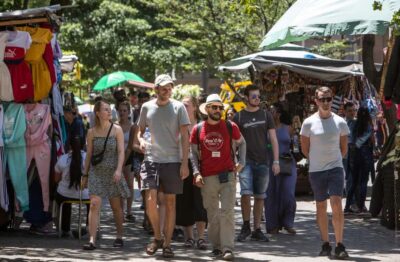
The central-city portion gives you a useful introduction to Cali’s multicultural identity. You will see recognizable city sights, but Andrés places them beside less polished scenes: street vendors, local commerce, passersby, and the ordinary movement of downtown.
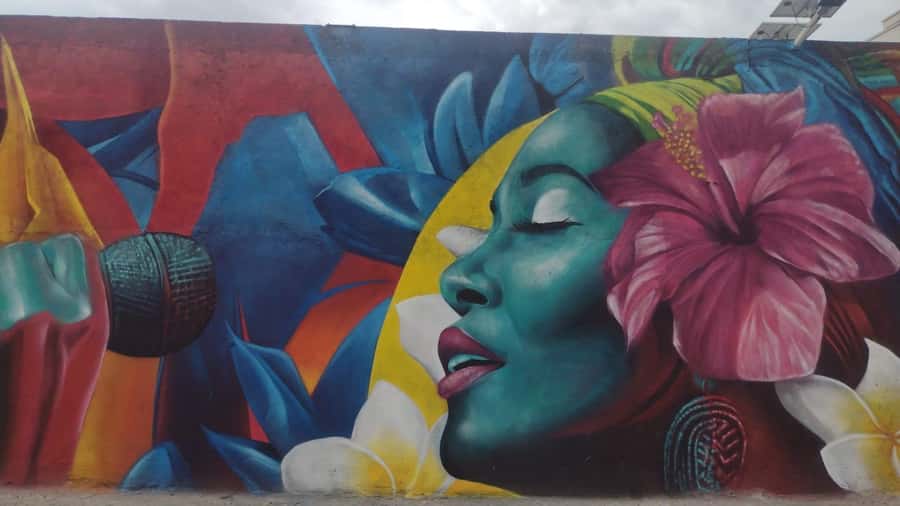
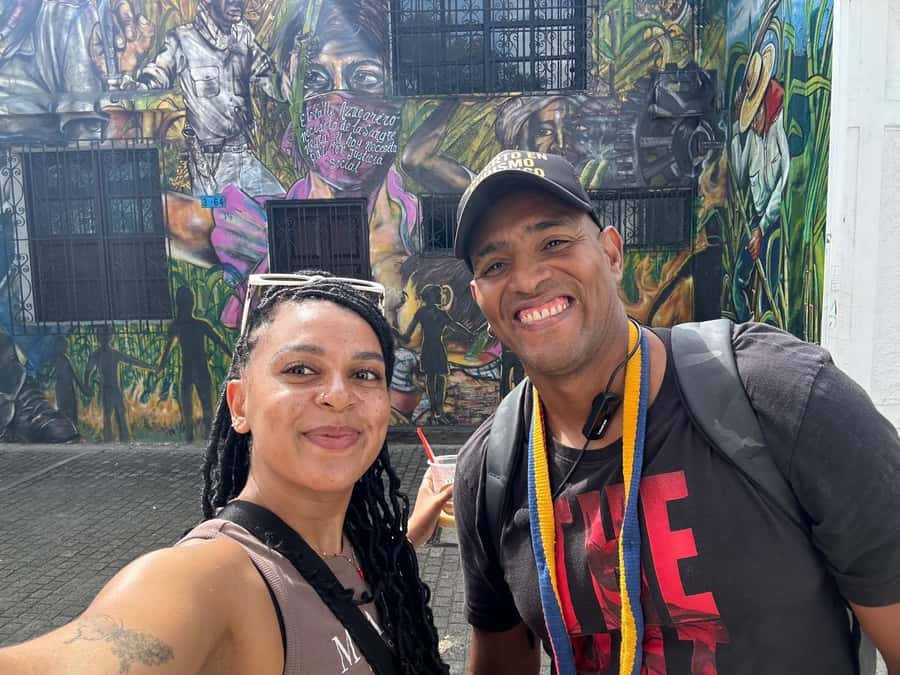
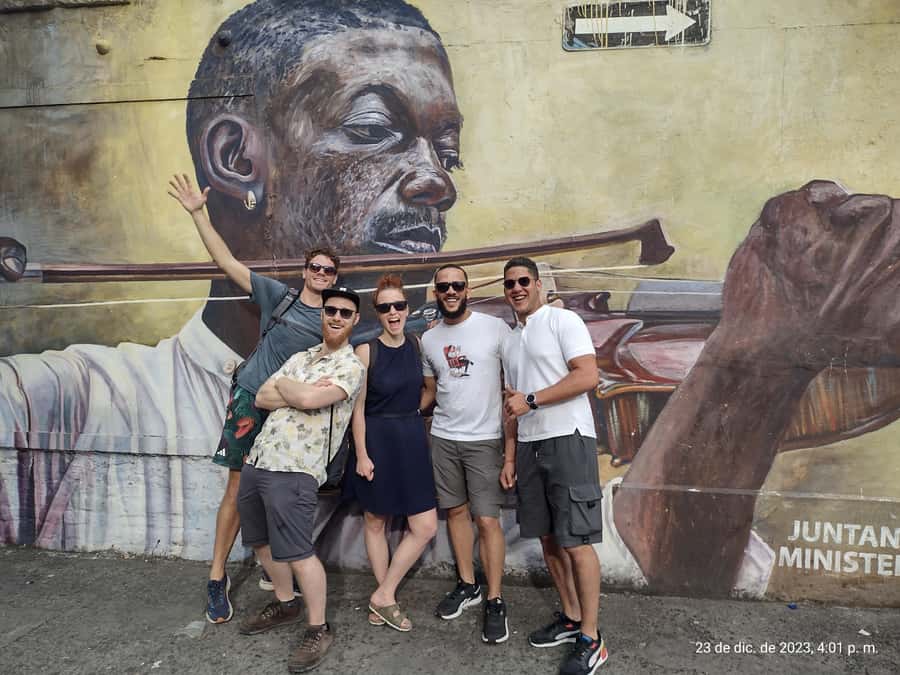
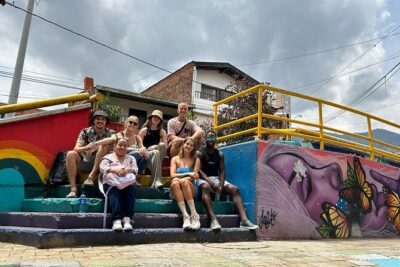
The street art is one of the best parts. Murals become more than bright backdrops for photographs. Andrés explains what their figures, colors, and symbols represent, and how Afro-Colombian experiences appear in public art.
This is where the tour earns its title, The Colors of Cali. The colors are visual, but they also mean sound, flavor, memory, skin, dance, and identity. A mural can open a conversation about resistance. A storefront can lead to a discussion of Black entrepreneurship. A snack can connect ingredients and cooking traditions to a wider story of African and Colombian influence.
You should bring a camera, but try not to race from one photo stop to the next. The useful part is the explanation around each place. The architecture and street art may seem familiar if you have already walked downtown, yet the added context changes what you notice.
The tradeoff is that the center can be noisy and untidy. You may encounter beggars and crowded public areas. The tour information is direct about this, and that honesty is helpful. You are seeing a working city, not a cleaned-up stage set. Keep your belongings close, stay aware of your surroundings, and take the scene normally rather than treating people as spectacles.
An Afro-Colombian neighborhood beyond the standard route
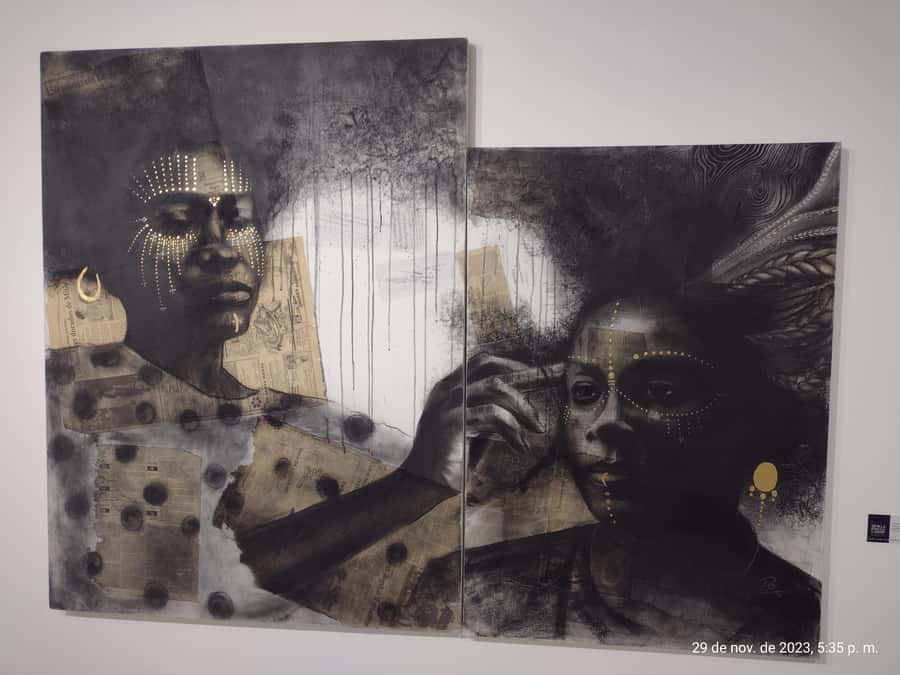
The walk also reaches an Afro-Colombian neighborhood in the east of Cali. This part of the experience is important because it shows community life away from the central tourist circuit.
Here, murals and local businesses help tell the story. You may encounter shops serving Afrocentric customers, including places selling hair-care items, lotions, and other products made for Black consumers. Those details can seem small, but they show how identity appears in ordinary shopping and business life.
The neighborhood stop also gives Andrés room to explain how culture is supported through local action. Cultural centers and community programs can provide music, practical skills, artistic training, and education across generations. You are not simply being shown a neighborhood. You are being asked to notice how people maintain culture in the present.
This stop is a good reason to book the tour early in your Cali stay. You can return later to explore businesses, food spots, or cultural places that catch your attention. Andrés also gives recommendations for dining, shopping, and other things to do in the city.
Keep your expectations realistic. The tour does not promise a polished attraction at every turn. Its value comes from seeing daily life and hearing how a local guide understands it. You should be comfortable with a less predictable route and with the possibility that conversations take as much time as sightseeing.
Same city, a completely different kind of day:
- Shared Tour Cali’s Historical Downtown
★ 4.8 · 143 reviews - Historical Shared Tour Salsa, Graffiti & Resistance in Cali
★ 5.0 · 107 reviews - San Cipriano Rainforest – River, Waterfalls and Adventure Day
★ 5.0 · 73 reviews - Cali: Street Food Tour
★ 4.8 · 71 reviews
Three cultural institutions with a wider purpose
The experience includes visits to three institutions of cultural interest. The exact sequence may vary with availability, but the purpose is clear: to show how history and culture are taught, shared, and kept active in Cali.
A cultural center can help you understand the difference between admiring Afro-Colombian culture from outside and seeing the work that supports it from within. Programs may focus on music, skills, arts, education, or community resources. The point is not only display. It is participation and continuity.
These stops also widen the tour beyond music and dance. Andrés discusses social issues, public resources, leadership, and the long effects of exclusion. For some people, this may be the most meaningful section of the walk because it links cultural pride with practical community work.
You may also visit places connected with local history and the contributions of Afro-Colombian people to Colombia’s political and military story. The walk can touch on Black military regiments, the struggle for emancipation, and the difference between legal freedom and the reality of everyday life.
I would set aside the idea that a culture tour should be light at every moment. There is room for humor and pleasure here, but the history includes violence and injustice. Andrés handles difficult subjects in a way that connects them to lived experience rather than leaving them as dates in a textbook.
Food, salsa, and the lessons you can taste
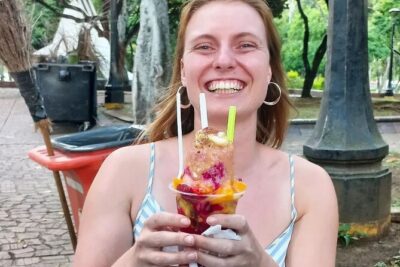
Food is included as part of the walk, with a chance to try local Afro-Colombian snacks or delicacies from vendors. The exact food can depend on what is available during your departure, so bring cash for anything extra and for items you may want to buy.
I like this approach because tasting food gives you a direct connection to the city. You can discuss the mix of African, Indigenous, and Spanish influences while eating something made for local life rather than prepared only for tourists.
Food also creates an easy opening for conversation. Ask Andrés about ingredients, regional differences, and where he recommends eating later. The snack is not meant to replace a full meal, so consider having breakfast or lunch before the walk, depending on your start time.
Then comes Cali’s relationship with salsa. The tour explains why the city is known as the world capital of salsa and shows how music and dance fit into the city’s identity. Some experiences may include a short salsa lesson, so wear clothes and shoes that let you move comfortably.
You do not need to be a dancer to enjoy this part. The value is in seeing salsa as a social and cultural language, not just a performance for visitors. If you are shy, you can still watch, listen, and ask questions. If you like to join in, Andrés brings enough energy to make a first step less intimidating.
What the $42 price buys you
At $42 per person, this is not the cheapest way to walk around Cali. You can see many central streets for free, and you can buy snacks on your own for very little.
The comparison is not quite fair, though. You are paying for 150 minutes with an English- or Spanish-speaking guide, three cultural institution visits, food tasting, historical interpretation, neighborhood access, and practical recommendations for the rest of your stay.
I consider the price good value if you want a focused cultural introduction. You are effectively combining a city orientation, a history lesson, a food experience, an art walk, and a conversation about modern Cali. It is especially useful if you have limited time and want more than a general downtown stroll.
The value is lower if you are mainly looking for salsa dancing or a food tour. This experience includes both, but neither is the sole focus. It is also not designed as a conventional monument tour with a long list of famous buildings.
Free cancellation up to 24 hours before the start and the option to reserve now and pay later make planning easier. Still, check the available starting times before you commit, since the duration is fixed at two and a half hours.
Who should book the Colors of Cali walk
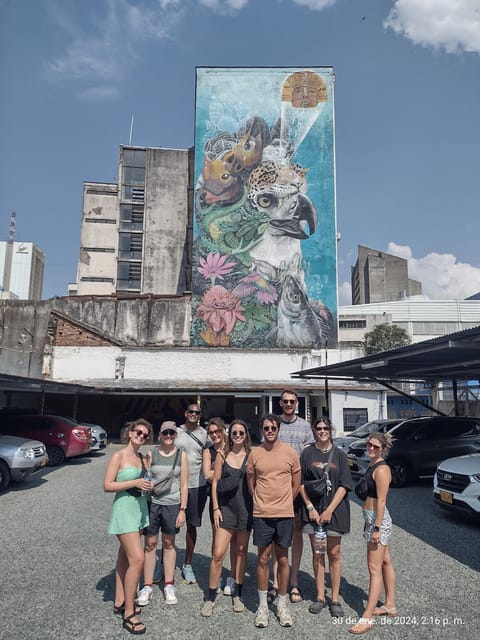
I would recommend this tour if you want to understand Cali through African heritage and present-day community life. It is a strong choice for visitors interested in Black history, street art, food, music, dance, social issues, or the wider African diaspora.
It also suits repeat visitors. If you have already seen the main central attractions, Andrés can show you a different side of the city and give those familiar streets more meaning.
People considering a move to Colombia may find the tour useful as well. The walk offers a short look at how people live, work, shop, create, and organize in Cali. It cannot answer every question about relocating, but it can help you ask better ones.
The tour is not suitable for children under 10 or for people with hearing impairments. You should bring comfortable shoes, water, sunglasses, comfortable clothing, a camera, and cash. Alcohol and drugs are not allowed.
Because the walk is interactive, you should come ready to engage. Ask questions. Share your perspective if you want to. If the subject of race and identity is important to you, this is the kind of tour that can become more valuable through honest conversation.
Should you book it?
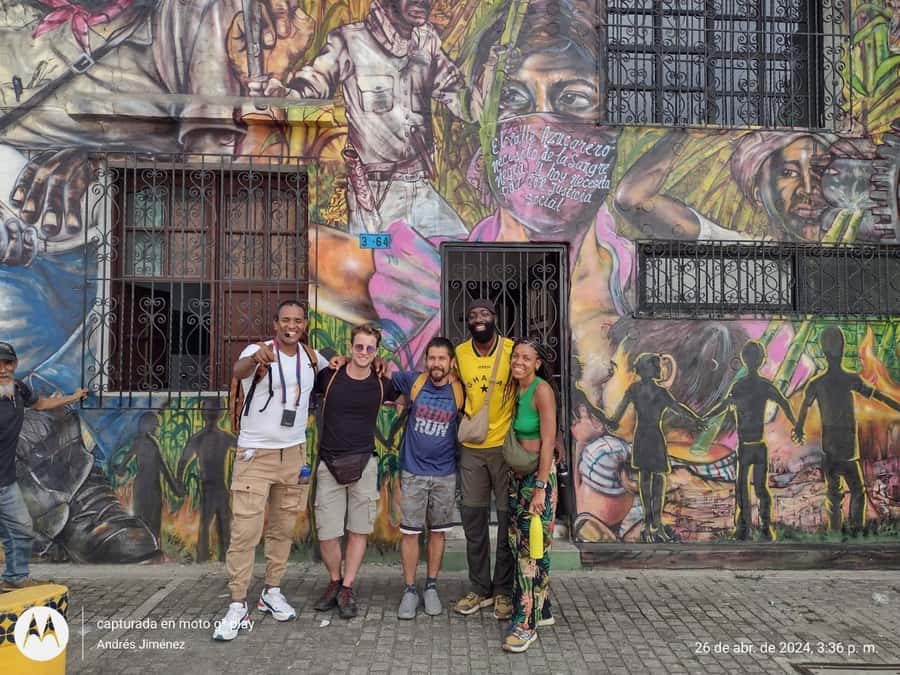
Book the Afro Walking Tour: The Colors of Cali if you want a personal, thoughtful introduction to the city that goes well beyond salsa clichés. Andrés Jiménez brings together history, murals, neighborhood life, food, cultural centers, and music in a way that makes Cali easier to understand.
I would skip it only if you want a quiet walk, a tightly timed sightseeing checklist, or a tour focused only on dance. For everyone else, especially visitors curious about Afro-Colombian culture and the forces shaping modern Cali, $42 is a fair price for a memorable first look at the city.
FAQ
Where does the Afro Walking Tour meet?
You meet in front of the Subway sandwich restaurant in Cali.
How long does the tour last?
The walking tour lasts 150 minutes, or two and a half hours.
Which languages are available?
The tour is offered in English and Spanish.
What is included in the experience?
You learn about Afro-Colombian culture and Cali, taste local Afro-Colombian food, explore cultural sights, learn about Cali’s connection to salsa, and visit three institutions of cultural interest.
Is the tour wheelchair accessible?
Yes, the activity is listed as wheelchair accessible. If you need specific route details, confirm them before booking.
Can I cancel for a refund?
Yes. You can cancel up to 24 hours in advance for a full refund. You can also reserve now and pay later.
Just added around Cali
- Friday Salsa Pub Crawl in Cali★ 4.9 · 23 reviews
- Private Tour on a 1100cc Cruiser Motorcycle★ 5.0 · 4 reviews
- Flavors of Cali: Food tour at the local market★ 5.0 · 5 reviews
- Coffee Tasting Experience in Cali★ 5.0 · 13 reviews
- From Cali: Whale Watching Day Trip in Buenaventura★ 4.6 · 3 reviews
- Cali: Walking tour of the historic center★ 4.9 · 18 reviews
- Cali: Two hours walking Cali City discovery tour★ 5.0 · 3 reviews
- Cali: Hiking to the Pance waterfalls★ 4.9 · 15 reviews
Walking Tours, compared.
Historic Center and Getsemaní Shared Walking Tour
Read our review →

A Pearl In The Caribbean-walking tour in English
Read our review →Browse the lists this tour appears in