
Reviewed · COFFEE EXPERIENCES
Trekking History and Indigenous Heritage in Minca + Cacao & Coffee + Waterfall
Minca’s forest trails carry more than good views. They connect you with the ancestral world of the Tayrona people and lead to an Arhuaco family farm where coffee and cacao are part of daily life, culture, and income. The final reward is a cool natural waterfall.
I especially like the mix of indigenous culture and nature, rather than treating the jungle as scenery alone. I also like the personal scale of the farm visit, where you can talk with family members and taste traditional cacao and coffee. The main caution is the medium difficulty: four to five hours on foot, in warm conditions, is not a casual stroll.
Key points to know before you book
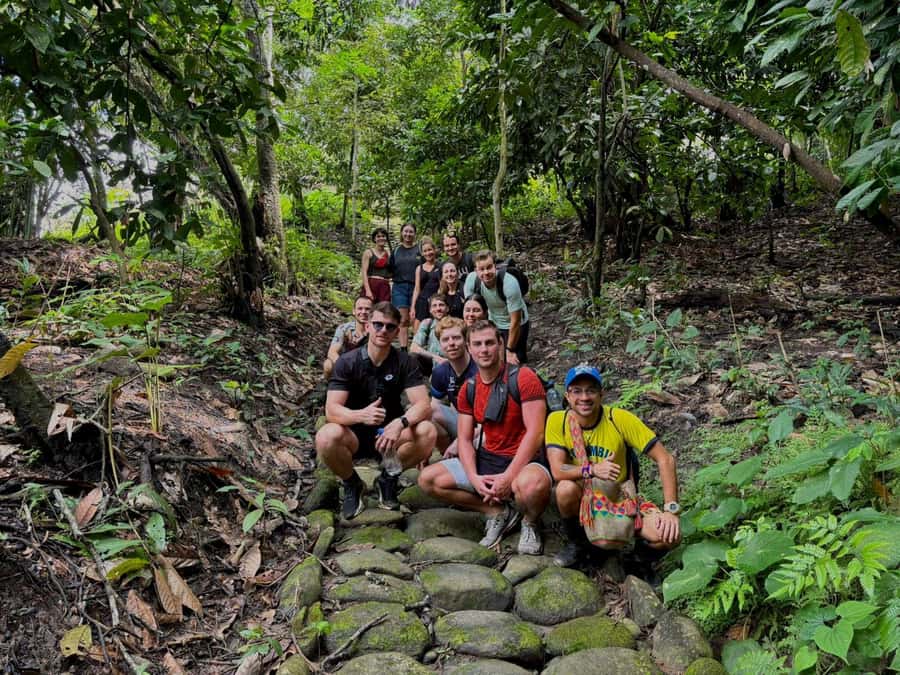
- Tayrona heritage trails: Walk routes connected with the history and ancestral traditions of the region’s indigenous peoples.
- Arhuaco family farm: Learn how coffee and cacao are grown and prepared, and how both products fit the community’s worldview.
- Bilingual local guides: Guides such as Jorge, Andrés, and Santiago have led this experience in English and Spanish.
- Waterfall finish: Bring swimwear in case conditions allow a stop at a natural waterfall along the route.
- Community benefit: Part of your payment supports sustainable projects connected with indigenous communities.
- Practical limits: The tour lasts about 4.5 hours, is rated medium in difficulty, and is not suitable for children under 12 or wheelchair users.
Starting in Minca’s central park
The tour begins at Parque de Minca, beside the central chapel. This is a sensible meeting point because it keeps the start simple. You do not need to search for a remote farm or arrange your own way along unfamiliar trails. Meet the guide there, then set out on foot.
Transportation is not included, so you need to reach Minca on your own. If you are coming from Santa Marta, the operator can provide contact information for a private driver, but the ride itself is extra. Plan this part before tour day, especially if you are working around a bus connection, hotel check-in, or another activity.
The exact starting time depends on availability. Allow roughly 4.5 hours for the full experience, with the practical range given as four to five hours. I would avoid booking a tight follow-up plan. Trail conditions, questions at the farm, and time at the waterfall can all affect the pace.
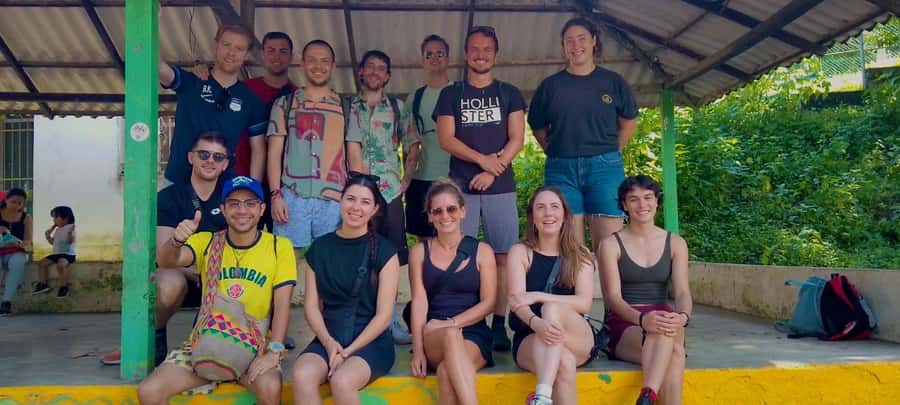
Your guide is an important part of the day. The activity is offered in English and Spanish, and guides named Jorge, Andrés, and Santiago have led departures. Jorge is noted for sharing local information and useful suggestions for the wider Santa Marta area. Andrés is associated with a fun, fact-filled approach, while Santiago has also received particularly warm praise. Your assigned guide may vary, so check the language and guide details when you book.
A few more Santa Marta trips to weigh up
- Tayrona Park Hike And Beach Day
★ 5.0 · 91 reviews - Guided Hiking through Tayrona National Park and Cabo San Juan
★ 4.5 · 73 reviews - Santa Marta: Multi-Day Trek to The Lost City
★ 4.8 · 40 reviews
Following trails shaped by Tayrona heritage
The first section takes you along nature trails tied to the legacy of the Tayrona people. The purpose is not simply to walk through trees. Your guide explains how the Kogui, Wiwa, Arhuaco, and Kankuamo communities remain connected to the Sierra Nevada region, its plants, and its natural systems.
That cultural frame gives the walk more meaning. You are encouraged to notice how people have used and cared for this territory over generations, and how traditional knowledge continues despite social and cultural change. The guide also discusses the indigenous worldview, not just farming techniques or dates from the past.
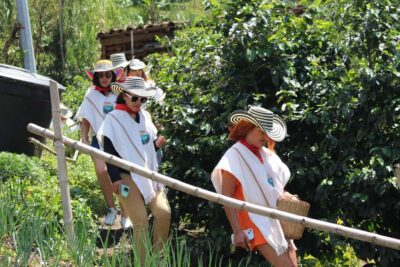
The route passes through a varied jungle setting with native vegetation and many species. The exact plants and animals you see will depend on the day, weather, and pace, so you should not book this as a guaranteed wildlife-spotting trip. The reliable part is the combination of natural surroundings and interpretation.
I like this approach because it avoids splitting Minca into two separate attractions, culture here and nature there. The trail itself becomes the link. As you walk, the guide connects the environment with the practices of the people who have lived in the area for centuries.
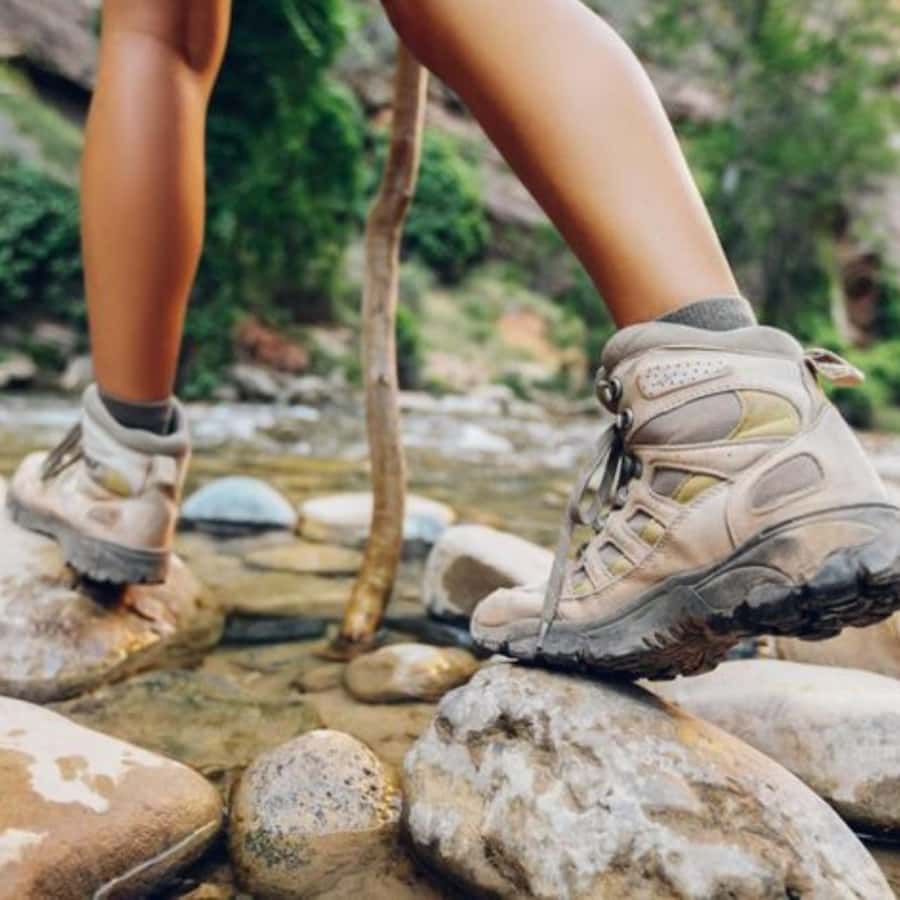
Still, prepare for a real hike. The difficulty is listed as medium, and good physical condition is recommended. Wear shoes with a firm sole, use sunscreen and insect repellent, and carry water in a reusable bottle. Comfortable clothing and hiking pants will serve you better than town clothes.
Cabanas Bosque Cacao and the Arhuaco connection
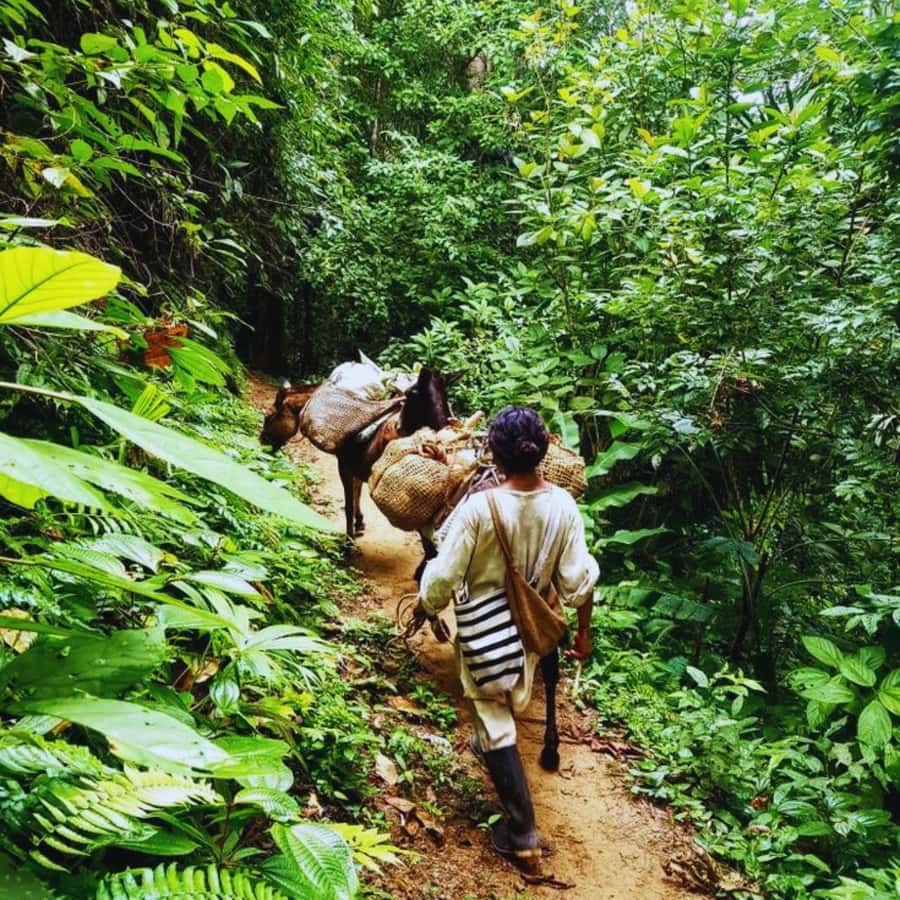
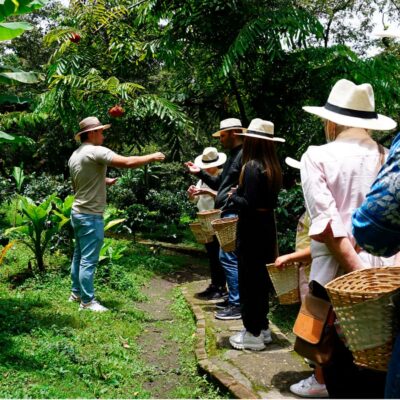
The main destination is Cabanas Bosque Cacao, a coffee and cacao farm managed by an Arhuaco family. This is the heart of the experience. Instead of seeing finished chocolate or coffee in a shop, you learn about the products from the people who grow and transform them.
The family explains cultivation and processing, along with the uses of cacao and coffee within indigenous life. You also hear about the way traditions have continued while the community has dealt with changes in its territory. That makes the visit more than a farm demonstration. It gives you a clearer idea of how agriculture, family life, identity, and outside economic pressures meet in Minca.
The farm visit is described as personal and welcoming, with time to speak directly with members of the Arhuaco community. English support may be available from a family member, as it has been on some visits, but you should confirm your language needs at booking if fluent interpretation matters to you.
You will see explanations of how cacao and coffee move from cultivation to a finished drink or tasting. The details of the process can vary by the season and what is ready at the farm, so think of this as an educational visit rather than a factory tour. The focus is on the relationship between the crops, the family, and the land.
The tasting adds a useful sensory layer. Traditional cacao and coffee are included, letting you compare what you have learned with the products themselves. Food is not included, so do not expect the tasting to replace a meal. Bring a snack if you need one, but follow the guide’s instructions about where eating is appropriate.
Why the coffee and cacao lesson matters
Coffee and cacao are easy to consume without thinking about their origins. This visit slows that process down. You learn that both products carry local economic value, but also have a place in a broader indigenous understanding of nature and community.
I find cacao especially useful as a teaching tool because its transformation is easy to follow. The farm can show the connection between a plant in the soil and the product in your cup. Coffee offers a similar lesson, while also giving you a practical look at one of the crops associated with the region.
The experience does not promise a polished, commercial presentation, and that is part of its appeal. You are visiting a working family operation with direct community involvement. The trade-off is that conditions may feel simple and the pace may depend on the family’s schedule, weather, and the group’s questions.
Your participation also has a stated community purpose. A direct contribution supports indigenous community projects and sustainable local development. No tour can tell you that every part of a complicated region has been solved by one visit, but this arrangement gives your spending a clearer local connection than a standard sightseeing stop.
Same city, a completely different kind of day:
- Santa Marta: Sailboat day tour to Tayrona Park
★ 4.5 · 352 reviews - From Santa Marta: Tayrona National Park Guided Tour
★ 3.8 · 131 reviews - Tayrona Bay Sailboat trip
★ 4.5 · 107 reviews - Santa Marta: Minca Coffee, Cocoa, & Waterfall Full-Day Trip
★ 4.6 · 102 reviews
Reaching the waterfall after the farm
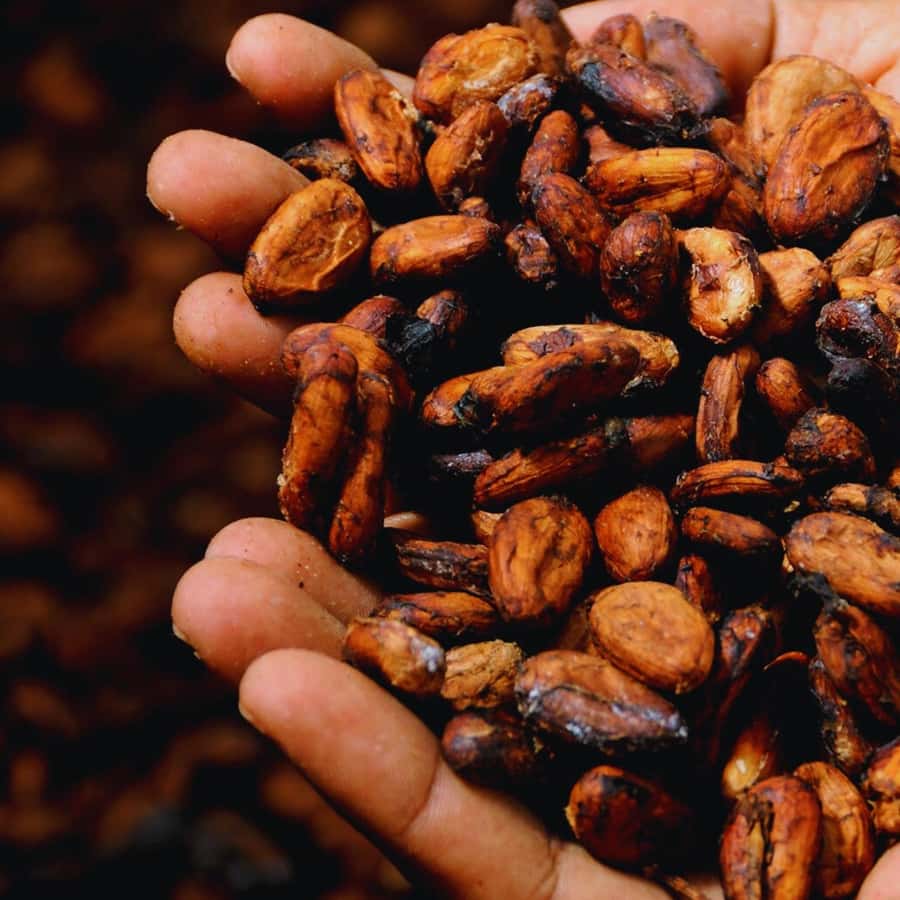
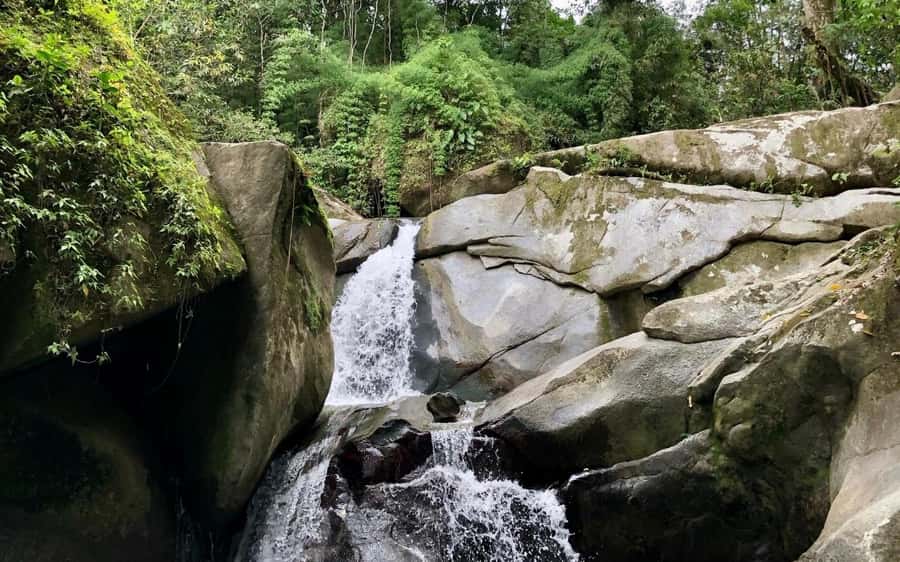
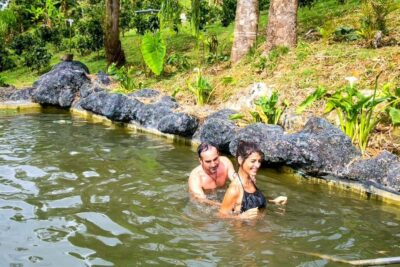
The waterfall provides a change of pace after the cultural and agricultural sections. Depending on the conditions and route, you may encounter a waterfall along the way and have time to relax there. A swimsuit is recommended because the stop may allow a refreshing swim or a cooling dip.
Do not treat the waterfall as a guaranteed grand finale with a fixed swim period. The information describes access to a natural waterfall, but weather and trail conditions can affect what is possible. Rain is normally not a reason to cancel, though extreme conditions may change the activity.
This part works well because it gives the walk a quiet pause. You can cool off, listen to the water, and enjoy the forest without another long explanation. If you prefer not to swim, you can still use the stop to rest, but check with the guide about safe areas and local rules.
The waterfall also reinforces the central theme of the experience. The water, forest, crops, and communities are presented as connected parts of Minca rather than separate sights. Follow the guide’s instructions, avoid litter, and use biodegradable sunscreen and insect repellent to reduce your effect on the area.
What the $41 price includes
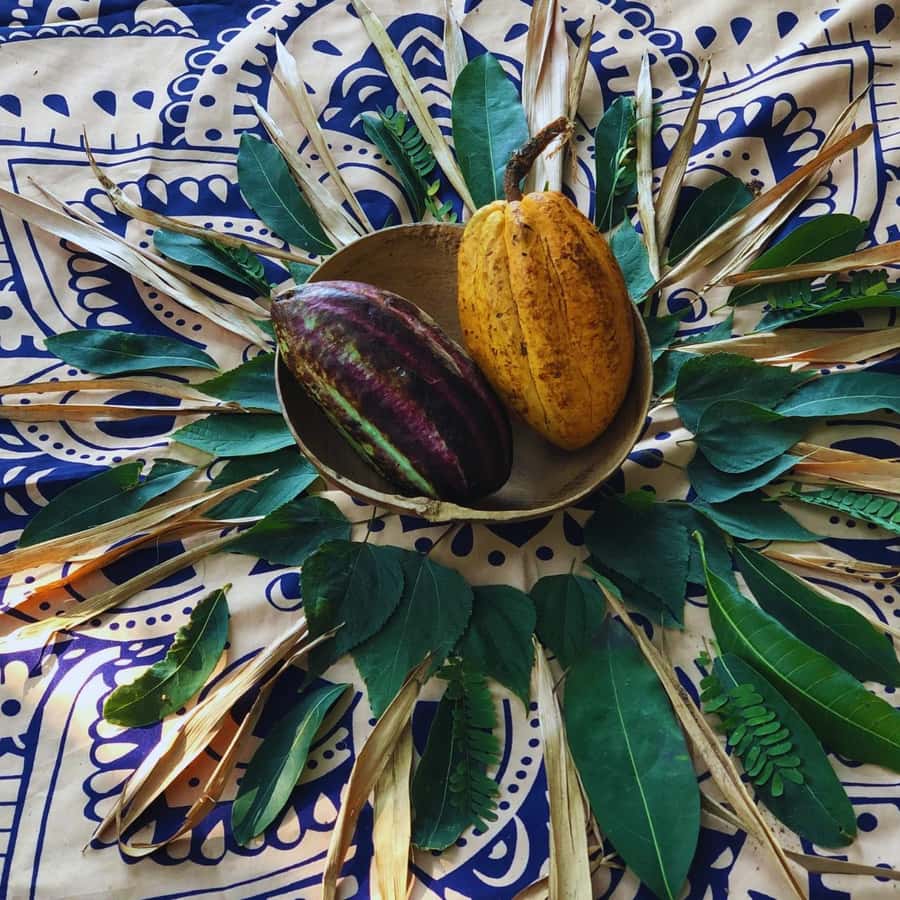
At $41 per person, the cost is reasonable if you want several elements in one half-day outing. You are paying for a bilingual local guide, a guided hike, the indigenous farm visit, cultural interpretation, cacao and coffee tasting, time with the Arhuaco family, waterfall access, assistance insurance, and a contribution to community projects.
The value is strongest for visitors who would otherwise need to arrange separate activities. A basic walk may cost less, and a simple farm visit might be shorter, but neither would necessarily provide the same connection between Tayrona heritage, indigenous agriculture, and the natural setting.
The price does not include food, drinks beyond the stated tasting, or transportation to and from Minca. Those exclusions matter. Add the cost of getting to Minca from Santa Marta, plus any water or snack you need, when setting your budget.
You can reserve now and pay later, which helps if your plans are still moving. Free cancellation is available up to 24 hours before the activity for a full refund. I would still read the final booking terms carefully and provide a working WhatsApp number, since the operator uses it to send meeting details.
Difficulty, clothing, and daily comfort
A medium rating is the most important practical detail. You should be comfortable walking for several hours on uneven nature trails and handling warm, humid conditions. The route includes a trek, not a short walk from the park to a nearby café.
Bring:
- Hiking or sturdy walking shoes
- Comfortable clothes and hiking pants
- Sun hat and sunscreen
- Biodegradable insect repellent
- Reusable water bottle
- Swimwear
- Any trekking gear you normally use
Shoes are worth taking seriously. Sandals may be fine for a short town walk, but the recommended equipment is hiking footwear. A small bag is better than a heavy pack, especially if you plan to swim.
The tour operates in rain unless conditions become extreme. A light waterproof layer may be useful, though it is not specifically listed among the required items. Keep your electronics protected, and do not assume every part of the route will remain dry.
The experience is not suitable for children under 12, wheelchair users, or people over 95. Those limits reflect the trail and access conditions, not a judgment about fitness. If anyone in your group has mobility concerns, ask before paying.
Cultural respect is essential. Listen to the guide and follow the indigenous community’s instructions. Weapons, sharp objects, alcohol, drugs, intoxication, nudity, and littering are not allowed.
Who will get the most from this Minca tour
I would choose this experience if you want a thoughtful introduction to Minca and prefer a local guide over a self-guided walk. It suits people who enjoy asking questions, learning how food is produced, and seeing nature in a cultural context.
It is also a good first activity in Minca. Jorge, Andrés, and the other guides can provide useful context for the area, and the walking route gives you a practical feel for the surroundings. The tour combines enough variety to keep a half-day interesting without requiring a full-day commitment.
You may want a different activity if your priority is a long, demanding mountain hike, a guaranteed swim, or a full meal based around cacao and coffee. This is an educational cultural walk with nature and a waterfall, not a specialist trekking expedition or a dedicated chocolate workshop.
The group experience may vary. The supplied details do not give a fixed group size, so ask before booking if a private tour or a very small group is important to you. The farm visit is described as feeling personal, but the number of people on your departure can affect how much time you have for individual questions.
My verdict on this 4.5-hour experience
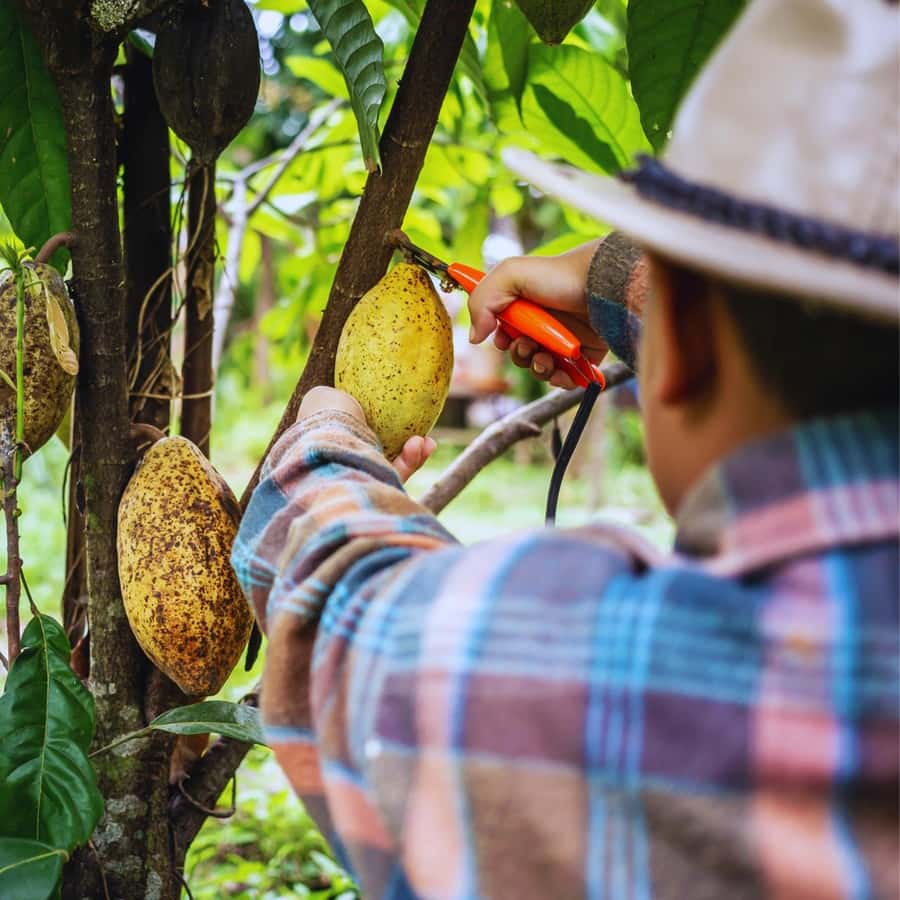
I would book this tour if I had one half-day in Minca and wanted more than a pretty trail. The strongest features are the Arhuaco family farm, the clear focus on indigenous history, and the guide-led connection between agriculture and the natural world.
The waterfall is a welcome extra, not the sole reason to go. Pack for a medium hike, budget separately for transport and food, and accept that weather can shape the final route. If that sounds like a fair trade for a direct community encounter and a useful introduction to Minca, $41 is a solid value.
FAQ
Where does the tour begin?
You meet the guide at Minca’s Central Park, beside the central chapel.
Where does the tour end?
The activity ends back at Parque de Minca, the same meeting point where it begins.
How long does the experience last?
The stated duration is 4.5 hours, with the practical total described as approximately four to five hours.
Is the tour available in English?
Yes. Live guiding is available in English and Spanish.
Is transportation from Santa Marta included?
No. Transportation is not included. The operator can provide contact information for a private driver if you need help traveling between Santa Marta and Minca.
Should I bring a swimsuit?
Yes. You may encounter a natural waterfall along the route, and there may be time to cool off there.
Can I cancel for a refund?
You can cancel up to 24 hours in advance for a full refund. The tour also allows you to reserve now and pay later.
More Historical Tours in Santa Marta
- Santa Marta A Historical & Street food Experience
★ 4.7 · 41 reviews - Cartagena: Historic Center and Getsemaní Shared Walking Tour
★ 4.9 · 2,716 reviews - Shared Tour Cali’s Historical Downtown
★ 4.8 · 143 reviews - Medellín: History & Local Life Essentials Tour on an E-Bike
★ 4.9 · 130 reviews
Just added around Santa Marta
- SANTAMARTA: TOUR Remanso, Taganga, Playa Grande Lunch and Snorkeling Included★ 3.5 · 4 reviews
- Santa Marta: Trekking in Minca Complete Waterfall Circuit★ 4.4 · 28 reviews
- SANTAMARTA: White Night Tour in Katamaran with open bar★ 3.8 · 6 reviews
- SANTAMARTA: TOUR Combo boat taxi, aquarium, lunch, and white sand beach★ 4.6 · 14 reviews
- Old Town and Quinta Pedro Alejandrino Santa Marta City Tour★ 4.6 · 11 reviews
- SANTA MARTA: Tour to Playa Inca Inca with Lunch★ 3.2 · 4 reviews
- Santa Marta: Playa Cristal in Tayrona Parque Day Tour★ 3.9 · 28 reviews
- Santa Marta: Multi-Day Trek to The Lost City★ 4.8 · 40 reviews
Coffee Experiences, compared.
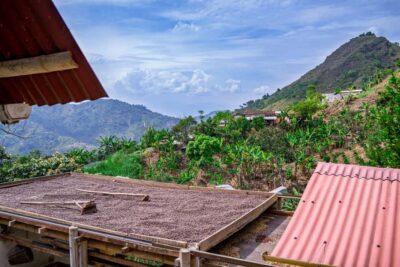
Coffee Tour with Transport, Snacks and Tastings
Read our review →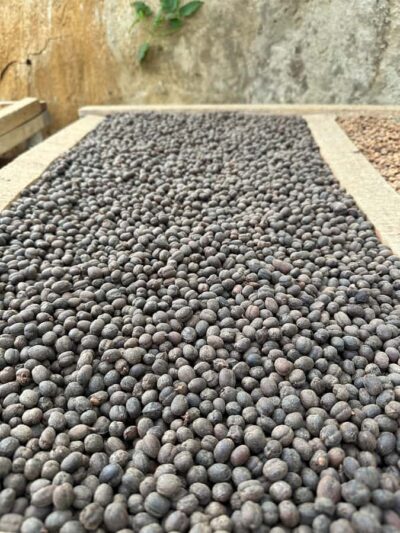
Medellín Coffee Farm Tour with Trolley and Cable Car Ride
Read our review →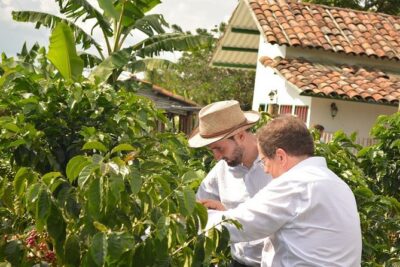
Horseback Riding Coffee Farm Tour with Coffee Spa
Read our review →
Browse the lists this tour appears in