
Reviewed · WALKING TOURS
Cali: Walking Tour of the 11 Neighborhoods of Commune 20
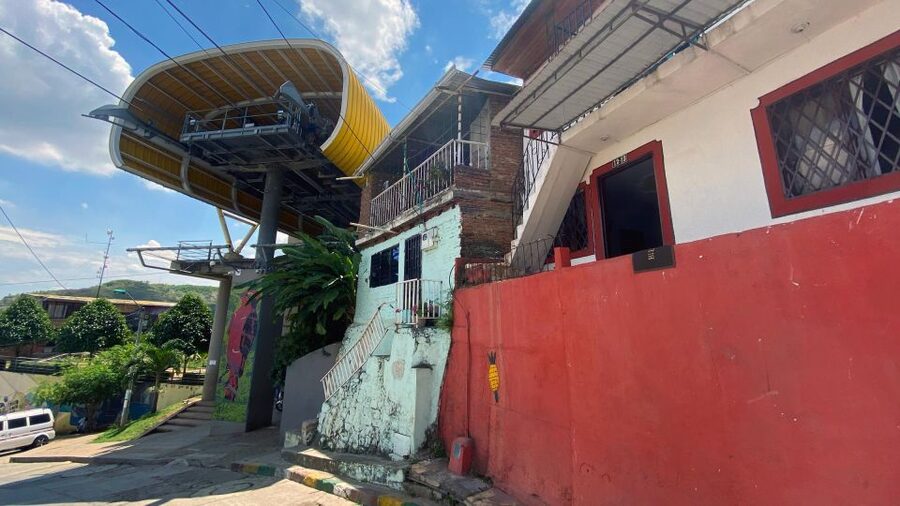
Cali’s MIO cable car gives this experience its lift, quite literally. You rise above the city toward Siloé, then walk through parts of Commune 20, where local art, salsa, neighborhood stories, and community action shape the day. The cable car views are a fine opening, but the real point is meeting a part of Cali that many visitors miss.
I like the way the tour connects transport with community change, rather than treating the cable car as a simple ride. I also like the four themed stops: transportation at Cañaveralejo, salsa at Tierra Blanca, green spaces at Lleras Camargo, and myths and legends at Brisas de Mayo. Guides named in connection with this experience include Miguel, Jorge, Juan Carlos, William, Pablo, and Juan.
The main caution is physical. You walk about 3 kilometers, including steep inclines, and the tour runs rain or shine. It is not suitable for children under 10, pregnant women, or people with mobility impairments. The listed price is $65 per person, so you should be ready for a culture-focused outing rather than a cheap sightseeing ride.
Key points to know before you book
- The MIO cable car is part of the story: You ride above Cali while learning how transport links with the neighborhoods of Commune 20.
- Four stations give the route a clear structure: Each stop has a theme, from transportation and salsa to green spaces and local legends.
- Siloé is explored on foot: Expect around 3 kilometers of walking, with steep sections that require reasonable fitness.
- Local guides shape the experience: Miguel, Jorge, Juan Carlos, William, Pablo, and Juan are among the guides associated with the tour.
- A typical drink is included: You get a small taste of local life without paying extra along the way.
- The tour is about people, not just pictures: Community action and positive change are central to the story of the 11 neighborhoods.
Why the cable car matters in Commune 20
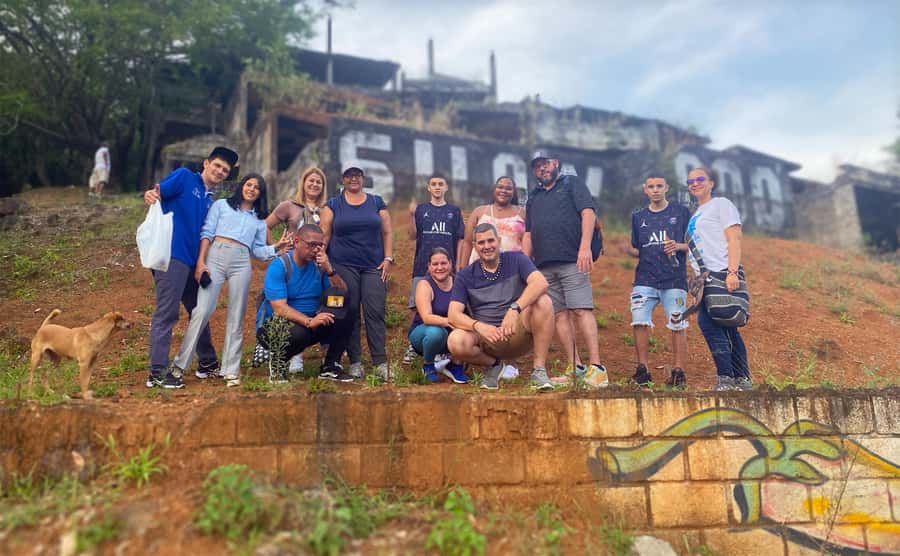
Meet your guide at the main door of Terminal MIO Cañaveralejo, over Fifth Street. This meeting point is specific, so do not simply wait somewhere inside the station. The MIO cable car is the first major part of the outing, and it changes the way you see Cali before the walking begins.
From the car, you can look back across the city and take panoramic photos. The ride also gives you a useful sense of how Commune 20 sits above and around the city. You are not being driven straight to a viewpoint, then dropped off for a quick picture. You are riding public transport into the area and hearing why that connection matters.
The cable car portion is listed as about one hour in the itinerary, though the overall activity is advertised as four hours. The timing details do not line up perfectly, since the itinerary also lists another cable car segment of one hour after the walking tour. I would allow a flexible afternoon and confirm the exact starting time when booking.
This is a better fit for you if you enjoy looking out the window while a guide explains what you are seeing. If you want a fast trip to a single lookout, the cable car ride may feel longer than necessary. If you want context, the slow rise is useful.
A few more Cali trips to weigh up
- The Cali Street Food Walking Tour
★ 5.0 · 81 reviews - Cali: Walking tour of the historic center
★ 5.0 · 69 reviews - Afro Walking Tour. The colors of Cali.
★ 5.0 · 61 reviews
Cañaveralejo begins with transportation
The first themed stop is Cañaveralejo. Here, the guide explains the history of transportation. That may sound less colorful than salsa or street art, but it gives the tour a practical foundation.
Transportation affects who can reach a neighborhood, how people move to work or school, and how a district connects with the rest of Cali. In this setting, the MIO cable car is not just a tourist attraction. It is part of the city’s public transport system, and the tour uses that fact to explain a larger story about access and change.
I appreciate this stop because it prevents the experience from becoming a string of photo opportunities. You begin by considering how the city functions, then move into the art and daily life of the neighborhoods.
The station stop also helps you get your bearings. Commune 20 contains 11 neighborhoods, and the guide uses the route to introduce their shared story. You will not receive a complete tour of every street in all 11 districts during a four-hour outing. Instead, you get a focused walk through selected parts of the commune, with the cable car route tying the sections together.
Tierra Blanca brings in Cali’s salsa tradition
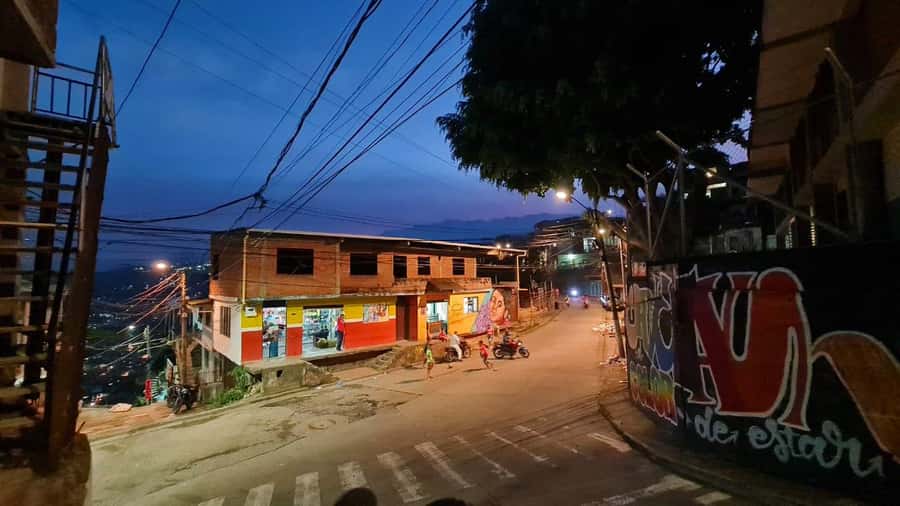
At Tierra Blanca, the subject shifts to salsa. Cali is strongly associated with this music and dance tradition, and the tour treats it as a local cultural thread rather than a decorative extra.
The value here depends on your guide. A good explanation can show how music fits into neighborhood identity and everyday life. Miguel, Juan Carlos, and the other named guides are repeatedly associated with friendly, engaging tours, so you can expect the human side of the experience to matter as much as the facts.
Do not book this expecting a full salsa class unless one is specifically added to your departure. The information provided promises an explanation of the local salsa tradition, not a dance lesson or evening performance. That distinction matters if music and dance are your main reason for choosing the tour.
Still, Tierra Blanca sounds like one of the stronger thematic stops for first-time visitors to Cali. It connects the city you may have heard about with the neighborhoods you are actually walking through.
Lleras Camargo offers a change of pace
The stop at Lleras Camargo focuses on green spaces. After the height and motion of the cable car, and the more concentrated themes of transportation and salsa, this pause gives the walk some breathing room.
The information does not promise a formal garden visit or a long rest break. Think of it as a chance to see how open areas fit into neighborhood life. A guide can help you notice the value of these spaces, especially in a dense urban setting.
This stop may be brief, and its appeal will depend on the day’s pace. I would not choose the tour solely for Lleras Camargo. Its importance comes from the contrast it provides. The route is not only about walls covered in paint or stories of hardship. It also makes room for places where people gather, pause, and enjoy the outdoors.
Same city, a completely different kind of day:
- Shared Tour Cali’s Historical Downtown
★ 4.8 · 143 reviews - Historical Shared Tour Salsa, Graffiti & Resistance in Cali
★ 5.0 · 107 reviews - San Cipriano Rainforest – River, Waterfalls and Adventure Day
★ 5.0 · 73 reviews - Cali: Street Food Tour
★ 4.8 · 71 reviews
Brisas de Mayo adds myths and legends
At Brisas de Mayo, the focus turns to local myths and legends. This is where the tour moves from civic history and cultural tradition into the stories people tell about their own neighborhoods.
Local legends can reveal how a community understands its streets and landmarks. They also make the walk more personal. Instead of hearing only official facts, you hear the kinds of stories that help a place feel lived in.
The guide is important here. English and Spanish tours are available, and you should choose the language in which you can follow subtle details and humor. A translated explanation may cover the basic plot, but the tone and local references are easier to catch in your stronger language.
This stop also shows why the experience is more than a cable car ride. The views may introduce you to the area, but myths, street art, and neighborhood stories give the walk its character.
Street art tells a story of change
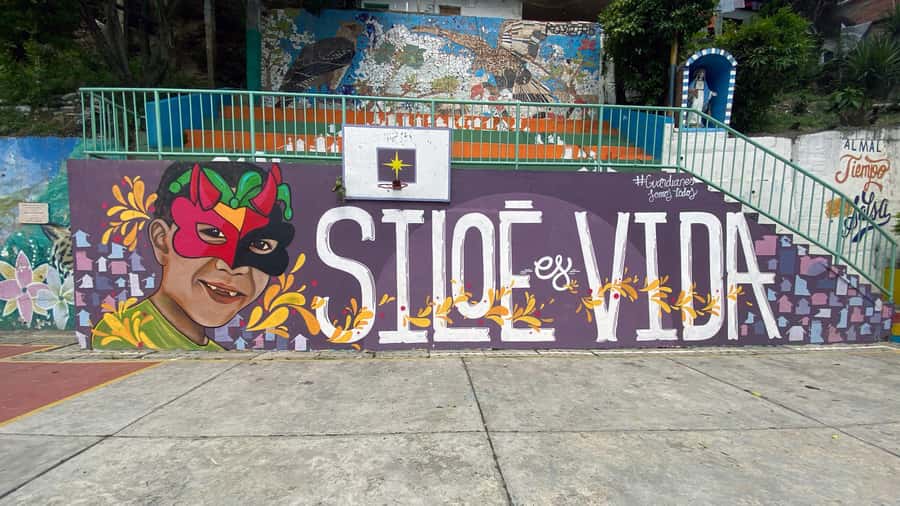
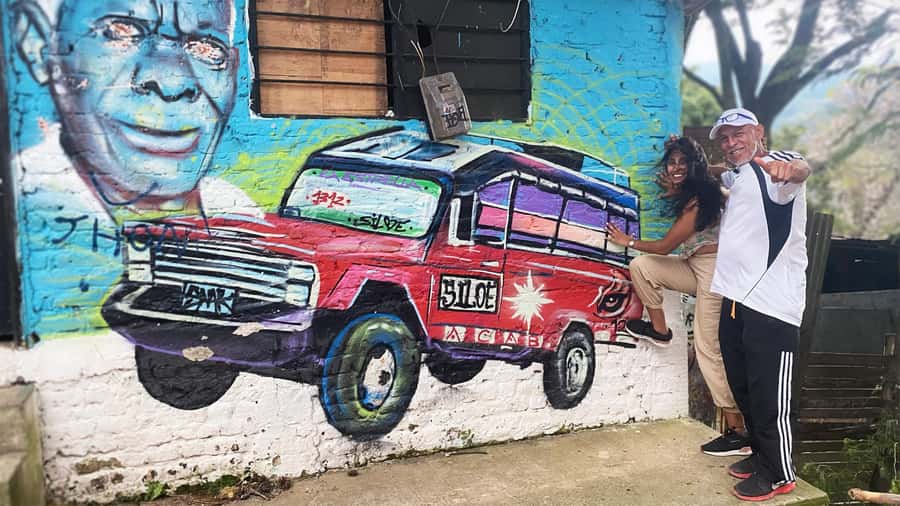
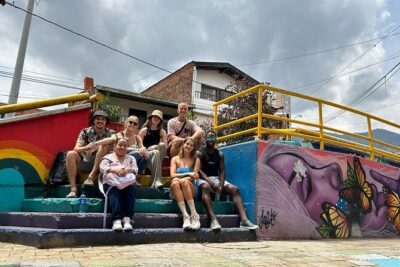
Commune 20 is known in this experience for street art and graffiti by diverse artists. You will have chances to stop, look closely, and hear how the art fits into the wider story of the district.
Do not expect every painted wall to come with a formal art lecture. The point is more grounded. The artwork is part of the public setting, and the guide helps connect it with identity, expression, and positive change brought about through community action.
This is one of the tour’s strongest features for anyone who wants more than conventional city sights. A museum can display finished works in a controlled setting. Here, the art is tied to the streets and neighborhoods where people live.
Photography should be easy to enjoy, but remember that this is a walking tour, not a dedicated photo workshop. The group will keep moving, and the guide will have stories to tell. Take your pictures, then put the phone away long enough to hear the explanation.
The community story gives the tour purpose
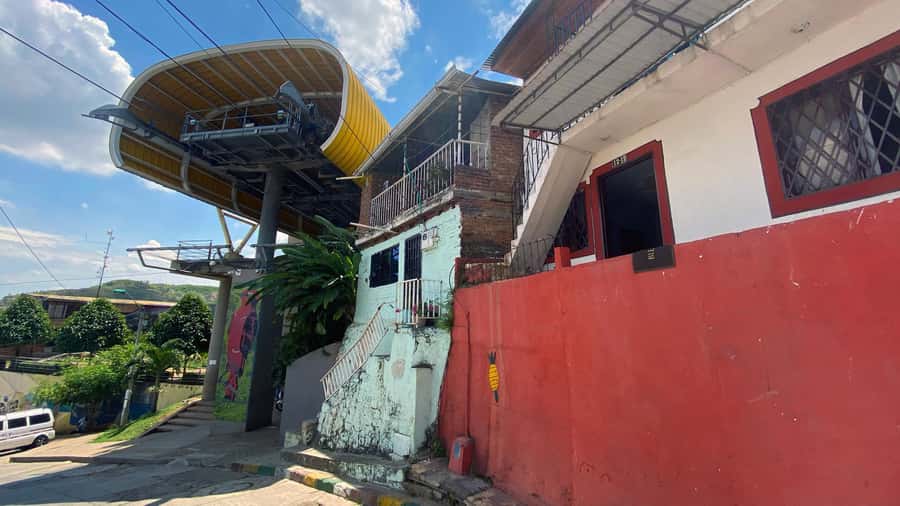
The central story concerns how inhabitants of the 11 neighborhoods sought positive change through community action. The tour does not present Commune 20 as a backdrop of problems for visitors to observe. It focuses on residents, local effort, and the ways a neighborhood can shape its own future.
That approach makes the outing more respectful and more useful. You are not simply collecting images of a place unfamiliar to you. You are listening to an account of how people organize, preserve local identity, and improve their surroundings.
The guide’s personal style will affect how much you get from this part. Miguel is especially associated with strong local explanations, while Miguel and Jorge are also described as relaxed, funny, and engaging. Other named guides include William, Pablo, Juan Carlos, and Juan. Your exact guide may differ, so treat those names as helpful context, not a guarantee.
You should also keep your expectations realistic. Four hours cannot explain every social and political detail of Commune 20. The tour offers an introduction through transport, art, local stories, and selected streets. If one topic catches your attention, you may want to ask the guide questions during the walk.
Walking conditions and what to bring
The walk covers about 3 kilometers, but distance is not the whole story. One visitor specifically warned about steep inclines, and that is the practical detail I would take most seriously.
Wear comfortable shoes with a good grip. Choose comfortable clothing, and bring cash for personal spending. A typical local drink is included, but dinner is not, and the tour does not include hotel pickup or drop-off.
The tour takes place rain or shine. Cali weather can change, so a light rain layer is sensible even though one is not formally listed among the required items. This is advice rather than a promised tour provision: you need to prepare for the weather yourself.
The activity is not suitable for children under 10, pregnant women, or people with mobility impairments. The steep sections and uneven walking demands are the reason to take those limits seriously. If you have any concern about hills or prolonged walking, this is not the place to test your limits.
What the $65 price includes
At $65 per person, the cost is not bargain-priced for a four-hour activity in Cali. The value comes from the combination of a cable car ride, a local guide, a drink, and a guided walk through a part of the city that is not covered by a standard central sightseeing route.
You also receive entrance to the MIO cable and medical assistance insurance. The cable car fare alone is not the main reason to pay for the tour. You are paying for the explanation and the local connection that turn a ride into a meaningful visit.
I would compare the price with what you want from your afternoon. If you only want panoramic views, you can look for a simpler transport experience. If you want the views plus street art, salsa culture, local legends, and community context, the package makes better sense.
Dinner is not included, so plan to eat before or after the activity. Hotel transfers are also not included. You need to reach Terminal MIO Cañaveralejo on your own and return there at the end.
Language, timing, and flexibility
The tour is offered with a live guide in English or Spanish. Select the language that lets you ask questions comfortably. This matters because the most valuable parts of the outing are spoken explanations, not only what you can see.
The stated duration is four hours, with a return to the meeting point at 7:00 PM. Starting times vary, so check availability for your date. The itinerary gives one-hour cable car segments and three hours for the Siloé guided walk, which suggests a schedule that may be rounded or presented in overlapping terms. I would not arrange a tight dinner reservation immediately afterward.
You can cancel up to 24 hours in advance for a full refund. You can also reserve now and pay later, which helps if your Cali plans may change. Those policies are useful, but they do not remove the need to plan for the physical demands and weather.
Who will get the most from this tour
I would choose this experience if you want to understand Cali through a specific community rather than only through its main plazas and tourist districts. It suits adults and older children who can manage hills, enjoy walking, and like listening to local stories.
It is especially good for you if:
- You want a guided introduction to Commune 20 and Siloé.
- You enjoy public art and want context for what you see.
- You are curious about Cali’s salsa tradition.
- You like hearing local myths and neighborhood stories.
- You prefer a small cultural experience with movement and conversation over a passive bus ride.
I would skip it if your priority is a relaxed afternoon with little walking. I would also skip it if you need step-free access or guaranteed shelter from rain.
Should you book it?
Book this tour if you want a human-scale introduction to Commune 20, with the MIO cable car providing the views and the walking route providing the substance. The strongest parts are the community story, street art, themed stations, and guides who bring warmth and humor to the outing.
Do not book it as a simple sightseeing ride. You will walk uphill, spend much of the time outdoors, and pay $65 for interpretation as much as transportation. For fit visitors who want a more personal look at Cali, that is a fair trade. For anyone seeking easy city views, it is probably the wrong choice.
FAQ
Where does the tour begin?
It begins at Terminal MIO Cañaveralejo. Your guide will wait at the main door of the station over Fifth Street.
How long does the experience last?
The advertised duration is four hours. The tour returns to Terminal MIO Cañaveralejo at 7:00 PM, and you should check the available starting time for your date.
How much walking is involved?
You will walk around 3 kilometers during the guided visit through Siloé and Commune 20.
Is the walk physically demanding?
The route includes steep inclines, so comfortable shoes and a reasonable level of fitness are important.
Is the cable car ride included?
Yes. Entrance to the MIO cable is included in the price, along with the guided cable car portions of the experience.
Which languages are available?
The live tour guide is available in English or Spanish.
Is a drink included?
Yes. A typical local drink is included during the experience.
Are hotel transfers or dinner included?
No. Hotel pickup and drop-off are not included, and dinner is not included.
Can I cancel or pay later?
You can cancel up to 24 hours in advance for a full refund. You can also reserve your place and pay later.
Just added around Cali
- Friday Salsa Pub Crawl in Cali★ 4.9 · 23 reviews
- Private Tour on a 1100cc Cruiser Motorcycle★ 5.0 · 4 reviews
- Flavors of Cali: Food tour at the local market★ 5.0 · 5 reviews
- Coffee Tasting Experience in Cali★ 5.0 · 13 reviews
- From Cali: Whale Watching Day Trip in Buenaventura★ 4.6 · 3 reviews
- Cali: Walking tour of the historic center★ 4.9 · 18 reviews
- Cali: Two hours walking Cali City discovery tour★ 5.0 · 3 reviews
- Cali: Hiking to the Pance waterfalls★ 4.9 · 15 reviews
Walking Tours, compared.
Historic Center and Getsemaní Shared Walking Tour
Read our review →

A Pearl In The Caribbean-walking tour in English
Read our review →Browse the lists this tour appears in